




Antique Afshar Mat
An antique afshar mat is a Persian tribal weaving offering rich nomadic character and tactile wool, prized by collectors for authentic village artistry.
Antique Afshar Mat
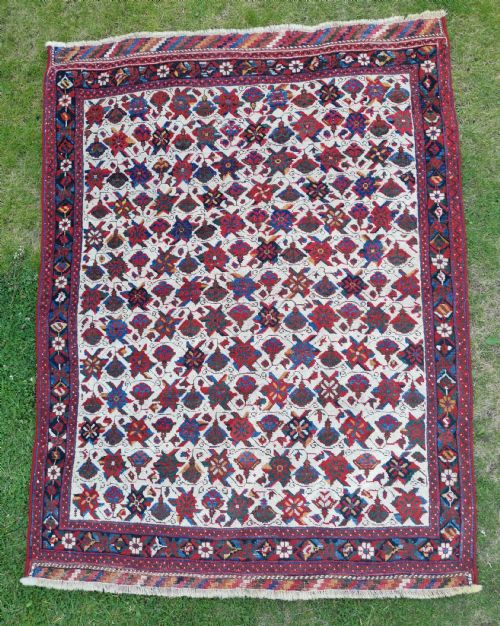
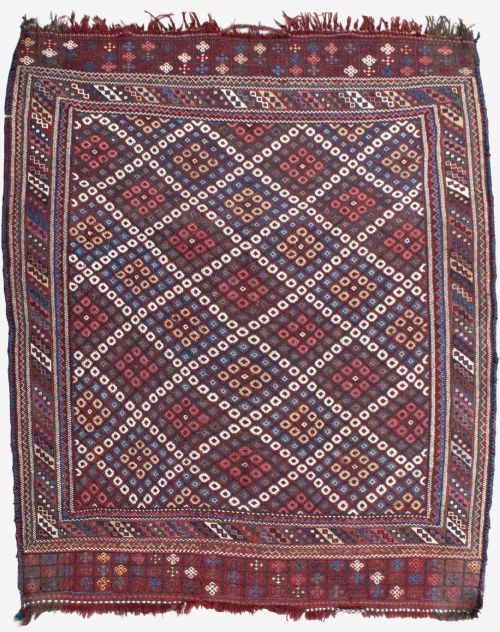
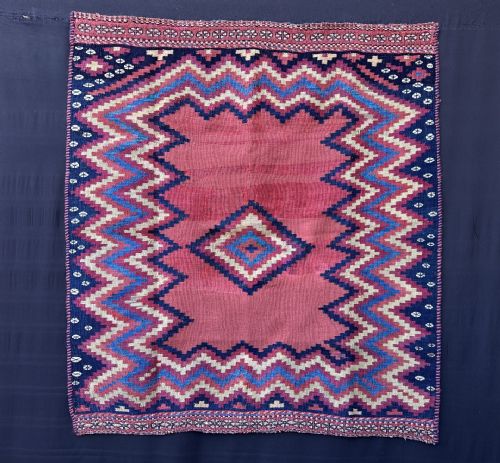
When you search for an antique afshar mat, you encounter genuine Persian tribal weaving produced by nomadic groups originating in the Kerman Province of south-west and southern Persia. These textiles span the nineteenth century through the early twentieth century, encompassing various forms created for utilitarian and domestic purposes within tribal life.
You are most likely to meet several distinct object types on this page, including smaller rugs, flatweave bread sofreh, saddlebag faces, and tribal textiles. Pieces from this tradition often display traditional motifs such as the repeat heratti design, reflecting the rich heritage of Afshar nomads and related tribal makers.
The materials and geographic origins tie each piece firmly to its regional heritage, with specific pieces documented from areas such as Aqta'. Whether you examine a small rug or a larger bread sofreh, these works present distinct tribal aesthetics rooted in Persian craftsmanship.
How they were made
The construction relies heavily on hand-spun wool and cotton, materials selected for durability and tactile quality in nomadic daily life. Weavers utilised natural dyes to achieve deep colour palettes that endure across the decades.
Production techniques range from knotted pile rugs to flatweave construction seen in utilitarian sofreh and saddlebag faces. The combination of lustrous luminous wool and traditional hand-knotting creates the dense, resilient structure characteristic of these tribal textiles.
Antique Afshar Mat Retail Price Guide 2026
Typical asking prices for afshar mat among the pieces listed under this phrase on Sellingantiques today, from the lower quarter to the upper quarter. They describe what is for sale here now, not the wider market.
Materials documented across the listings include hand-spun wool, cotton, and natural dyes used within nineteenth and early twentieth-century Persian tribal pieces.
What varies in quality
The distinction between a standard piece and a superior example rests on the handling of materials and the depth of the dye work. Exceptional items demonstrate particularly lustrous luminous wool and precise execution of traditional motifs.
Structural integrity and the fineness of the weave also separate the categories, alongside the preservation of original edges and complete formats in functional items like bread sofreh or saddlebag faces.
The Antique Afshar Mat Glossary
- Sofreh
- A utilitarian flatweave or textile used for serving bread or sharing meals among nomadic groups. These cloths often feature geometric patterns and serve as important examples of tribal weaving.
- Heratti
- A classic repeat pattern composed of a floral rosette enclosed by leaves, frequently found in Persian tribal rugs. It provides a structured field design that balances the surrounding borders.
- Saddlebag face
- The decorative front portion of a practical animal transport bag, preserved as an independent textile. These smaller panels frequently showcase concentrated bursts of tribal design and fine knotting.
- Natural Dyes
- Colourants derived from plant and mineral sources rather than synthetic chemical processes. They age gracefully and develop a subtle patina over time.
- Flatweave
- A textile constructed without pile by interweaving warp and weft threads together. This technique produces a thinner, lighter fabric used for specific domestic functions.
Antique Afshar Mat: Frequently Asked Questions
What is an afshar mat used for?
These textiles served various practical and decorative functions within nomadic households, from floor coverings to utilitarian cloths for food preparation.
Today, collectors use them as small area rugs, wall hangings, or accent pieces to introduce genuine tribal character into interior spaces.
How do I care for an antique wool rug?
Regular gentle vacuuming without a rotating brush roll helps remove embedded dust and keeps the natural wool pile clean.
Professional cleaning tailored for antique textiles is recommended when deep washing becomes necessary to preserve the natural dyes.
How do I identify an afshar textile?
Identification involves examining the structural materials, regional motifs, and specific weaving traits associated with the Kerman Province.
Characteristic designs, hand-spun wool, and traditional palette choices help distinguish these pieces from other Persian regional styles.
Where were these pieces made?
They originate from the Kerman Province in southern and south-west Persia, produced by Afshar nomads and related tribal groups.
Specific locations within the region, such as Aqta', are sometimes associated with particular weaving characteristics.