

Antique Accessories
These antique accessories span desks, hearths and dining rooms, offering small functional pieces with distinct period character.
Antique Accessories
Antique accessories encompass the smaller functional and decorative objects that populated period interiors, from desks and dining tables to drawing rooms and hearths. When searching for antique accessories, you encounter items designed for specific domestic tasks rather than large furniture.
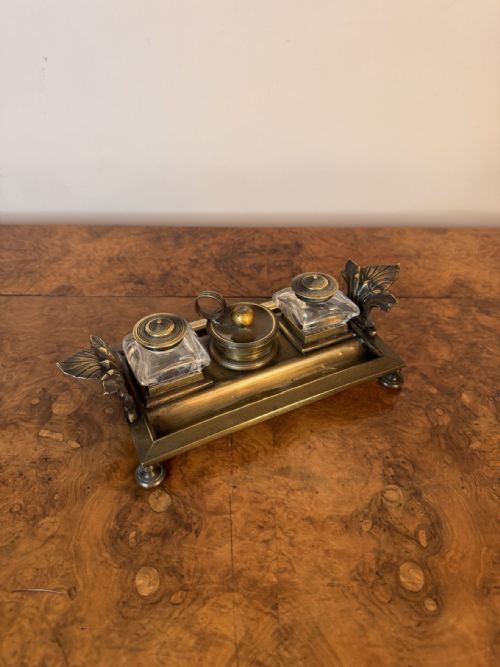
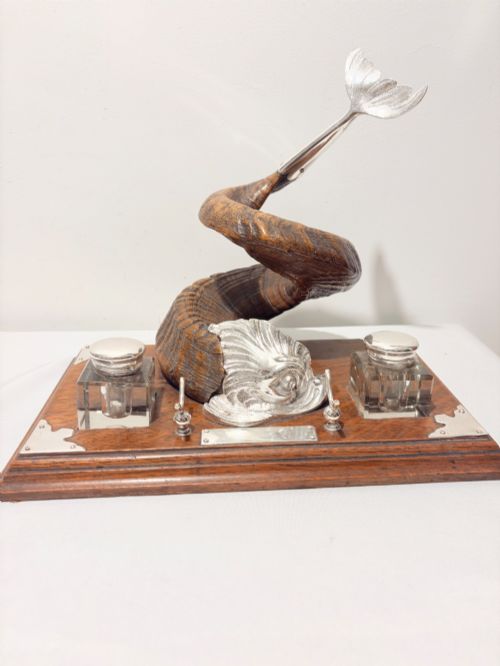
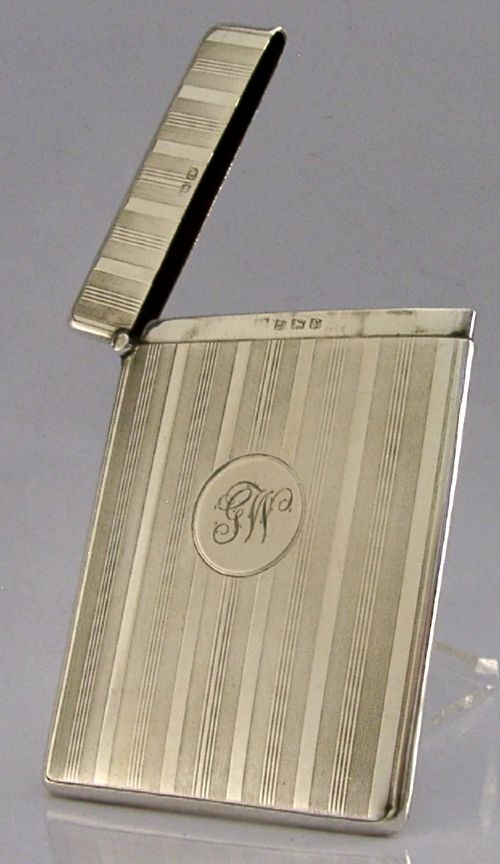
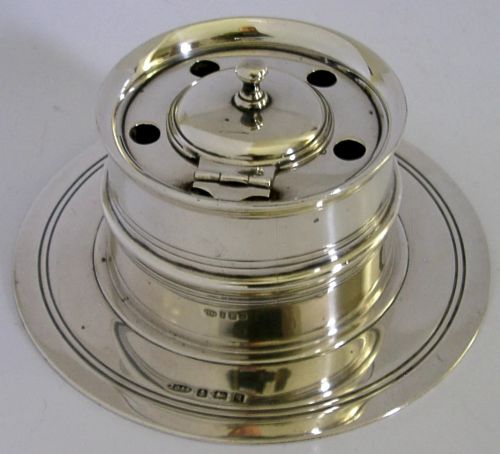
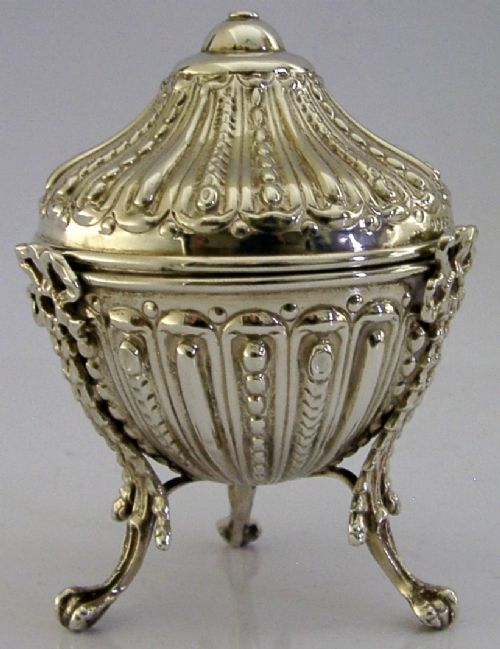
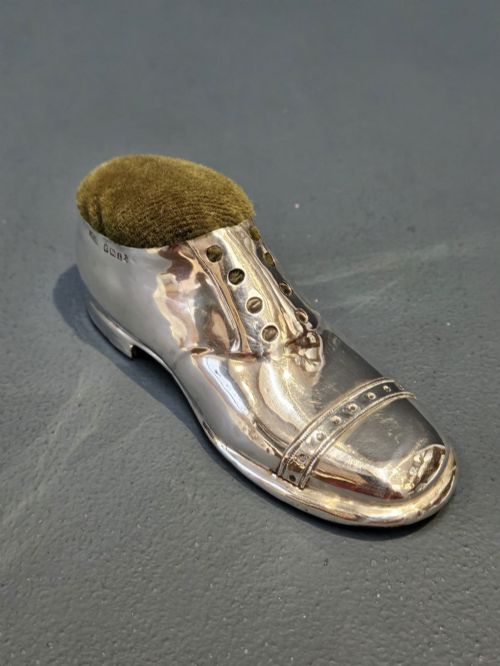
The pieces on this page emerge primarily from Victorian, Edwardian, and Georgian periods, alongside items from the 1900s through to the 1940s. Desk accessories, inkwells, napkin rings, tea strainers, and fireplace equipment form the core of what you will find.
How They Were Made
Makers utilised sterling silver, brass, copper, bronze, and glass, frequently combining metals with wood, leather, enamel, or treen in a single piece. Silversmiths and metalworkers employed casting, cold painting, filigree, and engraving to shape these domestic objects.
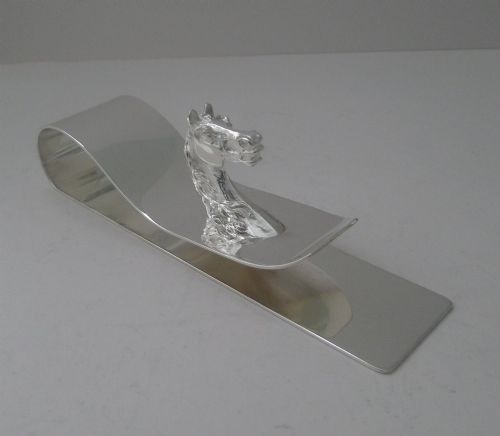
Meticulous construction is visible in the joints of extending book slides, the precise fitting of glass liners in silver salts, and the hand-painted detailing on bronze animal figures.
Antique Accessories Retail Price Guide 2026
Typical asking prices for accessories among the pieces listed under this phrase on Sellingantiques today, from the lower quarter to the upper quarter. They describe what is for sale here now, not the wider market.
Materials span sterling silver, brass, copper, bronze, glass, enamel, leather, and various woods across Victorian, Edwardian, and Georgian periods.
What Varies in Quality
Quality rests in the crispness of casting and chasing, particularly on bronze figures, silversmith work, and cast brass hardware. Superior pieces display retained original finish, such as intact cold-painted pigment or unpolished silver hallmarks.
Material integration also separates standard items from finer examples, such as matched glass inserts in silver frames or robust joinery in walnut and yew wood carriers.
William Comyns·Christofle·Sampson Mordan·Martin Hall And Co·Edwards And Jones
The Antique Accessories Glossary
- Cold Painted Bronze
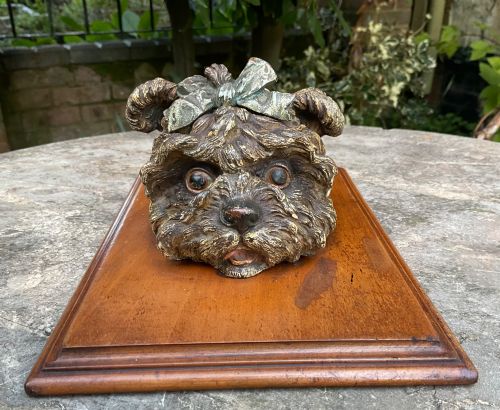
- A method of painting bronze objects with non-heat-set paint, common in Austrian animal figures and desk items. This technique produces vibrant polychrome surfaces that require gentle handling to preserve.
- Caddy Spoon
- A short-handled spoon specifically designed for measuring loose tea leaves from a tea caddy. These spoons frequently feature decorative silver filigree or family crests.
- Vesta Case
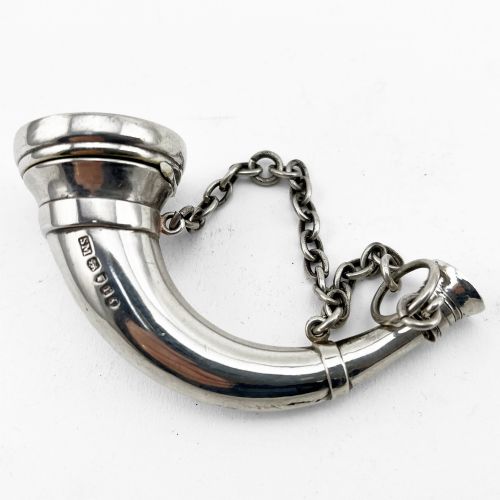
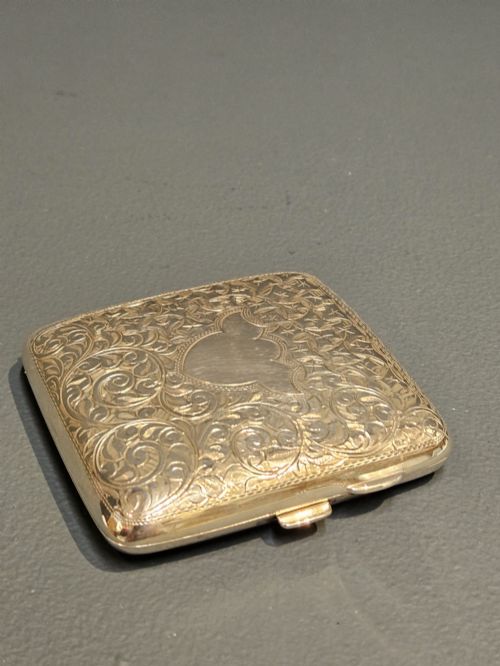
- A small pocket-sized container used for holding matches, often combined with sovereign holders or match safes in Edwardian and Victorian silver.
- Chatelaine
- A decorative belt hook worn with suspended chains carrying household implements like thimbles, scent bottles, and keys. This Victorian accessory kept essential tools immediately accessible.
Antique Accessories: Frequently Asked Questions
What counts as an antique accessory?
Antique accessories refer to the smaller utilitarian and decorative objects used in daily life across the Georgian, Victorian, and Edwardian eras. These include desk items, fireplace equipment, and tableware.
They bridge the gap between pure decoration and practical function, designed to sit on a writing desk, mantelpiece, or dining table.
How do I identify a Victorian desk accessory?
Victorian desk accessories often feature substantial materials like sterling silver, brass, coromandel wood, or heavy glass. Look for hallmarks and period motifs such as Gothic Revival styling or naturalistic brass mounts.
Items from this period focus heavily on organised writing tasks, resulting in double-ended inkwells, stamp holders, and magnifying glasses.
Were these silver items meant for daily use?
Many silver accessories, such as napkin rings, tea strainers, and sugar tongs, were produced for active household service during formal meals. Their solid construction allowed them to withstand regular handling.
Over time, handling creates a soft patina that highlights the original silversmith work and hallmarks.
What is cold-painted bronze?
Cold-painted bronze is a technique where bronze figures, such as animals or novelty inkwells, were painted without firing the pigment in a kiln. This process allowed for intricate, colourful details on small desk sculptures.
Because the paint sits on the metal surface rather than fusing to it, surviving pieces often show characteristic wear that marks their age.