


Antique Accent Lighting
Antique accent lighting brings character to a room through pieces fashioned from brass, marble, glass and bronze.
Antique Accent Lighting
When searching for antique accent lighting, buyers encounter table lamps, wall lights, and chandeliers originating from the eighteenth century to the early twentieth century. These pieces introduce focused illumination and decorative presence into residential interiors.
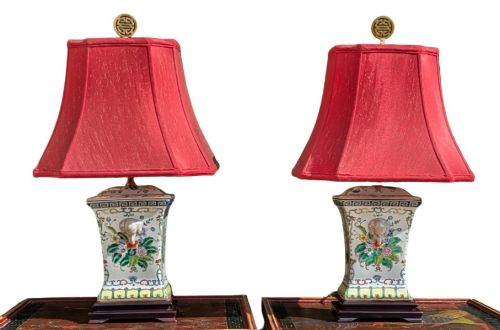
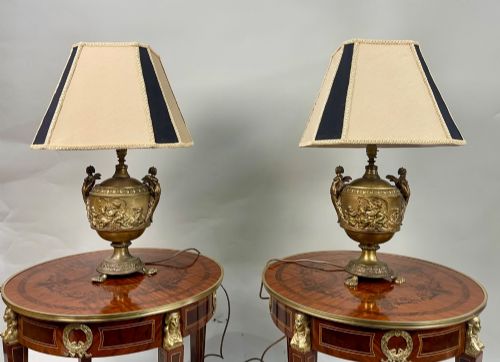
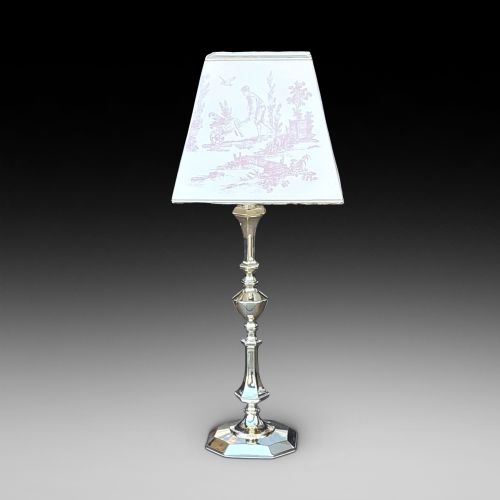
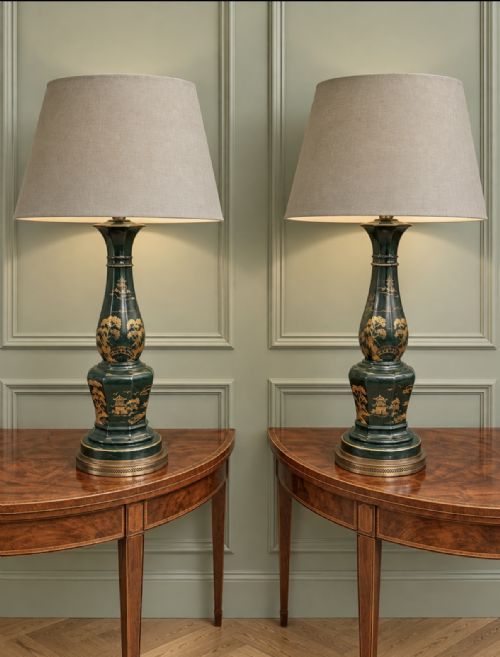
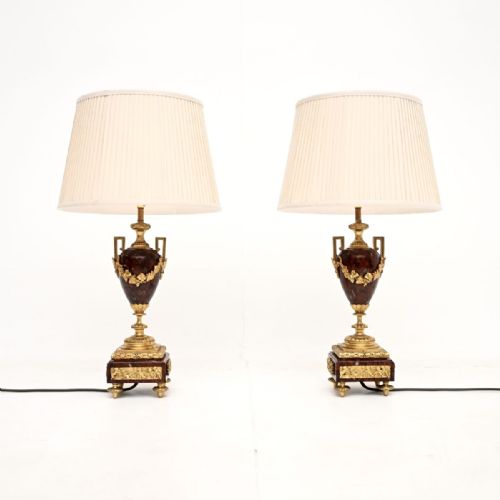
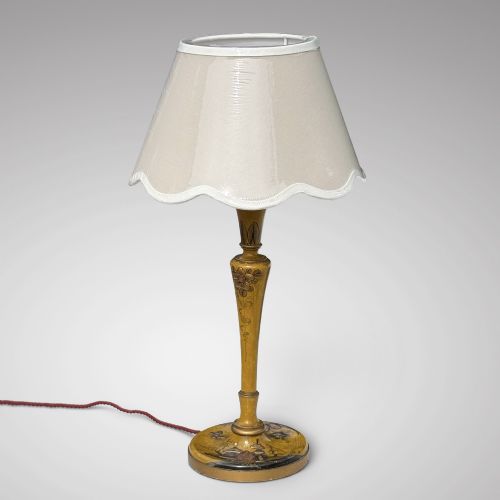
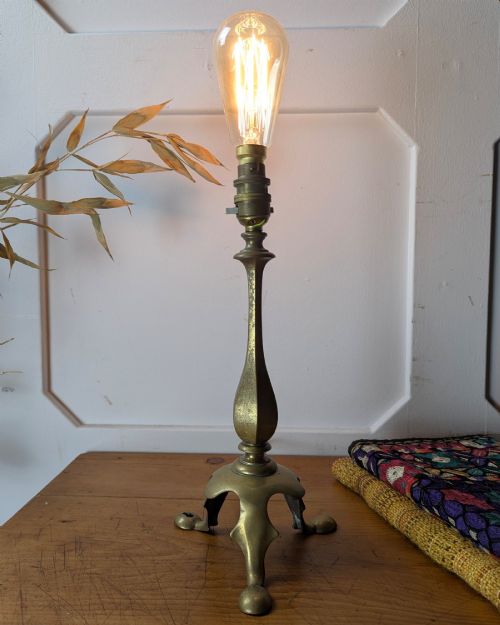
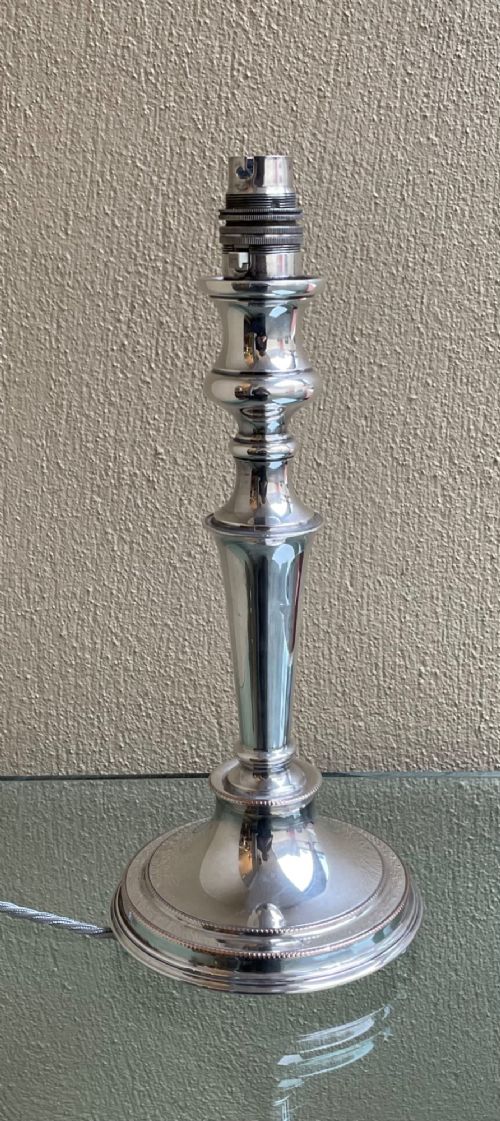
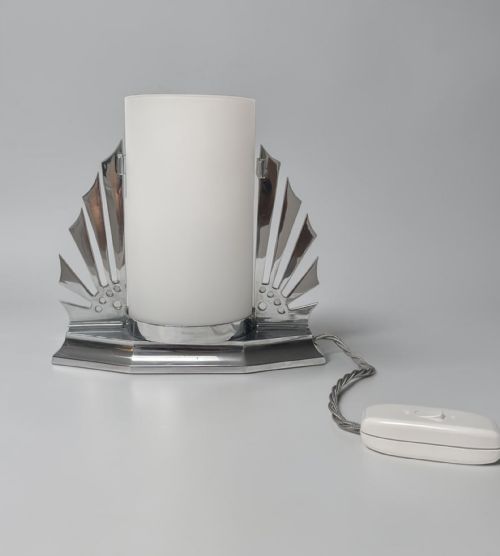
The selection on this page leans toward table lamps from the Edwardian period and the 1920s, alongside nineteenth-century gilt bronze and marble designs. Forms range from simple brass baluster shapes to figural Art Deco novelties and Chinoiserie lacquer models.
How they were made
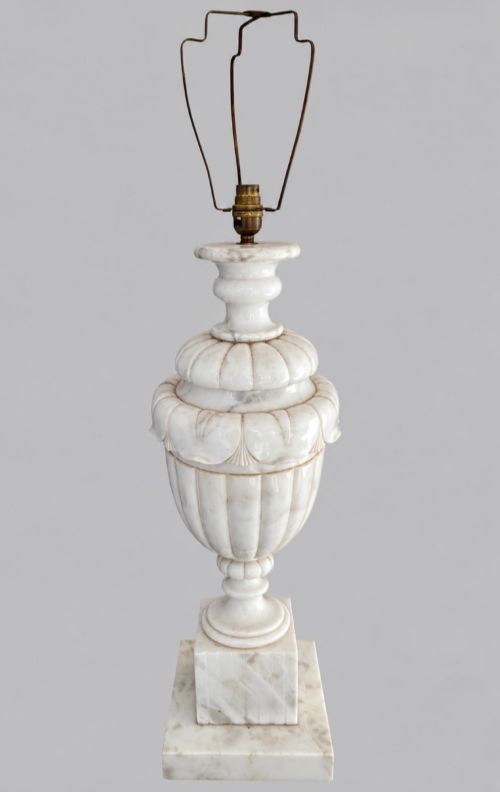
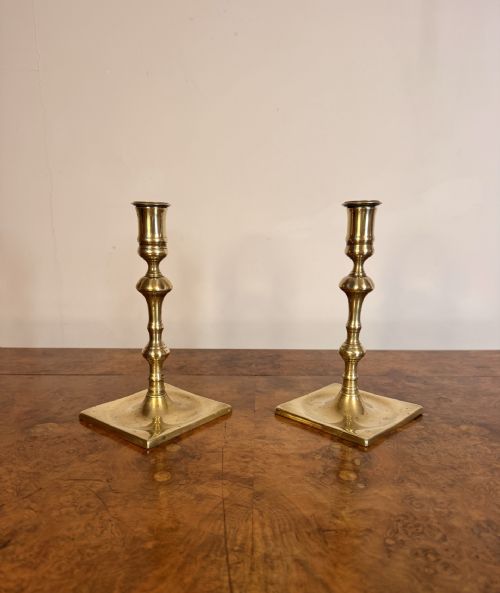
Metalwork dominates the construction, utilising cast brass, patinated bronze, and ormolu often paired with carved marble, onyx, and alabaster bases. Artisans shaped these heavy materials to support electrical fittings adapted later or created as part of early lighting technology.
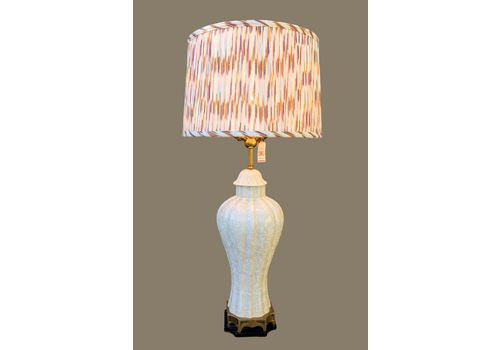
Glass and ceramic components appear frequently, including opaline shades, crystal prisms, turquoise porcelain, and hand-painted lacquer finishes. Wood elements such as oak and sycamore also feature in specific lamp bodies and supporting frames.
Antique Accent Lighting Retail Price Guide 2026
Typical asking prices for accent lighting among the pieces listed under this phrase on Sellingantiques today, from the lower quarter to the upper quarter. They describe what is for sale here now, not the wider market.
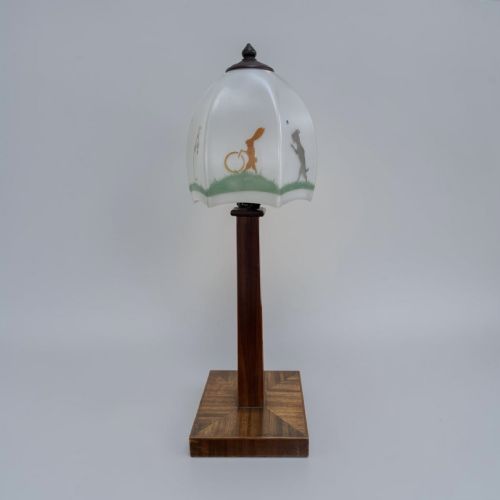
Canines and parrots take centre stage in French novelty lighting from the nineteen-thirties.
What varies in quality
Quality rests in the crispness of the casting detail on bronze and gilt metal mounts, and the depth of hand-painted or lacquered surface decoration. Heavier stone bases and substantial gauge brass indicate superior original manufacture.
The integrity of combined mediums, such as fitted porcelain urns with ormolu mounts or glass shades paired with wrought iron, determines the visual success of the piece.
Royal Worcester·G. Amodio Naples
The Antique Accent Lighting Glossary
- Ormolu
- Gilt bronze ornamentation applied to furniture and lighting bases. This technique was widely utilised in nineteenth-century French manufacture.
- Champlevé
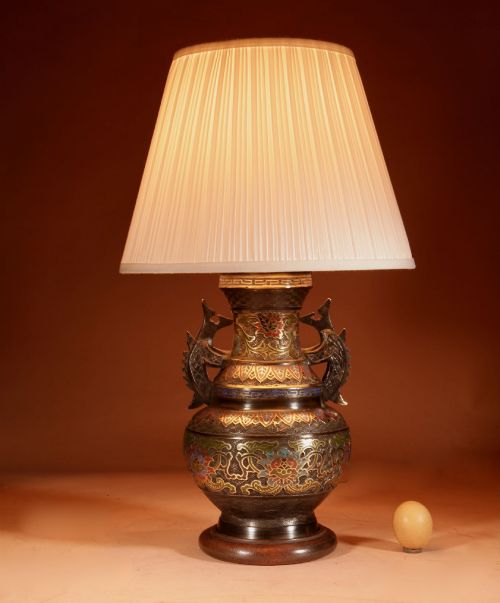
- An enamelling technique where troughs are dug into a metal surface and filled with vitreous colour before firing. It appears on decorative bronze lamp bodies from the early twentieth century.
- Opaline glass
- A pale, translucent glass popular in twentieth-century lighting shades. It diffuses light evenly across a room.
- Fiddleback sycamore
- A figured timber showing a wavy grain pattern that reflects light. This material appears on eighteenth-century furniture pieces listed alongside lighting.
Antique Accent Lighting: Frequently Asked Questions
How do I wire an antique lamp?
Most antique lamps require rewiring by a qualified electrician to meet modern safety standards while preserving the original metal or ceramic body.
Original brass and bronze conduits can often accommodate modern flex without altering the external appearance of the piece.
What periods do these lamps cover?
The lighting selections span from eighteenth-century brass candlesticks to Art Deco pieces from the 1920s and 1930s.
Nineteenth-century Grand Tour bronzes and Victorian marble combinations also feature prominently in the available inventory.
How do I clean bronze mounts?
Dust bronze and gilt metal components gently with a dry soft cloth to protect the patination and original surface gilding.
Avoid chemical polishes that can strip away historic finishes and diminish the character of the metal.
Can I mix different lighting styles?
Combining contrasting periods, such as placing an Edwardian brass table lamp near a later Art Deco piece, adds visual depth to a room.
Matching materials like marble or patinated brass across different objects helps unify the overall scheme.