
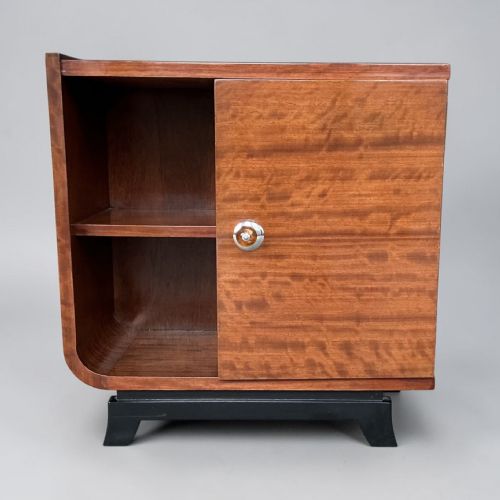
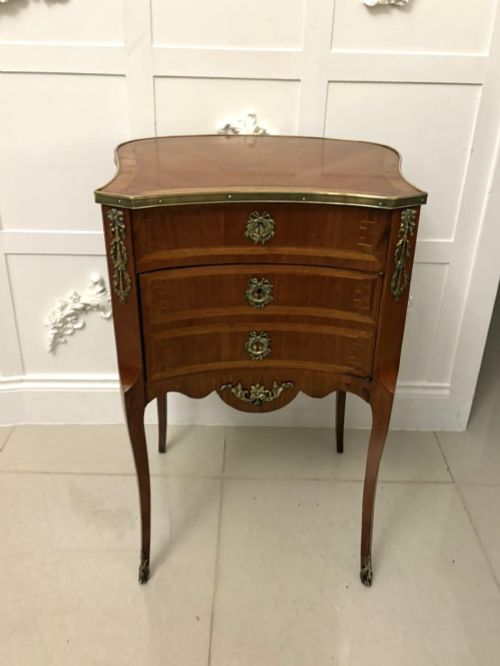
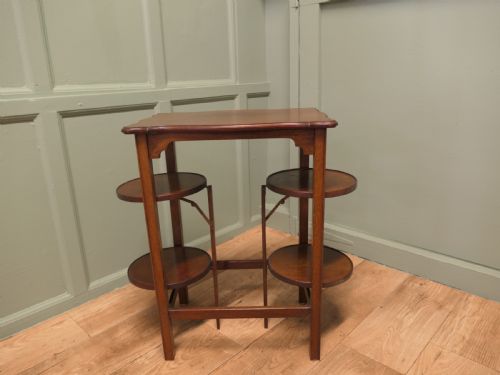
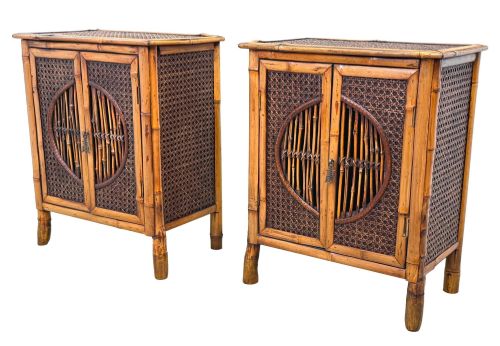
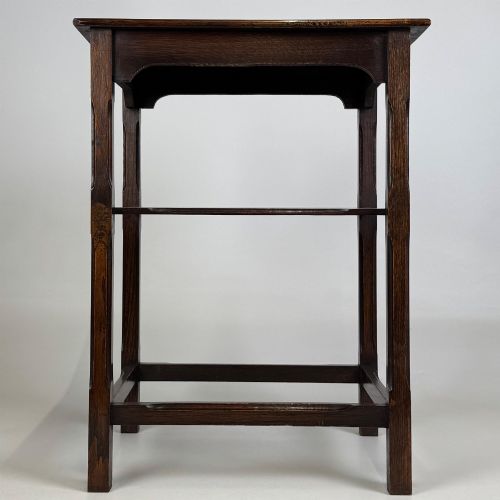
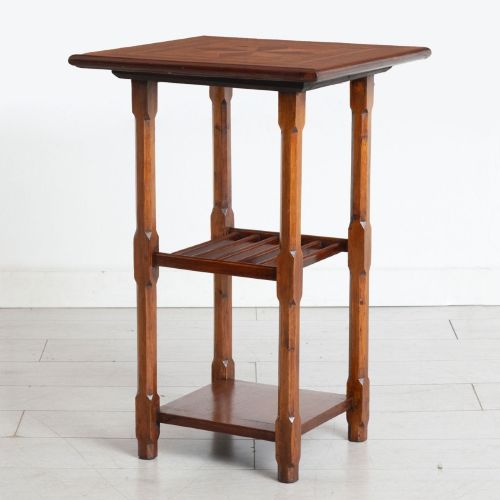
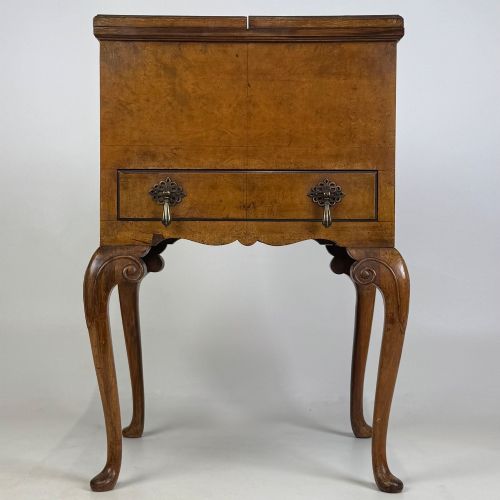
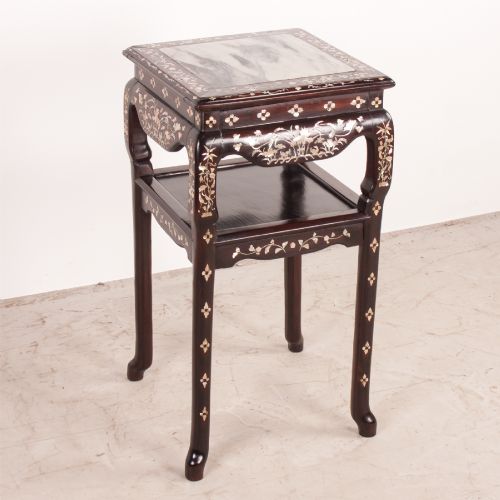
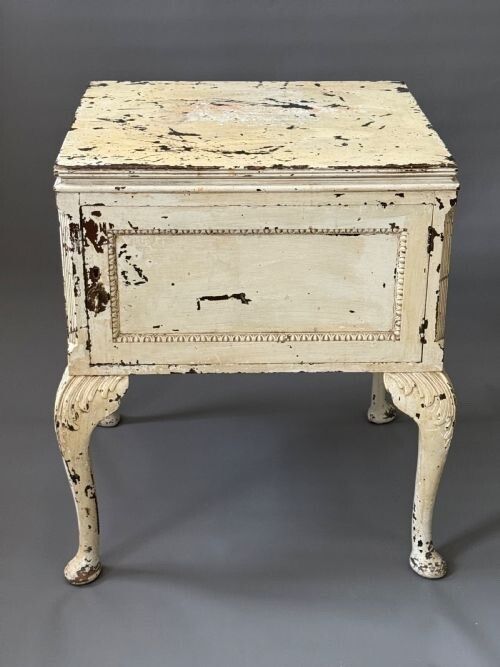
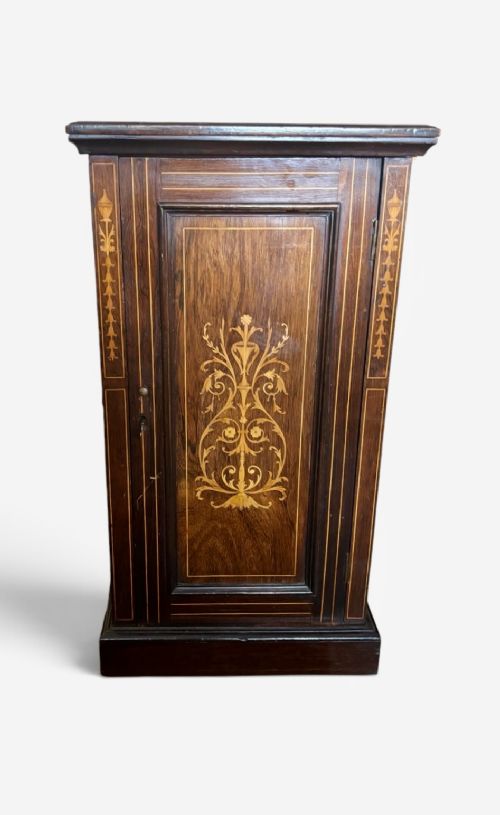
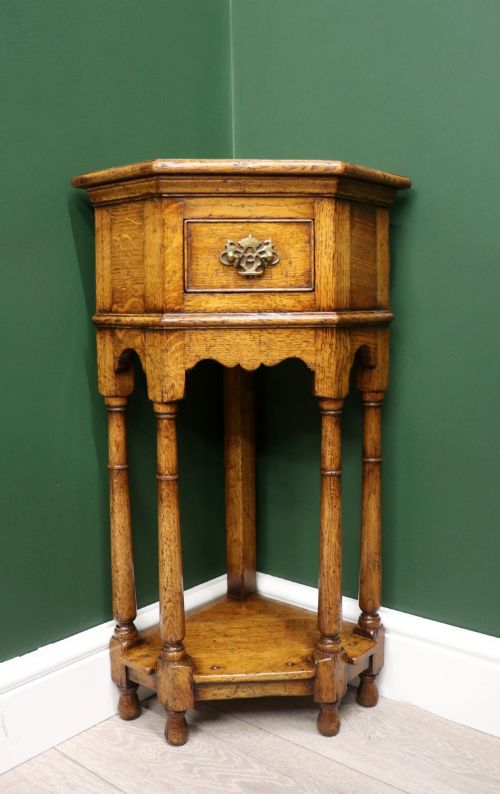
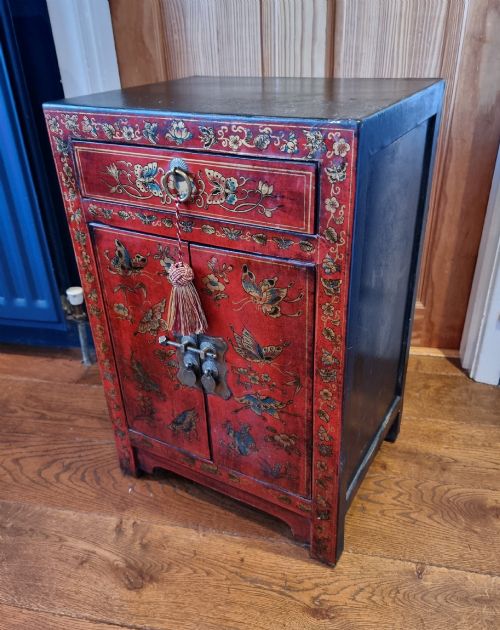
Antique Accent Cabinet
An antique accent cabinet brings practical surface space and distinct period character to a room through varied timber and decorative finishes.
Antique Accent Cabinet
When searching for an antique accent cabinet, buyers encounter a diverse selection of smaller functional storage pieces, including side cabinets, bedside tables, lamp tables, and small cupboards.
The pieces on this page span the nineteenth and early twentieth centuries, encompassing Victorian, Edwardian, Arts and Crafts, Art Deco, and French continental styles.
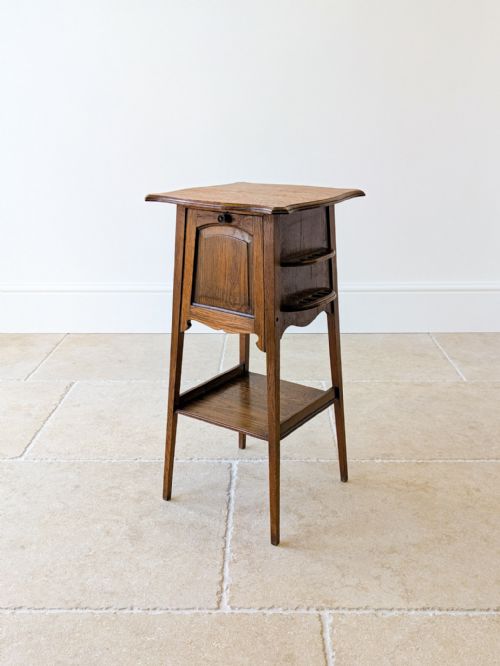
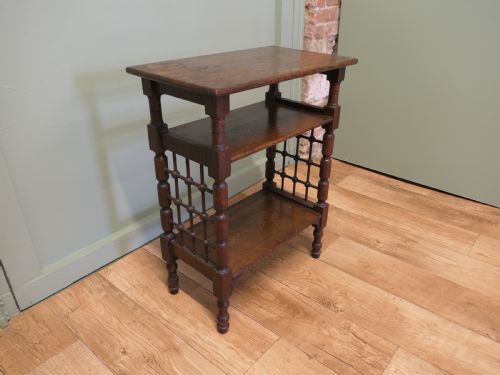
The most common forms are compact tables and cupboards designed to fit snugly into corners or alongside seating, offering utilitarian surface areas combined with enclosed storage.
Materials and construction
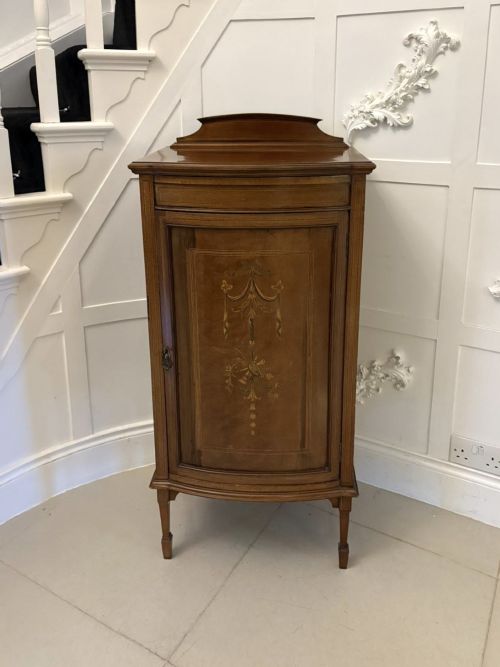
Cabinet makers utilised a range of dense hardwoods such as mahogany, oak, walnut, rosewood, and satinwood, often enhanced with marquetry, mother of pearl inlay, or hand-painted finishes.
Many continental and vernacular examples incorporate brass, gilt bronze, marble tops, and specialised lacquer work like Chinoiserie to achieve decorative impact on a small scale.
Joinery methods reflect the period of origin, from solid nineteenth-century oak construction to lighter early twentieth-century frames utilising veneered panels.
Listings feature oak, mahogany, and walnut as the primary structural timbers, alongside decorative marquetry and hand-painted finishes.
Judging the execution
Quality rests upon the crispness of carved details, the precision of marquetry inlay, and the structural integrity of the timber joints under everyday use.
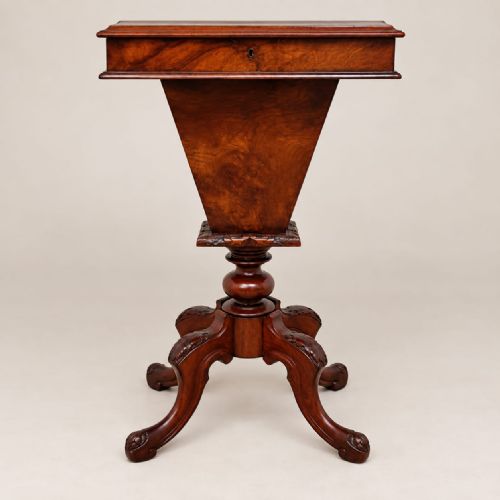
Superior examples display balanced proportions, select burr or figured wood veneers, and original surface patination rather than later refinishing.
Leonard Wyburd·Bath Cabinet Makers·Gabriel Viardot·E W Godwin
The Antique Accent Cabinet Glossary
- Marquetry
- Decorative patterns formed by inserting small pieces of wood, veneer, or shell into a fitted wooden surface. This technique creates complex pictorial or geometric designs on cabinet doors and tabletops.
- Cabriole leg
- A furniture leg that curves outward at the knee and tapers inward toward the foot, inspired by animal limbs. It is frequently seen on eighteenth-century revival pieces from the Victorian and Edwardian eras.
- Chinoiserie
- European decorative art imitating Chinese artistic styles, typically featuring painted or lacquered motifs of figures, landscapes, and pagodas. It appears on storage cupboards and cabinets from the early twentieth century.
- Vernis Martin
- A simulated Japanese lacquer technique developed in France, using multiple translucent coats of varnish. It decorates high-end continental commodes and small cabinets.
- Aesthetic Movement
- A late nineteenth-century design style emphasising art for art's sake, often incorporating Japanese influences and simple geometric forms into furniture.
Antique Accent Cabinet: Frequently Asked Questions
What is an accent cabinet?
An accent cabinet is a small, freestanding piece of furniture designed to provide both display space and concealed storage while adding a distinct decorative element to an interior.
These pieces typically include bedside cupboards, small side cabinets, and occasional tables with lower storage compartments.
How do I date an accent cabinet?
Dating relies on examining the timber species, construction methods, hardware, and stylistic motifs present on the piece. Comparing the cabinet to documented examples from periods like the Edwardian era or Victorian era provides a reliable guide.
Secondary woods used inside drawers and back panels also offer strong clues regarding the geographic origin and decade of manufacture.
How do I integrate one into a modern room?
A period accent cabinet works well alongside contemporary furnishings by introducing natural warmth, texture, and historical contrast to a neutral space.
Use the surface for lamps or plants while utilising the internal cupboard space to keep modern clutter out of sight.
What woods were commonly used?
Cabinet makers predominantly utilised durable hardwoods including mahogany, oak, and walnut, often selecting figured veneers for visual depth.
Exotic woods such as rosewood, satinwood, and kingwood appeared on high-status decorative pieces alongside painted finishes and lacquer.