



Antique Acanthus Mirror
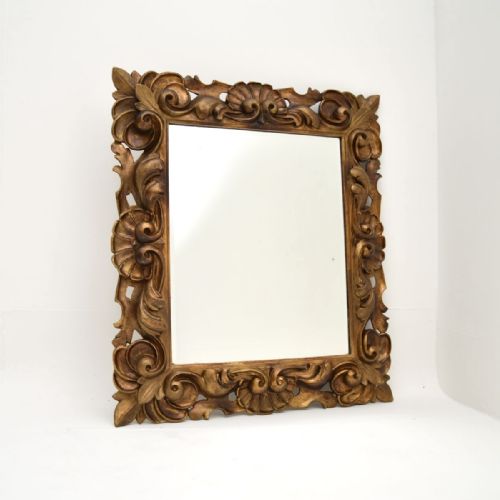
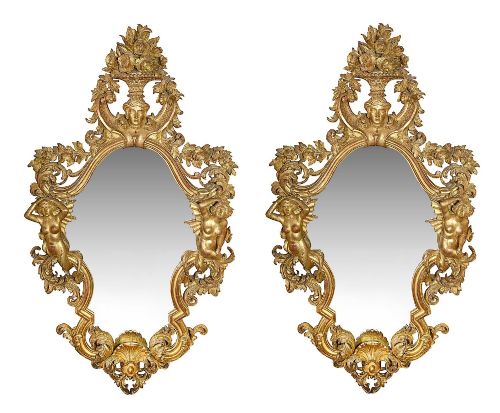
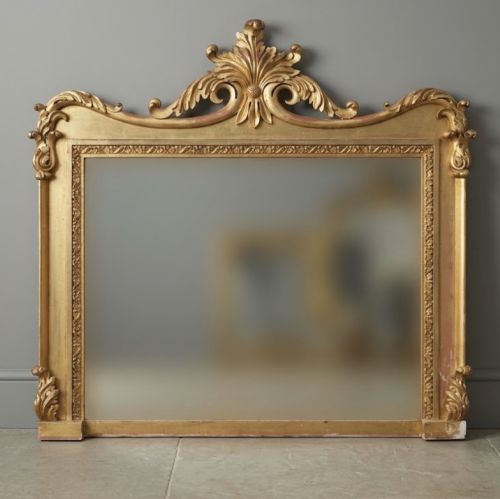
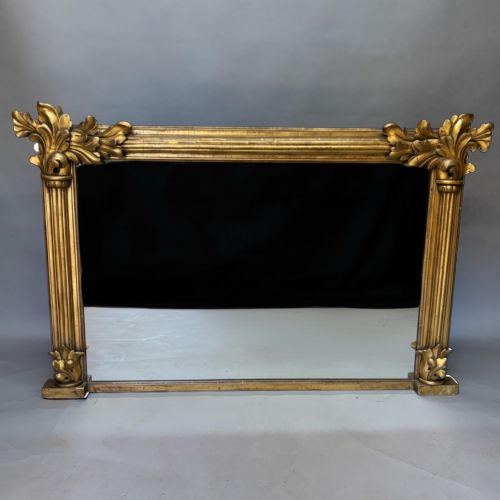
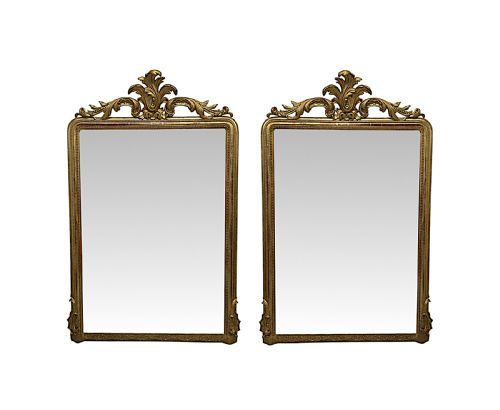
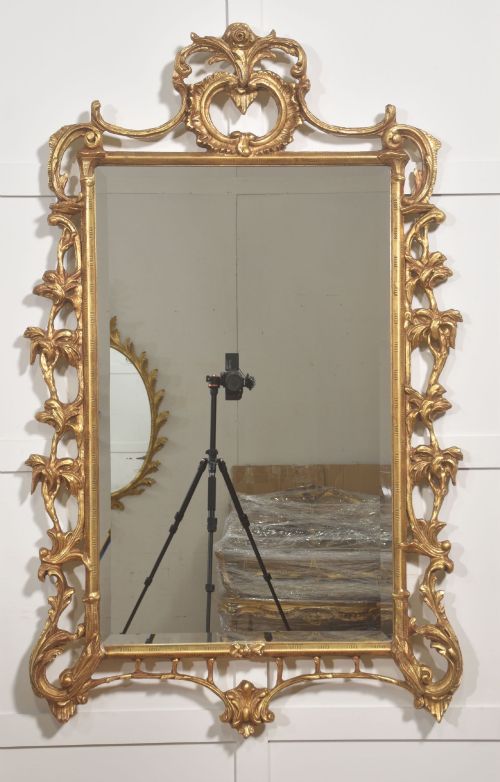
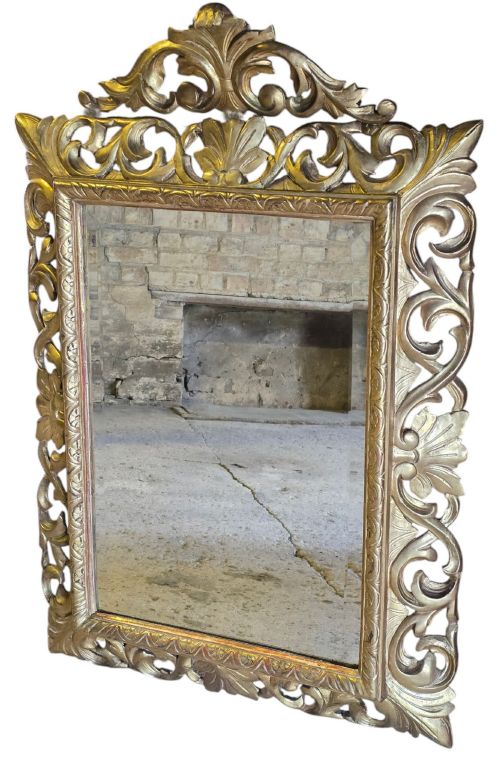
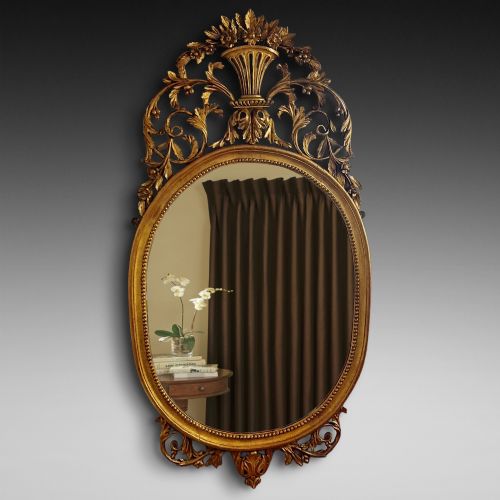
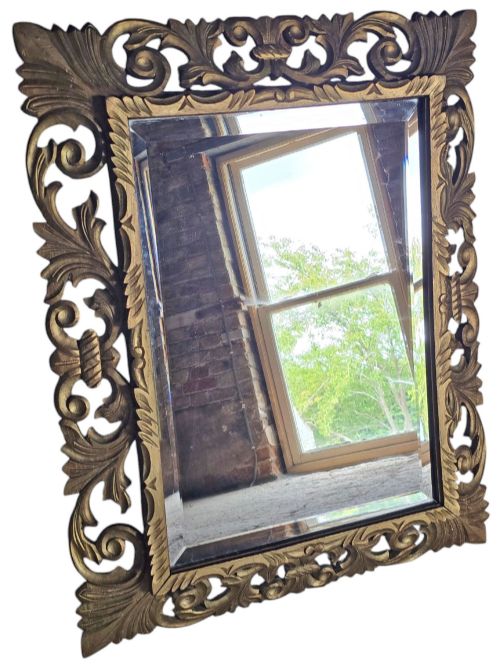
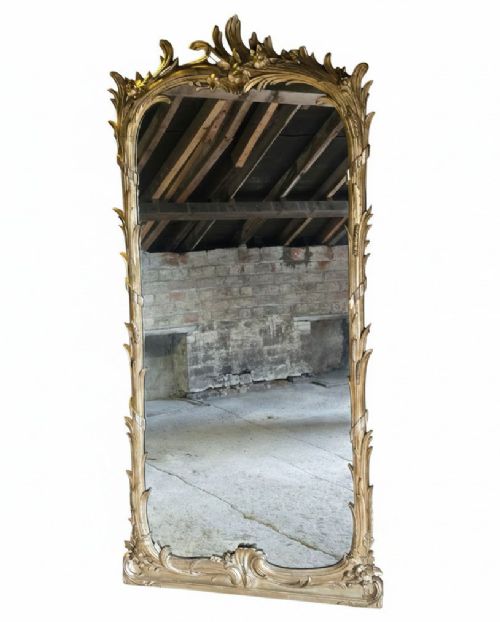
An antique acanthus mirror brings carved classical foliage into a room, framed in gleaming giltwood and gesso to catch the light.
Antique Acanthus Mirror
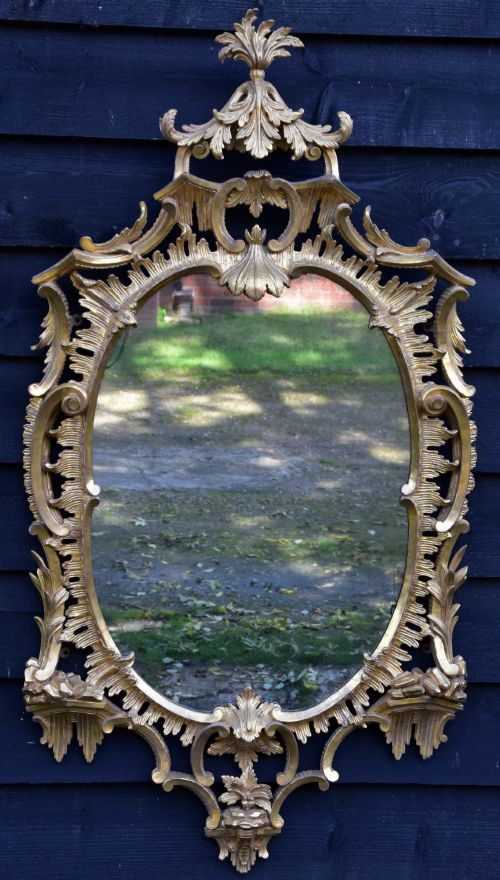
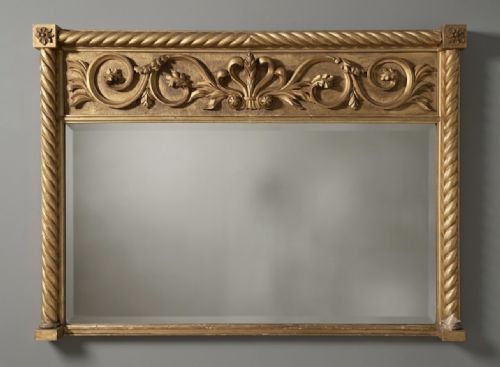
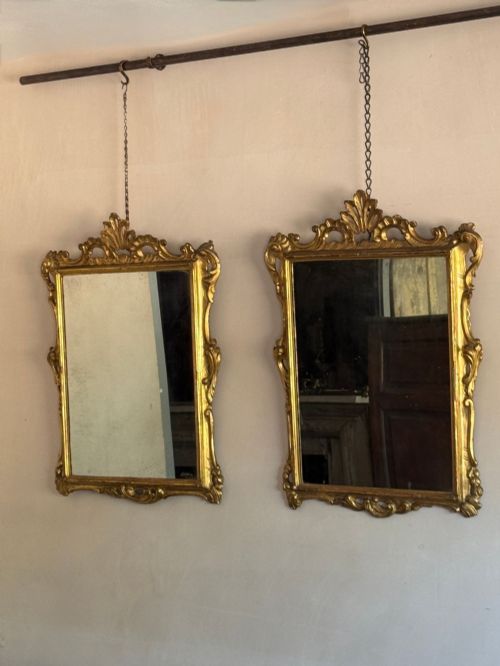
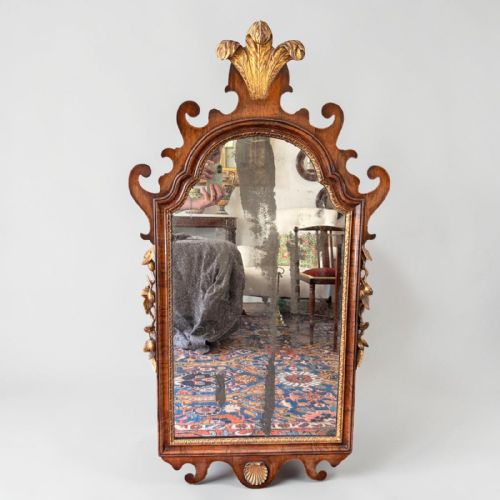
When searching for an antique acanthus mirror, buyers encounter wall mirrors, overmantel mirrors, and picture frames spanning the eighteenth, nineteenth, and early twentieth centuries. The listings show a strong presence of large overmantel mirrors and decorative wall pieces alongside smaller table mirrors and girandoles.
The dominant aesthetic draws heavily on Rococo Revival, Florentine, and Georgian styles, reflecting the enduring popularity of ornate, naturalistic leaf carving. Pieces range from grand architectural statements designed for nineteenth-century reception rooms to refined eighteenth-century oval designs.
Origin points vary across English, French, and Italian workshops, with Florentine makers contributing distinct carved wood and gesso compositions. Buyers are most likely to meet nineteenth-century interpretations that emulate earlier Georgian or French rococo motifs.
Materials and Technique
Carved wood provides the structural foundation for these frames, often utilising timber such as walnut or pine before applying decorative surface layers. Skilled artisans carved intricate acanthus scrolls and C-scrolls directly into the wood substrate.
Gesso, a mixture of plaster or chalk and glue, was built up over the carved wooden base to create crisp relief details that wood alone could not hold. Gold leaf or composition leaf was then applied over the gesso ground to achieve a brilliant metallic sheen.
Mirror glass of the period often exhibits subtle imperfections, foxing, or bevelled edges set within the overarching frame. Surface finishes also incorporate silver leaf alongside gold, depending on the regional workshop tradition.
Antique Acanthus Mirror Retail Price Guide 2026
Typical asking prices for acanthus mirror among the pieces listed under this phrase on Sellingantiques today, from the lower quarter to the upper quarter. They describe what is for sale here now, not the wider market.
Listings span the eighteenth, nineteenth, and early twentieth centuries, utilising carved wood, gesso, and gold leaf across multiple European traditions.
Assessing Quality
The depth and crispness of the hand-carving dictate the distinction between masterwork frames and routine production. Sharp undulations in the acanthus leaves demonstrate superior artisan control over the gesso and wood layers.
Proportion and balance across large overmantel frames determine visual harmony, ensuring the heavy scrolling does not overpower the central mirror glass. Original gilding intact beneath subsequent patination holds more authority than clumsy later interventions.
The Antique Acanthus Mirror Glossary
- Giltwood
- Wood that has been coated with gold leaf or metal leaf over a prepared gesso ground. This finish defines the reflective warmth characteristic of these decorative frames.
- Gesso
- A plaster-based medium applied to wood and sculpted or moulded before gilding. It allows for sharp, intricate relief work such as scrolling acanthus leaves.
- Overmantel mirror
- A large mirror specifically proportioned to hang above a fireplace mantelpiece. They frequently feature arched tops and substantial decorative framing.
- Rococo revival
- A nineteenth-century design movement resurrecting the asymmetrical scrolls, shell motifs, and exuberant foliage of the mid-eighteenth century. It heavily influences many nineteenth-century mirror frames.
- Girandole
- A decorative wall mirror fitted with attached candle sconces to reflect illumination into the room. These functional additions enhance the visual drama of the carved frame.
Antique Acanthus Mirror: Frequently Asked Questions
What is an acanthus mirror?
An antique acanthus mirror is a decorative looking glass featuring carved ornamentation modeled after the Mediterranean acanthus plant. The foliage appears in scrolling relief along the wooden or gesso frame.
These pieces range from intimate table mirrors to massive overmantel formats designed for formal drawing rooms. The leaf motifs provide a classical botanical border that ties ornate interior schemes together.
Where were these mirrors placed?
Historically, large overmantel mirrors hung directly above fireplace surrounds to bounce natural light and candle glow around dark rooms. Pier mirrors occupied the wall space between tall windows.
Smaller wall and table mirrors found utility in bedrooms, hallways, and private chambers. Their reflective qualities were essential before reliable electric lighting transformed interior illumination.
How do I date a giltwood mirror?
Dating relies on examining the construction methods of the wooden frame, the composition of the gesso, and the silvering behind the glass. Eighteenth-century examples often feature distinct joinery and hand-wrought iron hardware.
Later Victorian and revival pieces utilise machine-sawn timber and different preparation layers beneath the gilding. Stylistic cues like the presence of Rococo Revival asymmetry or Florentine carving help narrow the decade of origin.
How do I care for antique gilding?
Antique giltwood requires gentle maintenance using a dry, soft brush to remove dust from intricate carvings. Moisture and modern chemical cleaners will strip or damage the delicate gold leaf and gesso ground.
Keep these mirrors away from direct sunlight and damp environments to prevent the wood from warping and the gesso from cracking. Stable indoor humidity preserves the structural integrity of the carved surface.