
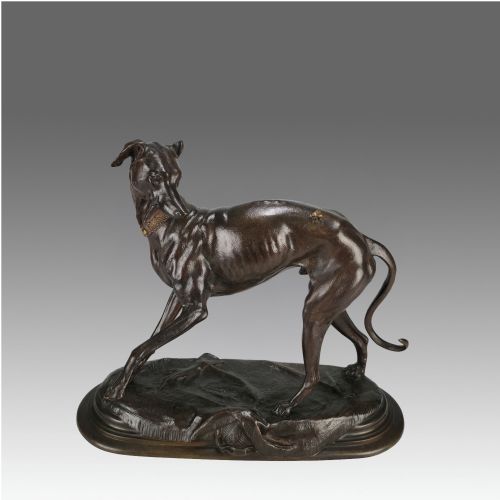
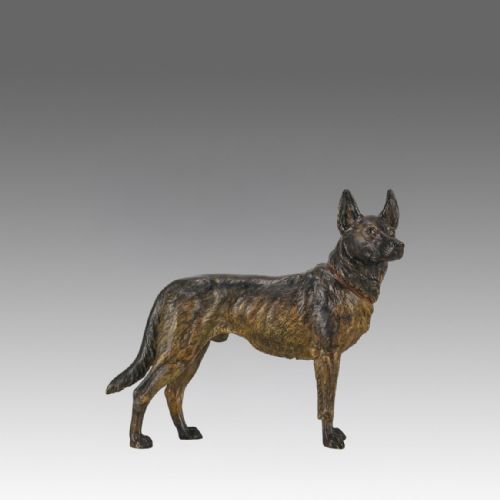
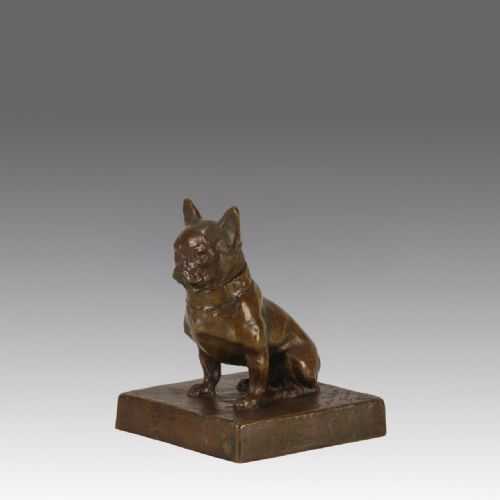
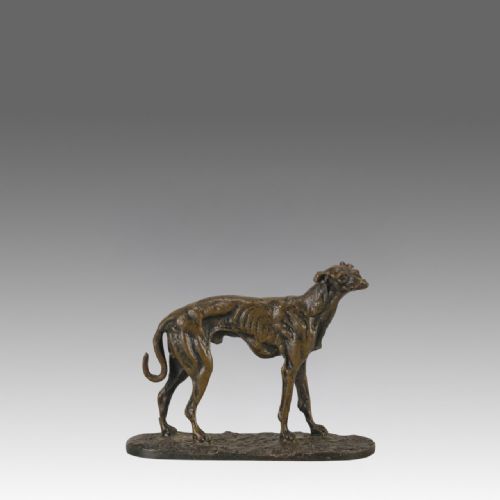
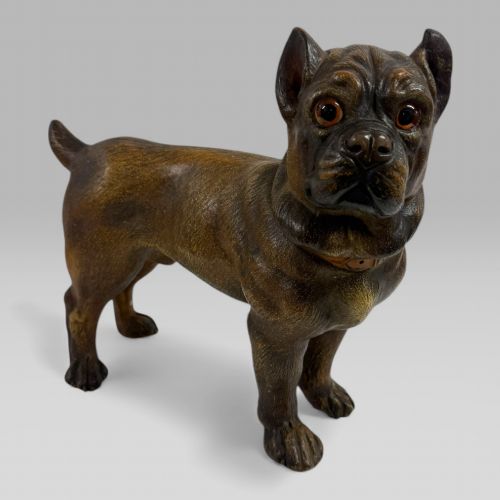


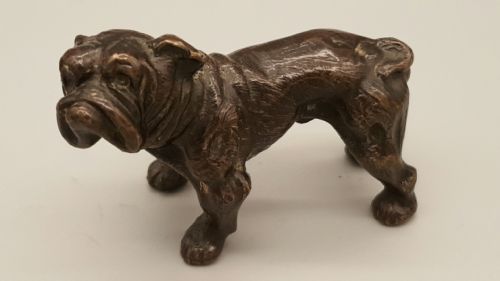


Animalier Dog Statue
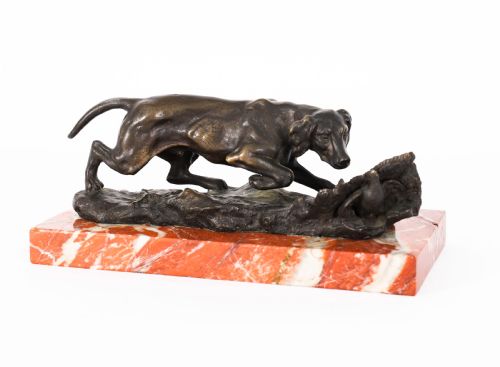
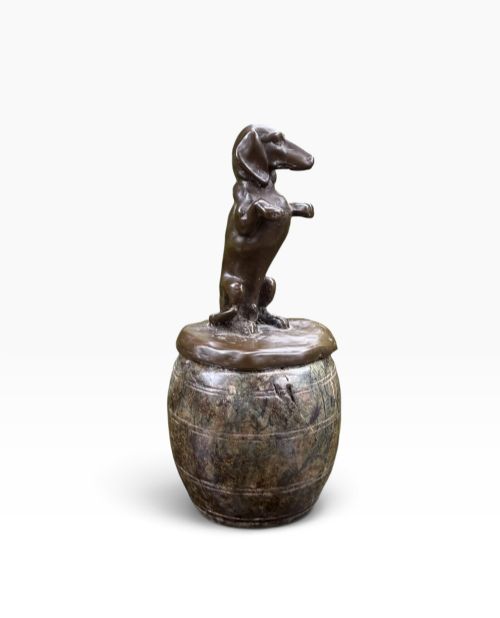
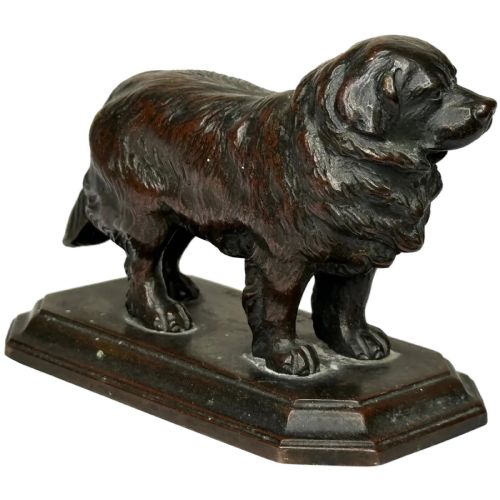
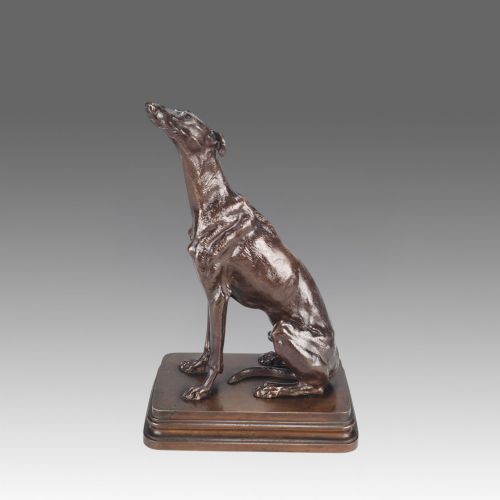
An animalier dog statue captures the muscular tension and posture of hounds, gun dogs and companions in bronze or terracotta.
Animalier Dog Statue
An animalier dog statue depicts specific breeds like greyhounds, terriers, pugs and setters with careful attention to canine anatomy. These figures capture animals in motion, from hunting dogs flushing game to resting hounds and playful pups.
The pieces on this page span the nineteenth century, the Victorian era and the early twentieth century, including Art Deco interpretations. French animalier bronzes alongside Austrian cold-painted works and cast iron sculptures form the core of this selection.
How they were made
Foundries produced these sculptures predominantly in bronze, utilising the lost-wax casting method to preserve fine detail in muscle and fur. Alternative materials appear in the evidence, including terracotta, cast iron, glass, and spelter.
Surface finishes range from a dark patinated bronze to cold-painted polychrome colours and gilt treatments. Many metal figures are mounted on integral or separate marble bases to give stability and weight.
Listings feature works from the nineteenth century through the Art Deco period, rendered in bronze, terracotta, and cast iron.
What varies in quality
The reputation of the sculptor and the standing of the foundry dictate the distinction of a piece. Signed works by noted animalier sculptors display superior anatomical observation compared to unsigned commercial editions.
Carl Kauba·Alfred Dubucand·Alfred Barye·Franz Bergman·Dora Heber·P J Mêne·Prosper Lecourtier·Jules Moigniez·Delabrierre·Antoine Louis Barye·Louis Riche·Edith Parsons·Auguste Nicholas Cain·Karl Hagenaur·Arthur Waagen·P.de Soete·Christophe Fratin·Joseph Francois Victor Chemin
The Animalier Dog Statue Glossary
- Animalier
- A nineteenth-century artistic movement focused on the realistic depiction of animals. Sculptors in this tradition studied live specimens in menageries and kennels to capture authentic movement.
- Cold-painted bronze
- A technique where bronze figures receive polychrome paint layers without undergoing high-temperature firing. This method is particularly associated with Austrian workshops producing small decorative models.
- Patina
- The surface coloration and sheen developed on bronze over time or applied chemically by the foundry. A rich patina accentuates the musculature and contours of the animal.
- Spelter
- An alloy of zinc and lead used as an affordable substitute for bronze, especially during the Art Deco period. It accepts metallic paints and patinas to mimic more costly metals.
Animalier Dog Statue: Frequently Asked Questions
What is an animalier dog statue?
An animalier dog statue is a realistic sculptural representation of a canine subject, created primarily during the nineteenth and early twentieth centuries. These pieces focus on naturalistic poses, whether the dog is resting, hunting, or standing alert.
Artists aimed for anatomical accuracy, rendering the musculature, coat texture, and distinct characteristics of breeds like greyhounds, terriers, and setters with precision.
Where were these sculptures made?
The majority of these bronze and terracotta sculptures originated in France, where the animalier school flourished through the nineteenth century. Other notable pieces emerged from Austrian workshops, particularly those specialising in small cold-painted bronzes.
Foundries across Europe cast these works for domestic display as mantel ornaments, paperweights, and cabinet figures.
How should I display my sculpture?
Display your statue on a stable, level surface away from direct sunlight and damp conditions. Many bronzes feature heavy marble bases that provide natural stability, while others stand directly on wooden furniture.
Keep the metal clean by dusting gently with a dry, soft brush to protect the patina or paintwork from accumulation.