


Anglo Japanese Ebonised Tables
These anglo japanese ebonised tables bring together nineteenth century dark finishes and clean structural lines for the home.
Anglo Japanese Ebonised Tables
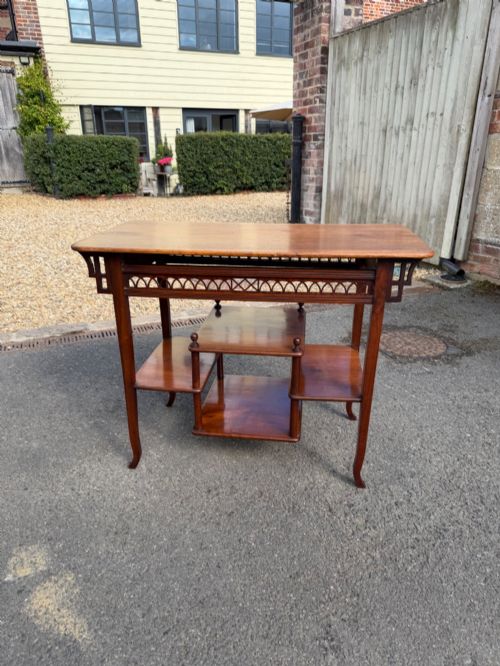
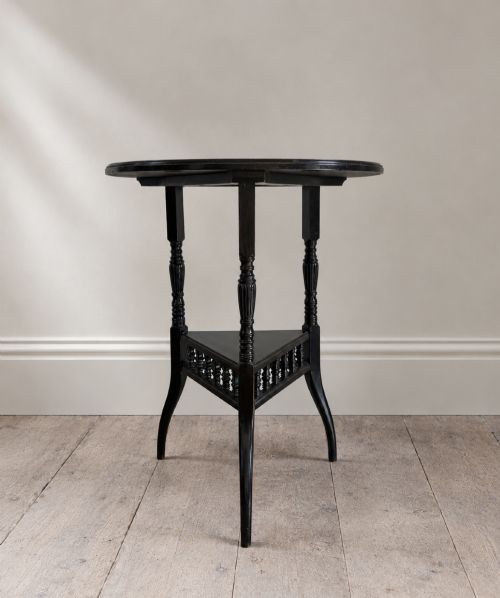
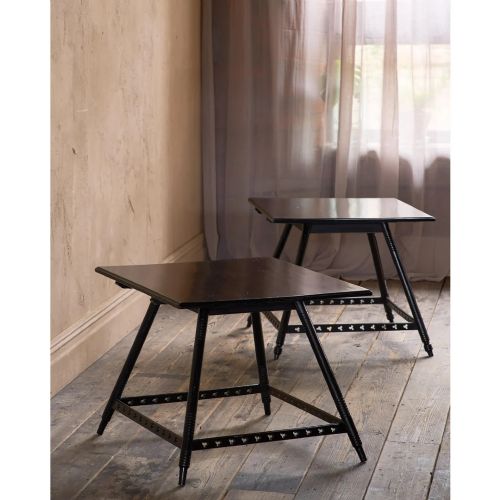
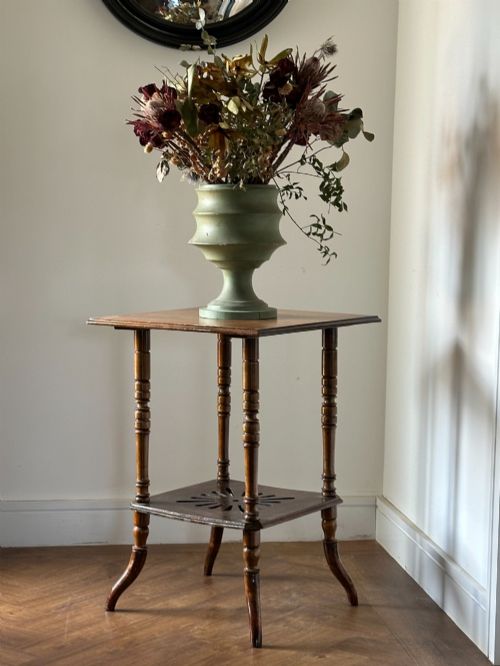
When you search for anglo japanese ebonised tables, you encounter pieces rooted in the aesthetic movement and arts and crafts design. These forms range from side tables and occasional tables to large centre tables and card tables, alongside plant stands and desks.
You are most likely to meet ebonised wood and ebonised hardwood examples dating from the nineteenth century, particularly the eighteen eighties. These designs often reflect the distinct architectural style associated with E.W. Godwin.
The selection also includes related items such as carved hardwood plant stands and bonheur du jour desks from the victorian period. Each piece demonstrates the cross cultural dialogue between British craftsmanship and Japanese aesthetic principles.
Materials and construction
The makers utilised ebonised wood, ebonised hardwood, walnut, mahogany, and stained beech to achieve a dense, dark finish that emulated exotic Japanese timbers. Structural components were frequently complemented by brass hardware and detailed hand carving.
Construction techniques followed the principles of the arts and crafts movement, prioritising visible structural joinery and clean geometric proportions. Surface treatments relied on deep staining and polishing to create the signature ebonised appearance characteristic of the aesthetic period.
The listings span the nineteenth and twentieth centuries, including pieces marked by Liberty alongside Victorian examples in walnut, mahogany, and ebonised hardwood.
What separates the finest examples
Quality rests upon the crispness of the ebonised finish and the integrity of the underlying hardwood. Superior pieces maintain their original surface depth without excessive refinishing masking the grain.
Design attribution and maker provenance elevate certain items significantly, particularly those associated with Liberty and Co. or reflecting the precise linear discipline of E.W. Godwin. The sophistication of the joinery and the restraint of the decorative carving distinguish standard production from exceptional work.
Liberty of London·Liberty and Co.
The Anglo Japanese Ebonised Tables Glossary
- Ebonised wood
- Timber treated with stain or dye to simulate expensive ebony. This dark finish defined much of nineteenth century aesthetic furniture.
- Aesthetic movement
- A late nineteenth century design current that emphasised art for art's sake and Japanese artistic influence. It shaped the creation of these tables.
- Occasional table
- A small, movable table designed for a specific, intermittent purpose rather than permanent placement. These are common forms within this aesthetic.
- Bonheur du jour
- A small ladies writing desk featuring a tiered superstructure above the writing surface. This form appears within the broader Victorian material here.
Anglo Japanese Ebonised Tables: Frequently Asked Questions
What defines an anglo japanese ebonised table?
These tables combine dark ebonised wooden surfaces with structural influences drawn from Japanese design traditions. They emerged during the nineteenth century aesthetic movement.
You will find forms ranging from simple side tables to octagonal centre tables and card tables, all sharing a distinct linear focus.
How do I care for ebonised wood?
Ebonised surfaces require gentle dusting with a dry microfibre cloth to prevent the accumulation of abrasive particles. Avoid placing them in direct sunlight or near heat sources to protect the dark finish.
Applying a suitable wax polish occasionally helps maintain the lustre of the wood without building up heavy residues.
Are these tables sturdy enough for daily use?
Most occasional and side tables were built to support everyday objects like books or lamps during the victorian era. Their solid hardwood construction provides reliable stability for modern domestic environments.
Heavier pieces like centre tables and desks offer substantial surfaces suited to regular functional placement in a room.