




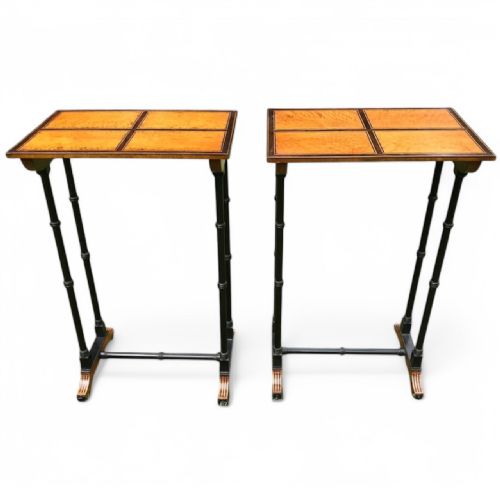


Pair of Ebonised Tables
A pair of ebonised tables brings dark elegance and symmetry to a room, spanning styles from Regency to Art Deco.
Pair of Ebonised Tables
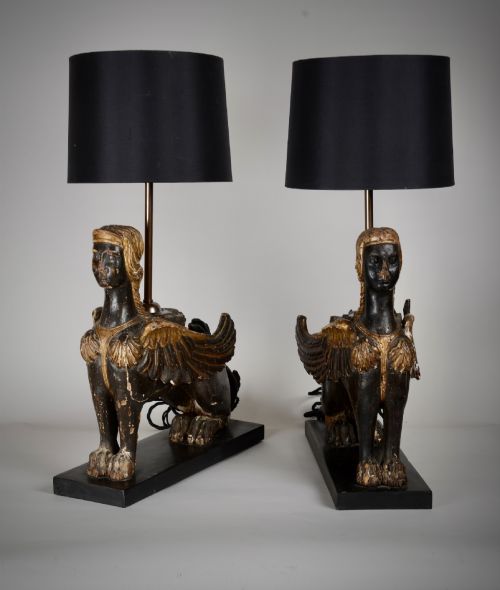
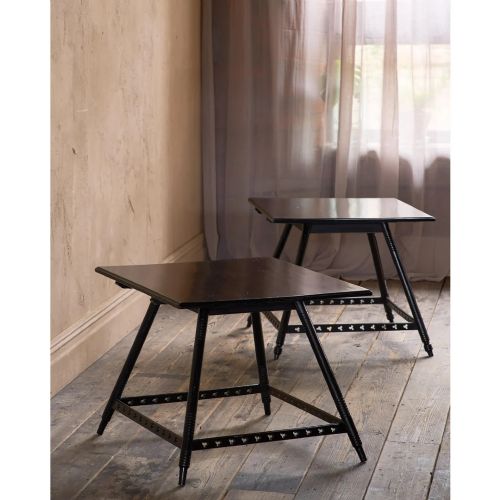
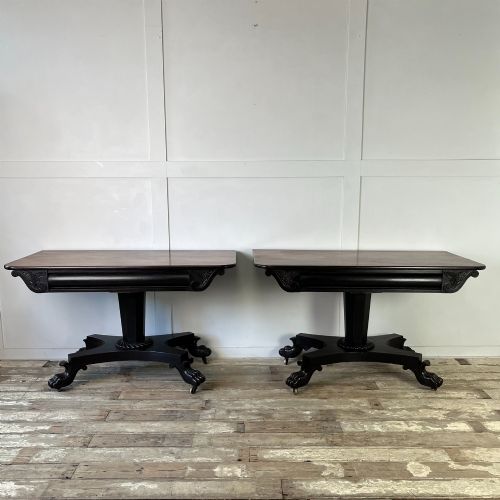
A search for a pair of ebonised tables reveals matching items finished in dark, blackened wood designed to mimic expensive ebony. The selection includes console tables, side tables, occasional tables, and bedside cabinets intended to stand symmetrically in a room.
The pieces on this page span several centuries, with the nineteenth century heavily represented alongside later iterations from the 1920s and 1930s. Buyers frequently encounter console and side tables originating from English, French, and Chinese workshops.
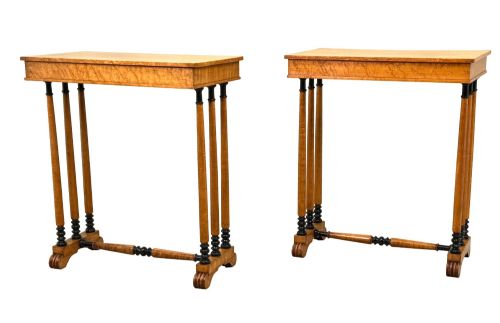
Origins range from Regency and Victorian periods through to Aesthetic Movement and Art Deco designs. Some examples incorporate contrasting tops of marble or exotic timbers like birdseye maple.
Materials and construction methods
Cabinet makers utilised secondary timbers such as hardwood, mahogany, or walnut, applying a dark stain, paint, or black lacquer finish to achieve the ebonised appearance. This technique allowed workshops to produce items resembling solid ebony at a fraction of the cost.
Many examples incorporate decorative mounts in brass or ormolu, while others feature inlaid brass, porcelain plaques, or pietra dura panels. Chinese export pieces combine ebonised hardwood frames with inset marble tops.
Some nineteenth-century tables hide folding mechanisms designed for cards, ready to transform a hallway console into an evening gaming surface.
Distinctions in craftsmanship
Quality rests in the depth and durability of the ebonised finish, alongside the crispness of carved details or the precision of brass and ormolu mounts. Superior pieces retain their original surface patination rather than suffering from heavy modern refinishing.
The integrity of the structural joinery and the selection of underlying timbers dictate longevity. Finer examples display meticulous attention to secondary details, such as marquetry inlay or the secure fit of inset marble slabs.
Liberty & Co.·Gillows·E W Godwin
The Pair of Ebonised Tables Glossary
- Ebonised
- Wood treated with stain, paint, or black lacquer to imitate the dark, dense grain of genuine ebony. This finish became particularly fashionable during the Victorian and Aesthetic periods.
- Ormolu
- Gilded bronze mounts applied to furniture for decorative effect. French workshops utilised this technique extensively during the nineteenth century.
- Console table
- A table designed to stand against a wall, frequently supported by brackets or legs at the front. These pieces often feature marble tops.
- Marquetry
- Decorative veneer applied to furniture in geometrical patterns or pictorial designs using various woods. Craftsmen cut contrasting timbers to fit precisely into a background veneer.
- Boulle
- A form of marquetry employing brass and tortoiseshell inlaid into furniture. Named after the French cabinet maker André-Charles Boulle, it appeared frequently on nineteenth-century pieces.
Pair of Ebonised Tables: Frequently Asked Questions
How do I care for ebonised wood?
Dust regularly with a soft, dry cloth to prevent surface scratching. Avoid placing the items in direct sunlight or near heat sources to protect the dark finish.
Apply a microcrystalline wax occasionally to nourish the surface and maintain the sheen. Avoid modern silicone-based polishes that can build up and dull the ebonised coating.
How do I match a pair?
Examine the proportions, turning of the legs, and overall height to ensure visual symmetry. Small variations in hand-finished items remain normal for antique furniture.
Check that the ebonised finish matches in tone and wear across both pieces. Consistent patination indicates they belong together as a matched set.
Where should I place console tables?
Console tables function effectively in entrance hallways, providing a surface for lamps or decorative objects. Their shallow depth allows them to sit against walls without obstructing walkways.
Placing them in a dining room or living room creates a balanced focal point, particularly when paired with a mirror or artwork above.