




American Art Glass
American art glass brings together luminous tones and organic forms, offering collectors distinct pieces that anchor a room with period character.
American Art Glass
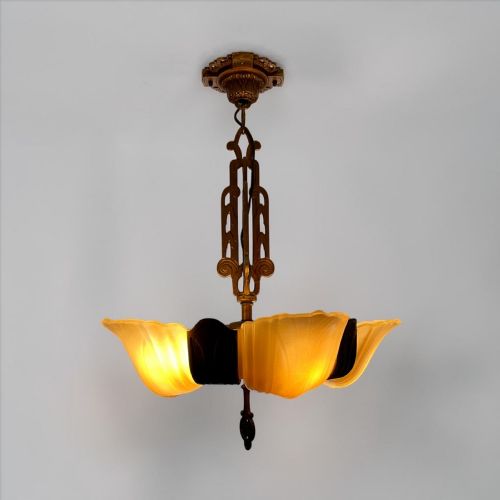
When you search for american art glass, you encounter objects spanning the nineteenth and twentieth centuries, predominantly featuring glass alongside metal and silver elements. The selection ranges from delicate perfume bottles and iridescent vases to substantial table lamps and ceiling lights.
Art Nouveau and Art Deco styles dominate the available forms, reflecting the design shifts of the period. Pieces frequently incorporate decorative metalwork, such as silver casing or bronze mounts, alongside blown or frosted glass components.
Materials and construction
Makers utilised glass as the primary medium, often shaping it into iridescent or frosted finishes that catch the light from different angles. Techniques included blown glass forms combined with metal elements like bronze, brass, and cast metal.
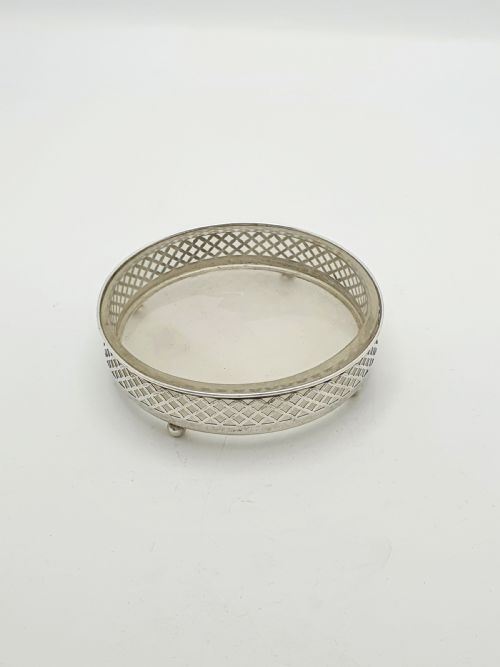
Many items integrate sterling silver mounts or encasements around the glass body, requiring precise metalwork to secure the fragile vessels. The combination of glass and metal defines the structural approach seen across lamps, vases, and perfume bottles.
American Art Glass Retail Price Guide 2026
Typical asking prices for american art glass among the pieces listed under this phrase on Sellingantiques today, from the lower quarter to the upper quarter. They describe what is for sale here now, not the wider market.
Some glass vessels secretly double as perfume atomizers, ready to mist a room with turn-of-the-century elegance.
Judging quality in the range
Quality rests in the harmony between the glass body and its metal mountings, where precise fitting distinguishes finer work from standard production. The depth of iridescence and the fluidity of the glass shape also indicate the maker's skill.
The integration of sterling silver casing or intricate bronze framing elevates certain pieces above simpler glass forms. Maker attribution further separates standard decorative items from works carrying distinct studio signatures.
The Charles Parker Company·LCT Tiffany·Alvin Corp
The American Art Glass Glossary
- Iridescent glass
- Glass treated with metallic oxides while hot to produce a rainbow-like sheen on the surface. This finish shifts in colour depending on the angle of the light.
- Favrile glass
- A type of iridescent art glass developed and patented by Louis Comfort Tiffany. The term denotes a hand-blown process where colours are embedded within the glass.
- Slip shade
- A moulded piece of glass used in twentieth-century lighting fixtures to diffuse illumination. These shades slide directly into metal frames on ceiling lights and sconces.
- Frosted glass
- Glass rendered opaque through acid-etching or sandblasting to create a matte texture. This treatment softens the light passing through lamps and shades.
American Art Glass: Frequently Asked Questions
How do I clean American art glass?
Dust glass and metal components gently with a soft, dry cloth to prevent the accumulation of dirt on delicate surfaces. Avoid abrasive cleaners or harsh chemicals that can strip iridescent finishes or damage silver encasements.
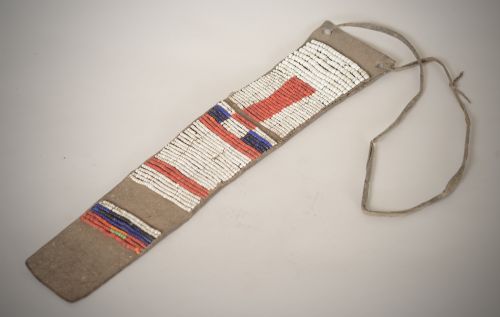
Keep pieces away from direct sunlight and damp environments to protect both the glass and any associated leather or metal mounts over time.
What styles are common in this category?
Art Nouveau and Art Deco represent the primary aesthetic movements found within this selection of glass and metalwork. Art Nouveau pieces lean towards organic, flowing lines inspired by nature.
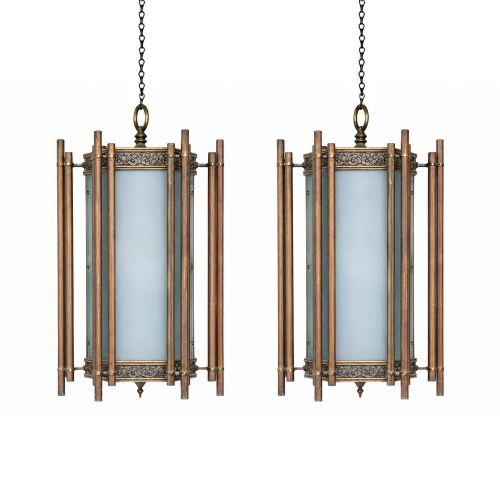
Art Deco items introduce more geometric and stylised patterns, particularly evident in ceiling lights and hanging lanterns from the early twentieth century.
How do I identify Tiffany Favrile glass?
Favrile glass typically displays a distinctive iridescent surface with deep, embedded colour tones that catch the light dynamically. Look for signatures or paper labels associated with the maker on the underside of the piece.
The glass weight and the fluidity of the lobed or blown form also offer clues to its origin in the workshop.
Where were these pieces used originally?
Table lamps, vases, and perfume bottles served decorative and functional roles in domestic interiors during the Victorian and Edwardian eras. Ceiling lights and lanterns illuminated reception rooms and hallways.
Today, these objects function well as focal points on side cabinets, side tables, or within dedicated display cabinetry.