
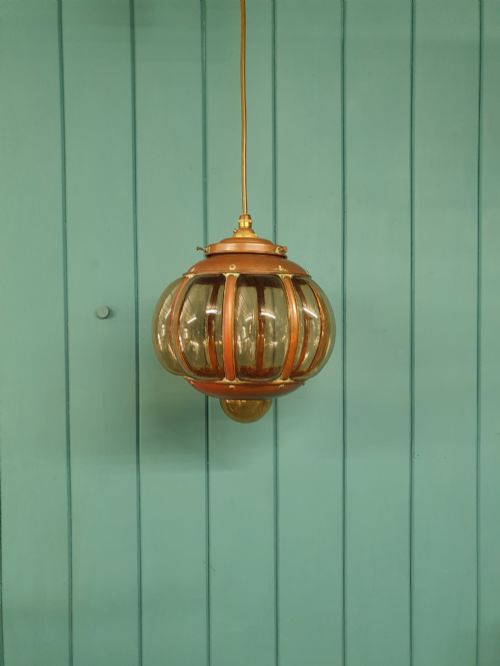
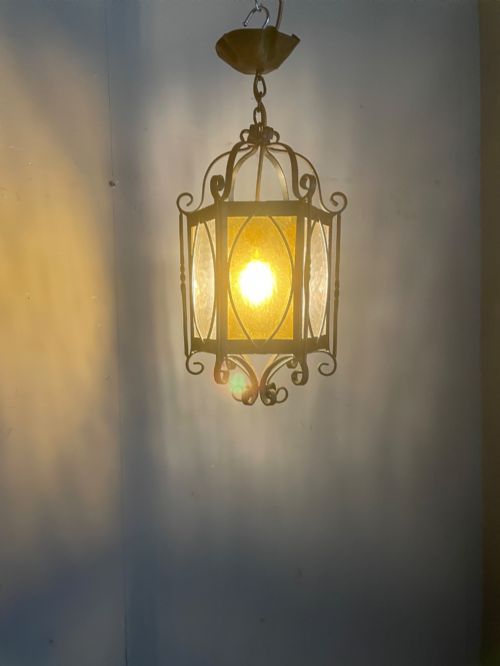


Amber Glass Pendant
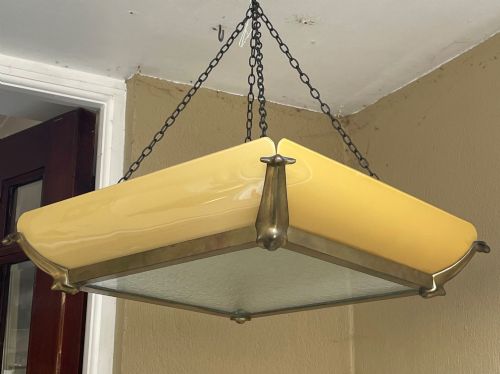
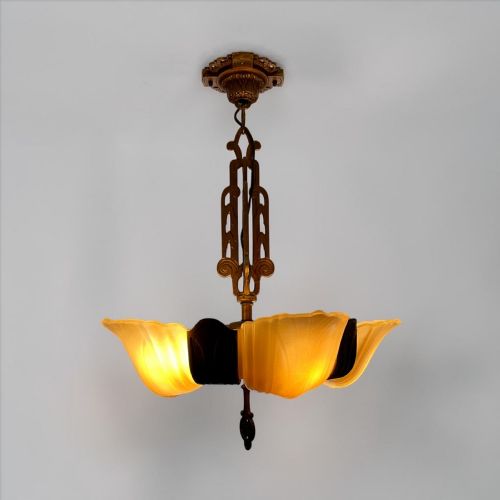
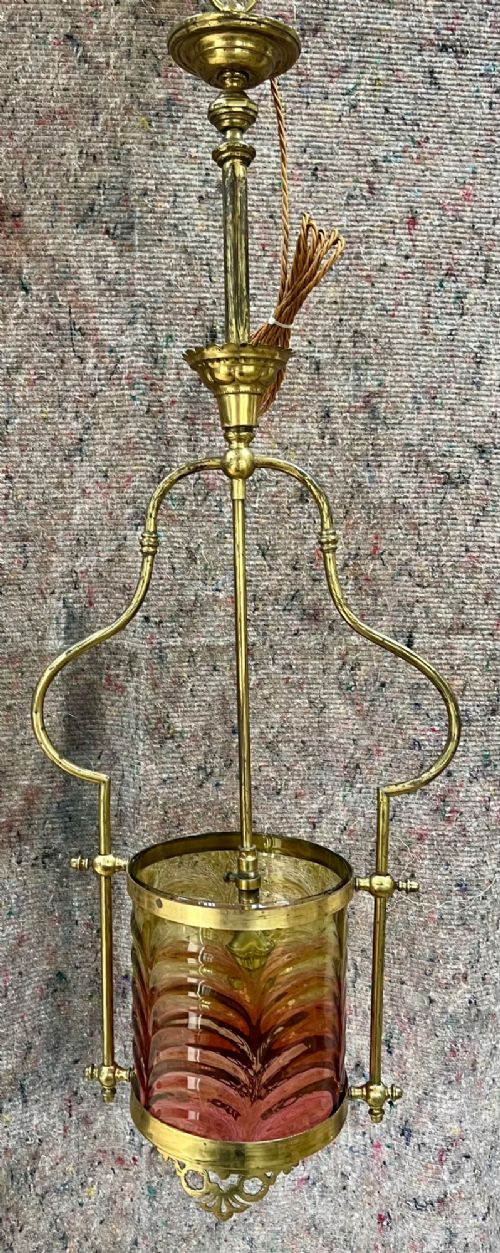
An amber glass pendant brings warm, diffused illumination to a room, drawing the eye with rich hues shaped during the early twentieth century.
Amber Glass Pendant
You are most likely to meet pieces dating from the nineteen-twenties and nineteen-thirties, often combining brass, gilt metal, or wrought iron frames with warm-toned glass components. They served originally to light hallways, bedrooms, and reception rooms, casting a rich, inviting glow through tinted or frosted panes.
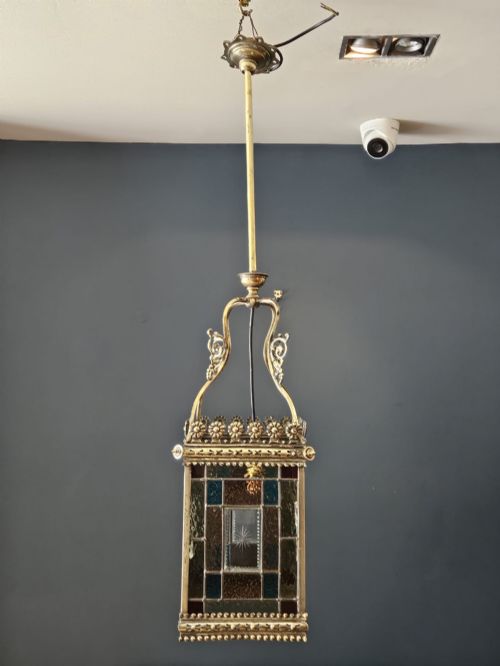
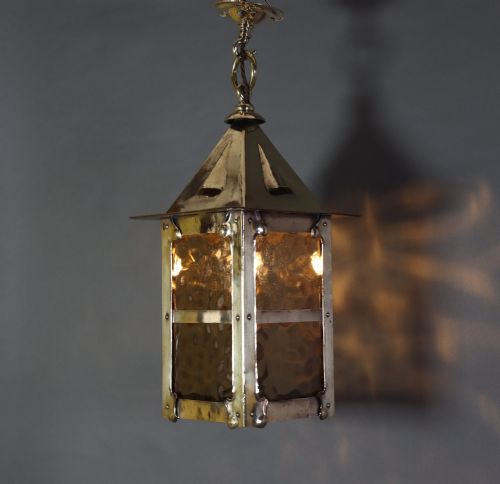
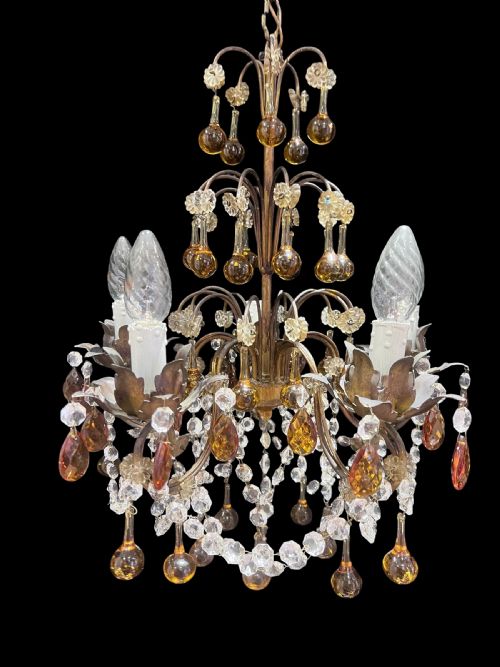
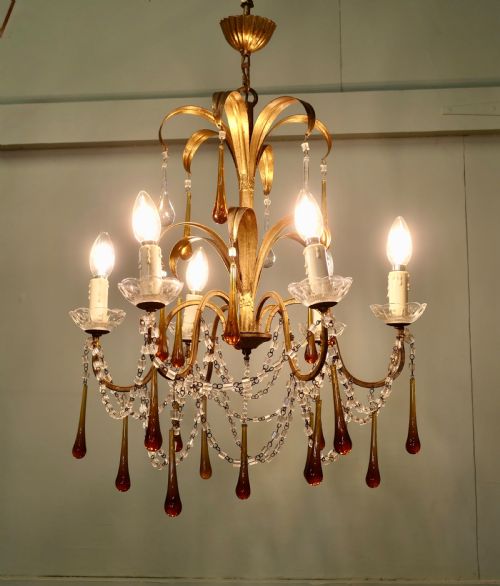
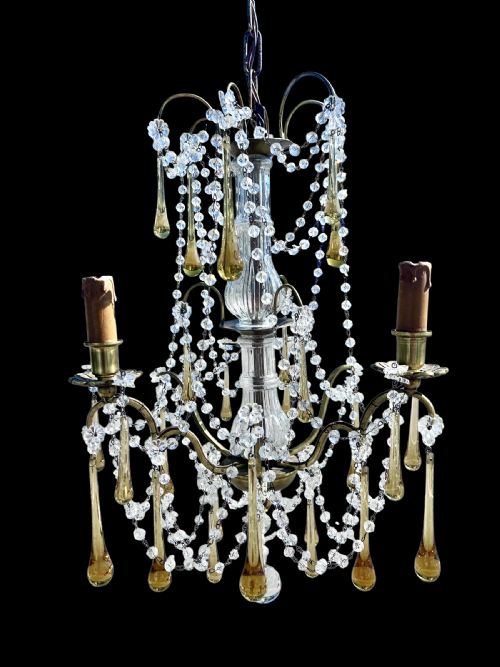
The materials span moulded glass, leaded panels, and delicate crystal drops, reflecting the shifting tastes from Victorian ornate styles to clean geometric Art Deco lines. Each piece carries the distinct structural character of its decade, whether French provincial, Arts and Crafts, or Italian antique.
How they were made
Makers utilised molten glass techniques, incorporating metallic oxides into the batch to achieve deep amber colouration before blowing or pressing the material into moulds. Frosted and etched surfaces diffused the electrical light or gas illumination of the era.
Metalwork frames in brass, copper, gilt metal, and wrought iron provided the structural skeleton for lanterns and multi-arm chandeliers, secured with lead cames or soldered joints. Crystal teardrops and glass fruits were wired individually to the main body.
Amber Glass Pendant Retail Price Guide 2026
Typical asking prices for amber glass pendant among the pieces listed under this phrase on Sellingantiques today, from the lower quarter to the upper quarter. They describe what is for sale here now, not the wider market.
Listings feature amber glass alongside frosted glass, lead, brass, wrought iron, and crystal across Edwardian and Art Deco periods.
What varies in quality
The calibre of a fixture depends on the weight and depth of the glass, alongside the finesse of the metal framing. Heavy brass or wrought iron supports and thick, hand-moulded amber glass distinguish superior examples from lighter commercial alternatives.
Design execution and origin also dictate standing, with signed atelier pieces or substantial architectural fittings showing greater artistic ambition than standard domestic lighting. The integration of coloured crystal drops and intricate fretwork points to higher craftsmanship.
Verrerie Des Vosge
The Amber Glass Pendant Glossary
- Amber glass
- Glass coloured through the addition of sulphur, carbon, or iron compounds during melting. This warm tone softens the light passing through it.
- Lead glass
- Glass containing lead oxide rather than calcium, increasing brilliance and weight. It allows for smoother cutting and moulding.
- Toleware
- Enamelled and painted sheet metal used for decorative light fixtures and mounts. It frequently mimics more expensive patinated metals.
- Slip shade
- A moulded glass shade designed to slot directly into a metal frame or basket. These are typical of Art Deco lighting design.
Amber Glass Pendant: Frequently Asked Questions
How do I hang a heavy pendant?
Suspension requires securing the main weight directly into ceiling joists using a suitable hook or bracket rated for the fixture's mass. Professional electrical installation ensures the internal wiring safely handles the load.
Heavier lanterns and multi-arm chandeliers need reinforced chains and structural anchors rather than standard plaster fixings to prevent damage to the ceiling.
Can I adjust the hanging height?
Adjustment depends on the original chain or flex supplied with the fixture. Removing or adding links allows you to alter the drop to suit your ceiling height.
Professional rewiring may be necessary if the electrical cord requires shortening or extending to maintain safe operational standards.
How do I clean amber glass?
Wash the glass components gently in warm water using a mild, non-abrasive detergent. Remove delicate drops from the frame first to prevent accidental chipping against the metalwork.
Dry each piece thoroughly with a soft lint-free cloth before reassembly to restore the reflective clarity of the tinted surface.
What bulbs work best in these?
Low-wattage LED filament bulbs replicate the warm glow of historical lighting while generating minimal heat. Clear or frosted options suit different glass transparencies depending on how much diffusion you need.
Choosing the correct lumen output ensures the amber glass emits a comfortable ambiance without harsh glares escaping through open bottoms.