



Amber Bohemian Glass Vase
These amber bohemian glass vase pieces bring warmth and rich colour to a room, catching the light in ways collectors appreciate.
Amber Bohemian Glass Vase
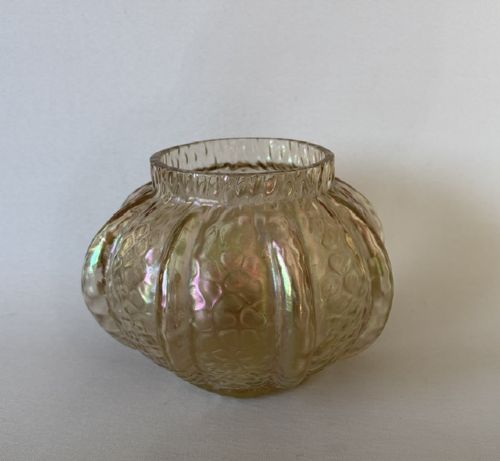
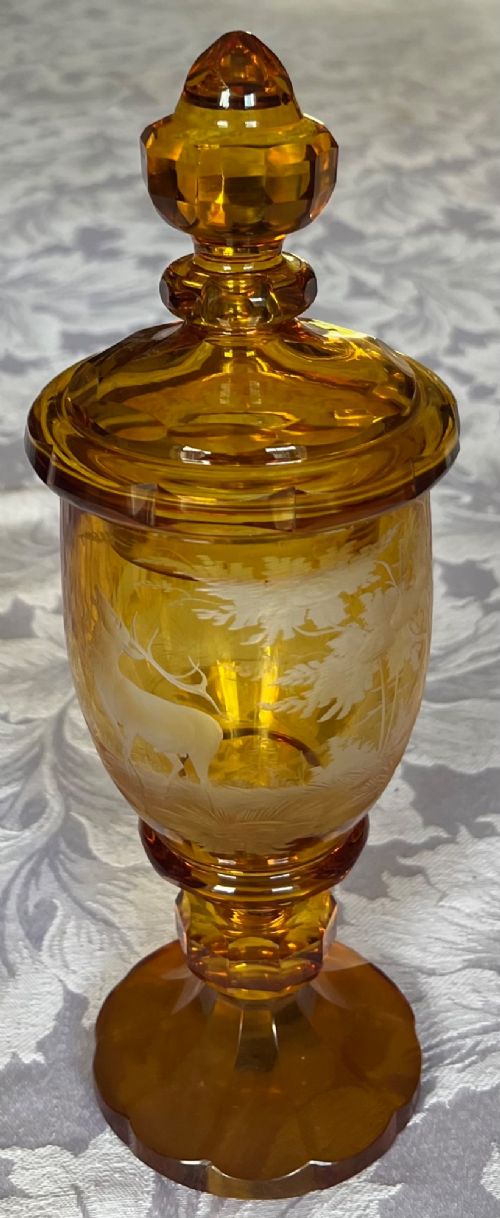
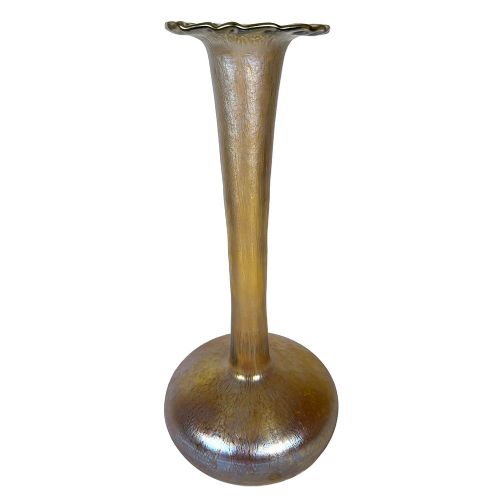
An amber bohemian glass vase represents a rich tradition of glassmaking originating from the Bohemian region, spanning periods from the Victorian era through the 1930s. Buyers searching this phrase will find a variety of forms including tall vessels, covered vases, centrepiece bowls, and mounted decorative objects.
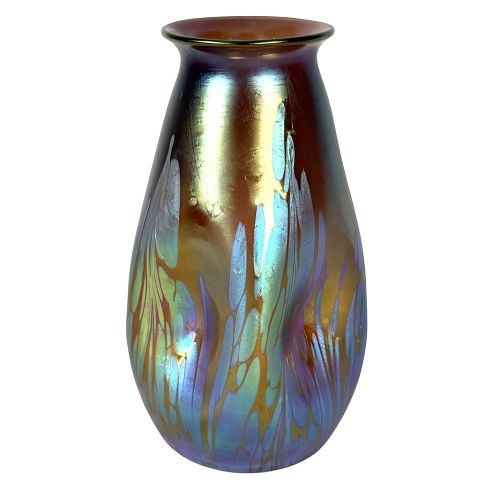
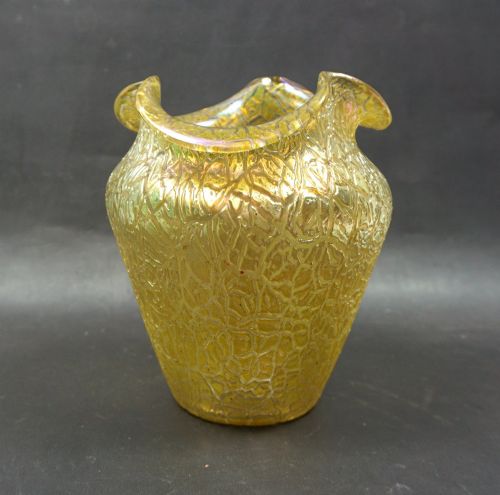
The pieces on this page showcase distinct artistic movements, most notably Art Nouveau, Art Deco, and Victorian styles, alongside German Historismus and Bohemian Biedermeier influences. Organic shapes and iridescent finishes dominate the selection, reflecting the natural motifs favoured by prominent glassworks of the late nineteenth and early twentieth centuries.
How they were made
Makers utilised blown glass techniques to shape the molten material, often incorporating cut glass detailing or intricate engraving to create textured surfaces. Iridescent glass finishes were achieved through specialised chemical treatments applied during the cooling process, giving the vessels their characteristic shimmering appearance.
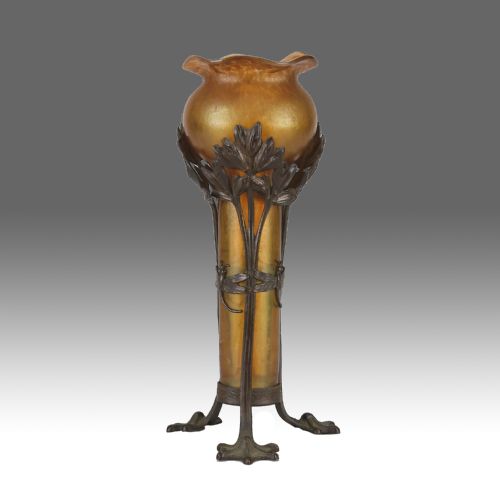
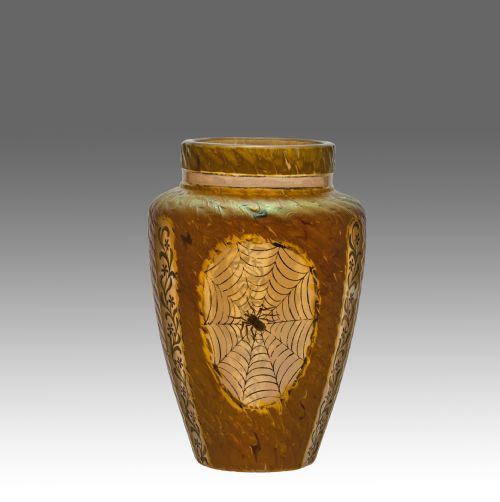
Decoration frequently involved polychromatic enamelling and animal motifs painted directly onto the amber glass, while higher-end examples incorporated cast bronze or silver mounts. These metal elements were carefully fitted to the glass bodies to enhance the structural presence and decorative appeal of the vases.
Amber Bohemian Glass Vase Retail Price Guide 2026
Typical asking prices for amber bohemian glass vase among the pieces listed under this phrase on Sellingantiques today, from the lower quarter to the upper quarter. They describe what is for sale here now, not the wider market.
Listings feature amber glass pieces spanning the Victorian period through the 1930s, incorporating Art Nouveau and Art Deco styles.
What varies in quality
Quality in these pieces is dictated by the complexity of the glass surface treatment, such as the depth of the cut work and the vibrancy of the iridescence. Vases featuring hand-painted polychromatic enamel or detailed metal mounts demonstrate a higher level of craftsmanship than plain amber vessels.
The prestige of the workshop also influences the standing of a piece, with documented works from notable Bohemian glassmakers commanding greater attention from collectors. Furthermore, the crispness of the engraving and the harmony between the glass body and any added mounts determine the overall refinement of the object.
Loetz·Kralik Glass·Moser
The Amber Bohemian Glass Vase Glossary
- Iridescent Glass
- Glass treated with metallic oxides to produce a rainbow-like sheen on the surface. This technique was widely used during the Art Nouveau period to mimic natural phenomena.
- Historismus
- A nineteenth-century artistic style that drew inspiration from historical epochs and traditional craftsmanship. It appears in German and Bohemian glass production of that era.
- Polychromatic Enamelling
- The application of multiple coloured glass paints that are fired onto the surface of the vessel. This method added permanent pictorial detail to the amber body.
- Biedermeier
- A central European style emphasising utility, comfort, and clean lines before the rise of ornate Victorian tastes. Bohemian examples display restrained forms and subtle decoration.
Amber Bohemian Glass Vase: Frequently Asked Questions
What is an amber bohemian glass vase?
These are decorative glass vessels produced in the Bohemian region, characterised by their warm amber hue and diverse styles ranging from Victorian to Art Deco.
They encompass various forms, including tall mantle vases, covered vessels, and centrepiece bowls featuring techniques like iridescence and enamelling.
How do I identify an Art Nouveau piece?
Art Nouveau examples typically feature organic shapes, fluid lines, and iridescent finishes that mimic natural forms like plant stems or spider webs.
Many of these pieces also incorporate metal mounts in bronze or silver that complement the flowing contours of the glass.
Where were these glass pieces made?
The pieces originate primarily from Bohemia and surrounding regions in central Europe, which were renowned centres for glass manufacturing throughout the nineteenth and early twentieth centuries.
Prominent glassworks and workshops in this area produced innovative art glass exported across Europe and beyond.