

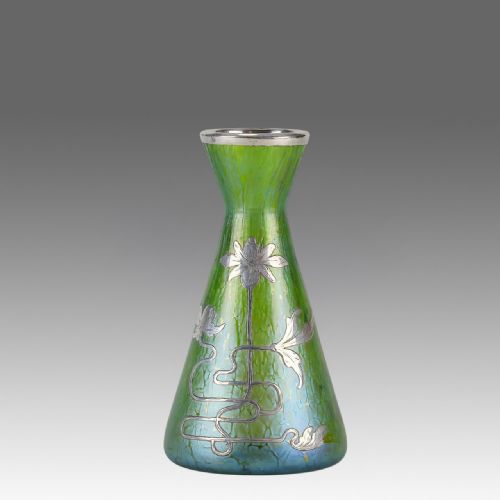


Jugendstil Iridescent Vase
Jugendstil iridescent vases catch the light with shimmering metallic sheens and organic forms that define early twentieth century design.
Jugendstil Iridescent Vase
A jugendstil iridescent vase displays the fluid, curving lines of the Art Nouveau movement alongside shimmering, rainbow-like glass surfaces. These decorative vessels bring a distinct aesthetic of the early twentieth century into modern interiors.
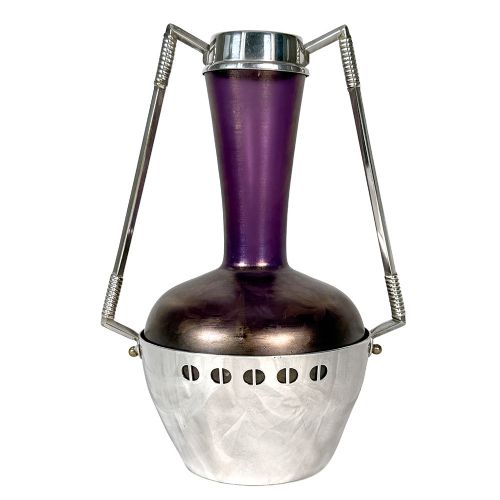
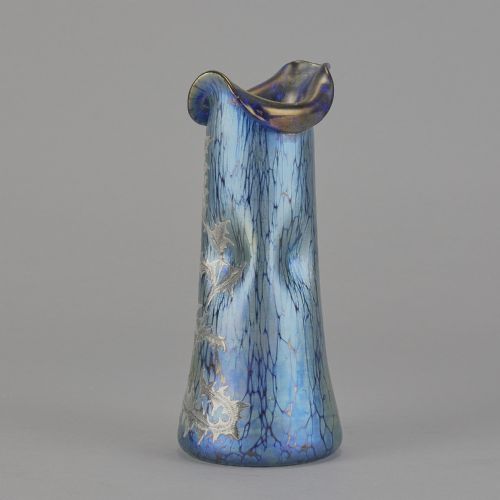
Most examples found here date from nineteen hundred to nineteen twenty, originating predominantly from Bohemia and Austria. Forms range from organic shapes to conical silhouettes, frequently enhanced with metal mounts or silver overlay.
How they were made
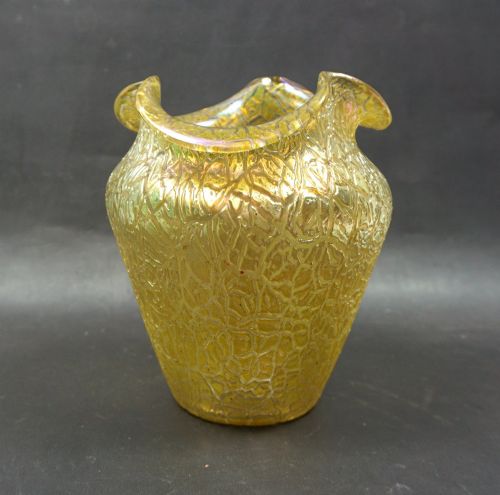
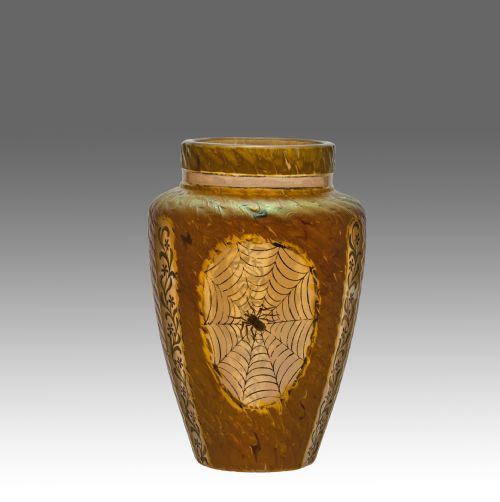
Master glassmakers utilised blown glass techniques, treating the hot surfaces with metallic vapours to achieve permanent iridescent sheens. Artisans manipulated the molten material into complex organic silhouettes while incorporating textured patterns like papillon and spider designs.
Many workshops mounted the finished art glass in sterling silver, pewter stands, or accented them with cabochons and enamel work. This combination of metallic frames and shimmering glass required precise metalwork to fit the organic contours of each vessel.
Jugendstil Iridescent Vase Retail Price Guide 2026
Typical asking prices for jugendstil iridescent vase among the pieces listed under this phrase on Sellingantiques today, from the lower quarter to the upper quarter. They describe what is for sale here now, not the wider market.
Some vases are named after insects, featuring spider webs and butterfly wing patterns frozen in shimmering glass.
What varies in quality
The sophistication of the iridescence and the depth of the glass colour distinguish finer pieces from simpler works. Subtle shifts in hue across the surface reveal the skill of the glassmaker during the cooling and treatment process.
The presence of original metalwork, such as intricate silver overlay, pewter stands, or cabochon settings, elevates the complexity of the piece. Master workshops achieved a harmonious balance between the mounted metal frame and the blown glass body.
Loetz Witwe·Kralik Glass·Johann Loetz·Ferdinand von Poschinger·J Reinemann
The Jugendstil Iridescent Vase Glossary
- Jugendstil
- The German and Central European variant of the Art Nouveau style, characterised by flowing organic lines and natural motifs. It flourished around nineteen hundred across decorative arts and architecture.
- Iridescent glass
- Glass treated with metallic salts to produce a shimmering, rainbow-like surface that shifts colours in the light. This optical effect was a defining innovation of early twentieth century art glass makers.
- Papillon
- A mottled, iridescent surface pattern resembling butterfly wings, famously utilised by Bohemian glasshouses. It creates speckled pools of blue and green across the blown glass body.
- Cabochon
- A polished, convex gem or glass inset without facets, frequently set into metal mounts on decorative vases. They add colourful focal points to silver or pewter overlays.
Jugendstil Iridescent Vase: Frequently Asked Questions
What is a jugendstil iridescent vase?
These decorative vessels are early twentieth century works of art glass featuring shimmering, rainbow-like surfaces and curving organic forms.
They represent the Central European Art Nouveau movement, often combining blown glass with metal mounts or silver overlay.
How do I clean an iridescent glass vase?
Dust the surface gently with a soft, dry cloth to protect the delicate metallic sheen and any silver mounts.
Avoid using liquid cleaners or harsh chemicals, which can damage the treated glass surface and aged metalwork.
What periods do these vases come from?
Most examples date from the nineteen hundreds, specifically the height of the Art Nouveau and Jugendstil periods.
Some pieces extend into the nineteen tens and nineteen twenties, showing a transition in decorative glass design.