





Aesthetic Movement Wall Mirror
An aesthetic movement wall mirror brings refined Victorian design into a room, combining ebonised wood, gold leaf and painted details.
Aesthetic Movement Wall Mirror
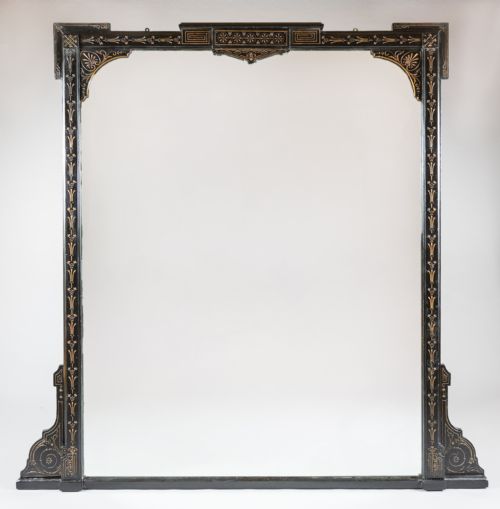
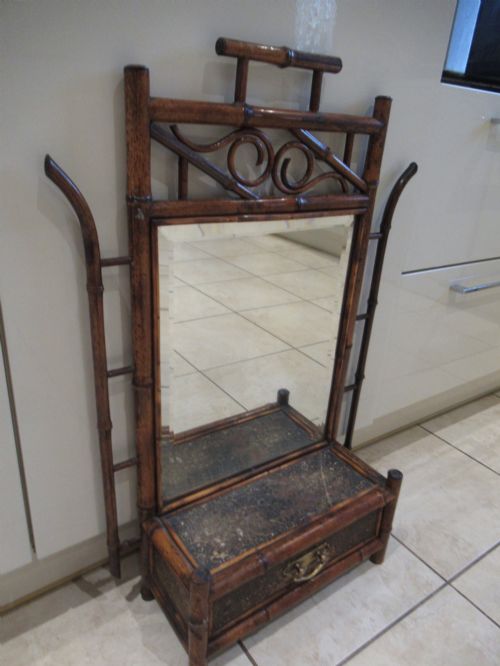
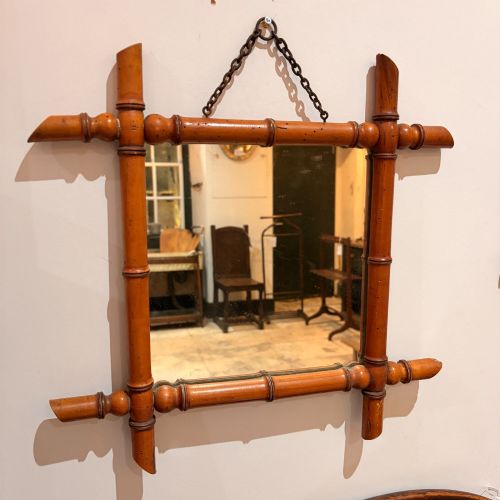
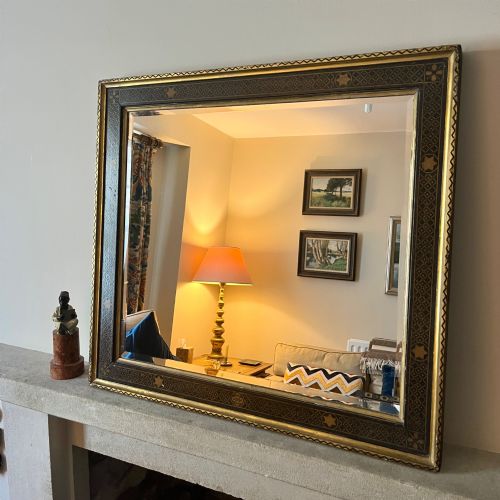
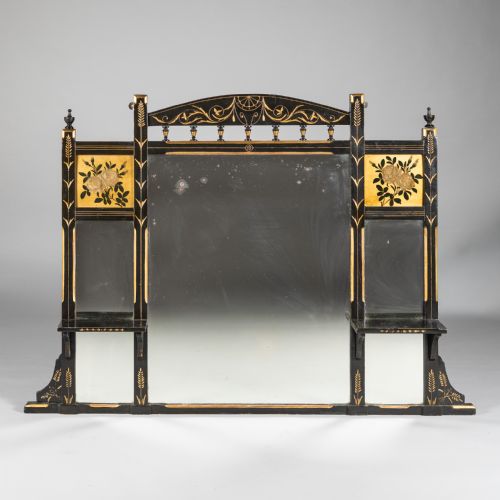
An aesthetic movement wall mirror reflects the late nineteenth-century shift towards artistic interior decoration, drawing on Victorian styles and Japanese motifs. Buyers searching for an aesthetic movement wall mirror encounter various forms including large overmantel pieces, smaller hall mirrors and hanging wall cabinets. Most examples originate from the Victorian period, spanning the late nineteenth century into the Edwardian era, with a strong representation of the year 1880.
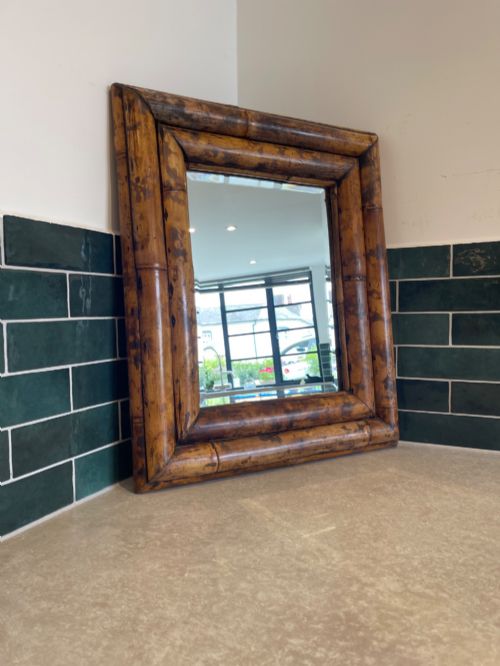
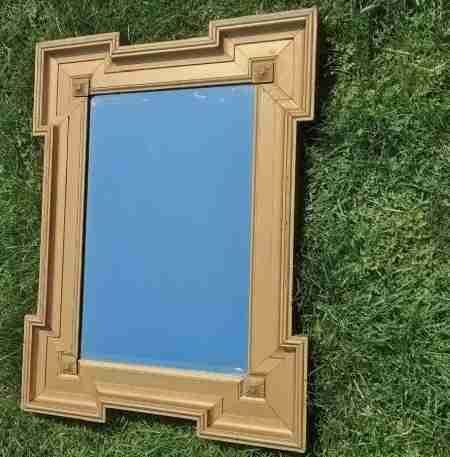
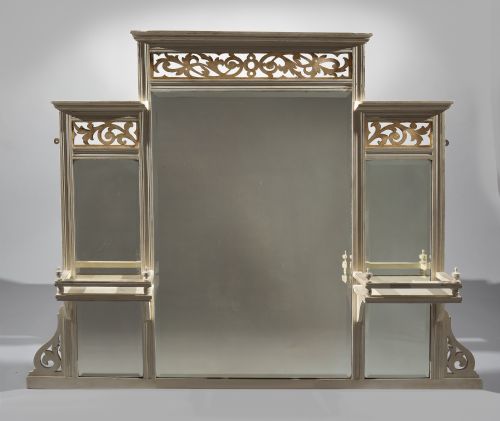
The dominant formats on this page are overmantel mirrors and wall mirrors, often constructed in ebonised wood with parcel-gilt or painted highlights. Pieces also appear in walnut, rosewood, bamboo, oak and mahogany, sometimes paired with brass, copper or bevelled glass. Alongside standard wall mirrors, the selection includes girandoles, candle sconces and hanging cabinets incorporating mirror glass.
How they were made
Cabinetmakers utilised timber frames shaped from ebonised wood, walnut, rosewood, oak and mahogany, applying paint, gold leaf, parcel-gilt or parcel-silvered finishes to highlight carved or turned details. Bamboo construction also appears among later pieces from the early twentieth century.
Makers set glass plates, including bevelled mirror glass, within these frames, occasionally integrating brass and copper elements or integrating candle sconces and brackets into the wooden structure.
Aesthetic Movement Wall Mirror Retail Price Guide 2026
Typical asking prices for aesthetic movement wall mirror among the pieces listed under this phrase on Sellingantiques today, from the lower quarter to the upper quarter. They describe what is for sale here now, not the wider market.
One past piece featured a wading heron gazing perpetually into the glass.
What varies in quality
The degree of detail in the surface decoration separates standard examples from finer works, particularly where hand-painted motifs, delicate parcel-gilt or parcel-silvered highlights, and intricate ebonised finishes are preserved. The choice of primary timber, from basic pine or oak to figured walnut and rosewood, dictates the structural substance of the frame.
Proportion and scale determine the visual impact, with large overmantel mirrors requiring precise framing to support heavy glass plates. The integration of secondary materials like brass, copper and specialised bevelled edges distinguishes more ambitious designs from simpler utilitarian looking-glasses.
Cottier & Co.
The Aesthetic Movement Wall Mirror Glossary
- Overmantel mirror
- A large looking-glass designed to hang or stand on the chimney breast above a fireplace.
- Ebonised wood
- Timber stained or painted black to imitate costly ebony, frequently used in nineteenth-century furniture framing.
- Parcel-gilt
- Woodwork partially gilded with gold leaf on specific carved or raised details against a contrasting background.
- Girandole
- A decorative wall bracket holding candles, usually featuring an attached mirror plate to reflect the light.
- Bevelled glass
- A mirror plate with edges cut and polished at an angle to catch and refract light.
Aesthetic Movement Wall Mirror: Frequently Asked Questions
Where should an overmantel mirror be hung?
These large mirrors are traditionally mounted on the wall directly above a fireplace mantelpiece to anchor the room's proportions.
They also function effectively on principal reception room walls where their reflective glass maximises natural light.
What is the difference between a hall mirror and a wall mirror?
Hall mirrors were typically designed for entrance spaces and reception areas, sometimes incorporating valet hooks or small shelves.
Standard wall mirrors focus primarily on decorative framing and reflective glass rather than functional utility accessories.
How do you identify an aesthetic movement frame?
Frames from this style often feature ebonised wood surfaces combined with parcel-gilt highlights and painted or incised details.
They frequently draw inspiration from Japanese art and incorporate contrasting materials like bamboo, brass or copper.
Are all these mirrors from the Victorian period?
The majority date from the nineteenth century and the Victorian era, particularly around eighteen-eighty.
Some examples extend into the Edwardian period and nineteen-twenty, including bamboo constructions and later wall sconces.