
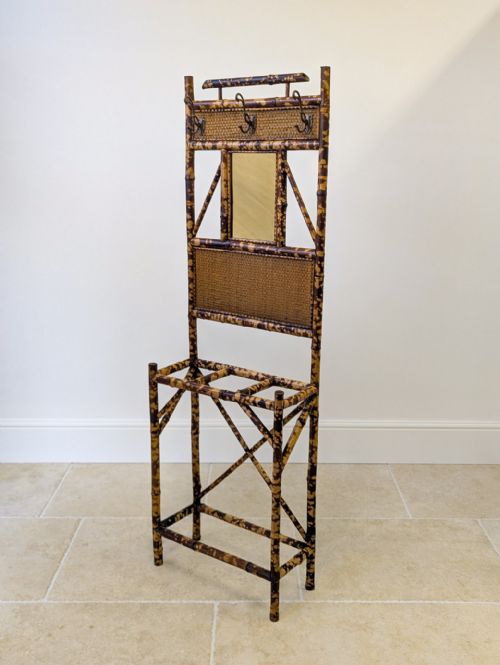
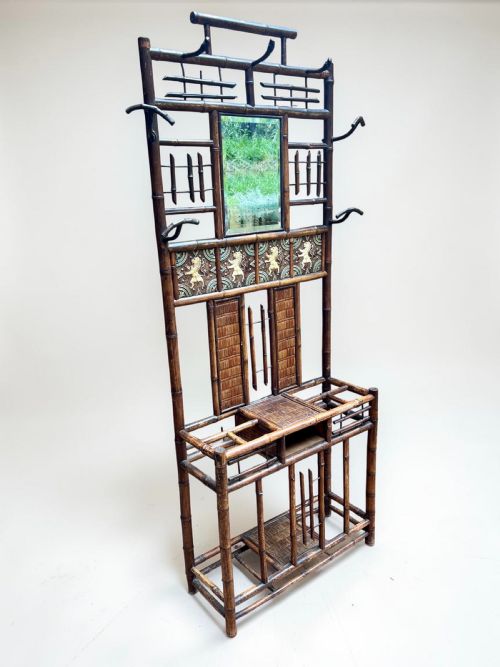
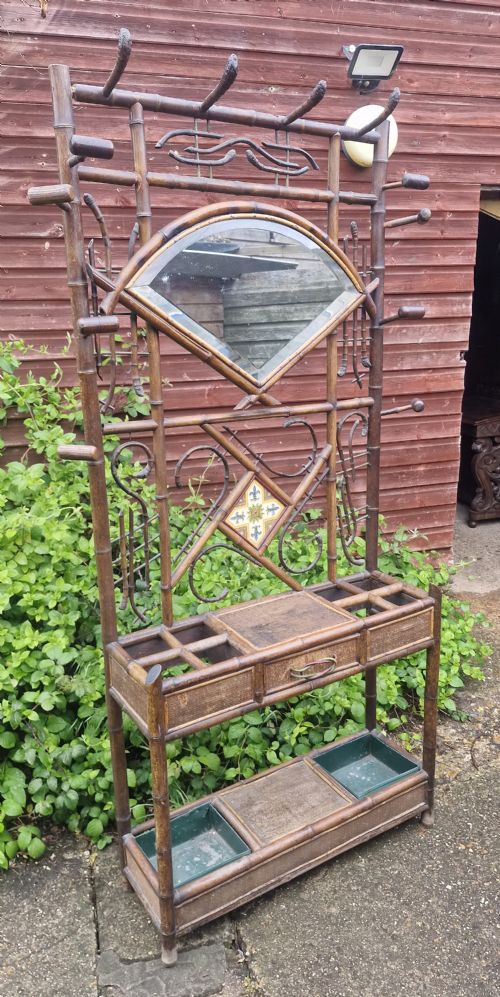


Aesthetic Movement Stick Stand
These aesthetic movement stick stand pieces bring disciplined design to the hallway, offering a purposeful place for walking sticks and umbrellas.
What an aesthetic movement stick stand is
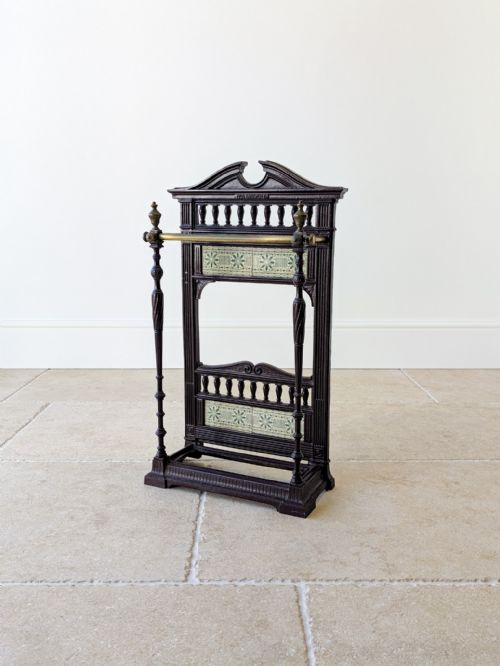
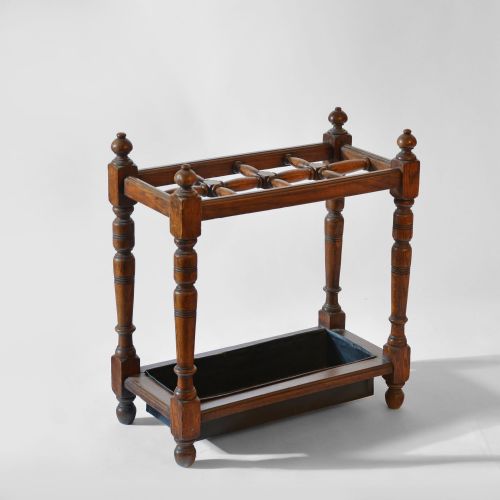
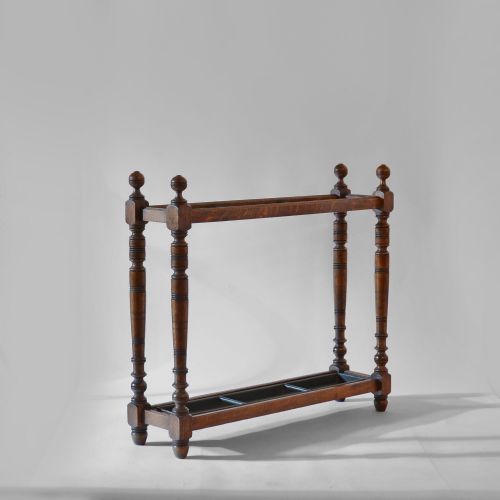
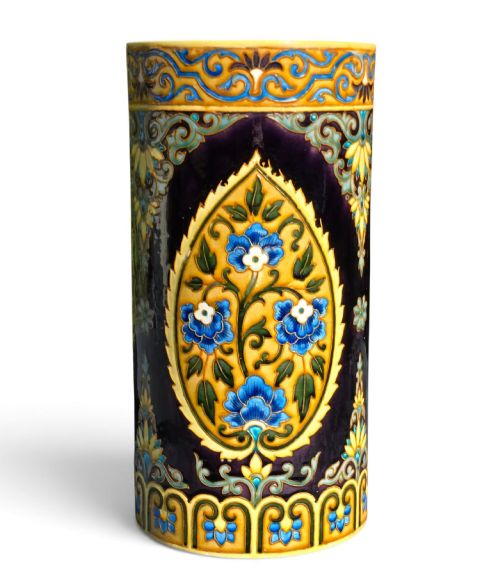
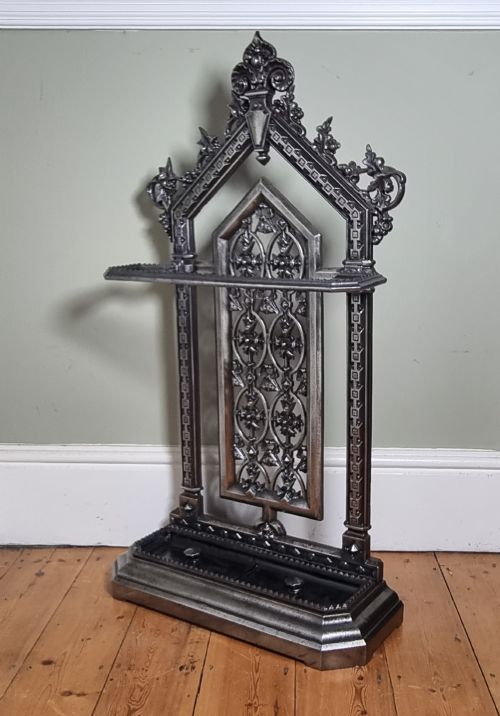
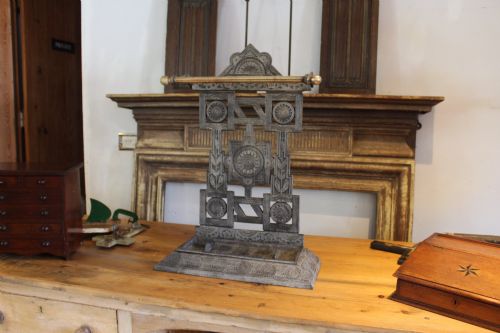
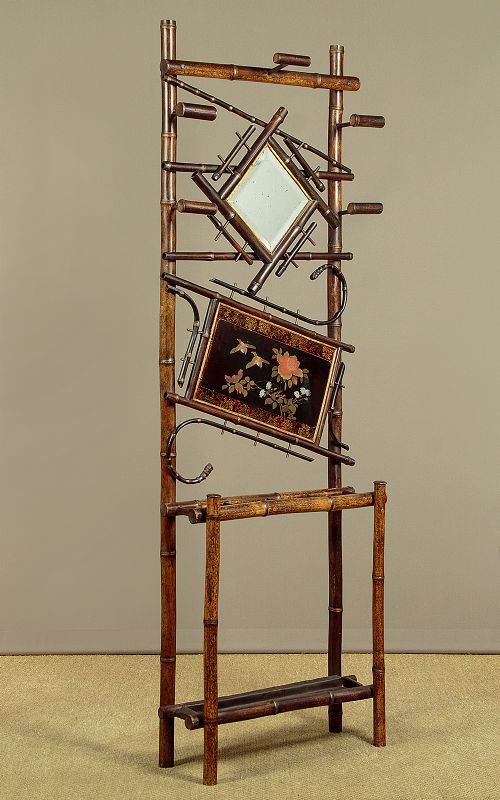
An aesthetic movement stick stand is a hallway furnishing designed to hold umbrellas and walking sticks, appearing in forms such as umbrella stands and combined umbrella and stick stands. These pieces are encountered primarily from the nineteenth century, including the Victorian period and Edwardian era, alongside specific dates like 1880 and 1900.
The dominant styles represented in the evidence include the Victorian aesthetic movement, Iznik revival, and Victorian Gothic. Buyers frequently meet oak examples alongside pieces constructed from cast iron, metal, glazed ceramic, earthenware, enamel, brass, copper, and mahogany with ebony banding.
How they were made
Makers utilised a diverse palette of materials, combining woods like oak and mahogany with ebony banding, or employing metals such as cast iron, brass, and copper. Glazed ceramic, earthenware, and enamel elements were also integrated into the construction of these stands.
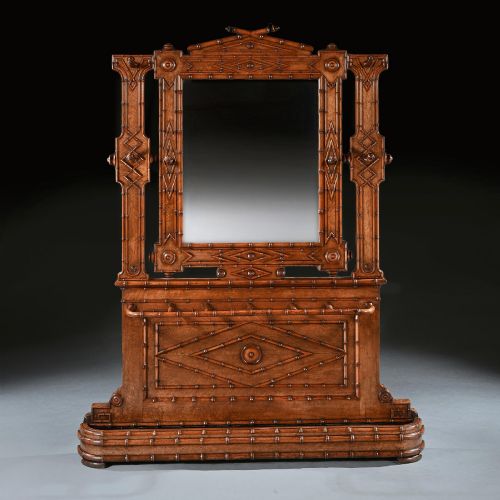
Techniques range from metal founding seen in Falkirk ironworks pieces to the complex ceramic work of the Iznik revival tradition. Faux bamboo carving techniques appear alongside traditional cabinetmaking methods for timber frames.
Retail Price Guide 2026
Typical UK retail prices for aesthetic movement stick stand, calculated from the Sellingantiques database of over a million retail prices indexed since 2003. This retail price guide relies exclusively on Sellingantiques data; no external sources or auction records are used, so the figures do not describe the wider market.
Some walking sticks kept inside these stands retain hidden compartments for maps, flasks, or small swords.
What varies in quality
Quality rests upon the ambition of the design and the execution of specialised materials, such as the hand-painted or glazed surfaces of Iznik revival ceramics compared to standard earthenware. Metalwork varies from straightforward cast iron production to intricate work associated with designers like Christopher Dresser.
The choice of primary material dictates the character of the piece, distinguishing utilitarian cast iron from finely banded mahogany and ebony or structured oak. Maker attribution, such as the output of the Falkirk ironworks or Théodore Deck, elevates the standing of an individual piece.
Théodore Deck·Falkirk Ironworks·Christopher Dresser
The Aesthetic Movement Stick Stand Glossary
- Aesthetic Movement
- A late nineteenth-century design style that emphasised visual beauty and art for art's sake over traditional moral narrative. It drew heavily on Japanese and Middle Eastern motifs.
- Iznik Revival
- A nineteenth-century western European movement mimicking the vibrant Iznik pottery of the Ottoman Empire. These glazed ceramic components often feature distinct floral patterns.
- Faux Bamboo
- A decorative carving technique applied to wood to imitate the segmented joints of natural bamboo. This finish was particularly popular in nineteenth-century furniture.
- Falkirk Ironworks
- A Scottish manufacturing company known for producing robust metal goods. Their cast iron foundry work appears in Victorian hall furnishings.
Frequently Asked Questions
What is an aesthetic movement stick stand?
An aesthetic movement stick stand is a nineteenth-century hallway accessory created to hold wet umbrellas and walking canes. These items reflect the decorative priorities of the period through varied material choices.
They combine practical utility with artistic design, often incorporating glazed ceramics, brass, or carved oak into the hallway layout.
How were these stands used?
These pieces sat in entrance halls and vestibules to receive damp umbrellas and walking sticks returning from outdoors. They kept floors dry and provided a designated location for daily walking accessories.
Their placement near the front door meant they served as an initial decorative statement for arriving visitors.
How do I live with one?
Place the stand near your primary entrance on a surface that tolerates occasional moisture from wet umbrellas. Ensure adequate ventilation around the base if the piece incorporates earthenware or metal liners.
Integrate the stand with other hallway furniture by matching woods like oak or mahogany, or let contrasting brass and ceramic elements stand out.
How do I tell periods apart?
Nineteenth-century and Victorian examples often feature heavy cast iron or rich woods like oak and mahogany with ebony banding. Edwardian pieces tend toward lighter domestic forms.
Stylistic markers such as Iznik revival glazes or Victorian Gothic detailing help anchor a piece within its specific nineteenth-century decade.