

Aesthetic Movement Seat
An aesthetic movement seat brings the refined reform of late nineteenth-century design into a room, offering both decorative clarity and functional utility.
Aesthetic Movement Seat
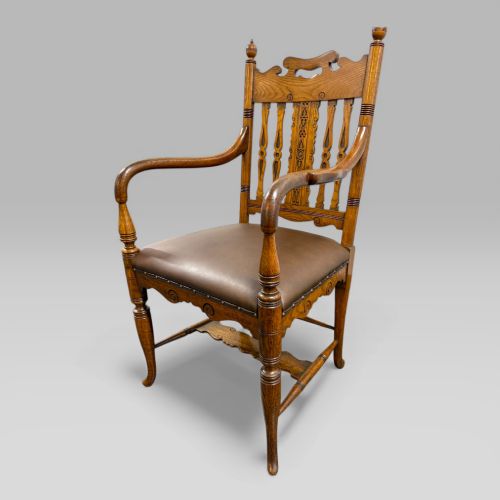
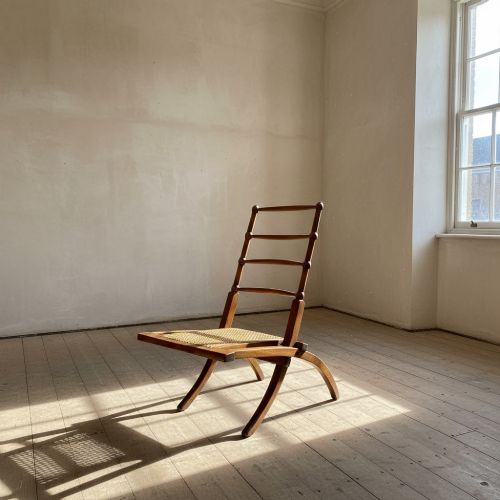
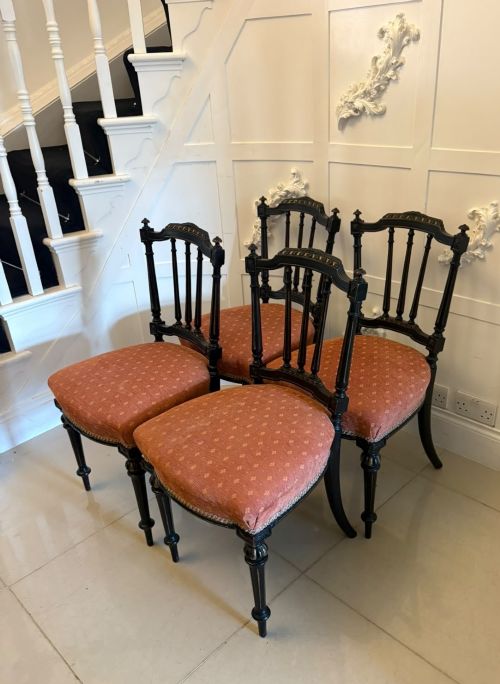
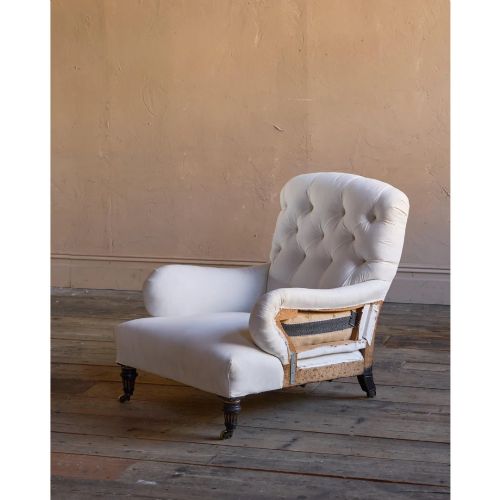
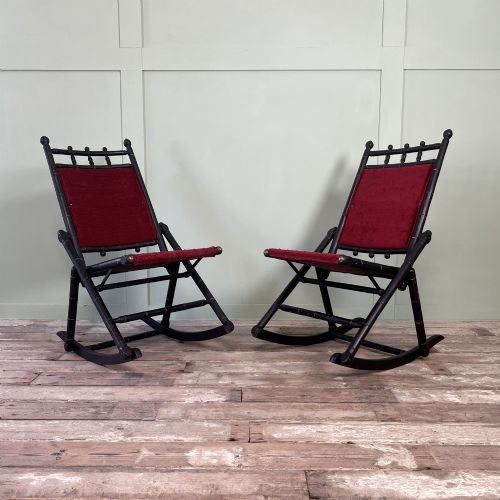
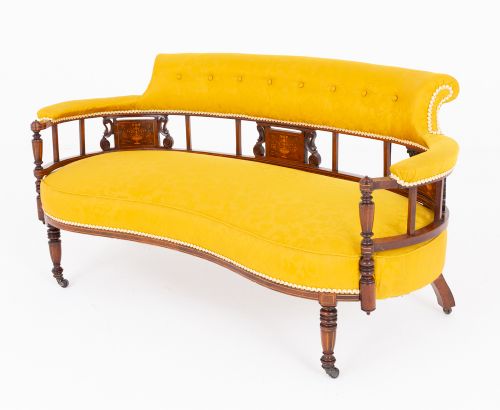
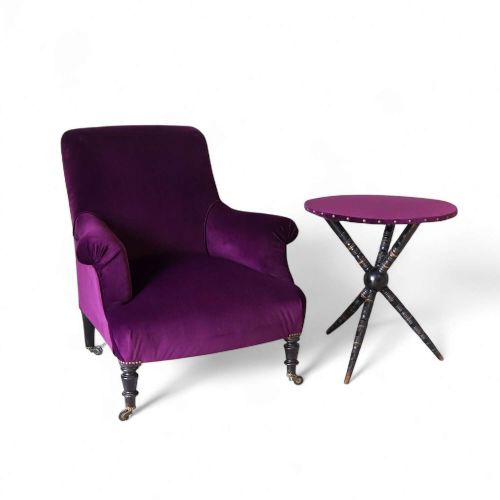
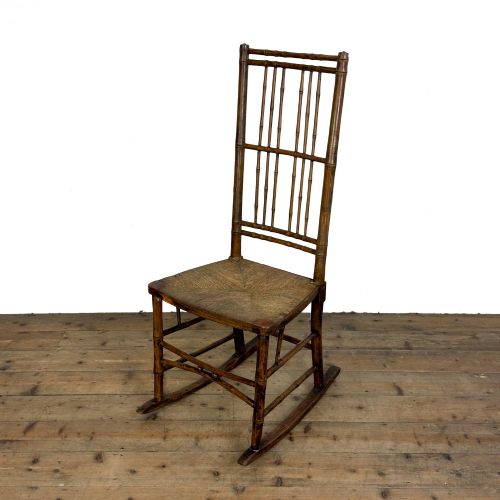
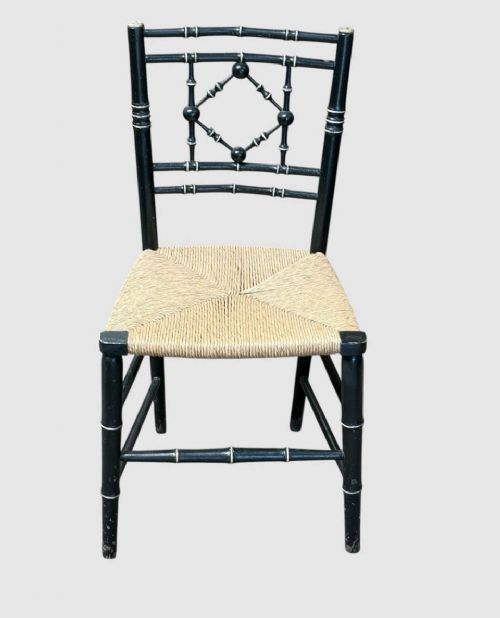
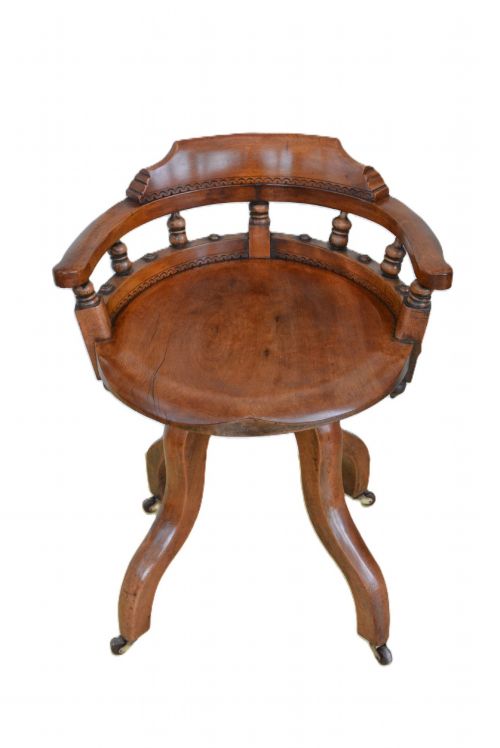
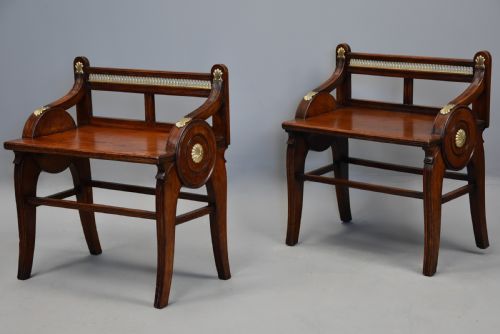
When you examine an aesthetic movement seat, you encounter forms designed during the latter decades of the nineteenth century that prioritize artistic arrangement over heavy Victorian upholstery. These pieces range from upright hall chairs and dining sets to low salon chairs, nursing chairs, benches, and rocking chairs.
The versions you are most likely to meet on this page date from the Victorian period through to nineteen hundred, encompassing styles influenced by Japanese motifs, bamboo turning, and early arts and crafts principles. They include both straightforward utilitarian seating and elaborately ebonised or gilded drawing-room chairs.
How they were made
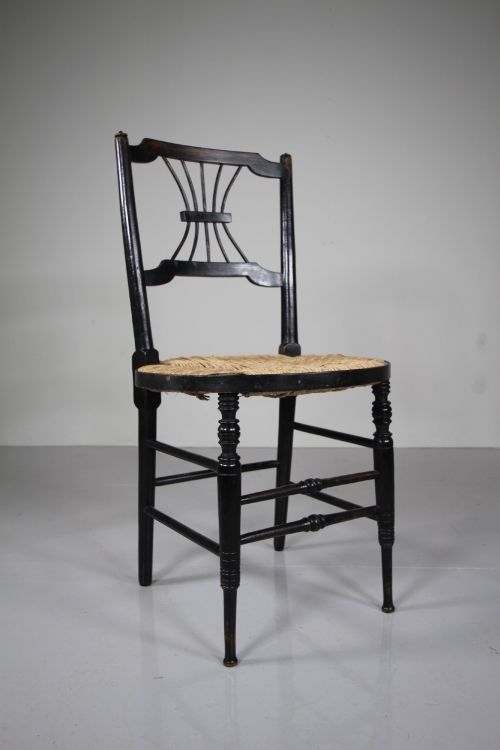
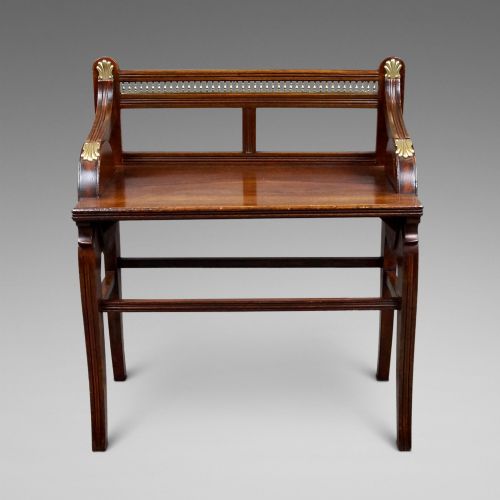
Cabinetmakers constructed these frames primarily from hardwoods such as mahogany, walnut, rosewood, and oak, frequently applying an ebonised finish to mimic the dark, exotic timbers prized by progressive designers. Gilt highlights, brass mounts, and turned faux bamboo details often accent the structural lines of the wood.
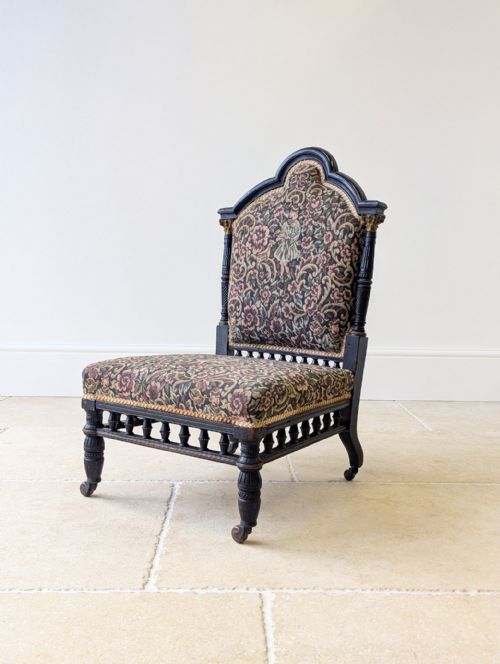
For the seats, makers utilised natural materials including woven rush, plain fabric, and patterned velvet. Joinery techniques relied on clean structural joints, sometimes incorporating carved wooden panels or mashrabiya work rather than heavy applied ornamentation.
The archive records multiple forms including open armchairs, nursing chairs, window seats, and low salon chairs dating from eighteen seventy to nineteen hundred.
What varies in quality
The distinction between a standard production piece and a superior workshop example rests on the precision of the carving and the integrity of the ebonised finish. Pieces bearing documented workshop attributions or signatures display sharper detailing in the turned spindles and more disciplined application of gilt.
Structural harmony also separates the tiers of quality, with finer examples maintaining rigid joints in delicate frames such as folding rocking chairs and low nursing seats. The choice of original upholstery materials, from simple rush to patterned velvet, reflects the intended status of the commission within a Victorian interior.
James Shoolbred and Co·Liberty and Co·E W Godwin·Gillows·Bruce J Talbert·Charles Bevan·Maple and Co·Holland and Son
The Aesthetic Movement Seat Glossary
- Ebonised wood
- Timber stained or painted black to imitate ebony. This finish was widely applied to pearwood and other native hardwoods to achieve the stark, dark surfaces favoured by progressive nineteenth-century designers.
- Rush seat
- A seating surface woven from dried marsh rushes. This technique provided a durable, textured surface frequently specified for simple dining and armchairs during the late nineteenth century.
- Faux bamboo
- Wood turned and carved to resemble natural bamboo stalks. Makers utilised this technique to satisfy the Victorian enthusiasm for Japanese-inspired interior decoration.
- Mashrabiya panels
- Wooden lattice screens formed of intricate turned bobbin work. These elements appear on late nineteenth-century seating influenced by Middle Eastern design traditions.
- Open armchair
- An armchair constructed without upholstered arm pads. This form allowed the structural wooden frame and turned members to remain fully visible.
Aesthetic Movement Seat: Frequently Asked Questions
How do I identify an aesthetic movement seat?
Look for clean structural lines, dark ebonised finishes, and distinct artistic influences such as Japanese turned wood or stylized sunflowers. These pieces typically dispense with heavy Victorian stuffing in favour of exposed timber frames and simple rush or velvet upholstery.
Evidence from nineteenth-century production shows these chairs were built across many forms, from low nursing chairs to hall benches, united by a deliberate focus on decorative reform.
Where were these chairs used in a Victorian home?
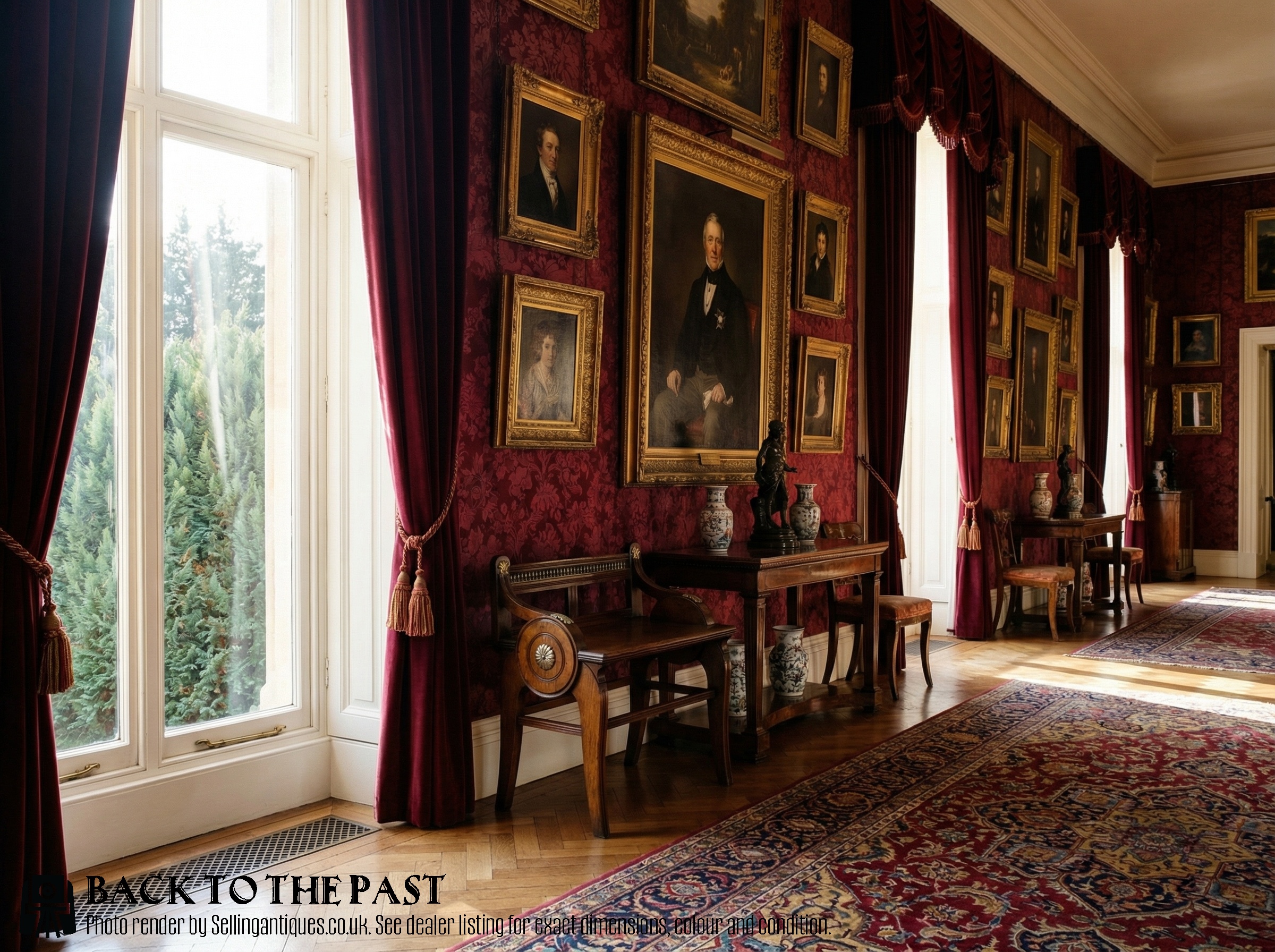
Depending on their form, these seats found places throughout the house. Low salon chairs and nursing chairs belonged in drawing rooms and bedrooms, while upright hall chairs lined entranceways.
Larger benches and settles served in hallways or living spaces, and rocking chairs provided comfortable seating for nurseries and parlours.
Are these seats suitable for daily use today?
Most of these pieces remain structurally sound for regular sitting, provided the frame joints are secure. Lighter forms, such as bamboo-turned rocking chairs or low bathroom seats, require a careful assessment of their weight limits.
Upholstered pieces often benefit from modern conservation of the internal webbing while retaining their original exterior fabrics where possible.