


Aesthetic Movement Lamps
These aesthetic movement lamps and accompanying occasional tables combine Anglo-Japanese design principles with period craftsmanship for domestic interiors.
Aesthetic Movement Lamps
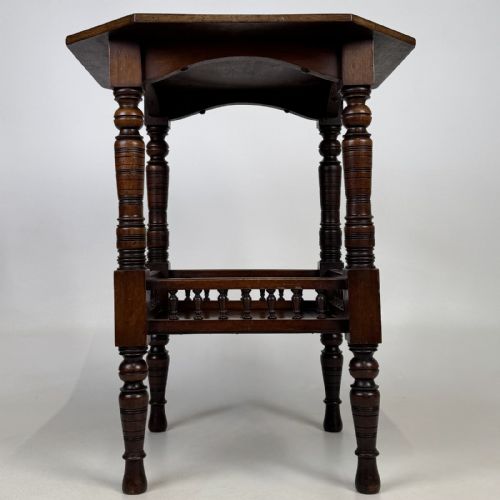
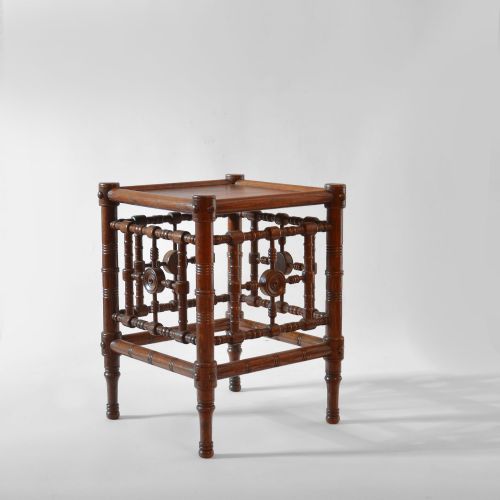
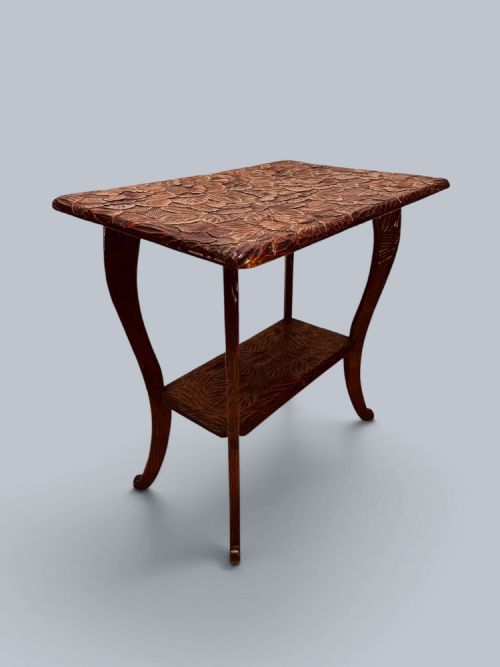
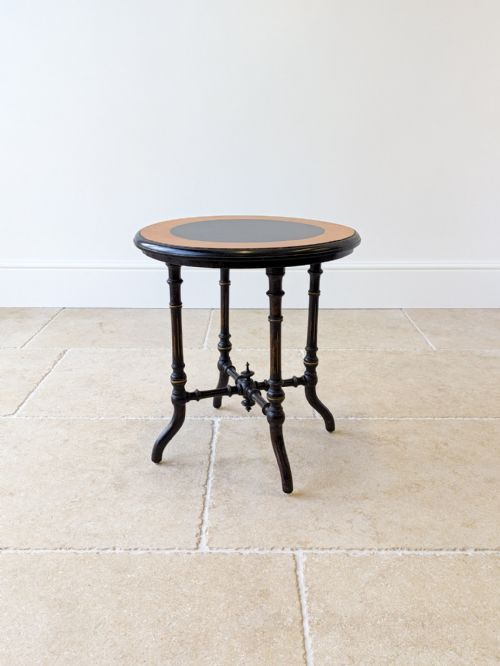
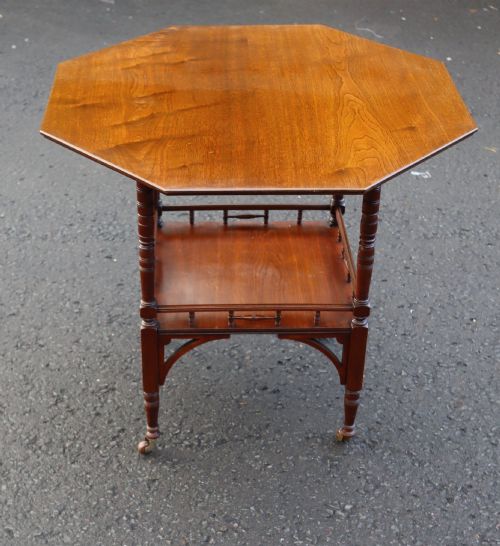
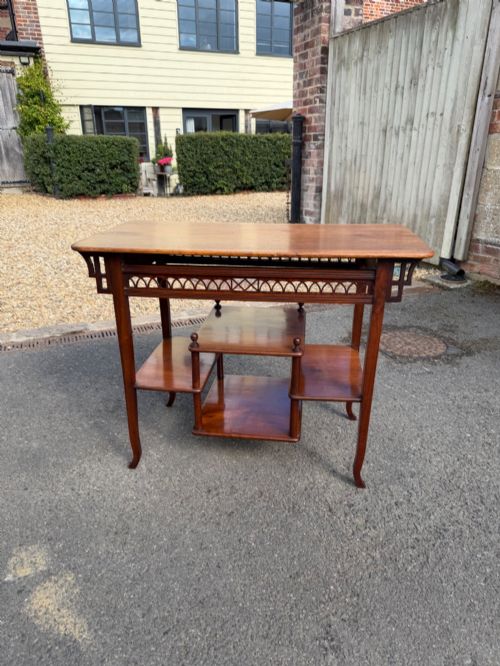
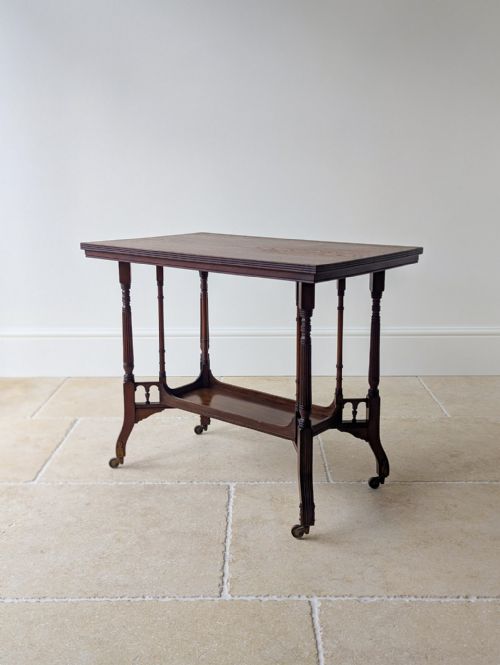
Aesthetic movement lamps and related tables encompass occasional furniture and lighting from the nineteenth century, including side tables, lamp tables, and oil lamps.
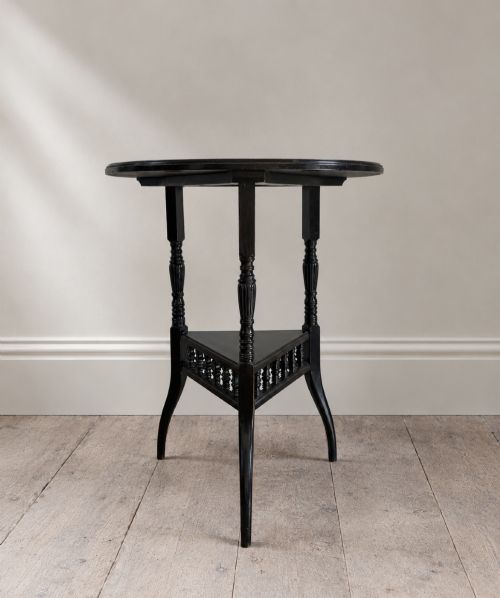
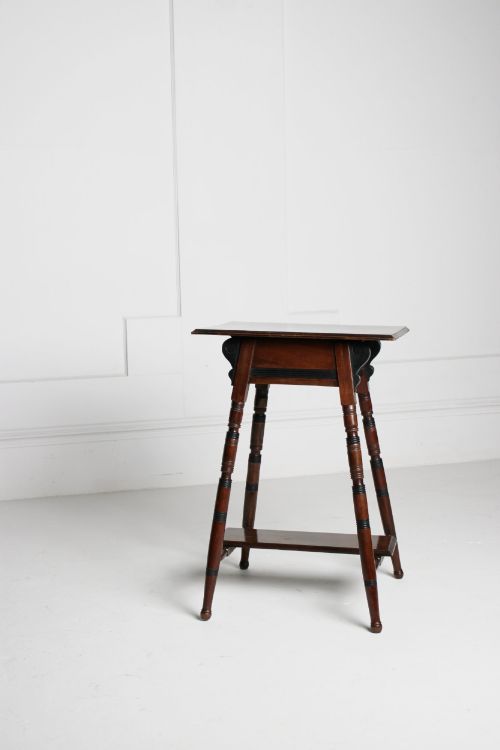
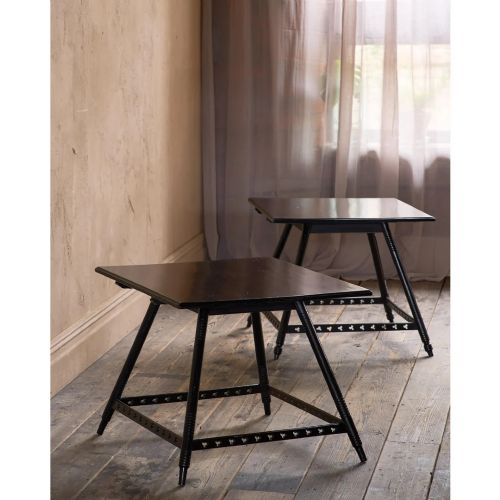
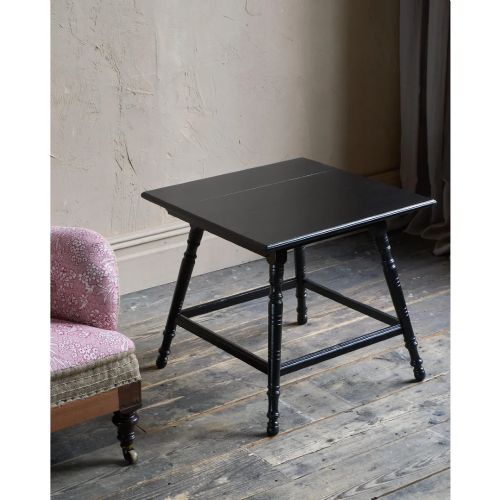
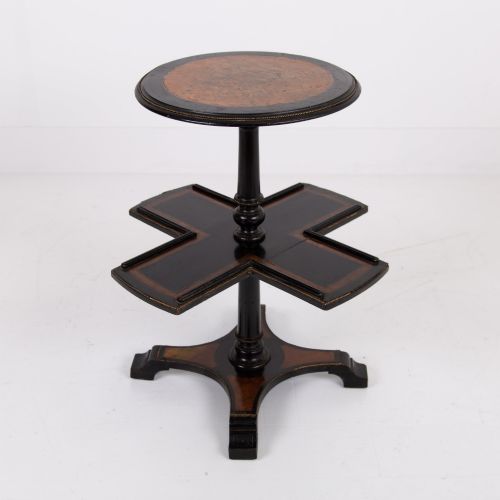
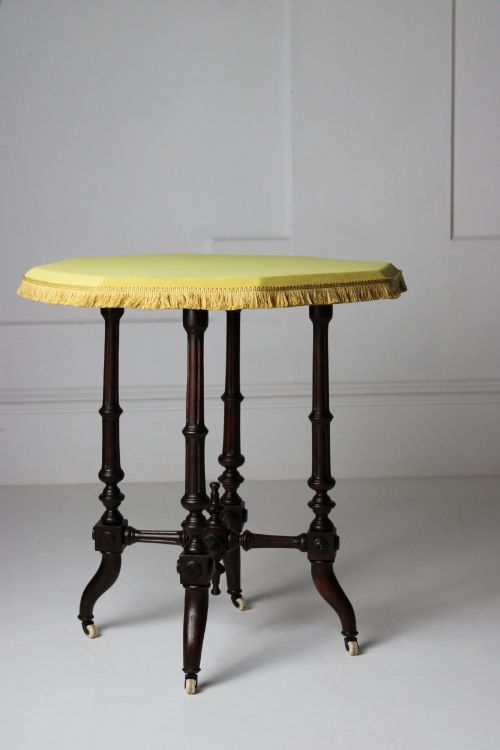
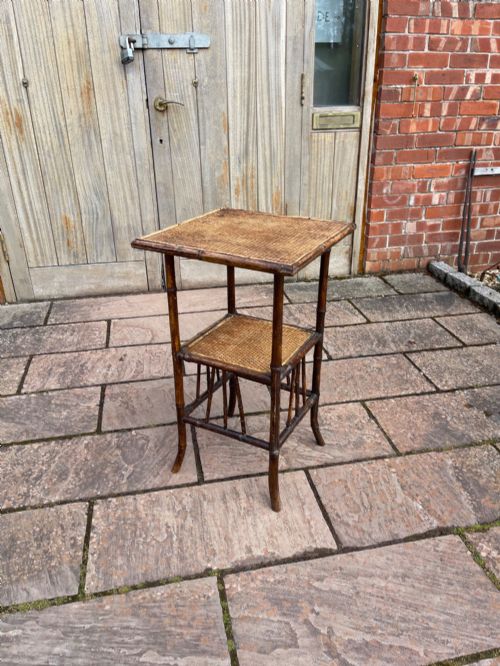
The version most commonly encountered on this page is the ebonised or bamboo occasional table, often produced in forms suitable for holding a lamp.
Pieces span the Victorian era, with origins rooted in the late nineteenth-century design reform and the subsequent Arts and Crafts movement.
How they were made
Workshops utilised ebonised hardwoods, mahogany, walnut, and natural bamboo to achieve the desired surface finish and structural lightness.
Inlay work incorporated rosewood, coromandel, and kingwood alongside specific surfaces such as Derbyshire fossil marble.
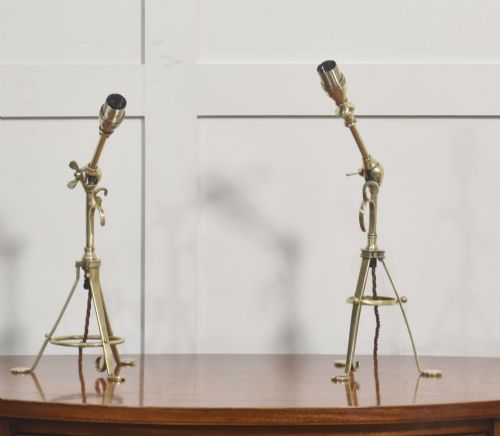
Metal components involved adjustable brass configurations for lighting fixtures and table or wall lights.
Aesthetic Movement Lamps Retail Price Guide 2026
Typical asking prices for aesthetic movement lamps among the pieces listed under this phrase on Sellingantiques today, from the lower quarter to the upper quarter. They describe what is for sale here now, not the wider market.
One exceptional table incorporates an original Derbyshire fossil marble top for resting a lamp.
What varies in quality
Construction standards depend upon the selection of timber, such as fiddleback mahogany or amboyna, and the precision of the joinery.
The complexity of inlay and marquetry distinguishes standard production furniture from exhibition quality pieces.
Attribution to documented makers and retailers provides a reliable indicator of superior workshop execution.
Gregory and Co·Hindley and Sons·Druce and Co London·Liberty and Co·Collinson and Lock·Gillows·W.A.S. Benson
The Aesthetic Movement Lamps Glossary
- Ebonised
- Wood treated with a dark stain or finish to imitate ebony. This technique was popular in nineteenth-century furniture design for creating high-contrast silhouettes.
- Anglo-Japanese
- A design style fusing British construction with Japanese decorative motifs. It emerged during the Victorian period through trade and international exhibitions.
- Marquetry
- Decorative veneer applied in patterned wood arrangements. Skilled craftspeople used contrasting timbers to form geometric or floral designs.
- Occasional table
- A small, movable table designed for specific subsidiary uses in a room. These forms include two-tier designs intended to support lamps or decorative objects.
Aesthetic Movement Lamps: Frequently Asked Questions
What defines aesthetic movement lamps?
These items reflect late nineteenth-century design reform, prioritising simplicity and craftsmanship over heavy Victorian ornamentation.
They frequently incorporate ebonised wood or bamboo structures alongside brass lighting elements.
How were these tables used?
Such pieces functioned primarily as occasional furniture within domestic reception rooms and parlours.
Their surfaces supported table lamps, oil lamps, or decorative ornaments.
How do I identify the period?
Dating relies on material combinations such as ebonised hardwood and bamboo, alongside characteristic Anglo-Japanese design motifs.
Reference to nineteenth-century production methods and recorded retail labels helps confirm manufacture dates.
Are makers' marks common?
Some pieces bear stamps or paper labels from prominent nineteenth-century retailers and cabinet makers.
Unmarked examples remain frequent due to the scale of production by various workshops.