



Adjustable Swivel Stool
An adjustable swivel stool combines height-altering mechanics with rotation, serving players at keyboards, dressing tables, and workshop benches.
Adjustable Swivel Stool
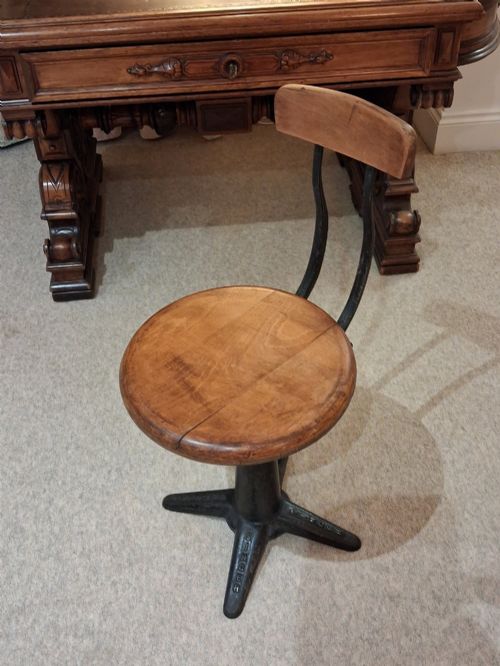
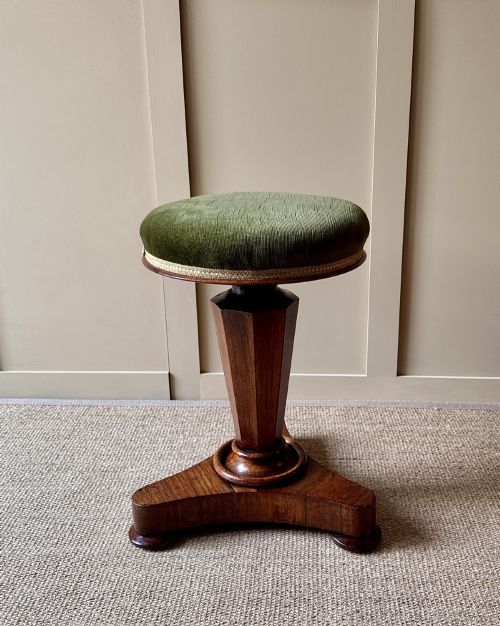
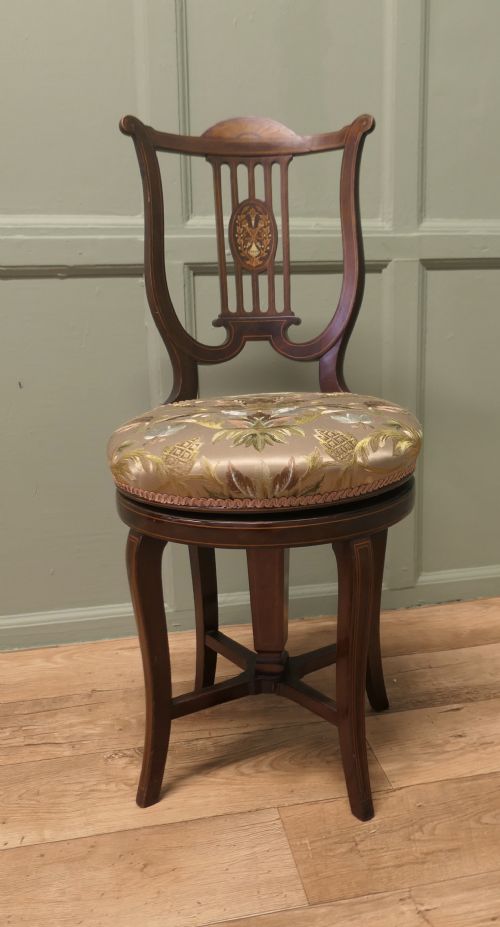
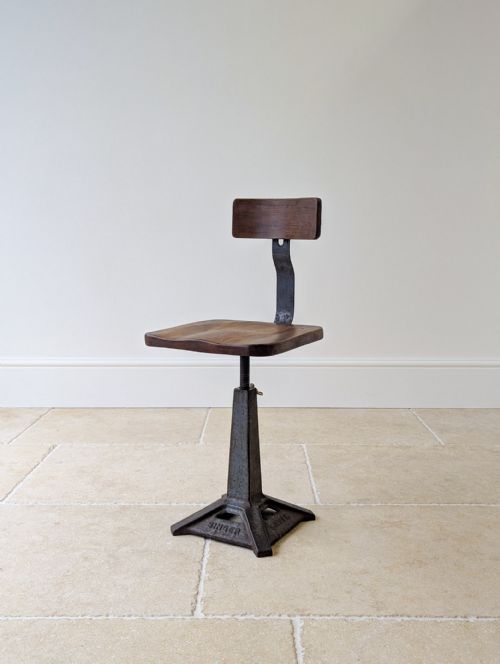
An adjustable swivel stool is primarily encountered in piano, music, and dressing table forms dating from the Victorian and Regency periods, alongside later industrial workshop variants.
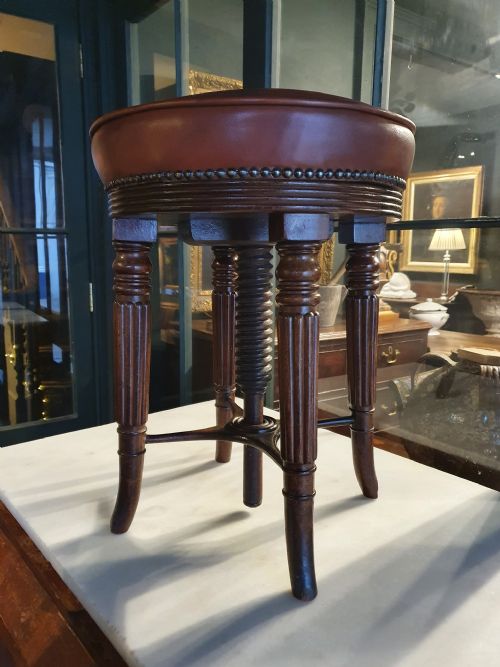
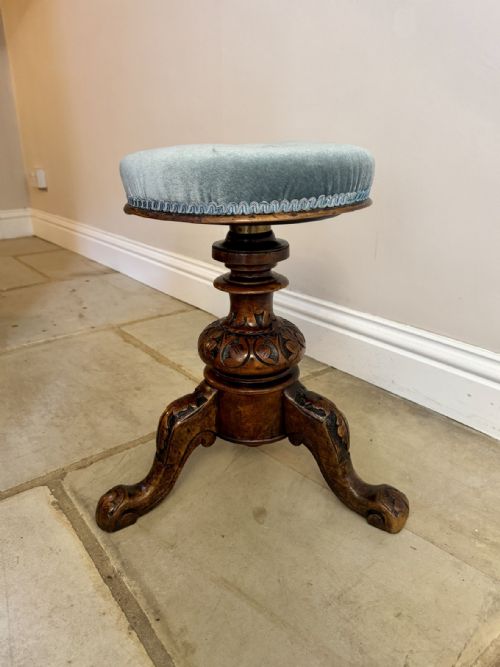
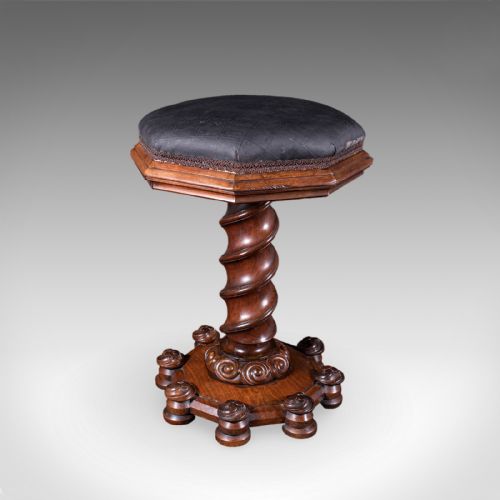
Makers shaped these pieces from timbers such as mahogany, walnut, and rosewood, incorporating revolving mechanisms for musicians and organists.
Buyers browsing this selection will find piano stools, music chairs, and revolving dressing chairs spanning the nineteenth and early twentieth centuries.
Materials and construction
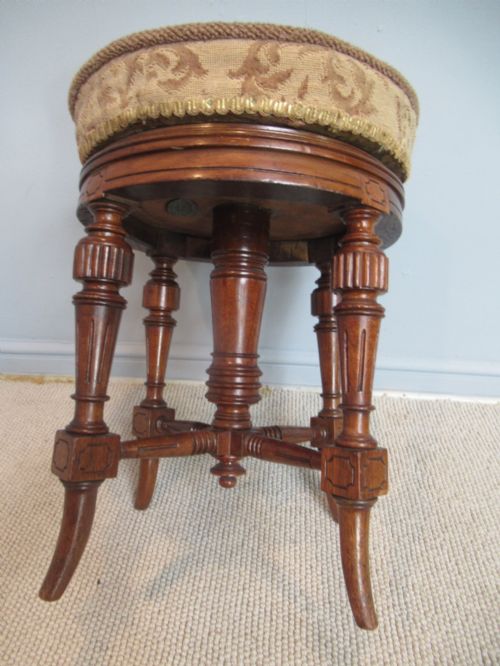
Carpenters utilised dense hardwoods like mahogany, walnut, rosewood, and elm to build the frames and swivel tops of these seats.
Mechanics often incorporated brass adjustment screws and cast iron bases to permit height alteration and rotation.
Upholstery departments finished seating areas in velvet, leather, and various fabrics.
Adjustable Swivel Stool Retail Price Guide 2026
Typical asking prices for adjustable swivel stool among the pieces listed under this phrase on Sellingantiques today, from the lower quarter to the upper quarter. They describe what is for sale here now, not the wider market.
Assessing craftsmanship
The sophistication of the timber carving and the smoothness of the revolving mechanism separate standard examples from finer pieces.
Makers who employed figured walnut, rosewood, or brass inlay alongside robust rise-and-fall screws achieved superior longevity.
Jennens & Bettridge·Gillows·Singer·Evertaut
The Adjustable Swivel Stool Glossary
- Rise & fall
- A mechanism allowing the seat height to be adjusted by turning the top.
- Revolving
- The property of a seat that rotates around a central vertical axis.
- Music stool
- A seat designed specifically for keyboard players, harpists, or organists.
- Papier-mâché
- A moulded paper pulp material utilised for decorative Victorian chair backs and panels.
- Cast iron
- A sturdy metal alloy used for the bases of industrial workshop seating.
Adjustable Swivel Stool: Frequently Asked Questions
How do adjustable swivel stools work?
Most examples utilise a threaded central screw or a mechanical rise-and-fall mechanism hidden beneath the seat. Rotating the top platform raises or lowers the sitting height.
Industrial variants often rely on cast iron threads or pins to secure the desired vertical position for workshop tasks.
Were these stools only for pianos?
While keyboard instruments required dedicated seating, many designs served multiple domestic functions. Examples double as dressing table chairs and music room seats.
Workshop variants functioned as practical seating for industrial workers and draftsmen.
What woods were commonly used?
Cabinet makers selected dense hardwoods such as mahogany, walnut, and rosewood for domestic music stools. These timbers supported intricate carvings and polished finishes.
Industrial workshop chairs typically utilised elm seats combined with cast iron frames.
How do I identify a Victorian piece?
Victorian examples frequently display turned walnut or mahogany frames, carved details, and revolving mechanisms upholstered in velvet or leather. Stylistic clues include Arts and Crafts or classical revival motifs.
Construction methods and timber selection help distinguish these nineteenth-century pieces from later twentieth-century industrial designs.