

Adjustable Reading Light
An adjustable reading light brings direct illumination to a desk or chair, combining mechanical movement with period metalwork.
Adjustable Reading Light
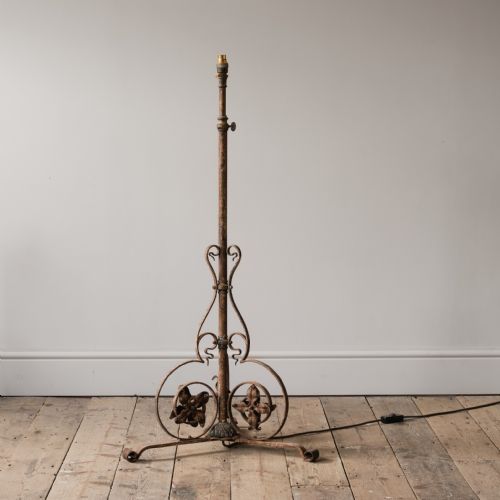
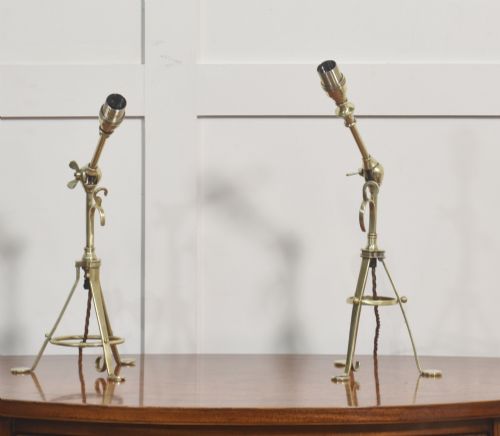
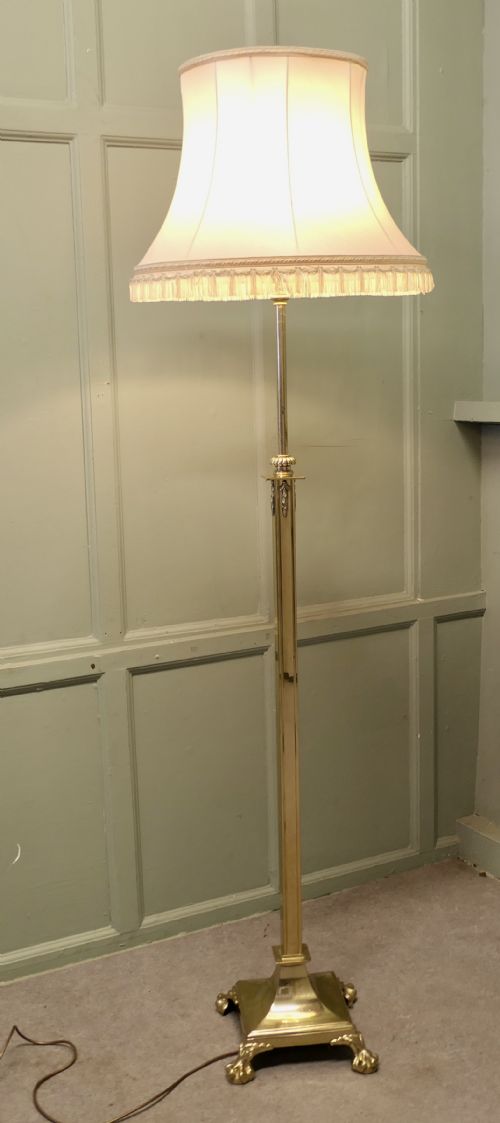
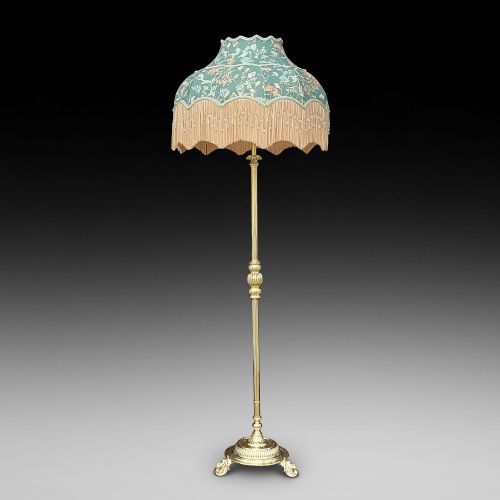
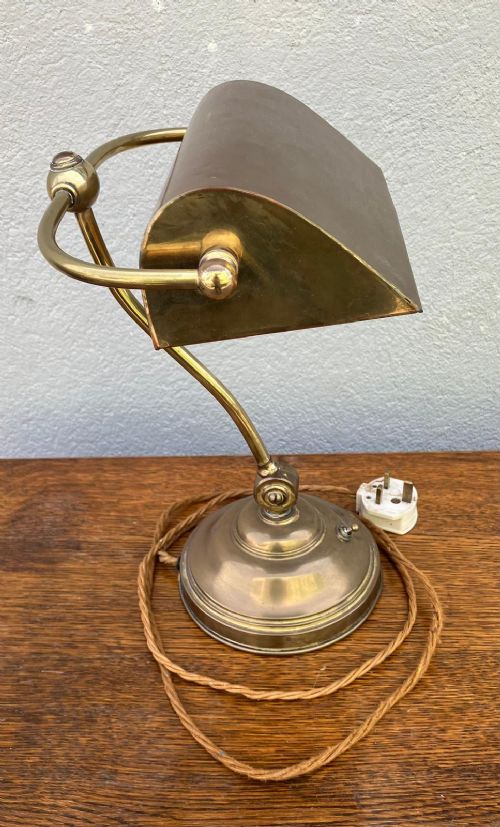
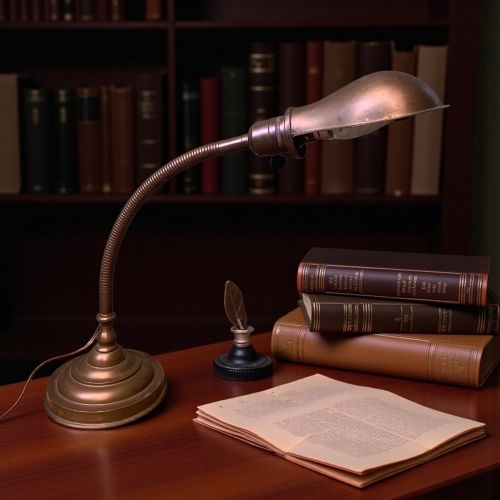
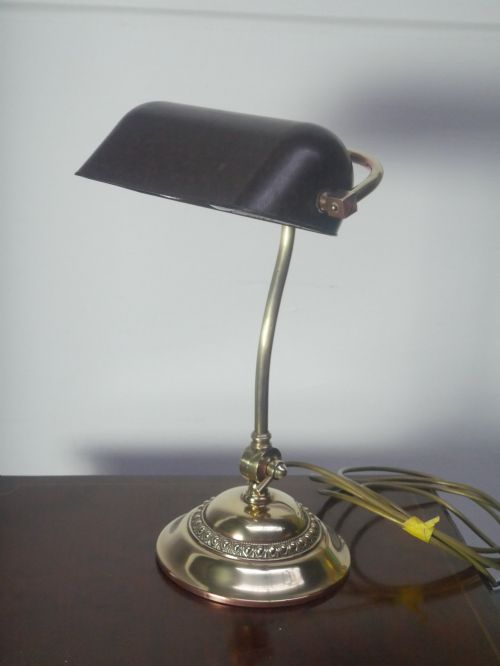
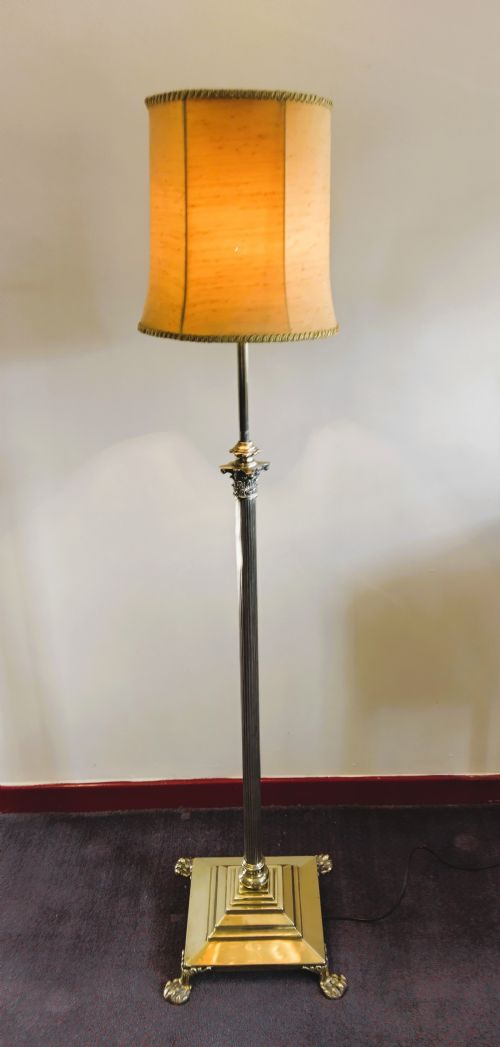
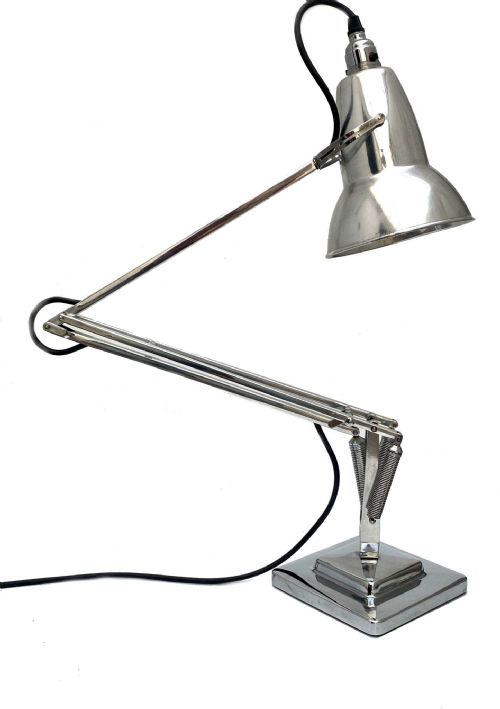
An adjustable reading light serves to direct illumination precisely where it is required, utilising mechanical joints, arms, or telescopic stems to alter height and angle. When exploring adjustable reading light options, buyers encounter forms ranging from heavy floor-standing standards to compact desk and wall fixtures.
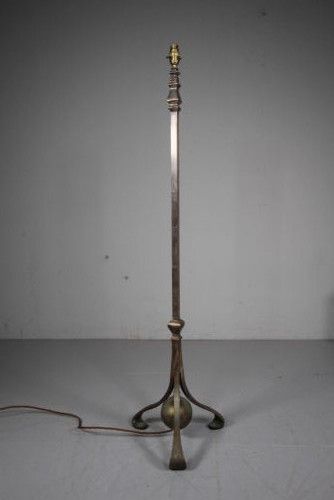
The selections span the Victorian, Edwardian, and Art Deco periods, alongside pieces dating through the nineteenth and early twentieth centuries. Floor lamps, table lamps, and desk lamps dominate the offerings, originating from workshops and makers employing brass, chrome, wrought iron, and toleware.
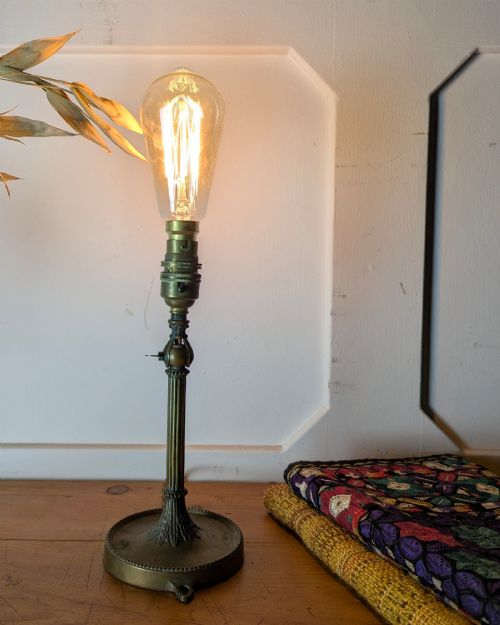
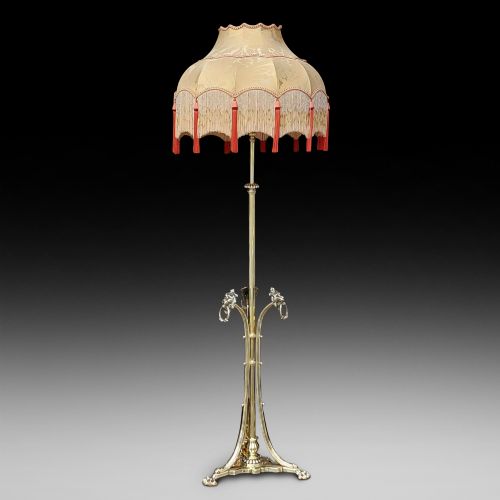
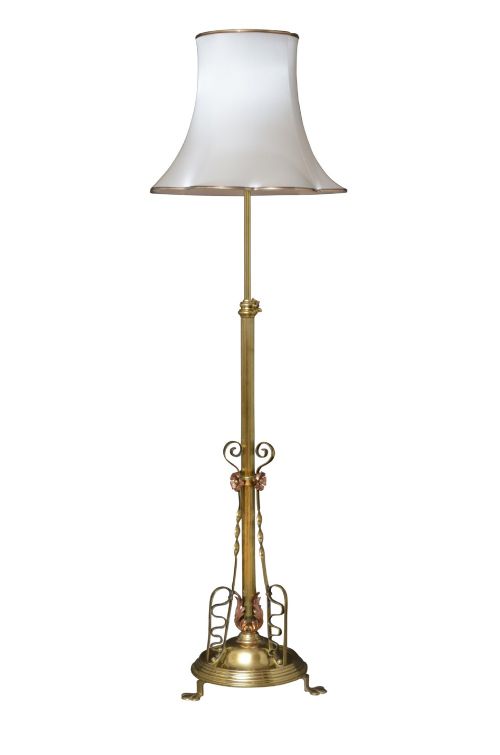
Victorian and Edwardian examples often feature telescopic brass mechanisms or oil lamp conversions, whilst later pieces embrace the clean lines of Art Deco chrome and industrial designs. Buyers frequently find dual-purpose items, such as desk or wall lights and swing-arm floor lamps, engineered for practical positioning in domestic spaces.
Materials and Construction
Makers constructed these reading lamps predominantly in brass, iron, and steel, utilising metal-working techniques appropriate to the period, such as casting, forging, and turning. Telescopic shafts, threaded collars, and swivel joints allow the height and reach to shift smoothly.
Surface treatments vary from polished brass to patinated bronze, black columns, silver plate, and painted toleware finishes in green and gold. Shades introduce contrasting textures in fabric, glass, and metal, sometimes paired with shell-shaped bases or original fabric coverings.
Listings feature adjustable reading lights spanning the Victorian, Edwardian, and Art Deco eras, constructed in brass, chrome, iron, and toleware.
Assessing Quality and Manufacture
The calibre of an adjustable reading light rests in the precision of its mechanical joints and the heft of its materials. Solid brass castings, well-threaded telescopic stems, and balanced bases indicate superior execution over lighter, stamped alternatives.
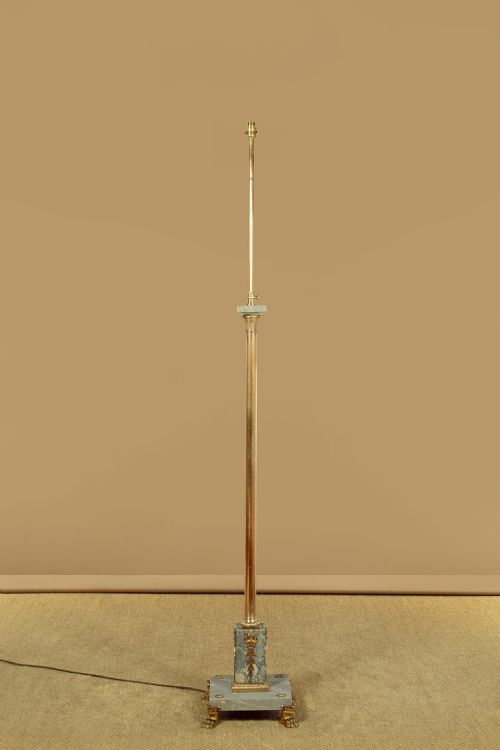
Design integrity distinguishes standard production from finer pieces, particularly where decorative elements like Arts and Crafts copper work, French Empire styling, or neoclassical columns are integrated into the adjustable framework.
W.A.S. Benson·Herbert Terry·Wild And Wessel·Pirouette
The Adjustable Reading Light Glossary
- Telescopic
- A construction method utilising concentric tubes that slide one inside another to adjust height. This mechanism allows a floor or desk lamp to extend upwards or collapse down.
- Toleware
- Painted or lacquered metalware, frequently iron or tinplate, often finished in dark green with gilt decoration. It appears commonly on bouillotte and desk lamp shades.
- Standard Lamp
- A traditional British term for a floor-standing lamp designed to sit beside a chair or table. These often incorporate adjustable arms or height-changing stems.
- Gimble
- A pivoting ring mounting that allows a lamp to remain level regardless of the angle of its base. These derive from maritime fittings used on ships and trains.
Adjustable Reading Light: Frequently Asked Questions
How do I adjust the height on a Victorian standard lamp?
Victorian standard lamps typically employ a telescopic brass stem secured by a thumbscrew or collar near the upper section. Loosening this mechanism permits the inner shaft to slide up or down before tightening to hold the position.
Care must be taken to support the weight of the upper fitting during adjustment to prevent sudden slipping or strain on the internal wiring and threads.
Were these lights originally electrified?
Many nineteenth-century and early twentieth-century examples began as oil lamps, candle lamps, or gas fixtures before undergoing conversion to electricity later in life. Some retain elements from their original burning period alongside contemporary wiring.
Rewired floor and desk lamps integrate modern electrical components while preserving the historical telescopic stems, heavy brass bases, and original shades where present.
Where were gimble lamps used?
Gimble lamps were engineered for use on ships, trains, or vehicles where movement and vibration required the light source to remain balanced. The pivoting ring mounting keeps the burner or bulb upright regardless of the surface angle.
In domestic settings, these pieces provide a compact, industrial lighting option that can be mounted to walls or placed on desks with directional pivot control.
What is a bouillotte lamp?
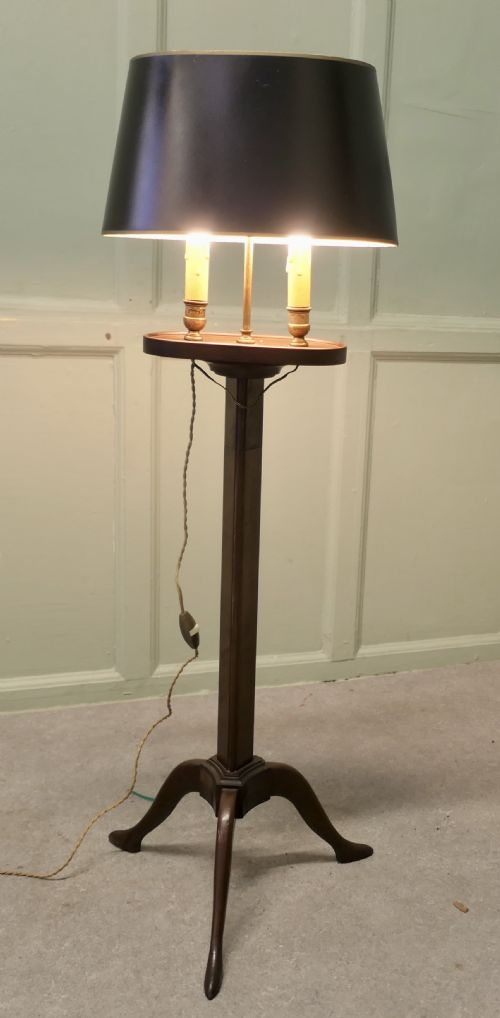
A bouillotte lamp is a traditional card-table light featuring a central candle or bulb arrangement beneath an adjustable metal shade. The shade slides up and down on a vertical rod to control the spread of illumination.
Originating in France, these antique table lamps combine brass, gilt metal, and painted toleware, offering a refined profile suited to desks and side tables.