




Adjustable Brass Lamp Stand
An adjustable brass lamp stand brings functional height-changing brilliance to a room, offering period lighting built with telescopic columns.
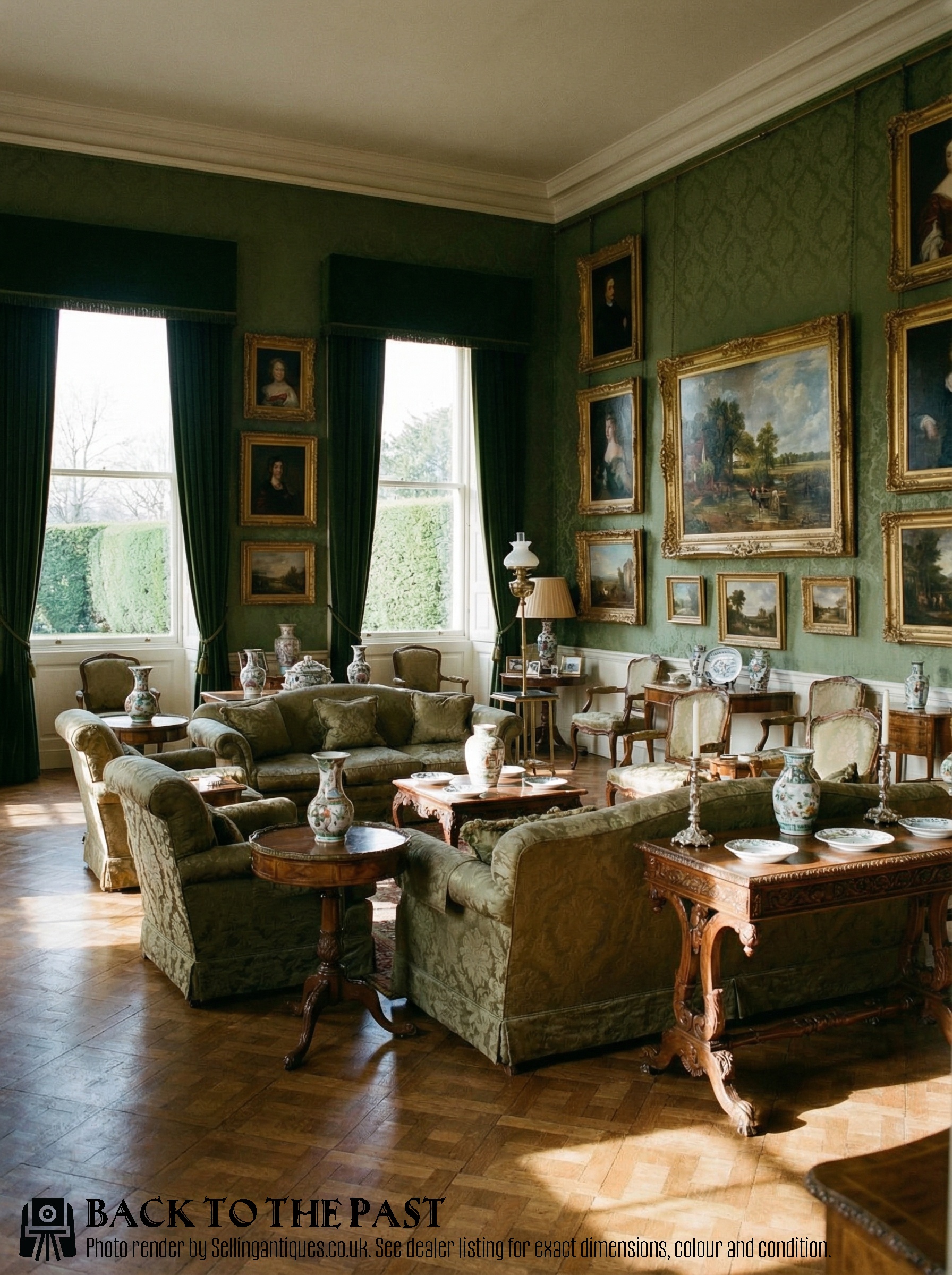
Adjustable Brass Lamp Stand
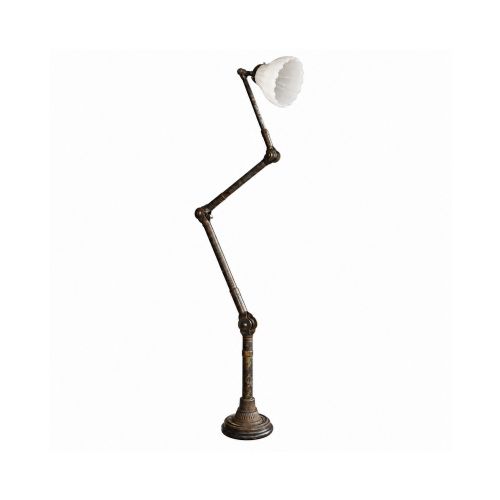
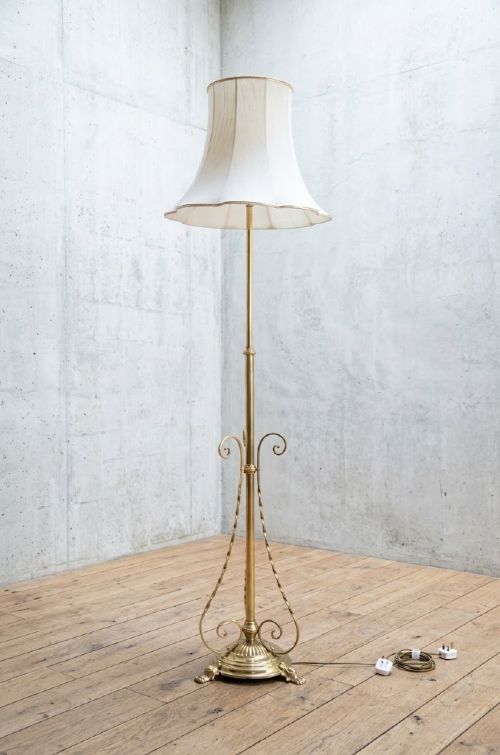
An adjustable brass lamp stand comprises tall floor-standing lighting fixtures designed to alter in height through telescopic mechanisms or sliding stems. When searching for this phrase, collectors encounter pieces spanning the Victorian and Edwardian eras, alongside Arts and Crafts and Art Nouveau interpretations.
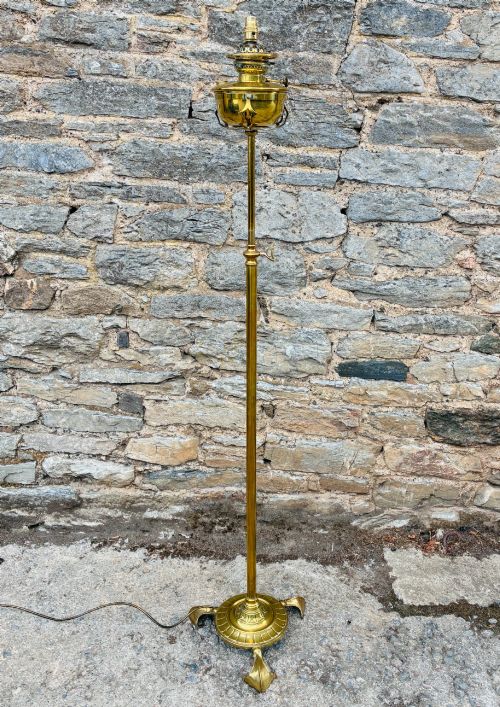
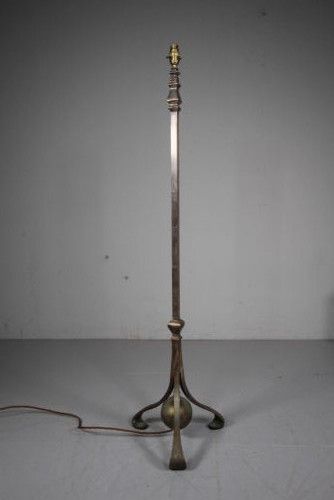
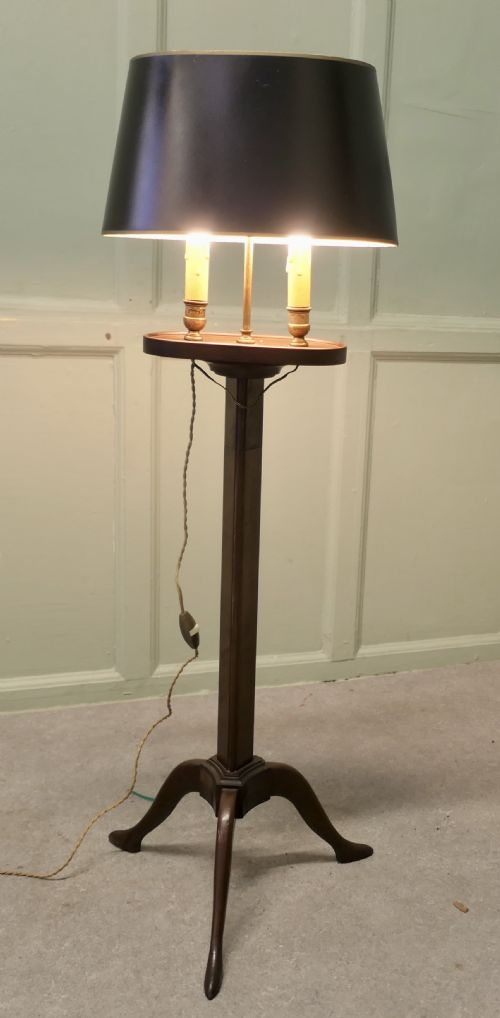
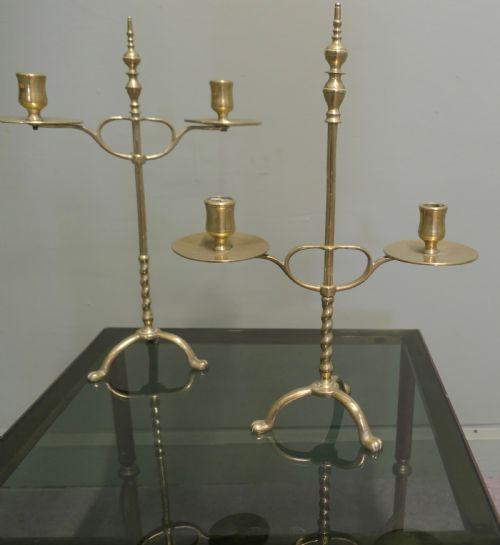
The standard floor lamps and standard oil lamps often feature weighted bases or tripod supports to ensure stability when extended. Many period examples began life as oil lamps before undergoing conversion to electric light during subsequent decades.
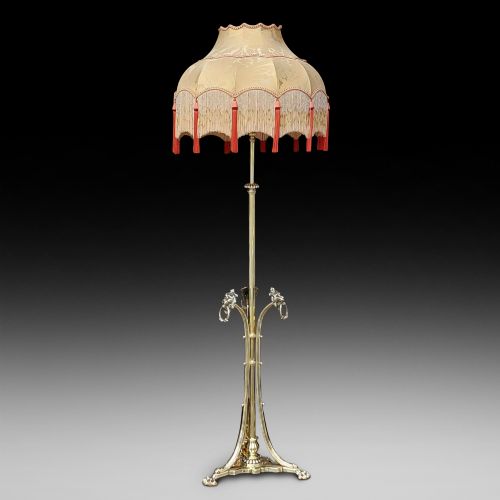
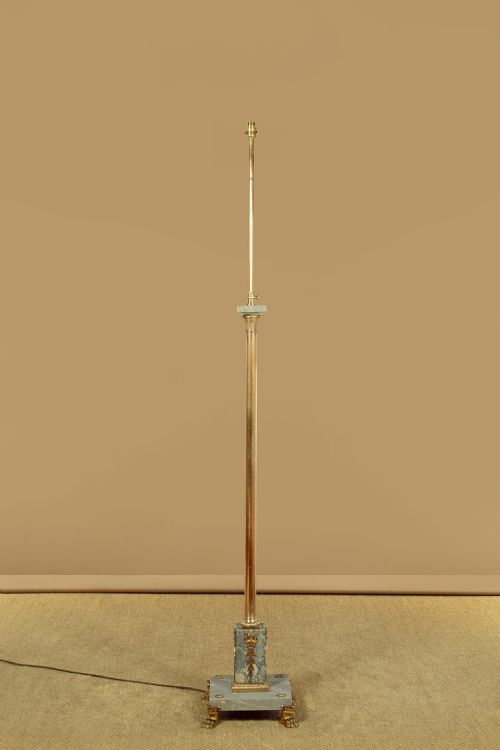
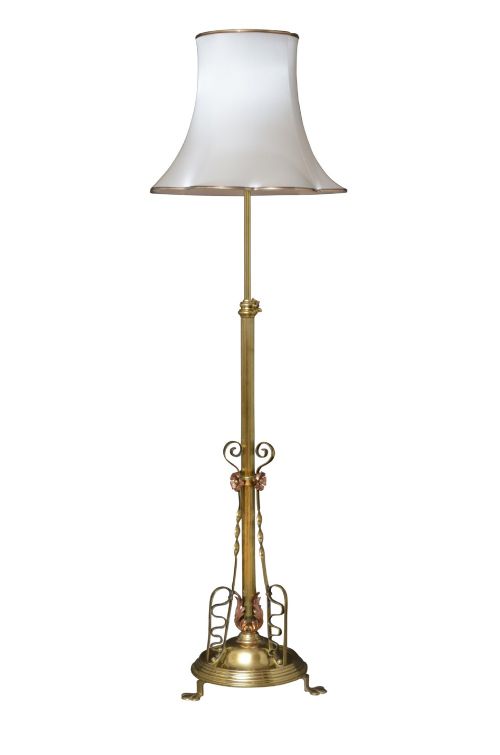
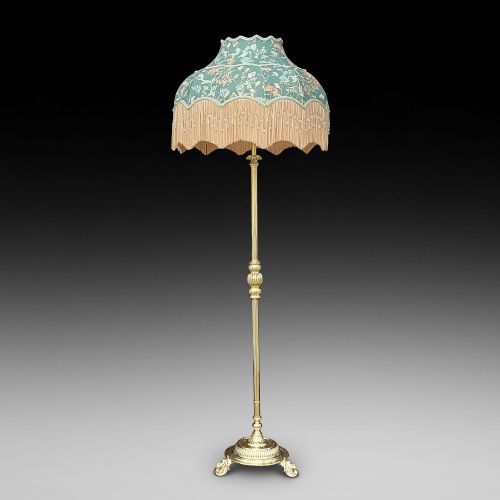
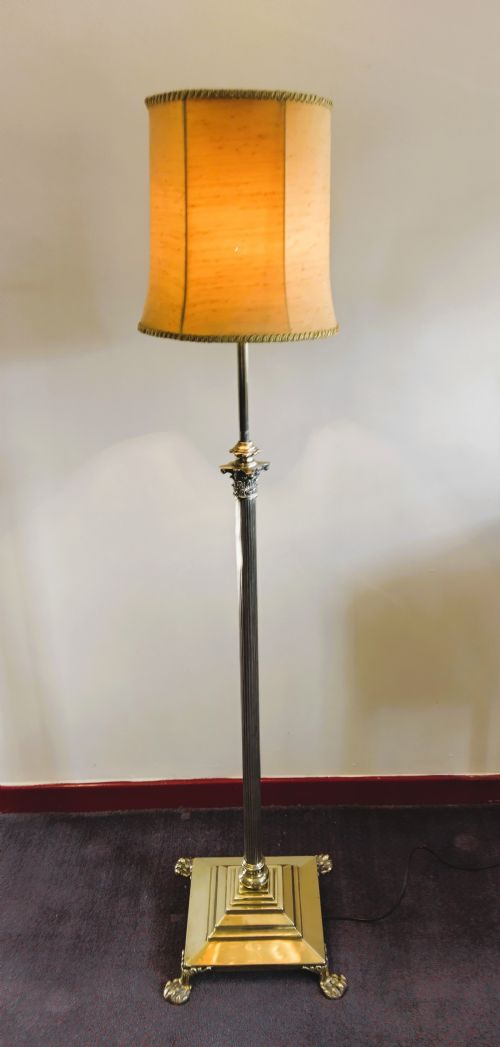
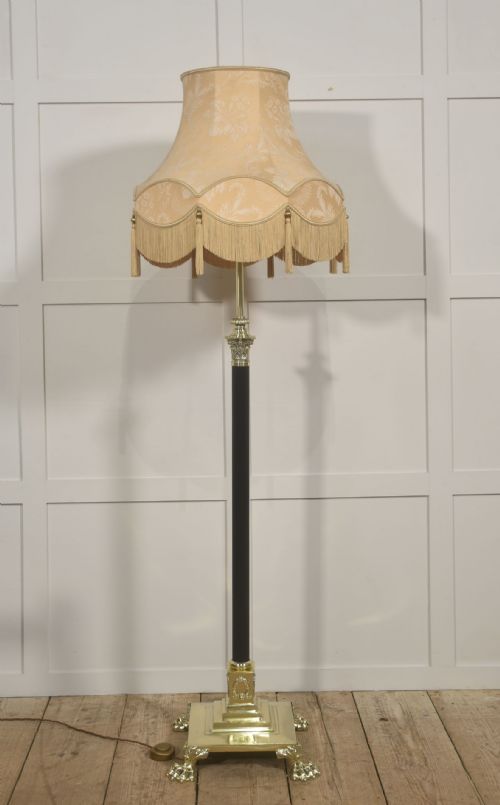
The dominant forms include Corinthian column standards, slender multi-tier shafts, and heavy brass poles paired with fabric, silk or glass shades. Original drawing room pieces and student lights dominate the surviving inventory.
What varies in quality
Quality rests in the heft of the cast components, the precision of the sliding telescopic mechanism, and the integrity of the column fluting or chased detailing. Superior examples exhibit substantial gauge brass that resists bending under the weight of the fitting and shade.
The distinction between ordinary production and finer work lies in the casting crispness of capitals, such as Corinthian acanthus leaves, and the smooth, binding-free operation of the height-adjustment screw or collar.
A Bleriot searchlight from 1910 proves that someone once decided their drawing room needed the photometric intensity of an early aeroplane.
W A S Benson
The Adjustable Brass Lamp Stand Glossary
- Telescopic
- Describing a standard lamp that extends upwards through nested sliding tubes. This design allows the total height of the stem to increase or decrease smoothly.
- Corinthian Column
- A classical column style featuring an ornate capital decorated with acanthus leaves. This architectural form was frequently adapted for Victorian floor lamp stands.
- Standard Lamp
- A traditional British term for a tall floor-standing lamp base. These pieces support reading lights, oil fonts, or electric shade assemblies.
- Student Light
- A smaller adjustable lamp design historically used on desks or beside reading chairs. They often feature twin arms or directional brass shades.
- Rise and Fall
- An alternative mechanical description for height-adjustable lighting fixtures. It denotes a weighted or screw-locked stem that travels vertically.
Adjustable Brass Lamp Stand: Frequently Asked Questions
How do I adjust the height safely?
Most pieces rely on a side thumbscrew or internal friction collar that holds the sliding brass tube in position. Support the upper section with one hand while loosening the fastener to prevent sudden drops.
Ensure the lamp is unplugged or balanced securely before altering the height, particularly if the fitting carries a heavy glass shade or historic oil reservoir.
Were these originally oil lamps?
A large proportion of Victorian and Edwardian standards started as oil-burning lamps featuring brass fonts and burners at the summit. These were subsequently wired for electricity as households modernised during the twentieth century.
Traces of the original conversion, such as burner galleries or threaded collars, remain visible on many surviving examples without detracting from their character.
How do I date an adjustable standard lamp?
Stylistic details such as Corinthian capitals, wrought iron tripod legs, or sinuous Art Nouveau cast bases provide the primary chronological clues. Victorian examples often display heavier classical casting, while Edwardian and 1920s pieces lean towards slender columns and Arts and Crafts simplicity.
Patination on the brass surface and the specific engineering of the telescopic joints also help establish the manufacturing period.
Can I use modern lamp shades on them?
Standard fitter rings on contemporary shades can usually be adapted to fit historical brass galleries using appropriate reducer rings or shade carriers. Pay attention to the proportion between the height of the tall brass stand and the diameter of the shade.
Silk, fabric, and glass shades replicate the original materials recorded across the period inventory, maintaining the intended visual balance.