
Vintage Brass Reading Table
A vintage brass reading table or adjustable lamp brings focused task lighting and period character to a desk or reading corner.
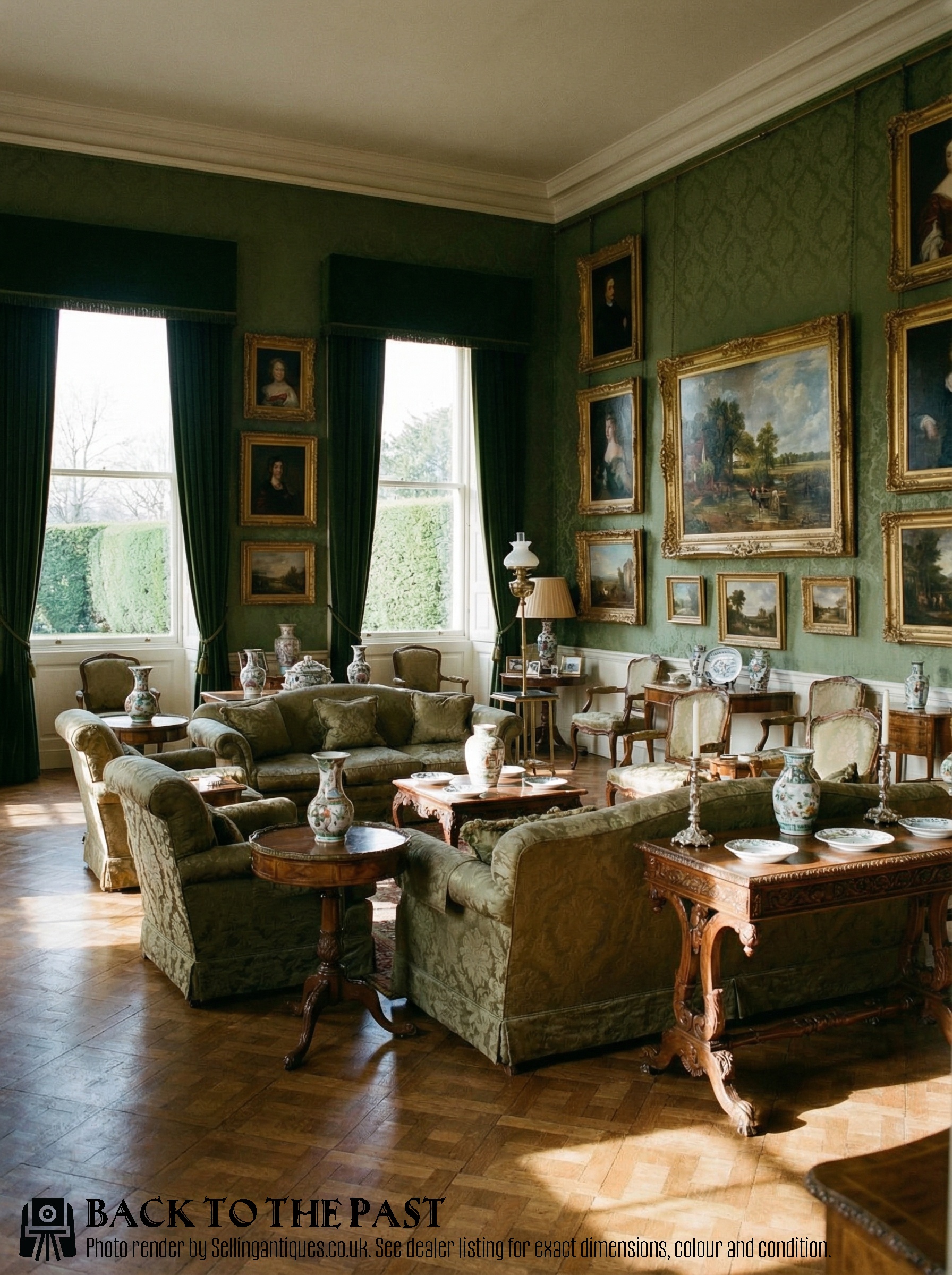
Vintage Brass Reading Table
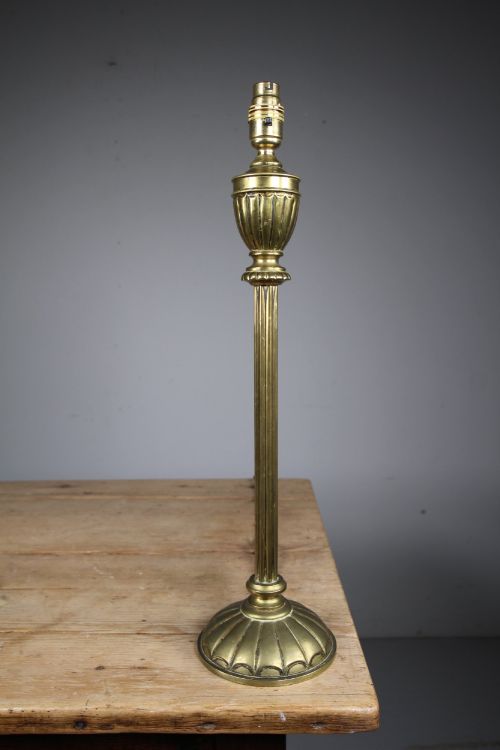
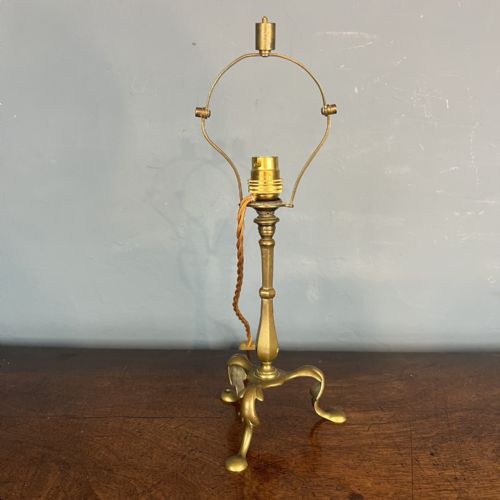
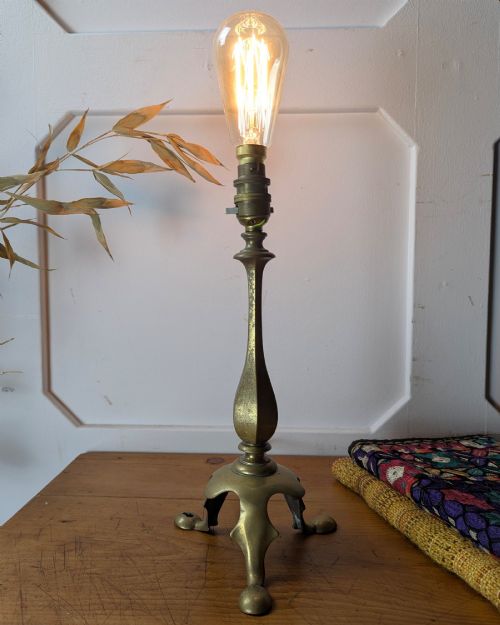
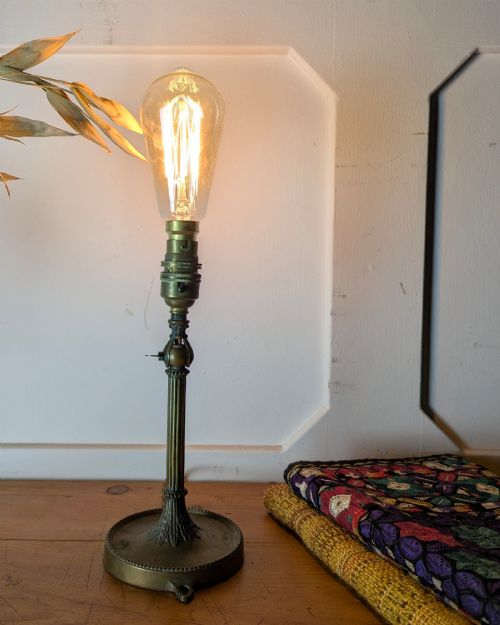
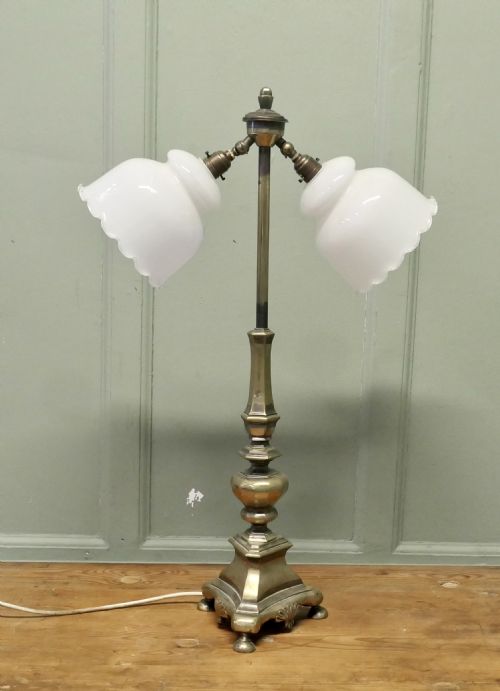
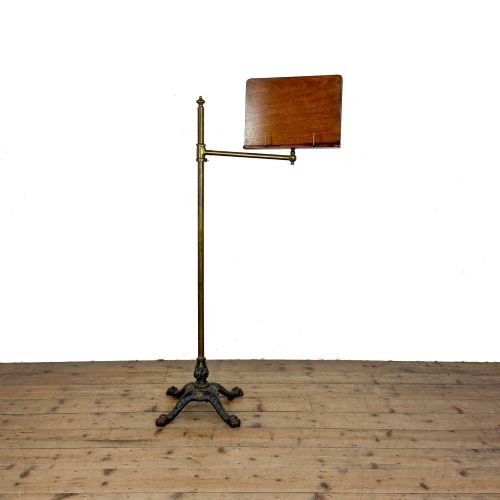
A vintage brass reading table and its related lighting variants span the Victorian, Edwardian, and early twentieth-century periods. These pieces include adjustable desk lamps, Pullman lamps, reading stands, and student lamps designed for functional illumination.
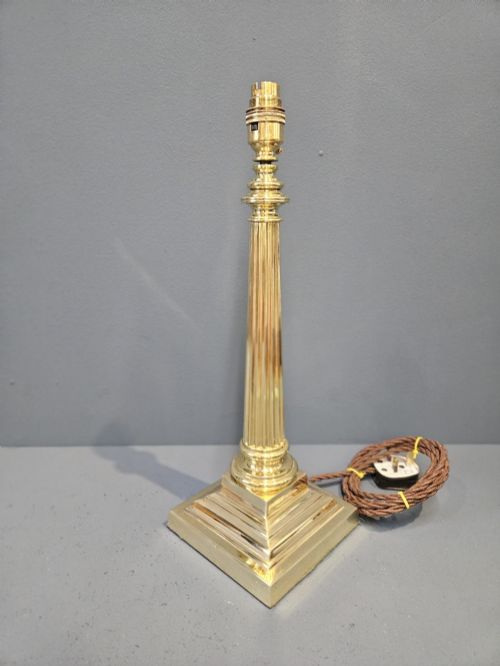
Origins stretch across English workshops, French foundries, and continental makers, uniting utilitarian engineering with decorative metalwork. Buyers encounter everything from heavy reeded columns to utilitarian bankers and flexible task lamps.
Materials and Technique
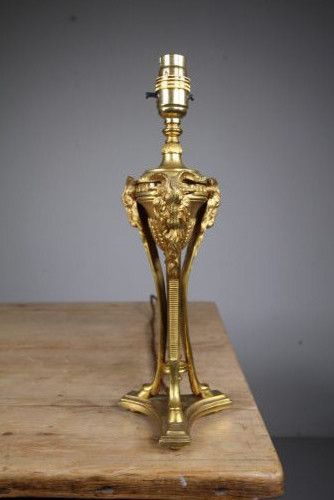
Construction relies primarily on cast and turned brass, gilt bronze, and ormolu, occasionally paired with marble, glass, onyx, or wood bases. Metal components are often patinated, polished, or gilded to achieve distinct surface finishes.
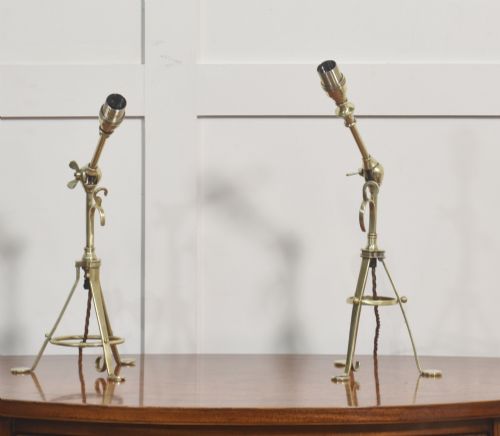
Mechanical adjustability is achieved through hinges, weighted arms, and pivoting joints that allowed users to direct light precisely where needed. Many surviving examples retain period fabric shades, glass shades, or original electrical and oil-burning fittings.
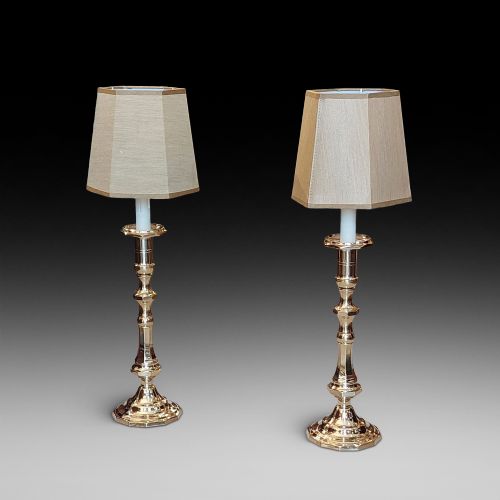
Materials appearing across current inventory include cast brass, gilt bronze, marble, onyx, and coloured glass shades.
Craftsmanship and Proportion
Quality rests in the weight of the metal casting, the crispness of classical detailing on columns, and the smoothness of mechanical joints on adjustable arms. Superior examples demonstrate substantial gauge brass and balanced weight distribution.
The presence of original components, such as specialised student lamp implements, specialised shades, and maker markings, separates standard production items from distinguished gallery pieces.
W.A.S. Benson·Wild and Wessel
The Vintage Brass Reading Table Glossary
- Pullman lamp
- A compact lighting fixture originally designed for use on railway carriages or tight spaces where secure wall or table mounting was required.
- Ormolu
- Gilded bronze utilised for decorative mounts and decorative lighting components during the nineteenth century.
- Corinthian column
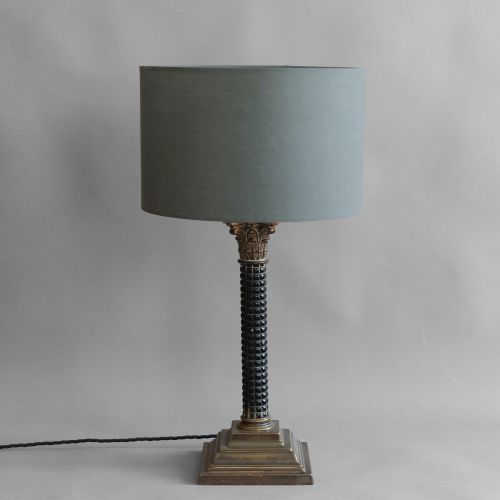
- An architectural order featuring ornate acanthus leaves on the capital, frequently adapted for nineteenth-century lamp standards.
- Student lamp
- A nineteenth-century adjustable lamp featuring an oil reservoir offset from the burner to maximise downward light coverage for reading and writing.
- Patination
- The natural surface oxidation and ageing accumulated on brass and bronze over decades of exposure to air and handling.
Vintage Brass Reading Table: Frequently Asked Questions
How do I use a vintage reading lamp today?
These lamps fit naturally on executive desks, bedside tables, or reading nooks where direct task lighting is required. Many models offer adjustable arms or swivelling heads to position the beam precisely over books or documents.
Ensure that period wiring is checked or updated by a qualified professional before regular daily use. Pairing the fixture with a warm LED bulb helps preserve internal components while providing adequate illumination.
Were these lamps originally for oil or electricity?
Many nineteenth-century examples started life as oil or paraffin lamps before being converted to electricity during later twentieth-century refurbishments. Student lamps and column lamps frequently retain traces of their original fuel reservoirs or wick mechanisms.
Later Edwardian and 1920s pieces were often manufactured specifically for electrical wiring, sometimes incorporating early flexible tubing and specialised desk shades.
How do I date a brass reading lamp?
Dating relies on stylistic clues, manufacturing techniques, and electrical or mechanical fittings. Victorian examples often favour heavy classical columns and elaborate ormolu cast work, while 1920s pieces lean towards streamlined adjustable arms and utilitarian desk forms.
Maker stamps, patent numbers, and switch types also provide reliable chronological markers when evaluating older lighting fixtures.
What maintenance do antique brass lamps require?
Regular dusting with a dry microfiber cloth prevents grime build-up on intricate cast brass and fluted columns. Avoid abrasive commercial metal polishes that strip away historical patination and soften crisp surface details.
Period fabric or glass shades require gentle cleaning with appropriate soft brushes or mild soapy water depending on the specific material composition.