
9ct Gold Jewellery
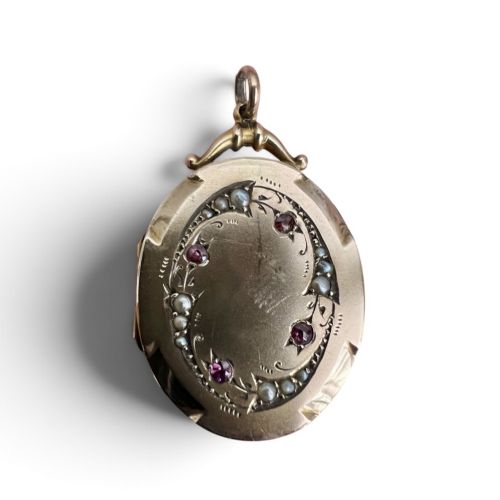
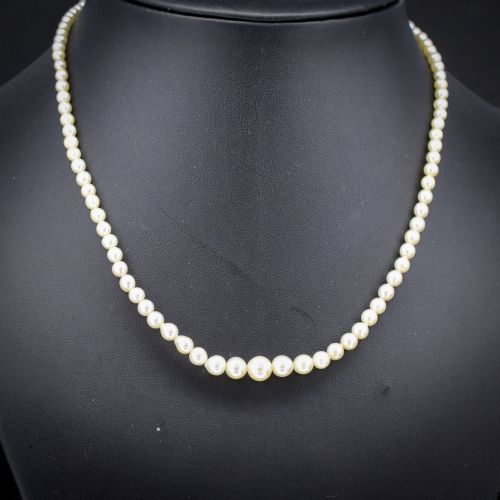
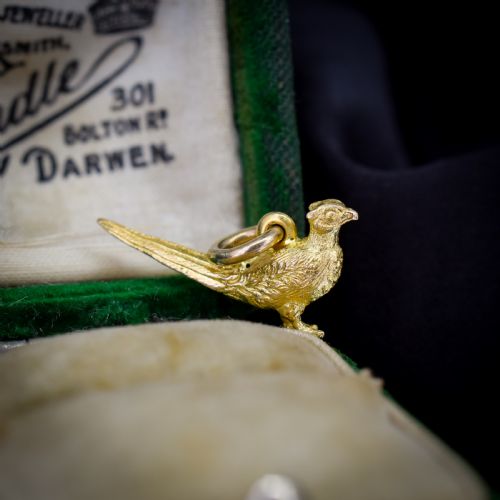
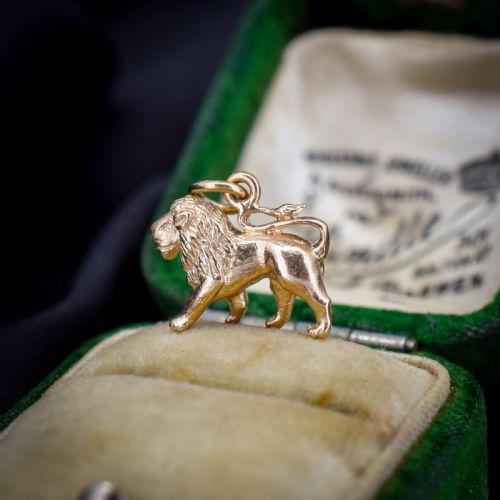
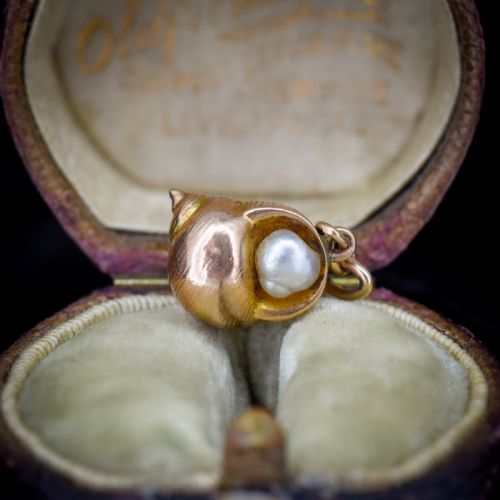
When you search for 9ct gold jewellery, you are looking at rings, bracelets, pendants, and brooches formed from gold alloy alongside pearls, garnets, and turquoise.
9ct Gold Jewellery
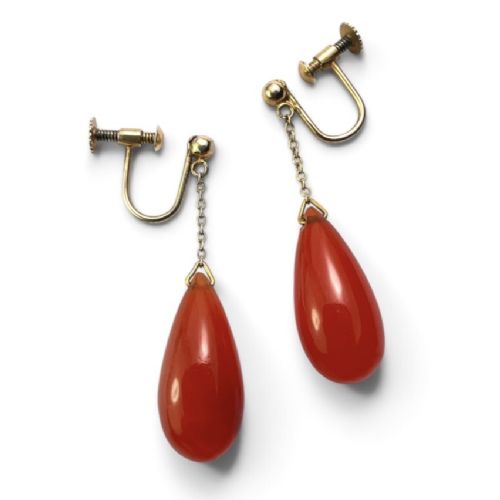
When searching for 9ct gold jewellery, a buyer encounters a wide span of forms including rings, bracelets, bangles, necklaces, pendants, charms, and drop earrings. These pieces originate from multiple periods such as Victorian, Edwardian, Art Deco, and Mid-Century eras.
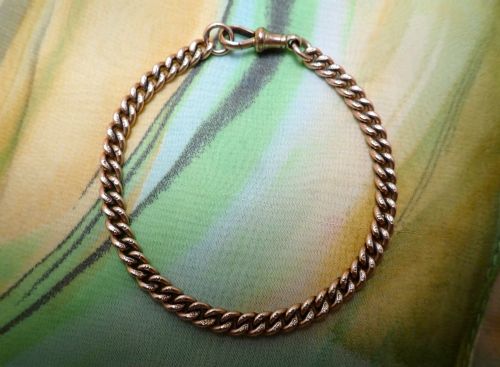
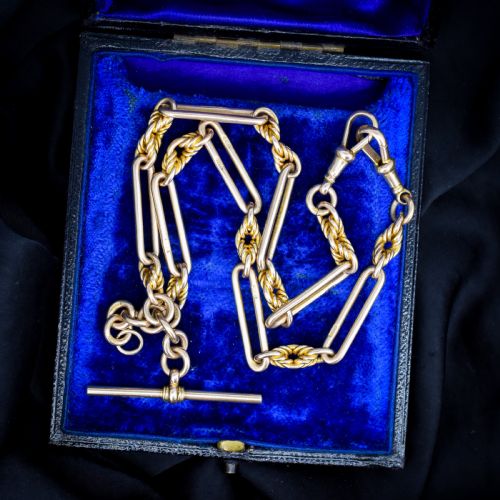
The version most commonly met on this page is the Edwardian or Victorian pendant, brooch, or chain, alongside mid-century charms and rings. Items range from heavy curb link Albert chains to delicate seed pearl and turquoise cluster designs.
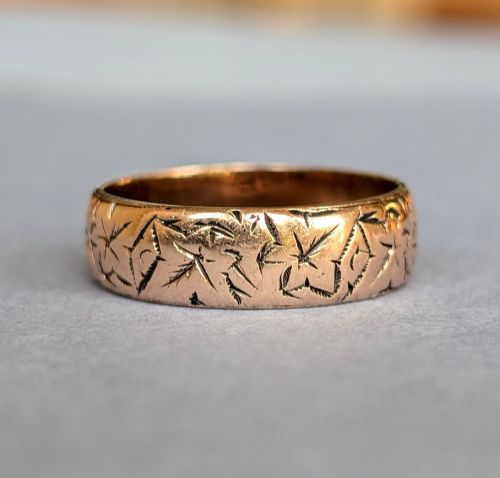
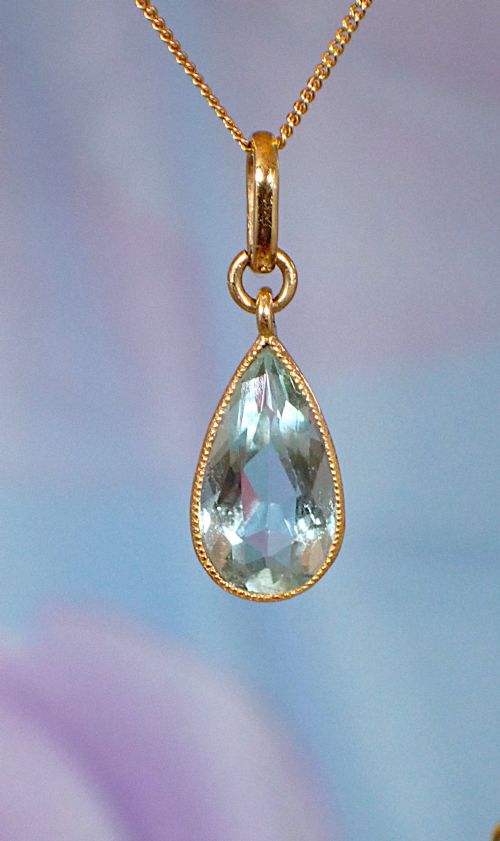
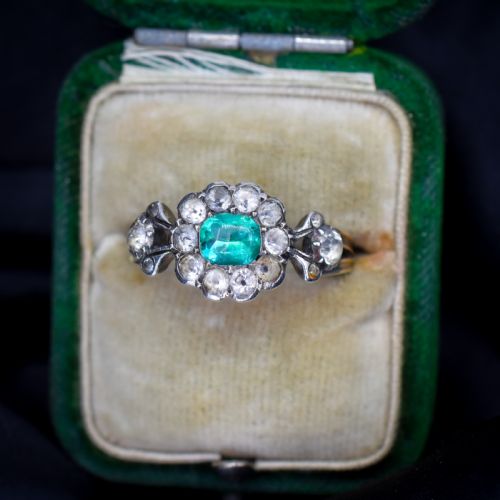
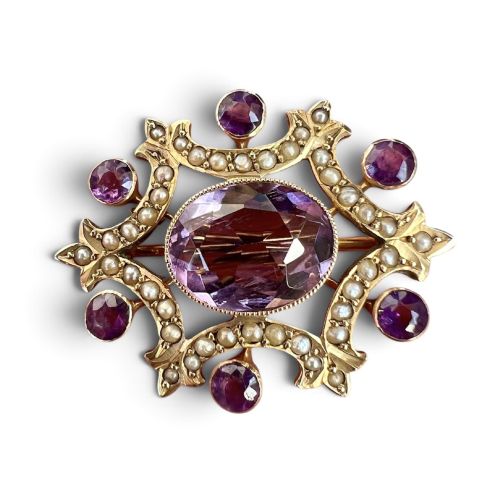
Makers and workshops of the past utilised this alloy to set stones like aquamarine, amethyst, ruby, and green paste. Buyers find everything from heavy engraved wedding bands to intricate starburst brooches.
Materials and methods of construction
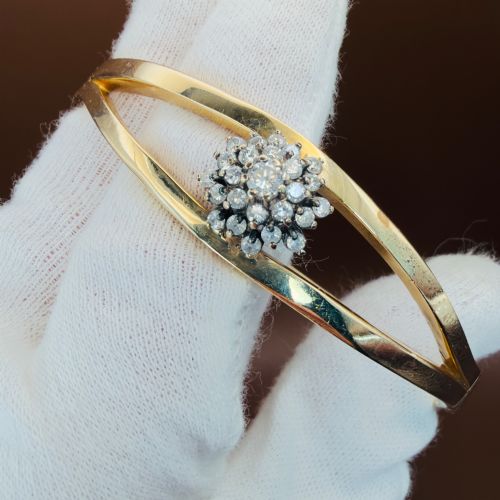
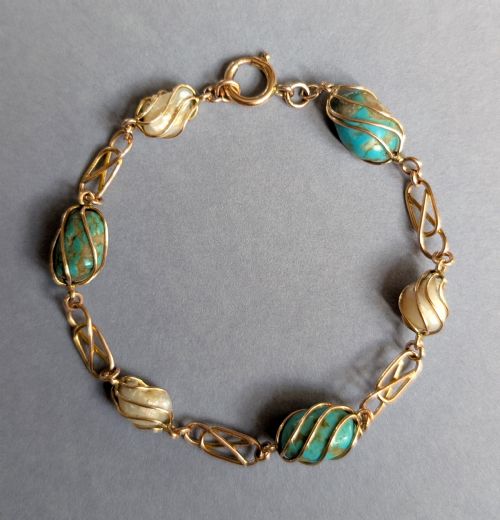
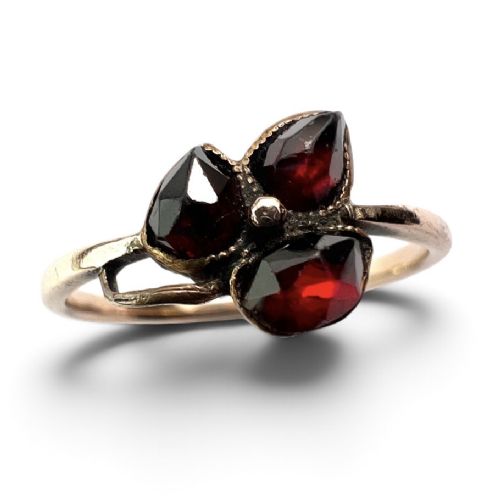
The pieces on this page are constructed from 9ct yellow gold and 9ct rose gold, combined with natural stones and organic materials. Jewellers mounted seed pearls, turquoise, garnets, diamonds, and aquamarines directly into the gold settings.
Techniques visible across the inventory include hand engraving, hollow or tubular bar formation, and link assembly for watch chains and charm bracelets. Settings incorporate prong work for clusters and bezels for intaglio signet rings.
9ct Gold Jewellery Retail Price Guide 2026
Typical asking prices for 9ct gold jewellery among the pieces listed under this phrase on Sellingantiques today, from the lower quarter to the upper quarter. They describe what is for sale here now, not the wider market.
Distinctions in craftsmanship and design
Quality in these items is determined by the depth of hand engraving and the structural integrity of the links, clasps, and settings. Heavier gram weights on items like curb link bracelets and bangles indicate substantial metal use.
Design complexity also separates standard items from exceptional examples, such as multi-stone negligee necklaces or detailed pictorial charms. The selection and matching of seed pearls or coloured gemstones affect the overall visual harmony.
Deakin & Francis
The 9ct Gold Jewellery Glossary
- Albert chain
- A pocket watch chain often adapted as a necklace. These chains feature trombone or curb links and frequently retain dog clips.
- Seed pearl
- A very small, naturally formed pearl used extensively in Victorian and Edwardian clusters. They are typically half-drilled and glued or pegged onto a backing.
- Negligee necklace
- A pendant style featuring asymmetrical drop elements suspended at different lengths. This design was popular during the Edwardian and Arts and Crafts periods.
- Paste
- Hand-cut glass or lead crystal used to imitate gemstones. In older pieces, paste is often foil-backed to enhance brilliance.
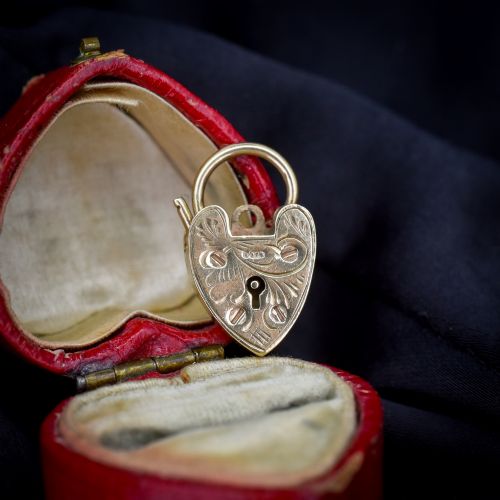
- Padlock charm
- A small lock-shaped pendant worn on charm bracelets or necklaces. Many vintage examples open via a functional spring mechanism.
9ct Gold Jewellery: Frequently Asked Questions
What periods do these pieces come from?
The pieces span from the Victorian and Georgian eras through the Edwardian period and into the mid-twentieth century. You will find distinct design characteristics unique to each decade.
Items reflect the prevailing aesthetic tastes of their time of manufacture, ranging from floral gemstone clusters to heavy interlocking chains.
How do I identify rose gold from yellow gold?
Rose gold contains a higher proportion of copper in the alloy mixture, giving it a distinct reddish or pinkish hue. Yellow gold maintains a warmer, more traditional golden colour.
Both variations were utilised across Victorian and Edwardian workshops, sometimes combined within a single piece.
How were antique watch chains worn?
Original Albert chains were designed to secure pocket watches to a gentleman's waistcoat. Today, they are frequently worn around the neck as substantial link necklaces.
Many retain their original dog clips and T-bars, which now serve as decorative fastening elements.
What stones are typically set in these items?
Common stones include seed pearls, turquoise, garnets, aquamarines, and amethysts. Diamonds and paste stones also appear across various rings and pendants.
Stones are generally set in claw mounts, bezels, or flush settings depending on the era and the piece type.