




9ct Gold Fob
A 9ct gold fob brings together period craftsmanship and traditional watch attire, offering wearable history through seals, charms and swivel designs.
9ct Gold Fob
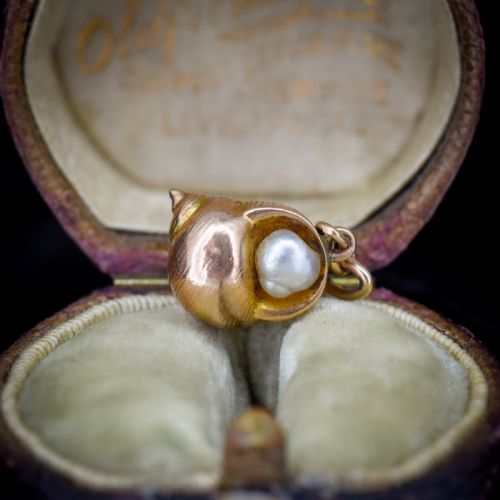
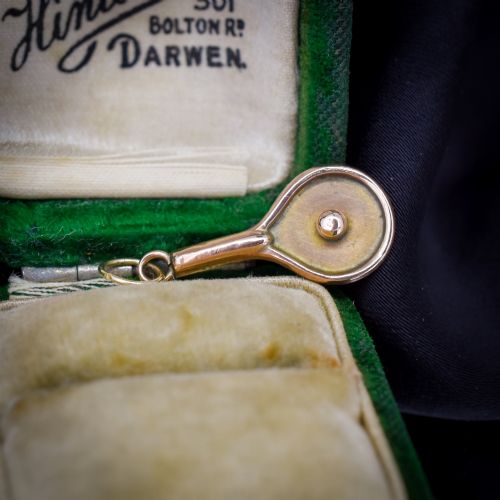
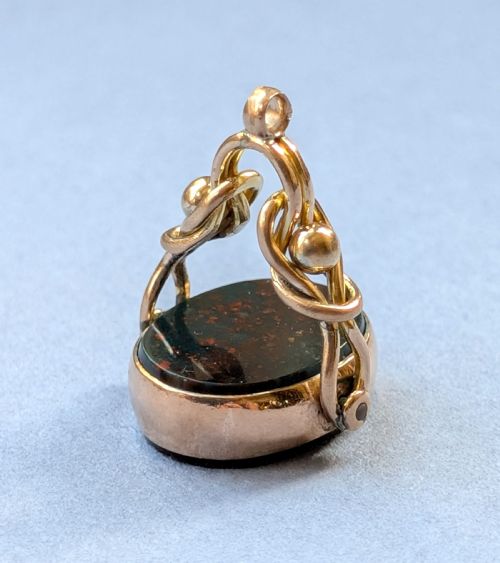
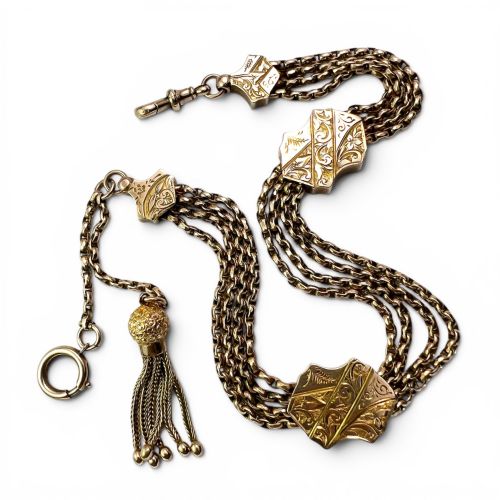
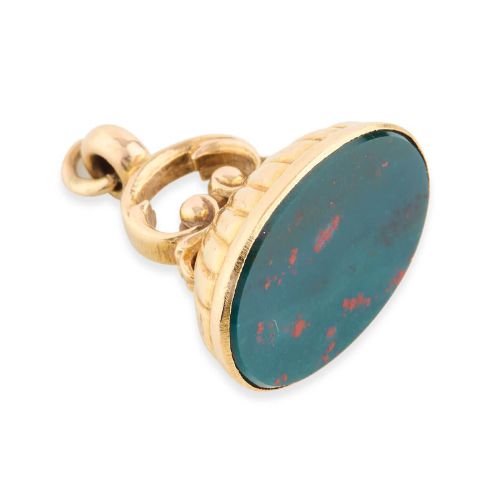
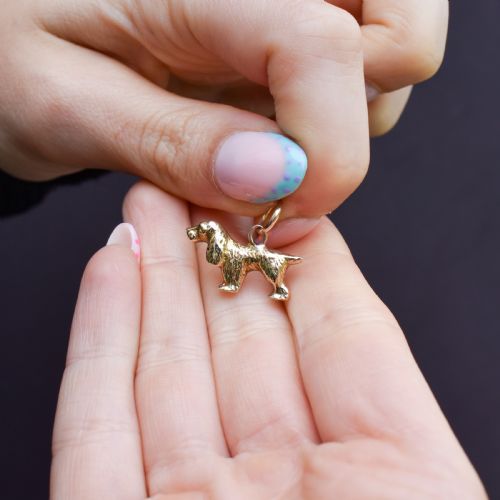
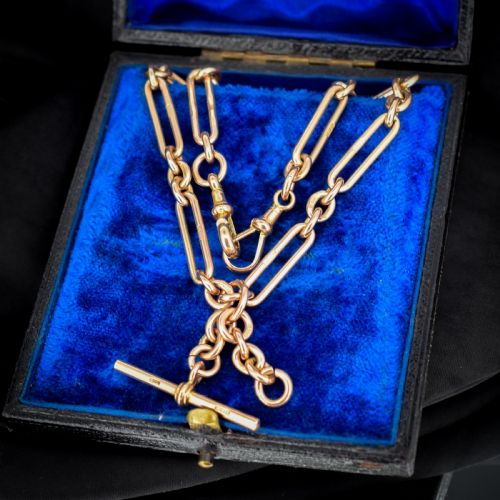
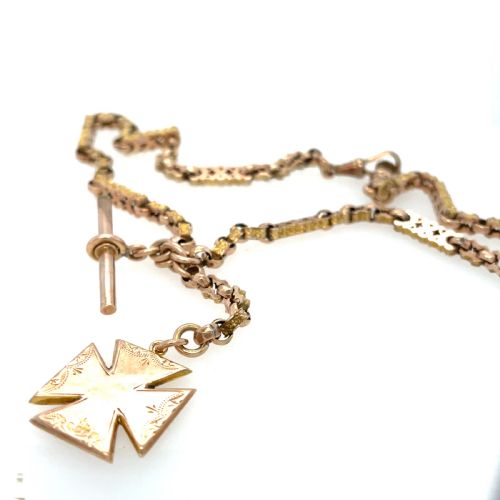
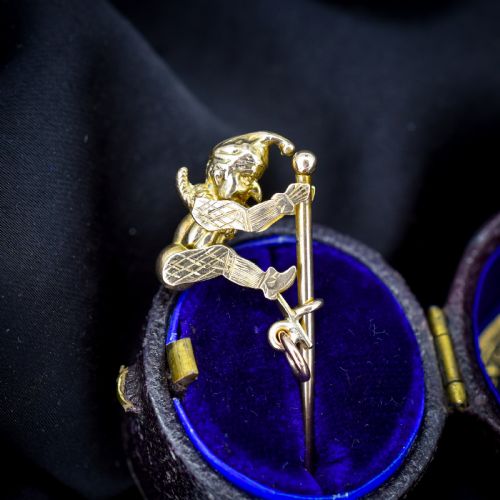
The version you are most likely to meet on this page is the classic Victorian or Edwardian spinning fob set with bloodstone and carnelian. Alongside these swivel designs, listings feature figural charms, engraved heraldic seals, Masonic medals and Albert chains equipped with T-bars.
Originating across 19th and 20th century Britain, these items reflect the shift from functional watch accessories to personal ornaments. Their survival in yellow, rose and standard 9ct gold demonstrates enduring appeal for collectors of antique jewellery.
Materials and construction
Makers shaped these items primarily from 9ct yellow and rose gold, utilising solid casting, hollow stamping and detailed hand engraving. Metal components such as swivel frames, trombone links and dog clips require robust soldering and precise articulation to withstand daily wear.
Gemstones form the central panels of seals and spinners, featuring bloodstone, carnelian, citrine and agate secured by intricate bezel settings. Lapidaries cut and polished these hardstones by hand, often leaving reverse intaglio carvings for wax sealing.
Listings feature 9ct yellow and rose gold alongside hardstones including bloodstone, carnelian, citrine and agate across Victorian and Edwardian eras.
Evaluating craftsmanship
The standard of execution depends heavily on the depth of hand engraving and the crispness of cast details in figural subjects like animals, Masonic symbols or sports equipment. Superior examples exhibit sharp lettering, well-defined heraldic motifs and secure, fluid swivel mechanisms that rotate without looseness.
Weight and structural thickness also separate mass-produced items from finer workshop output, particularly in hollow chains and large medal fobs. High-quality mountings use substantial gauge gold that resists denting, paired with high-grade natural chalcedony stones free of surface cracks.
Eastern Watch Case Co·Criterion
The 9ct Gold Fob Glossary
- Spinning fob
- A pendant mounted on a central axis that rotates to display two or three different hardstone faces or engraved seals. This versatile form allowed owners to switch between initials, crests and plain stone surfaces.
- Bloodstone
- A dark green jasper flecked with red spots of iron oxide, frequently used in Victorian and Edwardian signet fobs. This durable stone provided a reliable impression when pressed into hot sealing wax.
- Carnelian
- A brownish-red variety of chalcedony prized for its warm translucency and smooth texture in antique seal carvings. It remains one of the most common hardstones found in period swivel fobs.
- Albert chain
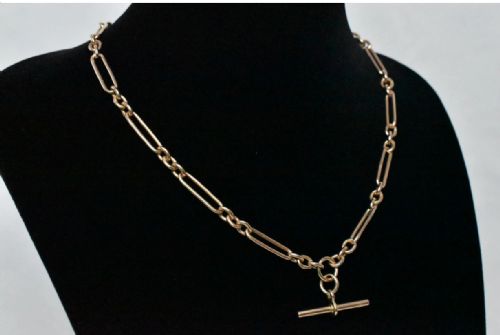
- A pocket watch chain designed to pass through a waistcoat buttonhole, often featuring a T-bar at one end and a fob pendant suspended in the centre. Variations include single, double and trombone link configurations in 9ct gold.
- Intaglio
- A design incised into the flat face of a gemstone so that a raised impression results when pressed into wax. Makers utilised this technique on signet seals for personal correspondence and document authentication.
9ct Gold Fob: Frequently Asked Questions
What is a 9ct gold fob?
A 9ct gold fob is a small decorative ornament that hung from a pocket watch chain in the 19th and early 20th centuries. These pieces often incorporate hardstones like bloodstone or carnelian, acting as seals for stamping wax letters.
Over time, many fobs evolved from functional accessories into standalone pendants, charms or medals. Today they are worn on necklaces or bracelets as miniature sculptures of historical design.
How do you wear an antique fob?
You can wear a fob on a traditional watch chain across a waistcoat, or suspend it from a modern neck chain as a pendant. Smaller examples also attach easily to charm bracelets alongside other gold trinkets.
Because many pieces feature swivel mechanisms or double-sided stones, they sit well as centrepiece pendants where both faces remain visible during movement.
How do spinning fobs work?
A spinning fob uses a vertical or horizontal metal loop attached to a central axis, allowing the stone-set bezel to rotate freely. Users turn the outer frame to select a preferred gemstone face or engraved intaglio.
This pivoting mechanism relies on balanced tension within the gold mount to keep the stone securely locked in position while worn.
How do I date a 9ct gold fob?
Dating relies on hallmarks, stylistic cues and the specific form of the object, such as Victorian scrollwork or Edwardian geometric shapes. Maker's marks and assay office symbols stamped on the gold provide precise chronological markers where present.
Enamelling styles, sporting themes, and specific hardstone combinations also point toward particular decades within the nineteenth and twentieth centuries.