


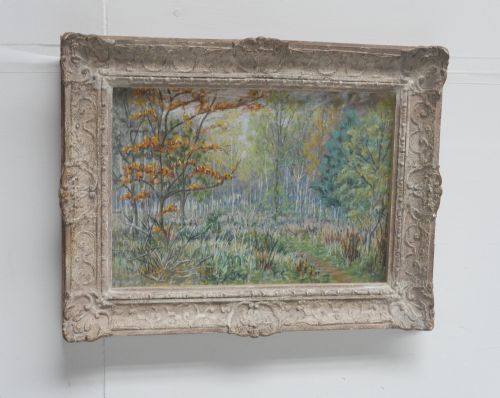


20th Century Pastel Drawing
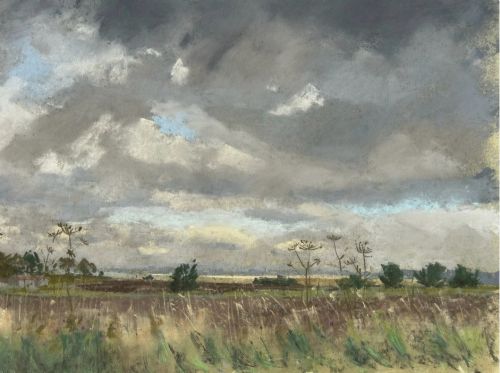
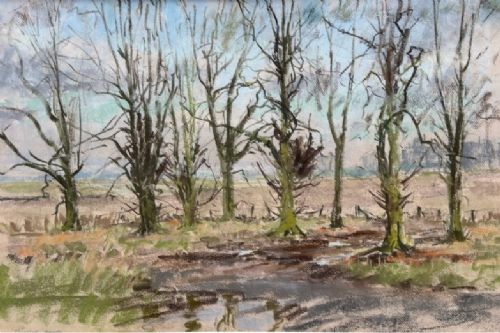
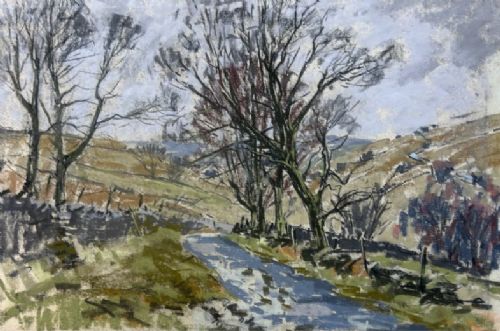
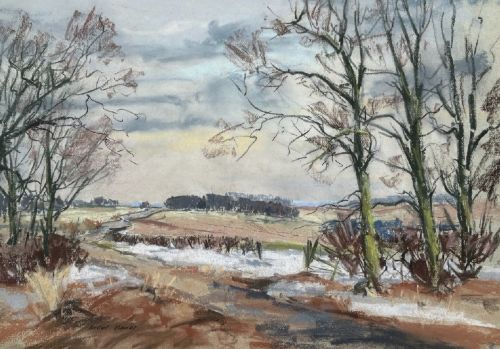
These 20th century pastel drawing works bring immediate colour and line to a room through expressive chalk marks on paper.
20th Century Pastel Drawing
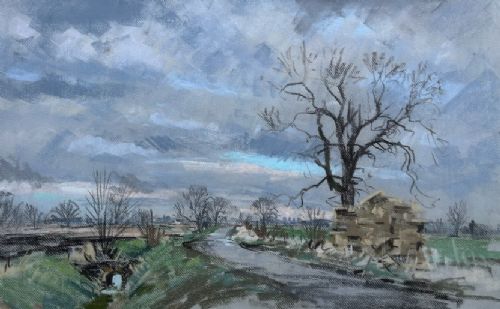
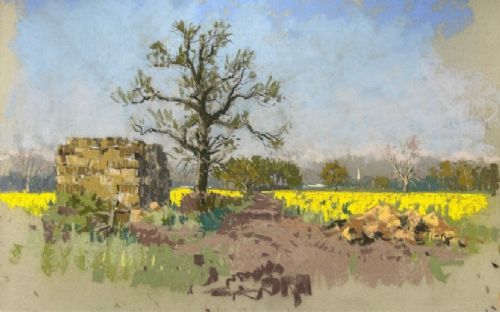
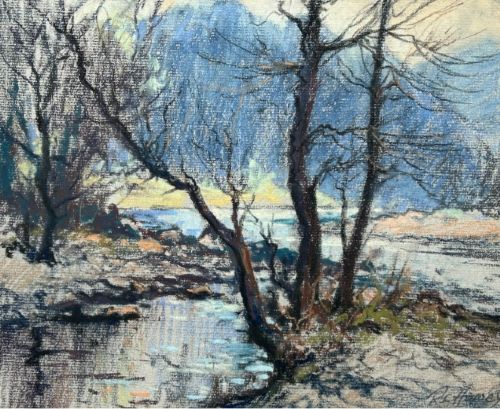
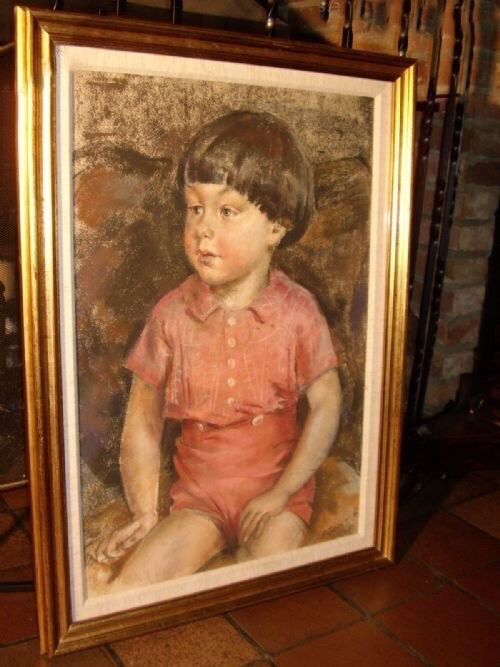
A 20th century pastel drawing captures subjects ranging from portraits and cityscapes to woodland scenes across the Edwardian period through to the nineteen-fifties and sixties. These works emerge within Impressionist, Post-Impressionism, and Modern British movements, recording landscapes and figures with immediate pigment.
The buyer encounters framed original artwork on paper, often protected beneath glass in wood or giltwood frames. Portraits and landscapes dominate the selection, reflecting both British regional views and European cityscapes from various decades.
Materials and Techniques
Artists apply pastel sticks directly onto paper, frequently combining dry pigment with charcoal, watercolour, or gouache to build texture and depth. These mediums allow for rapid blending and expressive hatching.
Finished works are secured behind glass to protect the delicate, friable surface of the pastel from smudging. Frames of wood and giltwood house the paper sheets, preserving the artwork for decades.
20th Century Pastel Drawing Retail Price Guide 2026
Typical asking prices for 20th century pastel drawing among the pieces listed under this phrase on Sellingantiques today, from the lower quarter to the upper quarter. They describe what is for sale here now, not the wider market.
Listings feature works executed on paper using pastel, charcoal, and gouache, spanning from the Edwardian era through the nineteen-sixties.
Variations in Quality
Quality rests upon the sureness of the hand and the strength of the composition, distinguishing a swift sketch from a fully resolved portrait or landscape. The handling of light within a cityscape or the structure of a figure study reveals the skill of the practitioner.
The preservation of the paper surface and the retention of vibrant pigment without excessive loss or smudging govern the condition of each piece. Original framing also contributes to the integrity of the surviving object.
Emily Eyres·Robert Leslie Howey·John Hobson Nicholson·Denis William Reed·Frank Dobson·Marjorie Christine Bates·Leonard Richmond·Angus Rands·Jacob Kramer·Frederick Gore
The 20th Century Pastel Drawing Glossary
- Pastel
- A dry painting medium consisting of powdered pigment and a binder, shaped into sticks. It permits direct application of rich colour onto paper.
- Gouache
- An opaque water-based paint frequently used alongside pastel to add solid highlights and dense areas of tone. It provides a flat, matte finish.
- Giltwood
- Wood carved and covered with a thin layer of gold leaf or metal gilt. Such frames commonly enclose period works on paper.
- Post-Impressionism
- An art movement following Impressionism where artists extended the use of vivid colour and distinct brushwork or stroke application. This style appears in several landscape paintings.
- Charcoal
- A form of dry carbon used for sketching outlines and tonal depths beneath or alongside pastel pigment. It creates strong monochrome contrasts.
20th Century Pastel Drawing: Frequently Asked Questions
How should I hang pastel drawings?
Keep pastel drawings away from direct sunlight to prevent the pigments from fading over time. Position them on interior walls where temperature and humidity remain stable.
Ensure the frame remains securely sealed behind glass to protect the delicate chalk surface from dust and accidental contact.
What subjects do these drawings show?
The selection includes rural landscapes, coastal views, and urban street scenes from British and European locations. Portraits of sitters, soldiers, and figures also feature prominently.
Artists recorded these subjects in styles ranging from early Edwardian realism to mid-century modern interpretations.
Are these works original?
Each listed piece is an original artwork created by hand using pastel and related mediums on paper. They are unique creations rather than mass-produced prints or reproductions.
Signatures from the period appear on many of the drawings, linking the sheet directly to the artist's hand.
How do I identify the period?
Dating relies on recorded artist active dates, stylistic cues from Post-Impressionism or Modern British movements, and framing materials. Edwardian examples often feature softer tonal palettes.
Mid-century works display bolder colour choices and subjects reflecting post-war British landscape traditions.