


Pastel Landscape Drawing
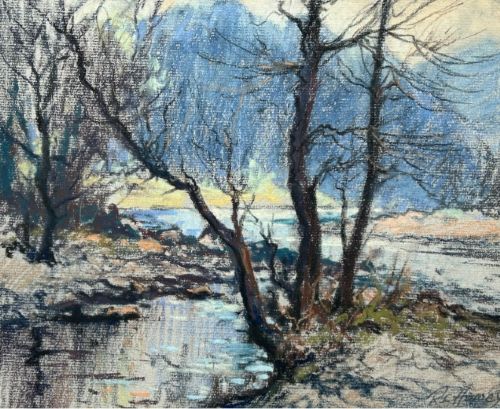
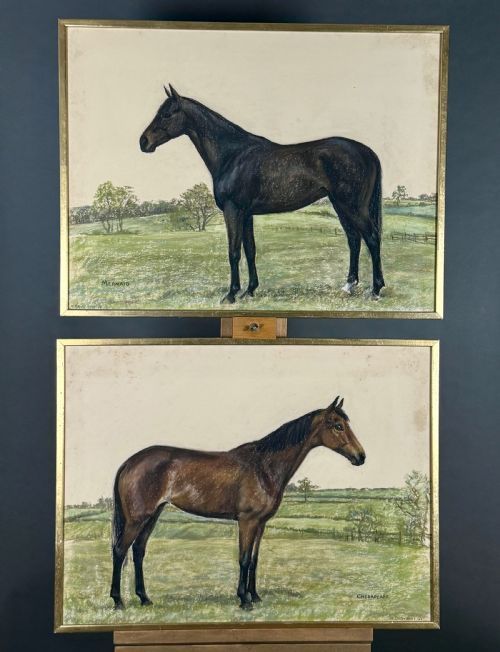
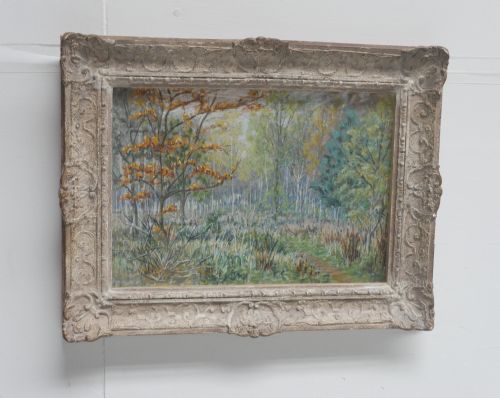
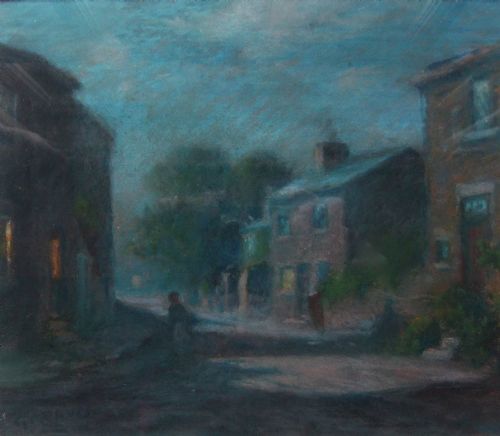
These pastel landscape drawing works capture open skies and quiet fields, offering rich textures and atmospheric charm for any room.
Pastel Landscape Drawing
A pastel landscape drawing presents rural and coastal views rendered in soft coloured pigments on paper. These pieces range from nineteenth century depictions to mid century interpretations of British and European scenery.
You will most frequently encounter works from the nineteen fifties and nineteen sixties alongside earlier examples from the Edwardian period and the late nineteenth century. Common subjects include Yorkshire valleys, coastal harbours and river scenes framed under glass.
The selection encompasses framed artwork and wall art created by regional artists as well as works associated with broader British and French schools. Each piece relies on the dry pigment medium to build gentle depth across trees, water and hillsides.
Materials and construction
Artists create these works using dry pastel pigments applied directly to paper supports, sometimes combining gouache or ink pen details to define structure and shadow. The powdery medium allows for rapid blending of tone and colour directly on the sheet.
Surviving examples are typically protected behind glass within wood, gilt wood or plaster frames. These traditional housings safeguard the delicate pigment surface from environmental disturbance while complementing the visual weight of the drawing.
Listings feature paper supports housed within wood and gilt wood frames, spanning nineteenth century realism to mid century British styles.
Judging quality in pastel works
Quality rests upon the sureness of the hand and the stability of the composition, distinguishing confident draftsmanship from hesitant marks. Superior works demonstrate a clear command of light and atmosphere, capturing the specific quality of evening glow or winter weather.
The condition of the paper and the preservation of the dry pigment beneath the glass dictate the enduring appeal of the piece. Stronger examples retain their original framing and show minimal pigment migration across the sheet.
Robert Leslie Howey·William Greaves·John Hobson Nicholson·Berthe des Clayes·Angus Rands·Marjorie Christine Bates·Leonard Richmond·Paul Koehler·Edward Handley-Read
The Pastel Landscape Drawing Glossary
- Pastel
- A dry art medium consisting of pure powdered pigment combined with a binder. It produces velvety tones and allows for immediate colour application on paper.
- Gouache
- An opaque water-based paint frequently used alongside pastels to add sharp highlights and solid areas of colour.
- Impressionist
- A style focusing on the accurate depiction of light and its shifting qualities rather than fine detail. It often employs visible brush or pastel strokes to capture a fleeting moment.
- Post Impressionist
- A later artistic development that builds upon impressionist colour theory while placing greater emphasis on structural form and emotional resonance.
- Gilt wood
- Wood framing finished with a thin layer of gold leaf or metallic paint. This traditional finish adds warmth and decorative emphasis to antique artwork.
Pastel Landscape Drawing: Frequently Asked Questions
How should I hang a pastel drawing?
Keep the piece away from direct sunlight to prevent the pigments from fading over time. Ensure the wall is dry and free from dampness that might affect the paper support.
Use sturdy picture wire attached to secure framing hardware. Professional framing under glass remains essential for protecting the delicate surface.
Can pastels be cleaned?
Cleaning the paper surface directly is extremely difficult because the loose pigment easily smudges or lifts. Any conservation work must be left to a trained paper restorer.
Dust only the exterior of the glass using a soft cloth, taking care not to press down onto the frame or let moisture seep inside.
How do I date a pastel drawing?
Examine the framing materials, backing boards and any inscriptions or signatures left by the artist. Older pieces often feature period wooden or gilt frames that match the stylistic era of the subject.
Examine the type of paper and archival labels on the reverse for clues. Signed works can frequently be cross referenced with exhibition records from the nineteenth or twentieth century.
What is the difference between pastel and watercolour?
Pastel uses dry, powdery pigments applied directly to paper without liquid binders during the drawing process. Watercolour employs water soluble pigments that stain the paper surface in translucent washes.
Pastels offer a velvety, opaque finish that can be easily blended with fingers or tools, whereas watercolour relies on layers of transparent fluid.