


20th Century Nightstands
These 20th century nightstands bring practical bedside storage and period character to a bedroom.
20th Century Nightstands
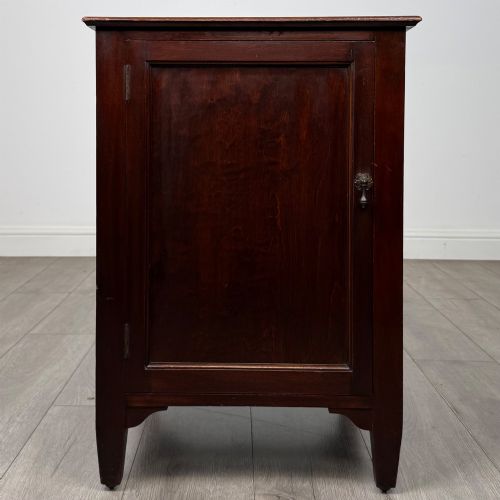
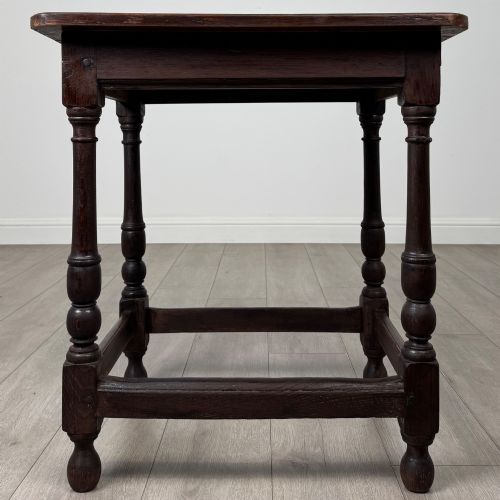
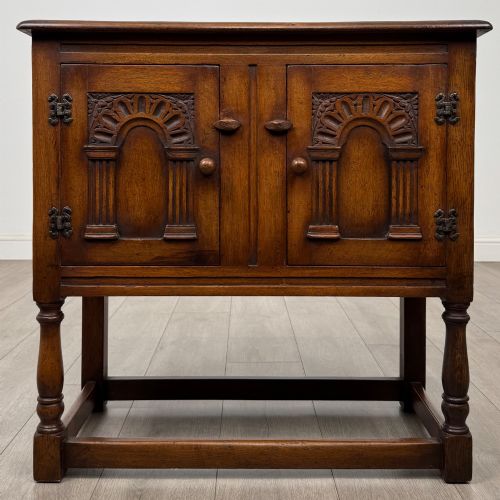
When you search for 20th century nightstands, you encounter a practical assortment of bedside tables, cabinets, cupboards and side tables spanning several decades. The selection draws heavily on Edwardian pieces alongside examples from the 1920s, 1930s and 1950s.
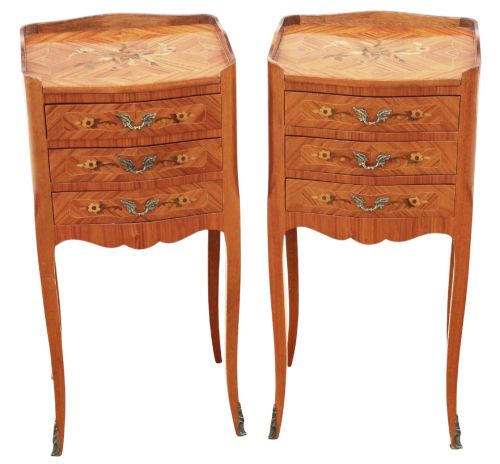
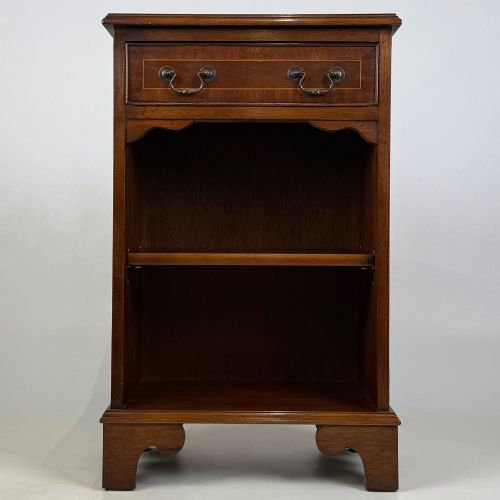
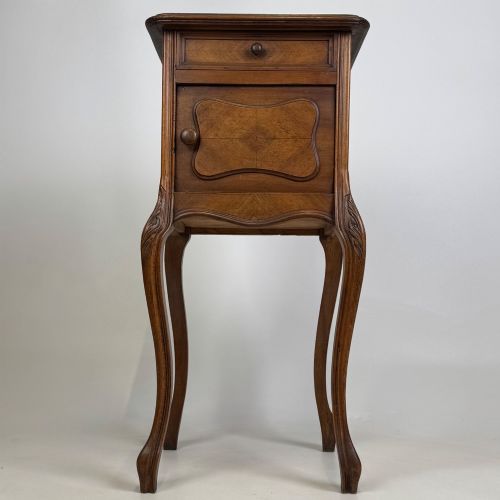
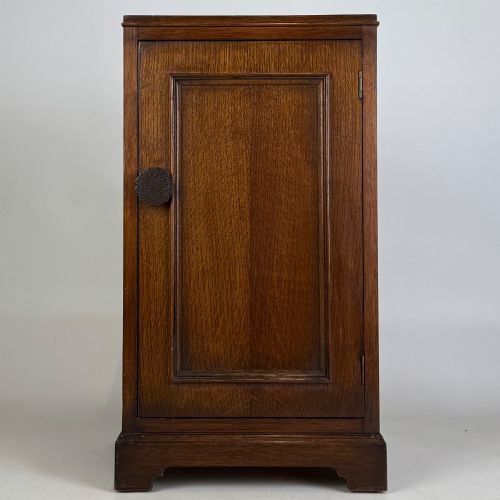
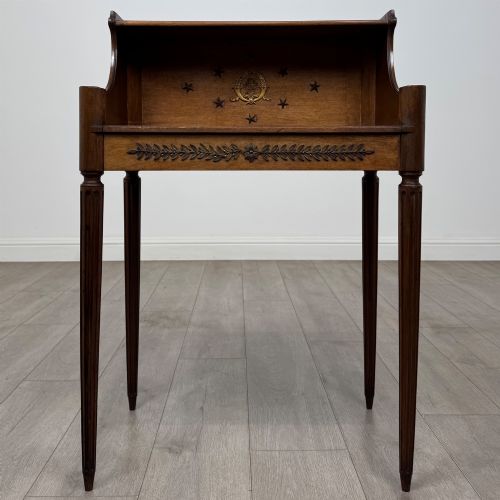
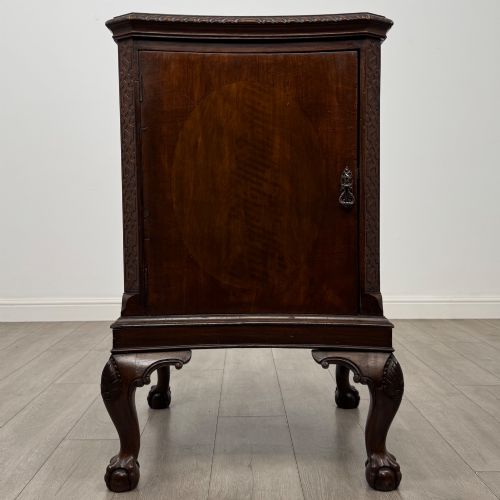
The most common forms on this page include compact cupboards in oak or mahogany and pairs of French marquetry or parquetry bedside tables. Makers and designers utilised diverse regional styles, ranging from Georgian and Louis XV revivals to Arts and Crafts simplicity and French Provincial elegance.
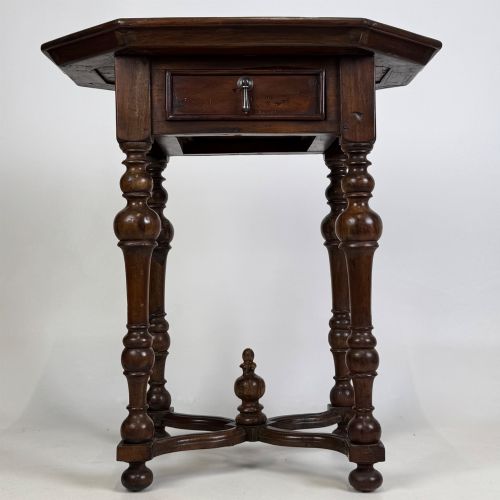
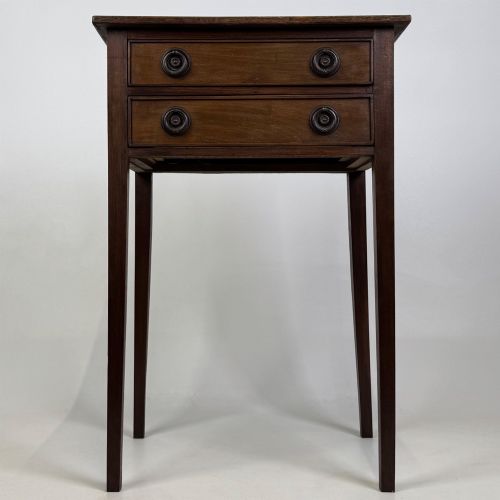
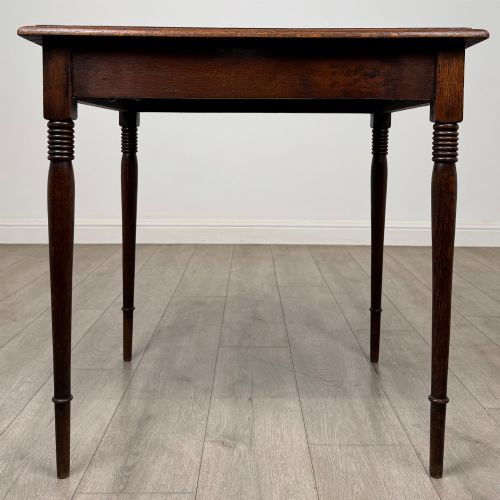
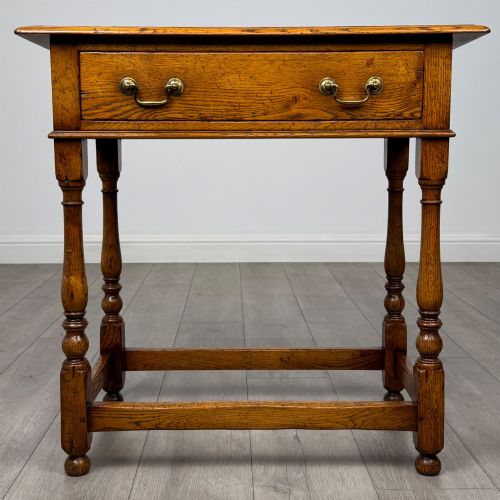
Alongside dedicated bedside tables, the listings include small bookcases, chests of drawers and occasional side tables that adapt easily to bedroom use. These pieces reflect the shifting domestic requirements of the twentieth century, balancing enclosed storage with compact surface areas.
How they were made
Cabinet makers constructed these pieces primarily from traditional timbers including oak, mahogany and walnut, occasionally incorporating lighter woods such as satinwood or exotic marquetry veneers. Structural metal elements appear in brass handles, hinges and campaign fittings.
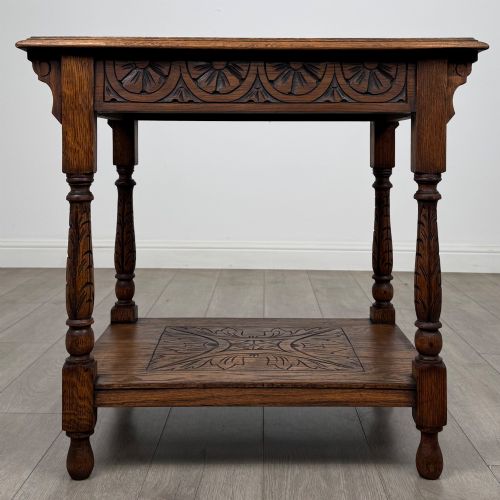
Surface decoration varied widely according to period and origin, encompassing carved oak details, painted and gilded finishes, red chinoiserie and tooled leather. Selected French and continental pieces feature inset marble tops for durability and decorative contrast.
One early twentieth-century French table cleverly combines a leather-bound book design with an inset silk-work top.
What varies in quality
The distinction between standard commercial output and superior craftsmanship rests on the selection of timber and the precision of the joinery. Figured walnut, detailed marquetry inlay and heavy marble tops indicate a higher tier of production.
Construction methods also separate the grades, seen in the neatness of dovetail joints in drawers, the solidity of internal shelving and the integration of matching pairs. Original hardware and careful hand-finishing elevate the standing of individual cabinets.
WAS Benson·Sormani
The 20th Century Nightstands Glossary
- Marquetry
- Decorative veneer work forming pictures or geometric patterns using various woods. Skilled artisans cut thin slices of tinted or naturally coloured timber to fit precisely into a background ground.
- Parquetry
- Geometric mosaic woodwork used for surfaces such as table tops and cabinet doors. It employs regular shapes like squares or triangles to create repeating patterns.
- Campaign style
- Portable furniture designed for travel, traditionally featuring brass corners, recessed handles and sectional frames. This sturdy construction translates well to compact modern interiors.
- Chinoiserie
- European imitation and interpretation of Chinese artistic traditions and motifs. It typically involves painted or lacquered decoration depicting oriental landscapes and figures.
- Commode
- A low decorative chest of drawers or cabinet. French examples from the twentieth century often stand on slender cabriole legs with elaborate veneer work.
20th Century Nightstands: Frequently Asked Questions
Are nightstands sold in pairs?
Many listings offer matched pairs of bedside cabinets, particularly those originating from French workshops of the 1930s. Single tables also appear frequently among the Edwardian and later selections.
Buyers seeking symmetrical bedside arrangements should filter for paired items, as matching sets remain scarcer than individual tables.
How do I identify an Edwardian nightstand?
Edwardian pieces often feature light oak, satinwood or mahogany construction with restrained revival detailing. They tend to predate the bolder geometric forms seen in later decades.
Examine the internal drawer construction and timber grain to determine the period characteristics typical of the early part of the century.
What maintenance do marble top tables need?
Marble top cabinets require minimal upkeep beyond regular dusting with a soft cloth. Avoid abrasive cleaners or acidic liquids that can etch the polished surface.
Using coasters and placemats protects the stone from moisture and staining over years of daily bedside use.
How do I choose the right wood?
Oak and walnut offer robust durability with visible grain patterns that suit traditional interiors. Mahogany and satinwood provide smoother, darker tones associated with formal revival styles.
Consider existing bedroom furniture to determine whether a contrasting timber or a matching finish works best in the space.