
20th Century Mahogany Furniture
These pieces of 20th century mahogany furniture bring rich timber grain and classic revival forms into a modern room.
20th Century Mahogany Furniture
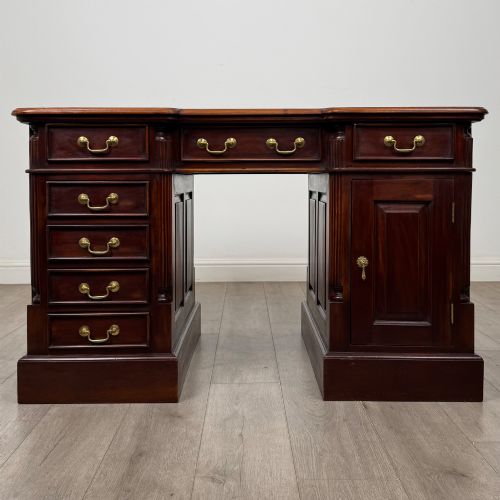
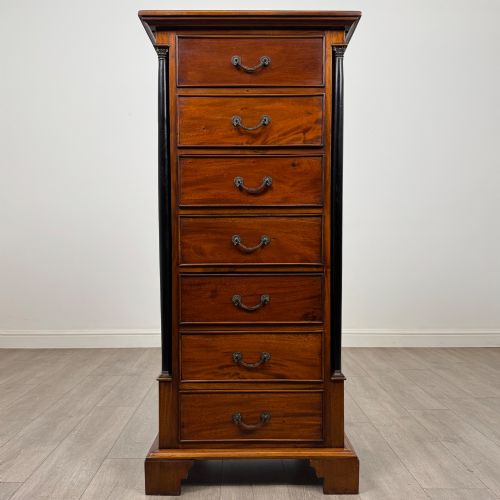
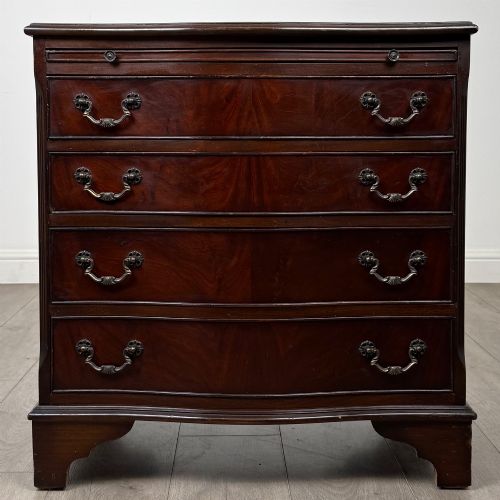
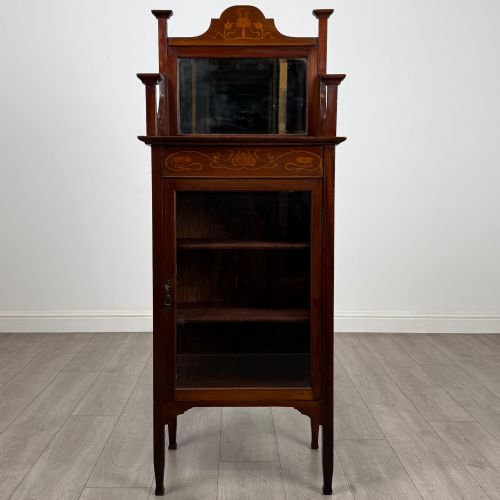
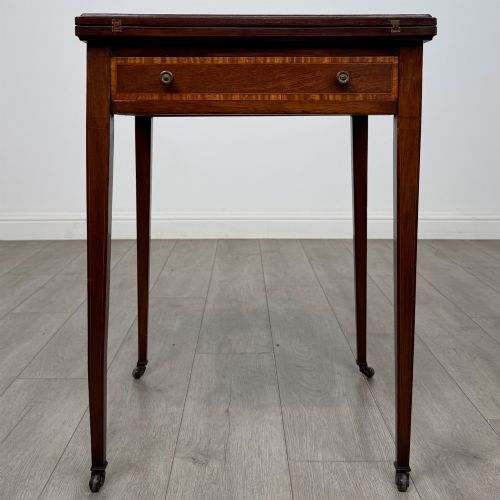
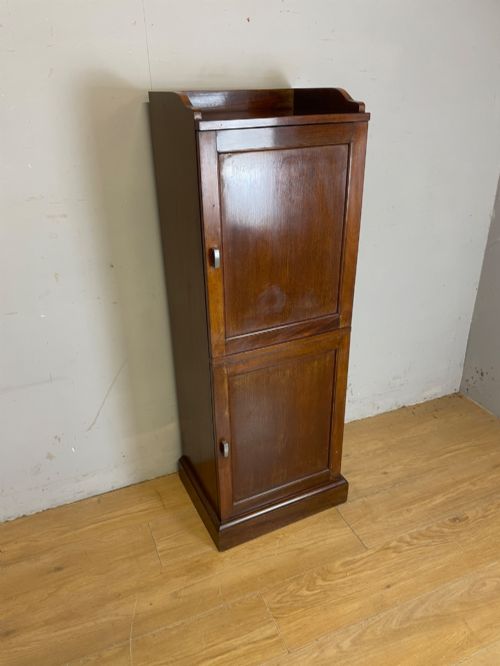
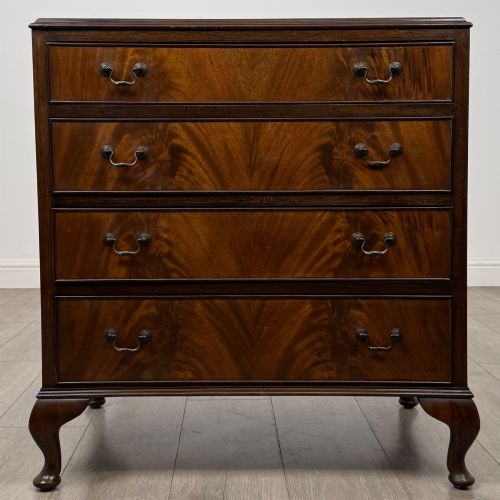
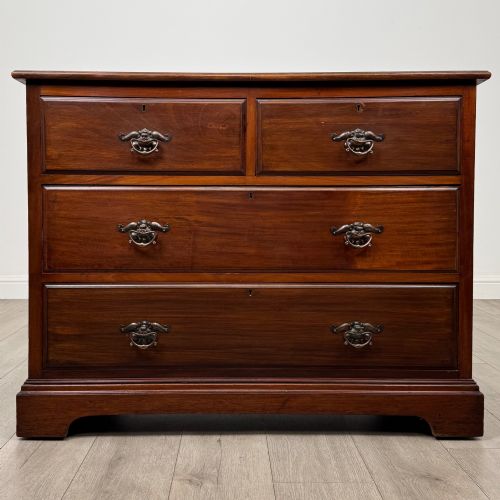
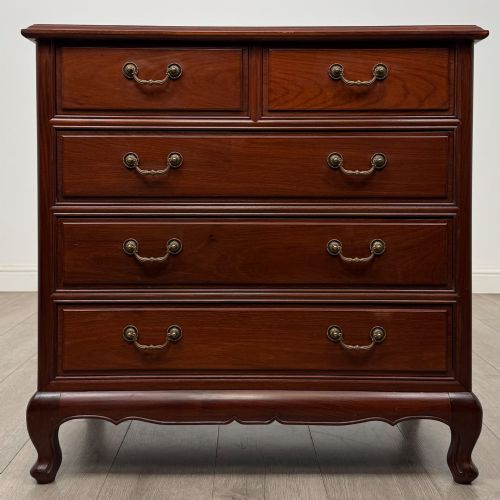
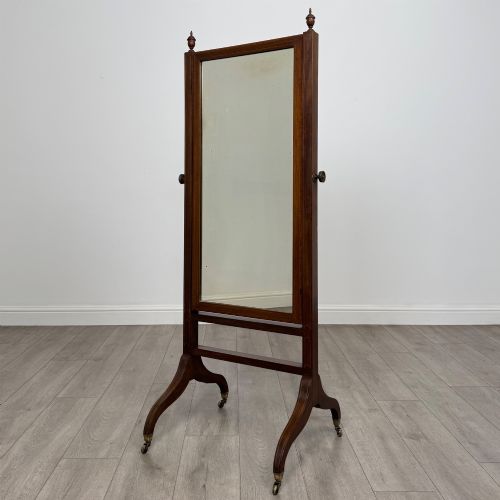
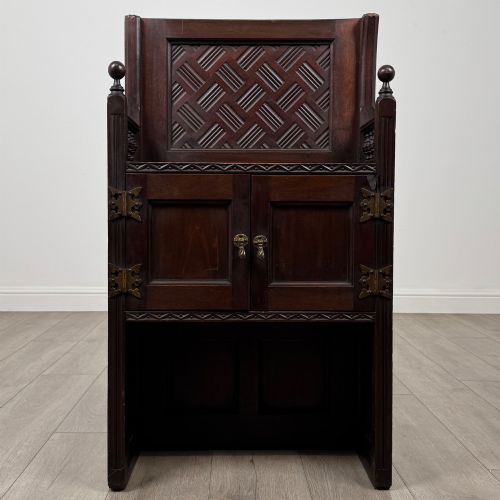
When you search for 20th century mahogany furniture, you encounter practical items made primarily during the Edwardian period and the early decades of the century. The selection spans utilitarian filing drawers and tallboys alongside decorative display cabinets and envelope card tables.
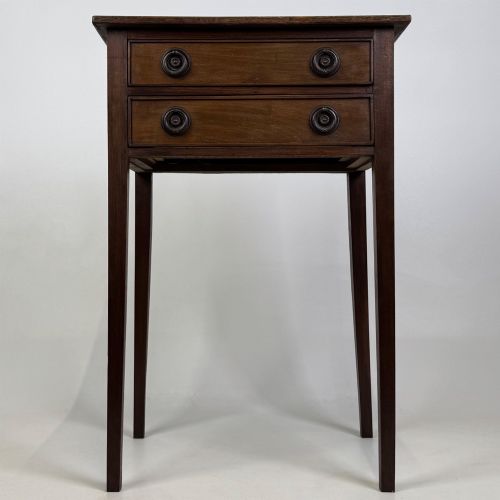
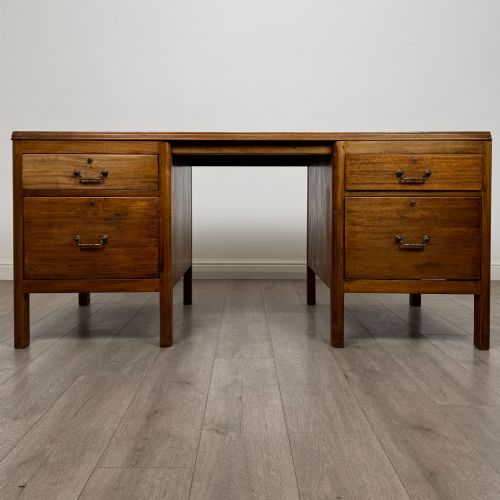
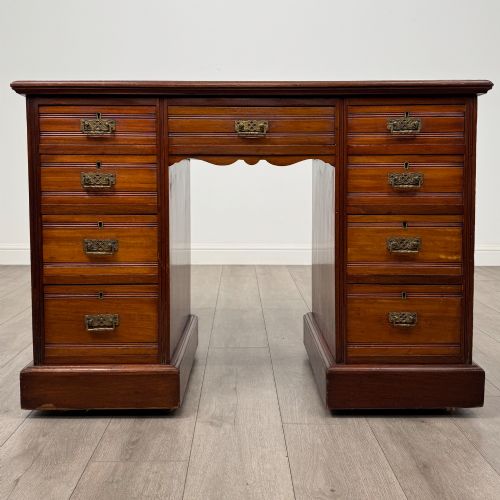
Most examples you meet on this page lean into historical revivals, taking inspiration from Georgian, Queen Anne, Regency and Sheraton styles. Pieces range from large twin pedestal desks and campaign chests down to small side tables and lamp tables.
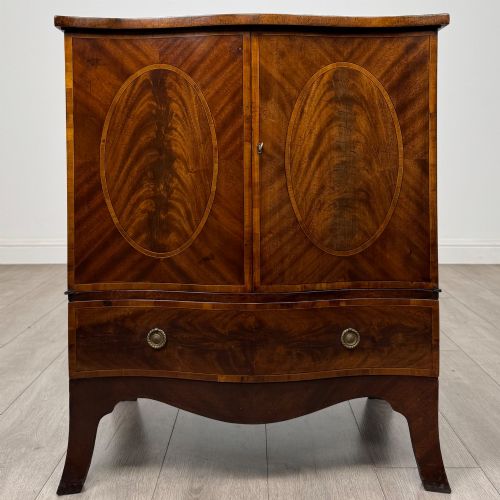
Makers and workshops of the era also produced specialised items such as music cabinets, metamorphic writing desks, vanity tables and wine coolers. European influence appears in French style display cabinets, Scandinavian empire revival tables and Dutch bombe chests of drawers.
Materials and Methods
Solid mahogany and figured mahogany veneers form the visual foundation of these pieces, often highlighted with contrasting satinwood or rosewood inlay and marquetry. Workshops frequently paired the primary timber with brass handles, keyhole escutcheons and glass panels for display doors.
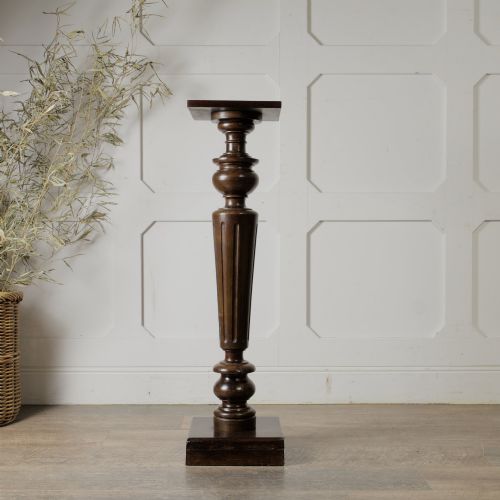
Secondary materials supplied functional interior elements, including leather writing surfaces, velvet linings and mirrored glass plates. Turning, carving and subtle flame grain arrangements gave structure and texture to surfaces without obscuring the natural warmth of the wood.
Listings include Edwardian, Georgian Revival, and Queen Anne Revival styles executed in solid mahogany, flame mahogany, brass, leather and glass.
Distinguishing Quality
Quality rests on the depth of the timber grain, the precision of inlaid details and the integrity of the structural joinery. Finer pieces display carefully chosen flame or curl mahogany veneers matched across drawer fronts and table tops.
Construction methods distinguish standard utility pieces from workshop creations bearing maker labels or sophisticated revival carving. The crispness of hand-turned plinths, solid brass fittings and balanced proportions separate standard production items from superior examples.
J C Vickery Of London·Haentgos Freres Paris·Howard And Sons Of London
The 20th Century Mahogany Furniture Glossary
- Serpentine
- A curved line that sweeps outward at the ends and inward at the centre, frequently seen on cabinet and chest fronts.
- Campaign chest
- A practical modular chest built in sections with brass corner brackets and flush handles for ease of transport.
- Inlay
- A technique where pieces of contrasting wood or satinwood are fitted into recessed surfaces to create decorative patterns.
- Pedestal desk
- A large writing table supported by two separate stacks of drawers rather than conventional legs.
- Canterbury
- A low, partitioned stand originally designed for holding sheet music or books, fitted with low legs and often castors.
20th Century Mahogany Furniture: Frequently Asked Questions
What periods do these pieces date from?
The pieces span the Edwardian era and the early decades of the twentieth century, specifically from nineteen hundred up to nineteen thirty.
Production methods during this timeframe combined traditional hand woodworking with emerging workshop specialisation across English and continental makers.
How do I identify a revival style?
Revival items borrow decorative vocabulary from earlier Georgian, Queen Anne, Sheraton and Regency periods while maintaining early twentieth-century construction techniques.
Look for specific stylistic markers such as camelback curves, cabriole legs, or characteristic string inlay on mahogany surfaces.
Where were these pieces used originally?
They served functional roles in period homes, from drawing rooms and libraries to studies, bedrooms and formal dining spaces.
Specialised forms like envelope card tables, wine coolers and music cabinets fulfilled specific domestic social requirements of the era.
How should I care for mahogany surfaces?
Keep mahogany furniture away from direct sunlight and extreme temperature fluctuations to prevent the timber and veneer from drying out.
Dust regularly with a soft dry cloth and apply occasional appropriate wax polish to maintain the natural lustre of the wood.