




19thc French Sculpture
These 19thc French sculpture pieces bring bronze, marble and classical figures directly into your home.

19thc French Sculpture
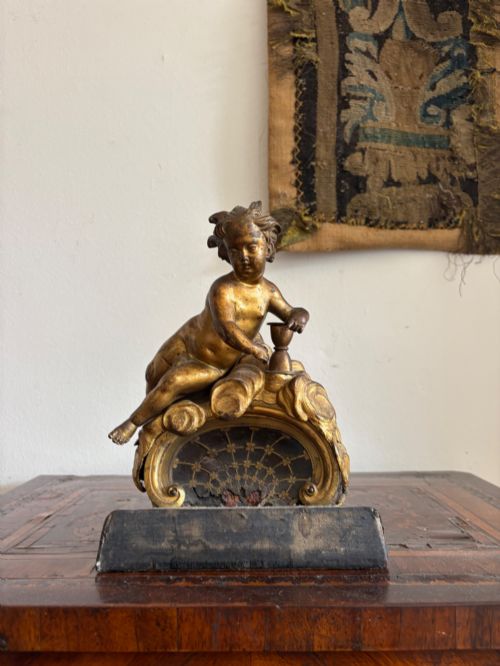
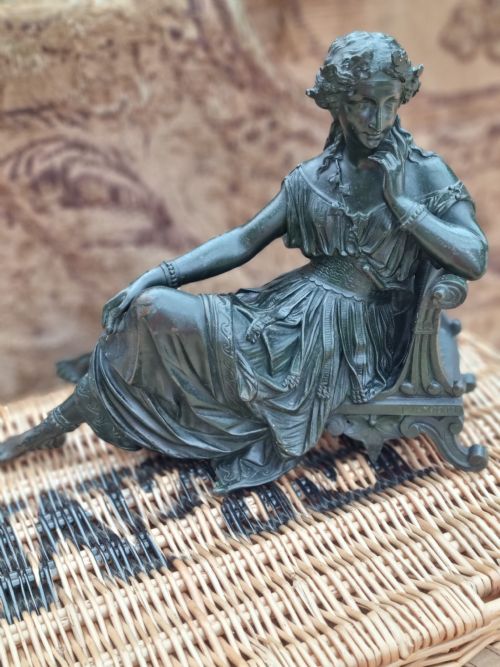
These works cover a wide range of forms from the nineteenth century, including figures of quarrymen, classical ladies and mythological subjects like Venus. You will frequently encounter miniature bronze figures, large figural groups and Grand Tour architectural models alongside decorative mounts and columns.
The objects stem from various decades across the century, reflecting shifts from neoclassical and rococo styles towards realism and classical revival. Works range from small ornamental finials to substantial bronze figures signed by named makers.
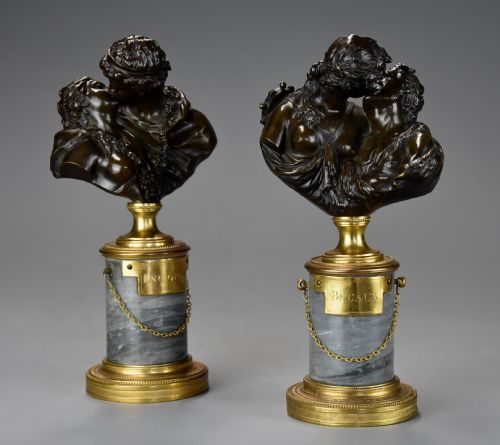
Makers and foundries of the period produced both independent gallery sculptures and decorative architectural elements in bronze, patinated metal and wood. The selection spans distinct formats, from singular statues of flute players to paired figures after earlier sculptors.
Materials and construction
Foundries cast these pieces primarily in bronze, sometimes employing ormolu, gilt bronze or parcel-gilt bronze to highlight specific details of the figures and ornaments. Patinated metal and spelter also appear as alternative casting mediums for figurative subjects.
Carved marble, notably verde antico, provides bases and distinct columns that support or accompany the metal figures. Artisans added hand-chased surface details, patination and gilt finishes to enhance the depth and texture of the cast bronze.
19thc French Sculpture Retail Price Guide 2026
Typical asking prices for 19thc french sculpture among the pieces listed under this phrase on Sellingantiques today, from the lower quarter to the upper quarter. They describe what is for sale here now, not the wider market.
Listings feature 19th Century, 1800, 1860, 1880, 1890 and 1900 periods alongside bronze, marble, ormolu and patinated metal materials.
Judging quality in the range
The choice of base materials, such as solid verde antico marble paired with heavy cast bronze rather than lighter patinated metal, distinguishes higher-tier works. Signed pieces associated with established foundries or notable sculptors demonstrate superior artistry in the original model.
Jean Antoine Houdon·E. Drouot·Barbedienne·Aug. Moreau·Pierre Hebert·René-Charles Masse·Julien Causse·Pierre Jules Cavelier
The 19thc French Sculpture Glossary
- Ormolu
- Gilt bronze produced by applying a finely ground high-carat gold-mercury amalgam to a bronze object. This technique creates a rich golden surface often seen on decorative mounts and finials.
- Patina
- The surface sheen and coloration developed naturally over time or applied chemically by the foundry. It protects the metal and adds visual depth to bronze sculptures.
- Verde Antico
- A dark green serpentine marble with white calcite veining used extensively for classical columns and sculpture bases. It provides a contrasting architectural element to gilt and patinated bronzes.
- Grand Tour
- A traditional trip through Europe undertaken by upper-class young men in the nineteenth century. Travellers frequently collected miniature bronze architectural models and classical figures as souvenirs.
- Spelter
- An alloy based on zinc used as a cost-effective alternative to bronze in nineteenth-century metal sculpture. It typically receives a applied patinated finish to simulate true bronze.
19thc French Sculpture: Frequently Asked Questions
How do I identify a nineteenth-century French bronze?
Look for foundry marks, artist signatures and the characteristic weight and warm dark patination of the period. Detailed chasing on the metal surface often indicates traditional lost-wax or sand casting methods.
Examine the base materials, as many genuine works utilise fine marbles like verde antico or feature distinct casting seams typical of nineteenth-century production techniques.
What is the difference between bronze and spelter sculptures?
Bronze is a durable copper alloy that accepts fine detail and holds a rich, stable patina over centuries. Spelter uses zinc, making it softer, lighter and more prone to surface wear.
Cast bronze pieces generally command higher interest due to their material quality and durability compared to the more fragile spelter alternatives.
Where were these sculptures displayed originally?
Owners placed these decorative objects on mantelpieces, desks and dedicated marble columns within nineteenth-century drawing rooms and libraries. Larger figural groups served as focal points in grand reception spaces.
Smaller pieces like finials and mounts decorated furniture, clocks and architectural woodwork in fashionable French interiors.
How should I care for an antique bronze sculpture?
Dust the surface regularly with a soft, dry brush to prevent particulate buildup in the recessed areas of the patina. Avoid using liquid cleaners, polishes or abrasive cloths that can strip the original finish.
Keep the piece away from direct sunlight and damp environments to protect both the metal patination and any attached marble components.