

19th Century Wooden Cupboard
A 19th century wooden cupboard offers generous storage and enduring craftsmanship, combining practical utility with the rich character of period timber.
19th Century Wooden Cupboard
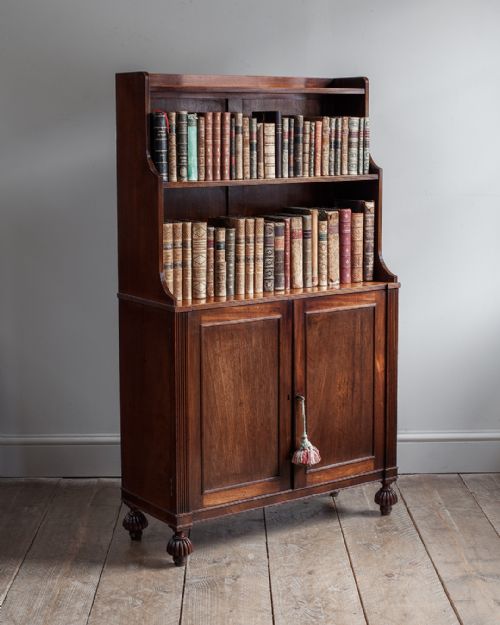
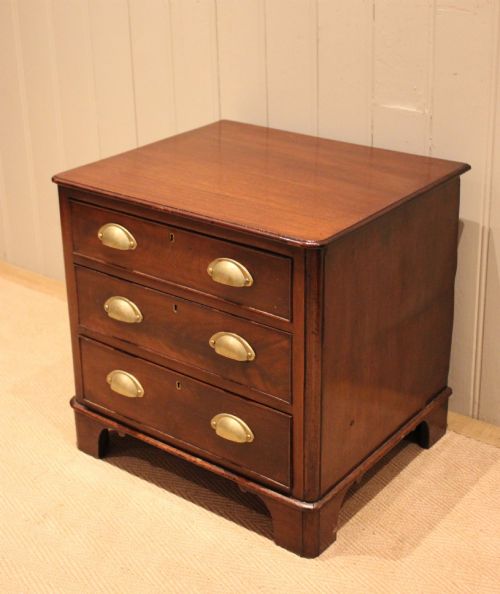
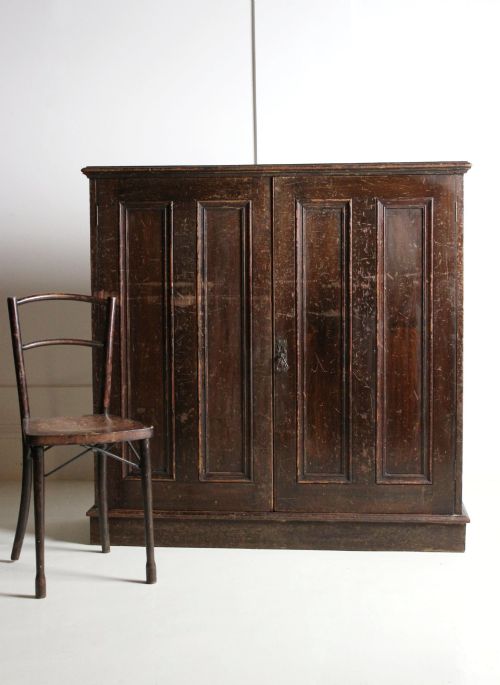
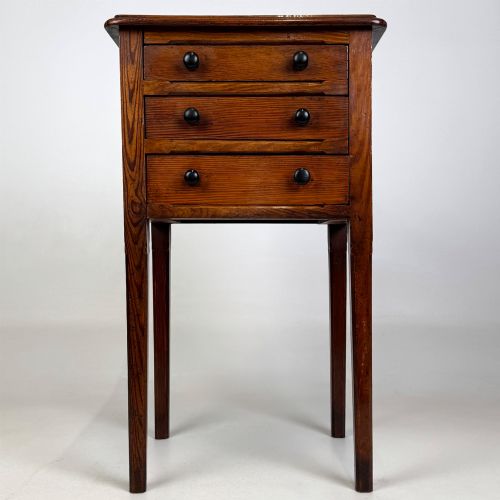
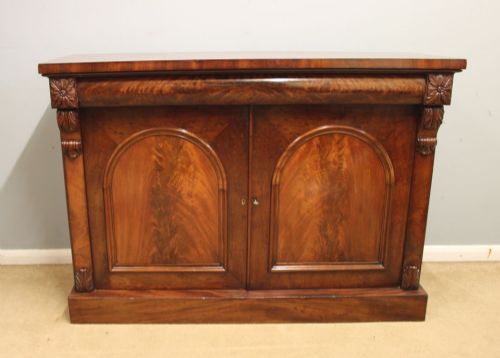
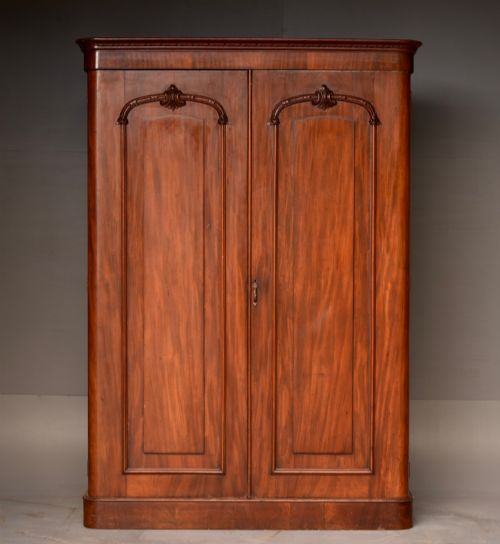
A 19th century wooden cupboard encompasses a wide variety of storage furniture designed for domestic use throughout the Victorian, Regency, and Georgian periods. Buyers searching this phrase encounter numerous functional forms, ranging from compact bedside cabinets and pot cupboards to substantial linen presses, sideboards, and wardrobes.
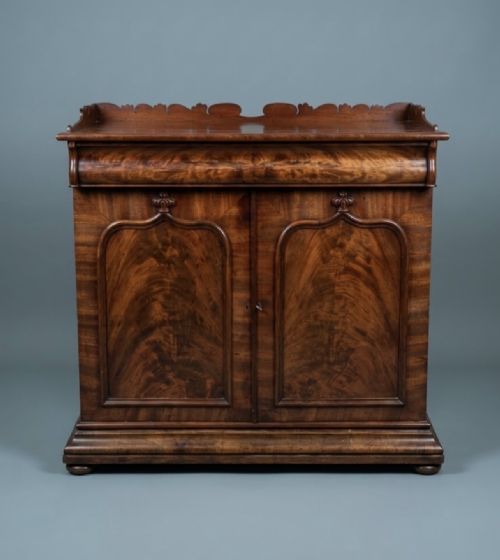
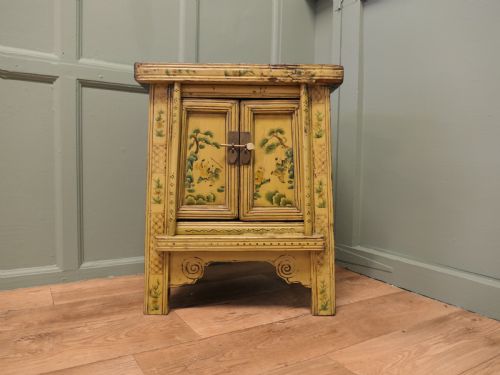
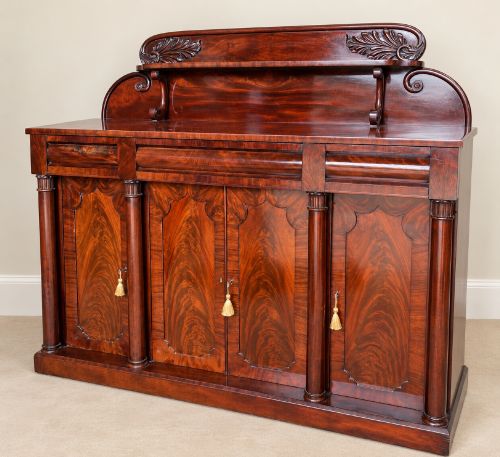
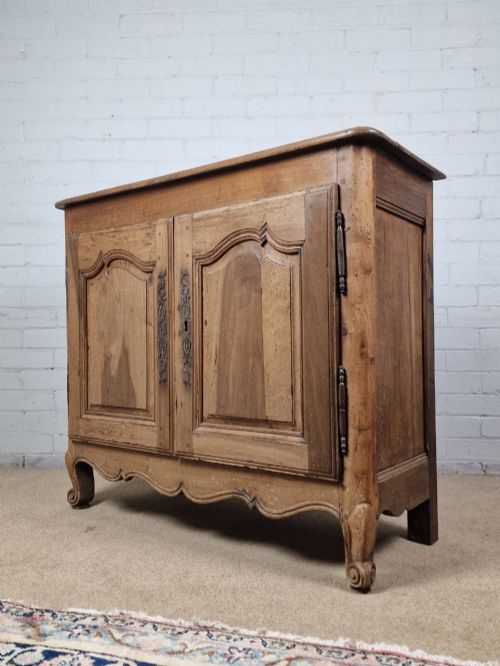
The pieces appearing on this page span diverse regional origins and stylistic influences, including French Provincial, Gothic Revival, and Chinoiserie decoration. While formal mahogany sideboards and chiffoniers represent the refined end of the spectrum, pine, oak, and ash farmhouse pieces provide a more rustic domestic presence.
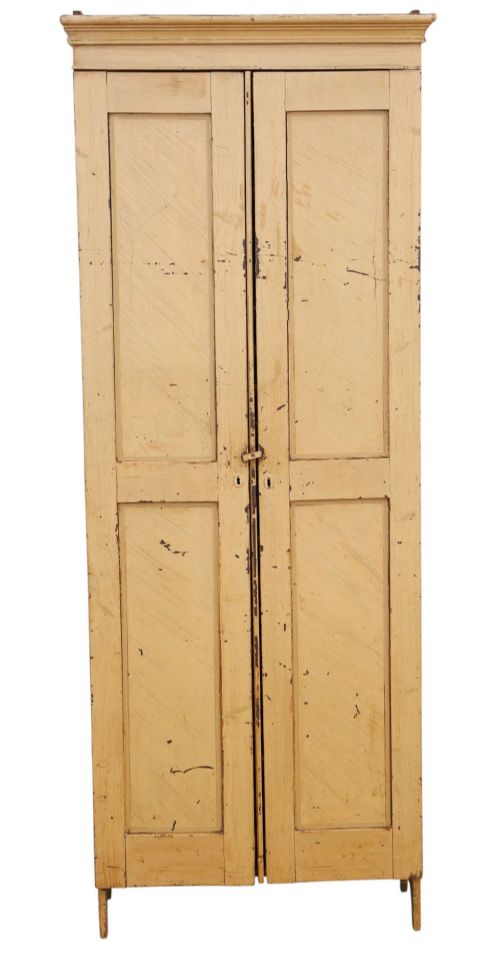
Makers of the era utilised various configurations, incorporating glazed doors, panelled cupboards, and banks of drawers into practical storage solutions. These items served specific household needs in kitchens, bedrooms, and libraries, adapting utility to the demands of nineteenth-century life.
Materials and construction methods
Cabinet makers relied heavily on hardwoods such as mahogany, walnut, and oak for formal pieces, alongside softer timbers like pine and ash for provincial or utilitarian storage. Surfaces frequently display distinct grain patterns, from flame mahogany and burr walnut to stained and painted finishes including scumble faux oak.
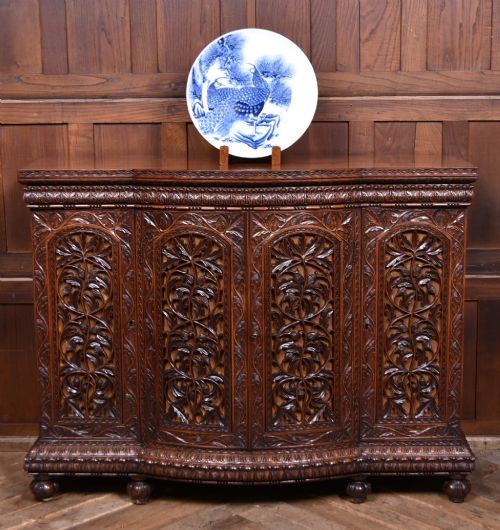
Construction involved traditional joinery techniques, paired with metal hardware such as brass handles and iron hinges. Glazed sections utilised wooden framing to support glass panels, while decorative elements incorporated hand carving, inlay, and painted Chinoiserie motifs.
The listings span multiple periods including Regency, Victorian, and Georgian, utilising materials such as mahogany, pine, oak, and brass.
Distinctions in quality and execution
The standard of a piece depends on the selection of timber and the sophistication of its construction, with figured mahogany and burr walnut commanding particular attention for their rich grain. Finer examples display meticulous attention to detail in carved ornamentation, inlay work, and the integration of original painted surfaces.
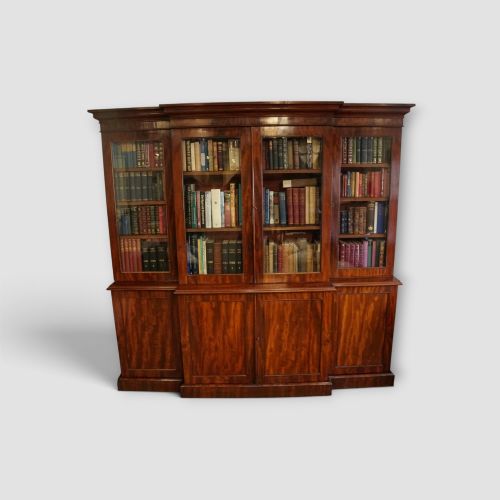
Proportion and structural integrity separate standard utility items from superior cabinet work. Well-executed pieces maintain balanced proportions across large forms like breakfront bookcases and triple wardrobes, ensuring that doors hang true and drawers operate smoothly within their housings.
The 19th Century Wooden Cupboard Glossary
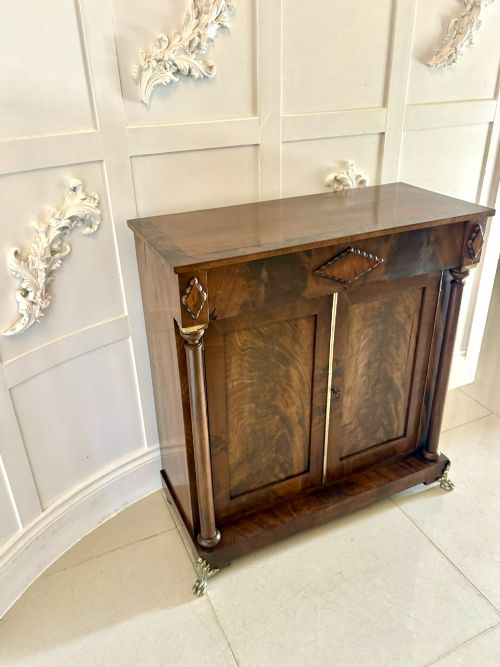
- Chiffonier
- A low sideboard or cabinet featuring a combination of enclosed shelving and drawers, popular during the Regency and Victorian periods. These pieces often included a raised superstructure or mirrored back.
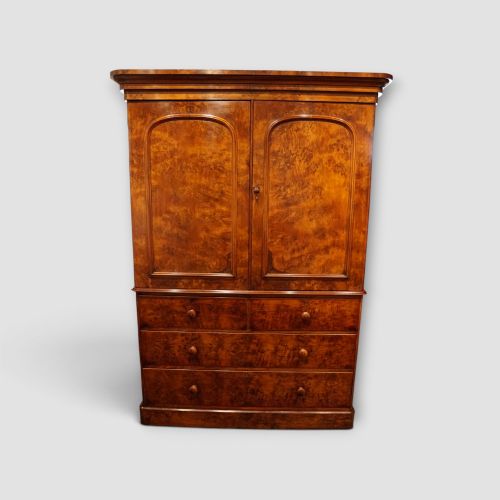
- Linen Press
- A tall storage cabinet traditionally utilised for storing textiles and bed linens, typically featuring upper sliding trays or shelves above a base of drawers. They are frequently constructed in mahogany, oak, or ash.
- Scumble paintwork
- A decorative surface finish applied to mimic the appearance of finer wood grains, such as oak, using translucent glazes over a lighter base coat. This technique was often employed on utilitarian pine furniture.
- Breakfront
- A cabinet or bookcase design where the central section projects forward from the flanking wings. This architectural arrangement creates depth and visual interest on larger case furniture.
19th Century Wooden Cupboard: Frequently Asked Questions
Where were these cupboards used?
These storage pieces served various rooms throughout the home, functioning in bedrooms as wardrobes and bedside cabinets, and in dining rooms or kitchens as sideboards and housekeeper's cupboards.
Their versatile designs accommodated the specific storage requirements of nineteenth-century domestic life, from heavy linens to tableware and books.
How do I identify the wood type?
Examining the grain pattern and colour helps distinguish between timbers like mahogany, walnut, oak, and pine. Hardwoods often exhibit deep, rich tones and fine figuring, whereas pine displays a lighter, knotty surface frequently painted or stained.
Closer inspection of weight and surface texture further clarifies whether a piece utilises a dense hardwood or a softer domestic timber.
What is a chiffonier?
A chiffonier is a compact sideboard style that emerged during the Regency era and remained popular through the Victorian period. It typically combines enclosed lower cupboard space with upper shelving or drawers.
These pieces were designed for smaller reception rooms to store dining accessories or display decorative objects.
How do I care for period pine?
Period pine furniture benefits from gentle cleaning with a soft cloth to preserve the wood and any original painted or scumbled finishes. Avoiding excessive moisture and direct sunlight protects the timber from drying or warping over time.
Applying traditional wax occasionally helps maintain the lustre of unpainted wooden surfaces without building up heavy residues.