
19th Century Wooden Chest
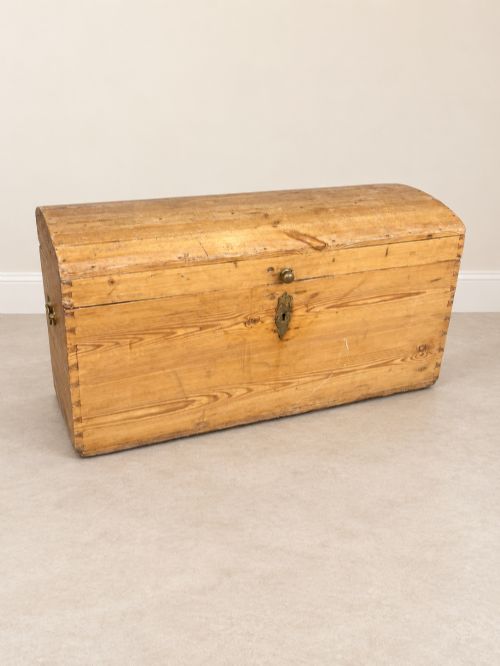
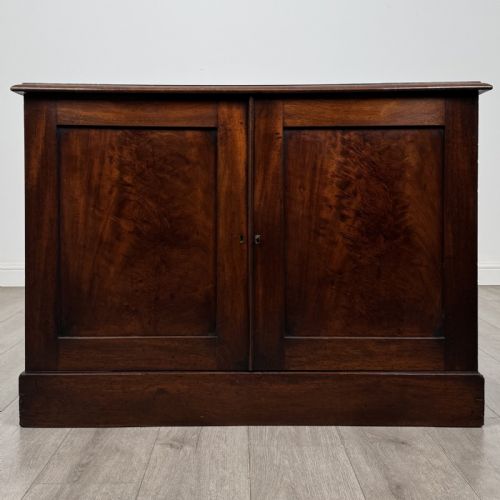
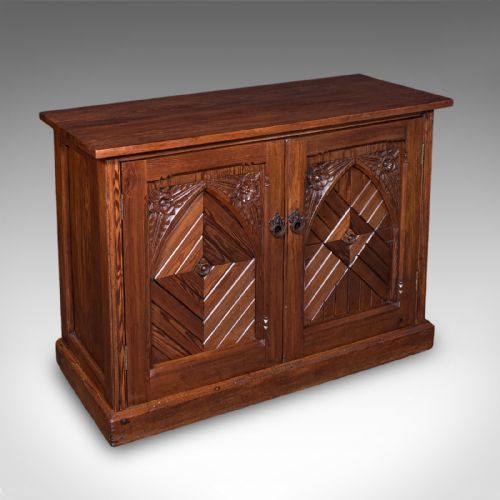
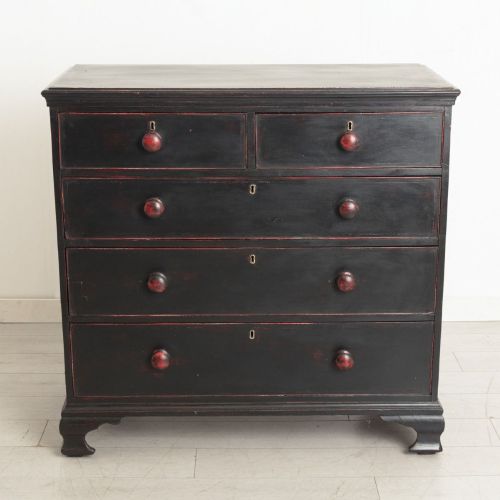
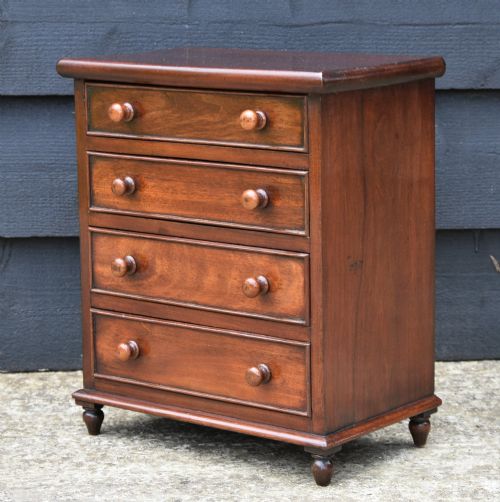
A 19th century wooden chest brings solid utility and deep timber grain to a room.
19th Century Wooden Chest
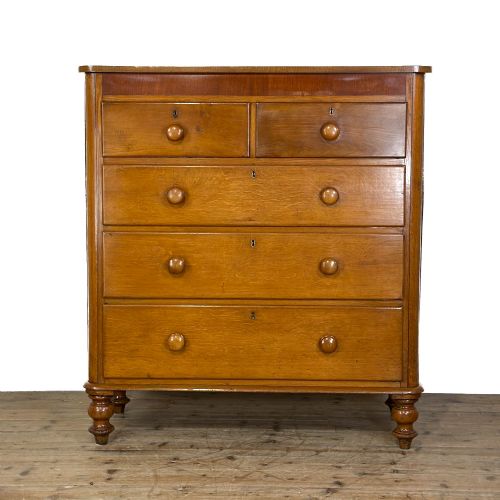
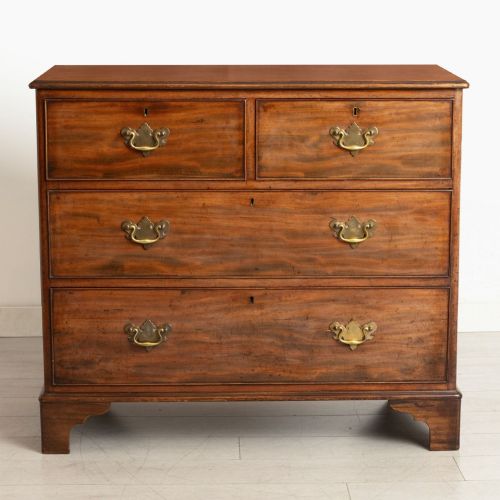
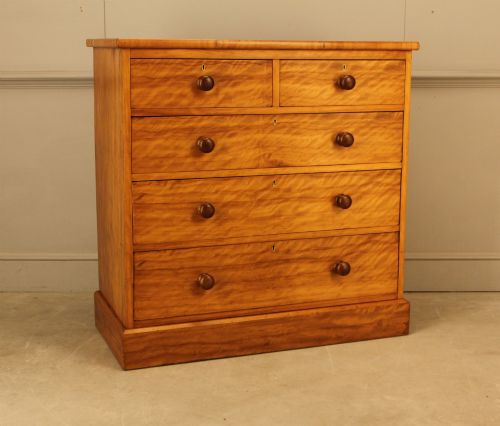
Buyers seeking a 19th century wooden chest encounter a broad mix of practical storage forms, from sturdy blanket boxes to tall chests of drawers. The selection on this page relies heavily on regional pine, mahogany, and camphor wood pieces originating across the Victorian, Georgian, and Regency periods.
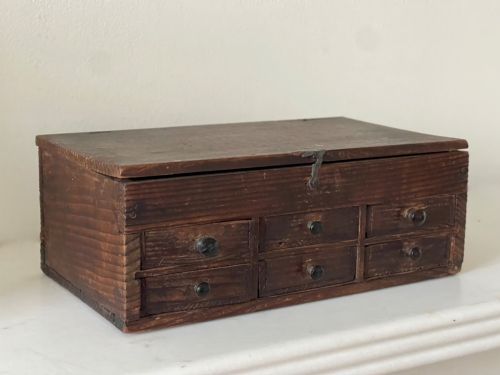
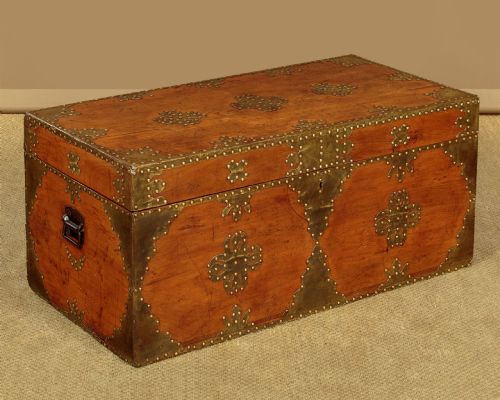
The most common formats include multi-drawer chests, hinged blanket boxes, and specialised campaign trunks fitted with brass hardware. These items served domestic and travel needs, offering robust timber construction designed to endure.
Makers utilised local and exotic woods to shape items ranging from country pine blanket boxes to formal mahogany bow-front chests. Buyers choose these historical storage pieces for their enduring function and honest material presence.
How they were made
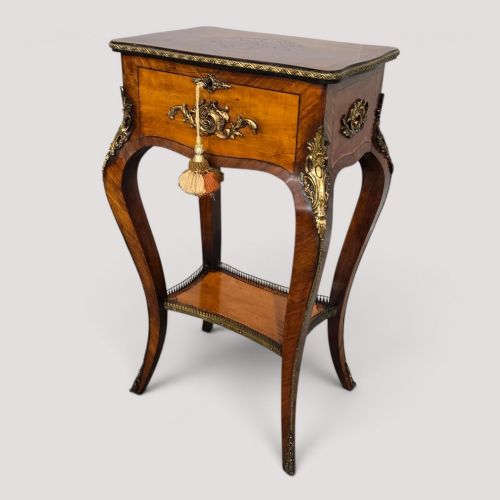
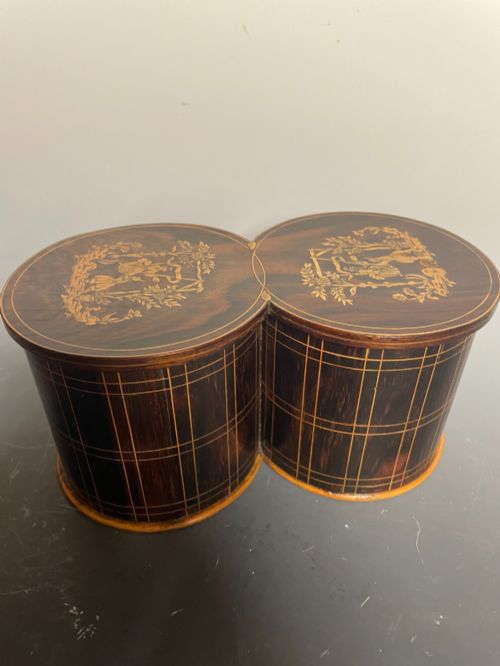
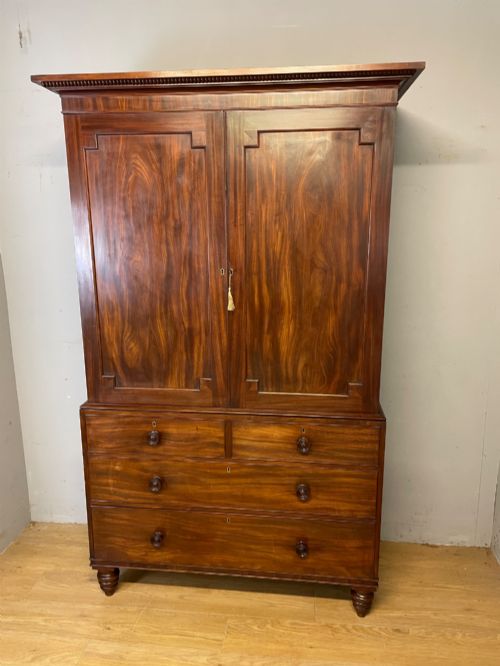
Cabinet makers built these pieces using solid timbers like mahogany, oak, and pine, often applying flame mahogany veneer or walnut parquetry for decorative effect. Structural joints relied on traditional woodworking methods, ensuring the carcase and drawers stayed square over decades of daily use.
Hardware played a practical structural role, utilising brass corners, iron binding, and drop handles to reinforce corners and assist transport. Woods were selected for density and grain pattern, then hand-finished with wax or polish to protect the timber surface.
Listings feature camphor wood, mahogany, pine, and oak across Victorian, Georgian, and Regency periods.
What varies in quality
Quality rests in the selection of timber, the precision of the drawer joints, and the integrity of the original hardware. Superior examples display carefully matched veneers, tight dovetailing, and well-figured grain across the primary visible surfaces.
Simpler vernacular pieces rely on utilitarian pine or oak with straightforward board construction, where quality is judged by sturdy proportions and minimal alteration. Retaining original brass bindings, locks, and handles distinguishes better surviving specimens from heavily restored ones.
T & G Seddon
The 19th Century Wooden Chest Glossary
- Campaign trunk
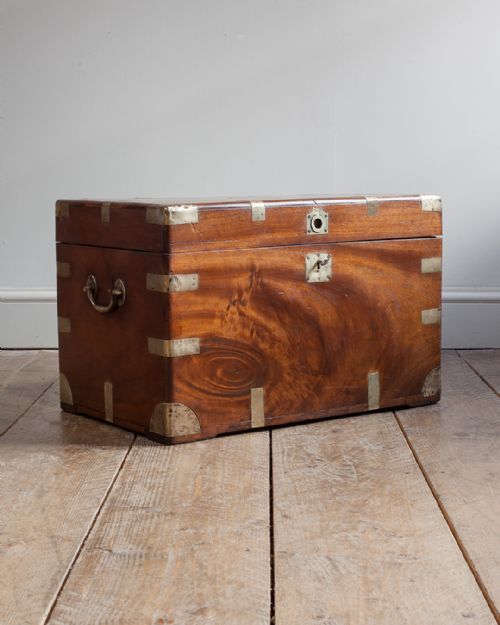
- A portable storage chest fitted with recessed brass handles and corner brackets, designed for military transport.
- Coffer bach
- A small Welsh oak chest featuring a drawer beneath the main storage compartment.
- Linen press
- A tall storage cabinet combining upper sliding shelves or hanging space with lower drawers for textiles.
- Cellarette
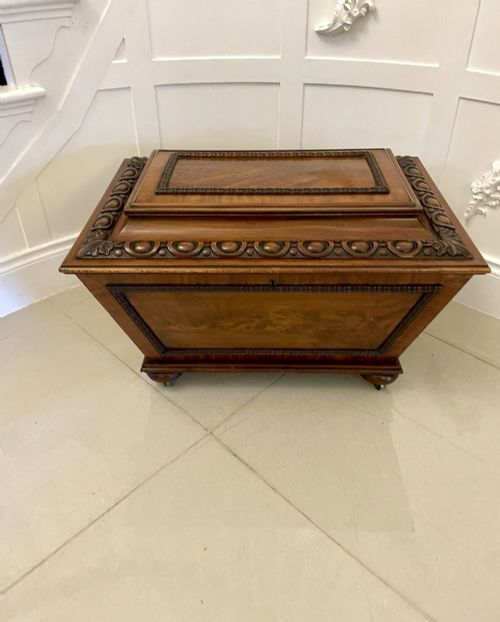
- A specialised timber box or cabinet used to store wine bottles near the dining table.
19th Century Wooden Chest: Frequently Asked Questions
What is a campaign chest?
A campaign chest is a portable wooden storage box built in sections with recessed brass hardware for military travel.
These pieces break down easily and utilise durable woods like camphor or mahogany to withstand rough transport.
How do I date an oak coffer?
Dating involves examining the construction methods, tool marks, and timber grain. Hand-sawn boards and pegged joints usually indicate older or vernacular manufacture.
Secondary woods and hinge types also help place the piece within a specific century.
Where were blanket boxes used?
Blanket boxes sat in bedrooms and hallways to store heavy woollens, linens, and personal valuables. Their solid lids protected contents from dust and damp conditions.
Pine and oak were standard materials for domestic versions kept in farmhouses and country homes.
What is an apprentice chest?
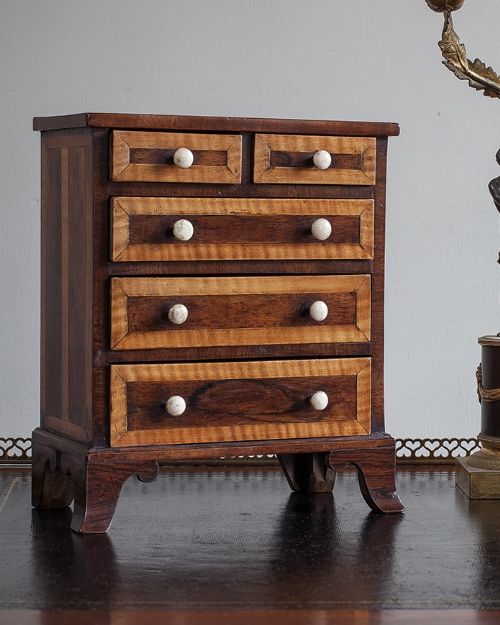
An apprentice chest is a small-scale model of a full-size drawer unit or tallboy. Trainee craftsmen built them to prove their technical proficiency.
These miniature pieces mirror the exact joinery and proportions of larger furniture.