



19th Century Wooden Bench
A 19th century wooden bench brings enduring joinery and honest materials into a modern hallway or garden.
19th Century Wooden Bench
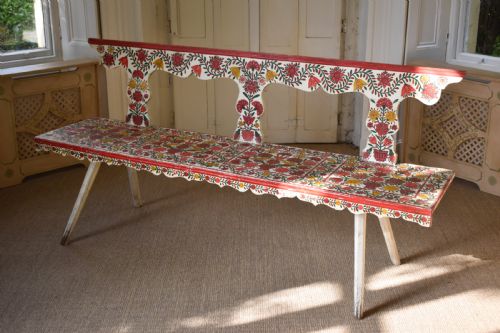
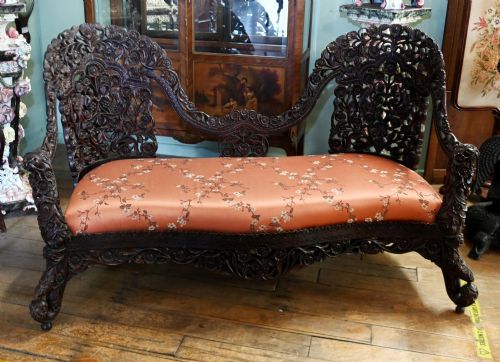
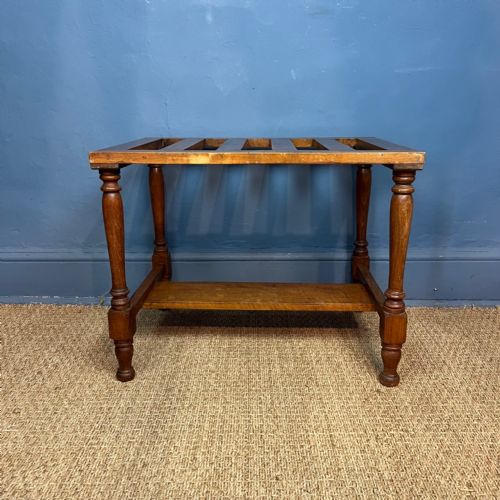
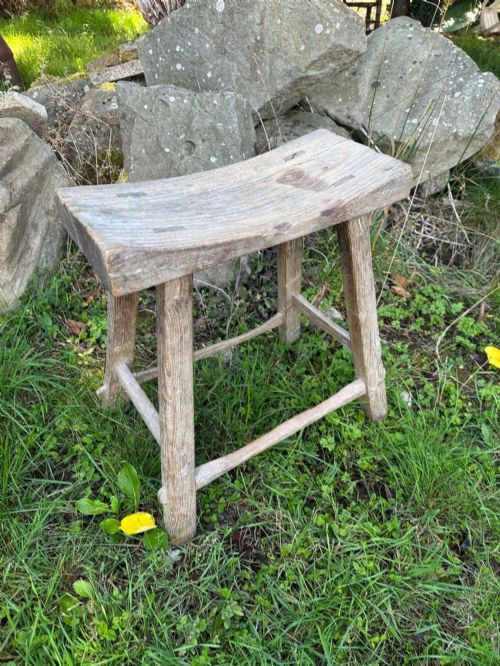
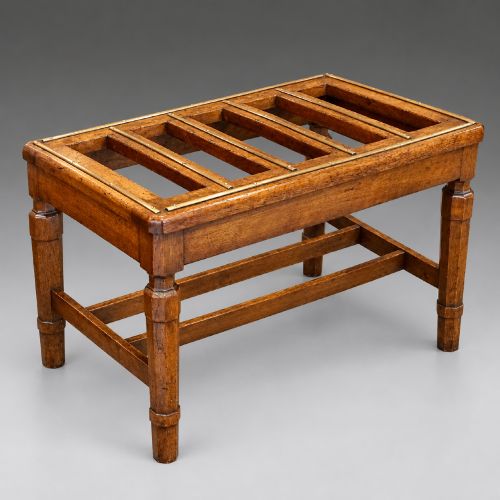
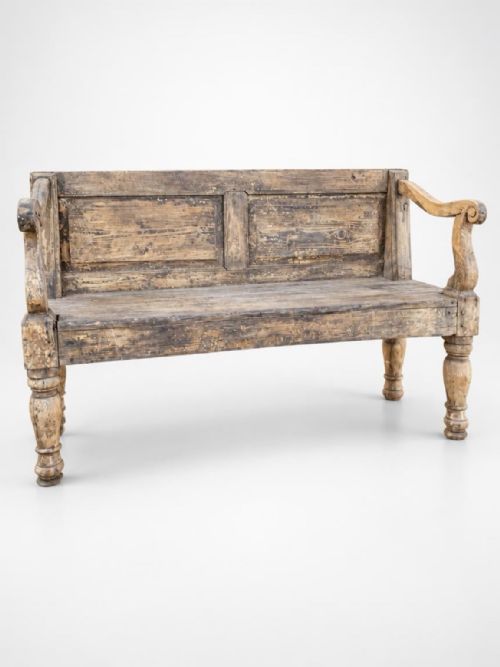
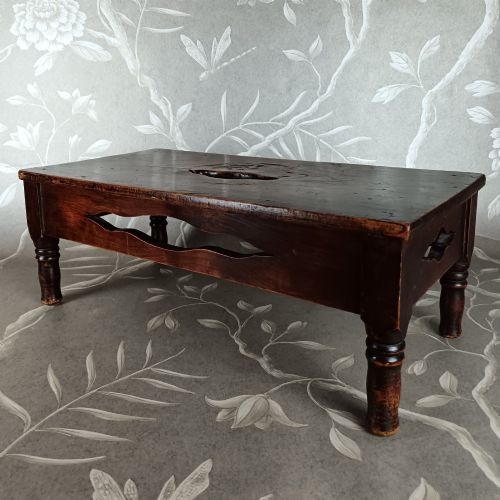
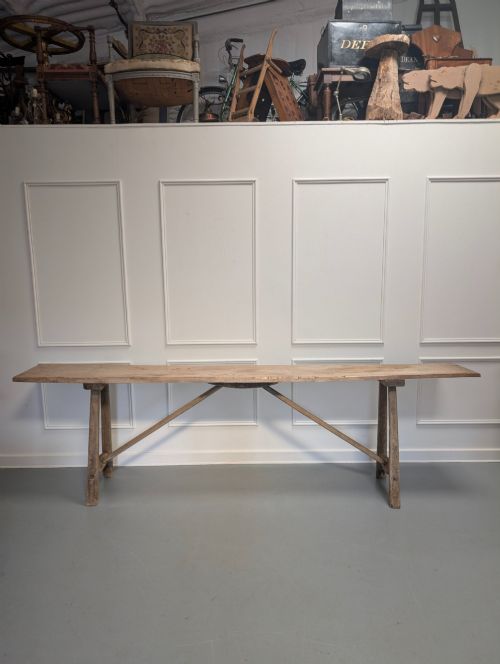
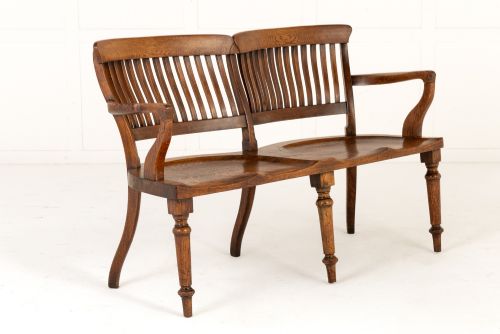
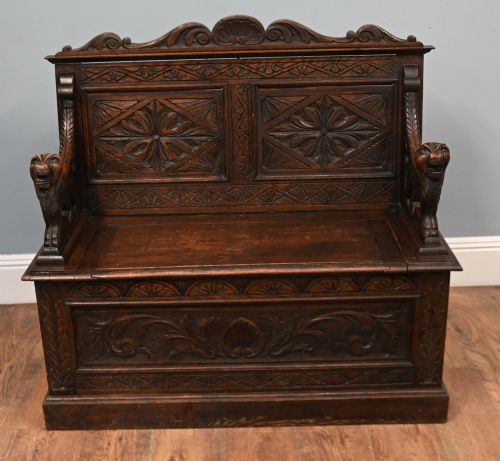
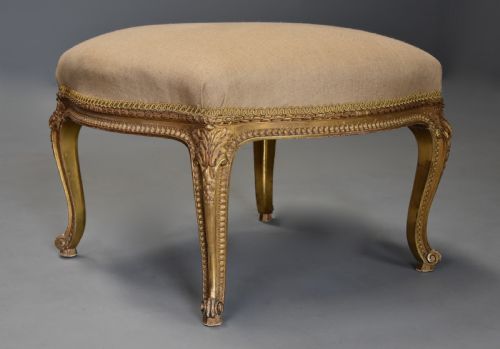
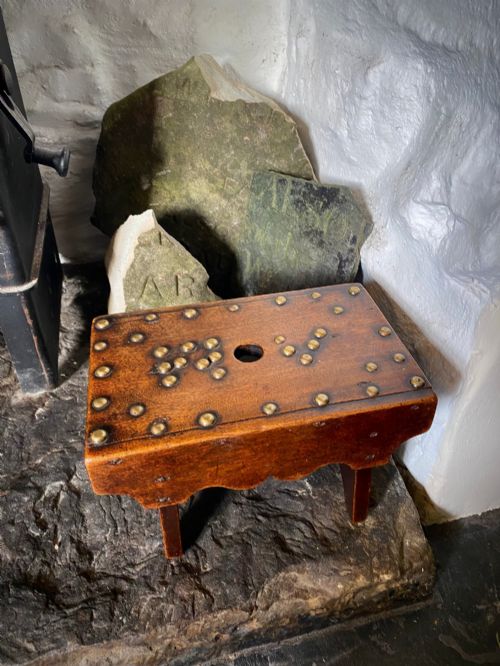
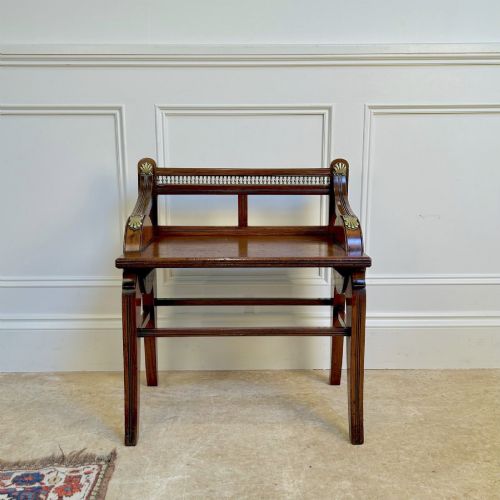
When you search for a 19th century wooden bench, you encounter practical seating originating from domestic, rural and institutional settings across Britain and Europe. The selections span simple elm and pine milking stools, robust oak settle benches with storage compartments, and elegant mahogany window seats.
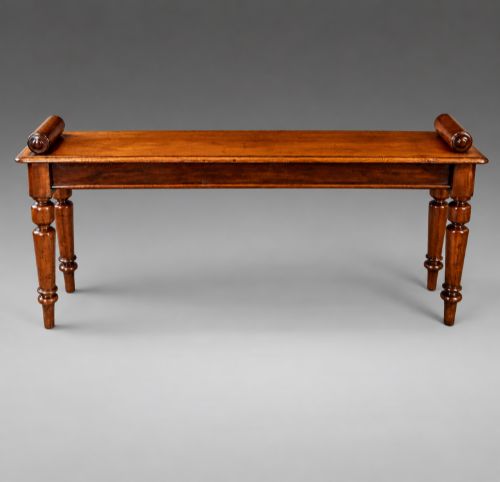
You meet vernacular forms shaped by local traditions, such as Welsh heart hall benches, rustic country settles and French provincial seating. Many items reflect distinct regional utility, ranging from narrow hallway benches designed for compact spaces to substantial tavern seating intended for heavy daily use.
How they were made
Maker construction relies on native timbers like oak, pine, elm, ash and sycamore, often joined with pegged mortise and tenon joints suited to robust daily wear. Hardwoods such as mahogany and rosewood appear in more formal urban seating.
Surfaces display various finishes, including honey brown patinas on pine, traces of original ochre and green paint on vernacular pieces, and carved architectural ornamentation or turned legs reflecting Victorian and Regency styles.
19th Century Wooden Bench Retail Price Guide 2026
Typical asking prices for 19th century wooden bench among the pieces listed under this phrase on Sellingantiques today, from the lower quarter to the upper quarter. They describe what is for sale here now, not the wider market.
Black Forest bear benches bring surprisingly fierce ursine charm to Victorian seating.
What varies in quality
Quality depends upon the integrity of the timber and the honesty of the construction, where vernacular pieces show the straightforward resourcefulness of regional joinery. Greater refinement appears in polished mahogany window seats and carved rosewood frames bearing the hand of skilled cabinet makers.
The survival of original surfaces, such as early paint layers or deep patinated finishes, elevates an example above pieces stripped and refinished in later decades. Structural robustness in high-use forms like settles and tavern benches also distinguishes superior survivals from lesser items.
GIllows·Coalbrookdale
The 19th Century Wooden Bench Glossary
- Settle
- A wooden bench with a high back, solid arms and frequently a box seat for storage. This form kept draughts away from the sitter in older domestic interiors.
- Window seat
- A low, upholstered or wooden bench designed to fit within a window recess. These pieces often feature mahogany or satinwood frames reflecting Regency taste.
- Hall bench
- A narrow seating item placed in an entrance passage for visitors to use while removing coats. They often incorporate architectural backs or umbrella wells.
- Vernacular
- Everyday objects made by local craftsmen using regional materials without academic architectural pretension. These items prioritize utility and local tradition over high-style design.
- Patina
- The surface sheen and colour developed by timber and paint over decades of handling and waxing. A rich patina indicates age and continuous use.
19th Century Wooden Bench: Frequently Asked Questions
Where should I put a hall bench?
A narrow 19th century wooden bench fits naturally in an entrance hall or passage where floor space is limited. These pieces provide a practical spot for putting on shoes while establishing an authentic period character near the front door.
Heavier high-back settles can also anchor a large hallway or kitchen, offering both seating and enclosed storage within the base compartment.
How do I clean a painted wooden bench?
Preserving original paint requires gentle dusting with a dry microfibre cloth to remove surface grit without disturbing fragile pigments. Avoid modern chemical sprays and harsh detergents that strip historic finishes.
If the paint is stable, an application of microcrystalline wax can protect the surface of a 19th century wooden bench from moisture and further wear.
Can I use an antique bench outdoors?
Most indoor pieces fashioned from pine, oak or elm lack weather-resistant treatments and will degrade if exposed to rain and frost. Cast iron and wooden garden benches specifically designed for exterior conditions are better suited to patios and lawns.
If you place an indoor 19th century wooden bench in a conservatory or covered porch, ensure it remains protected from direct sunlight and damp stone floors.