


19th Century Wooden Bed
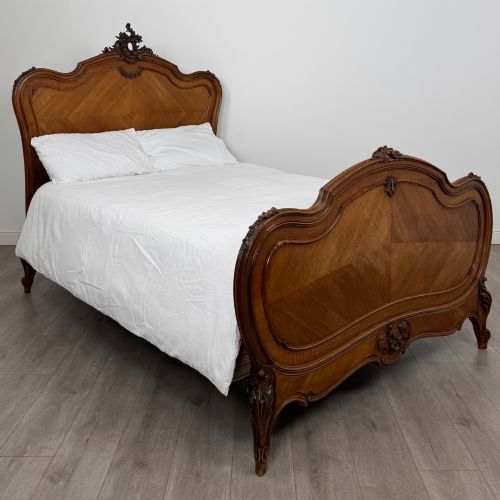
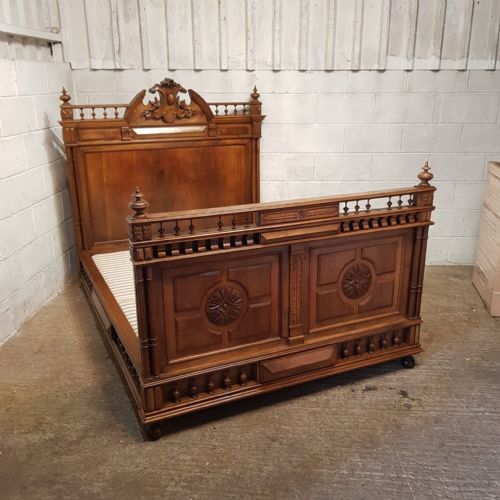
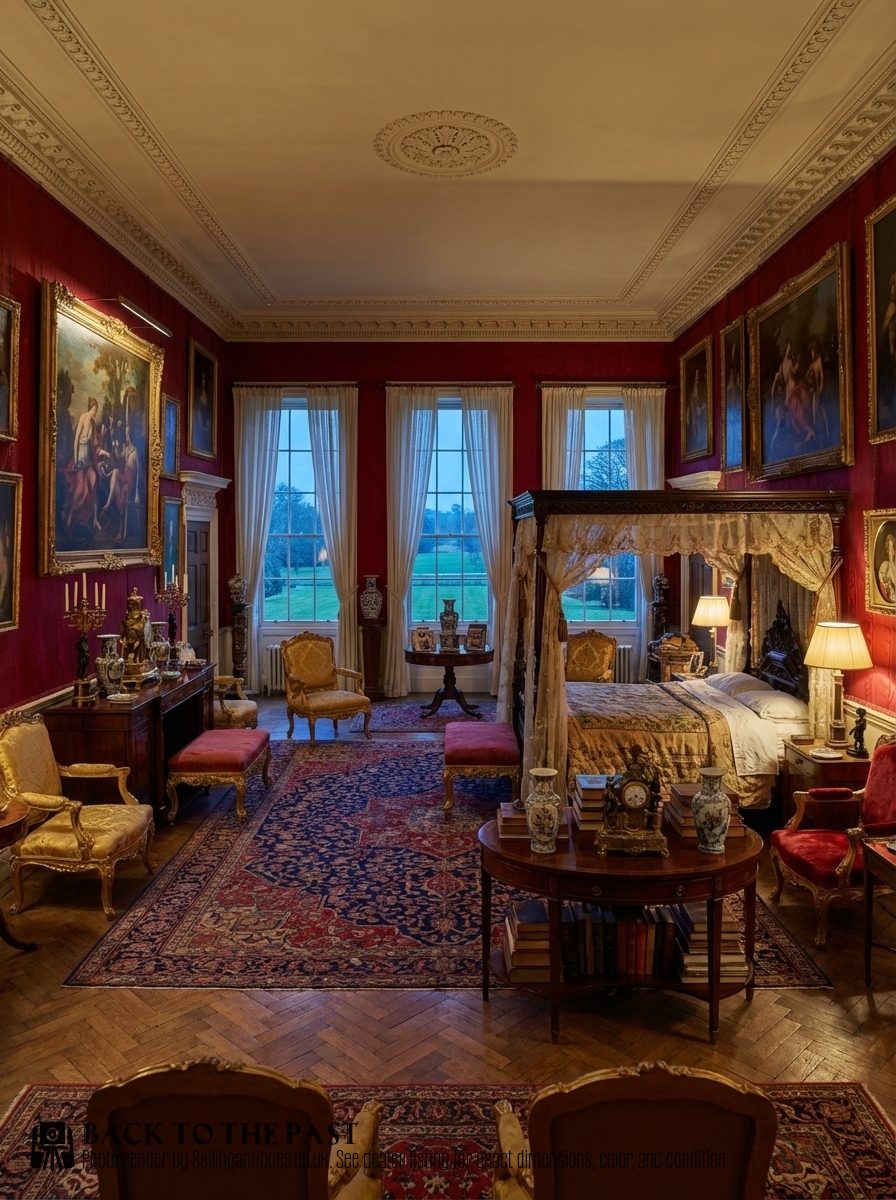
A 19th century wooden bed brings warmth and architectural presence to a bedroom, ranging from French walnut bedsteads to Chinese hardwood four-posters.
19th Century Wooden Bed
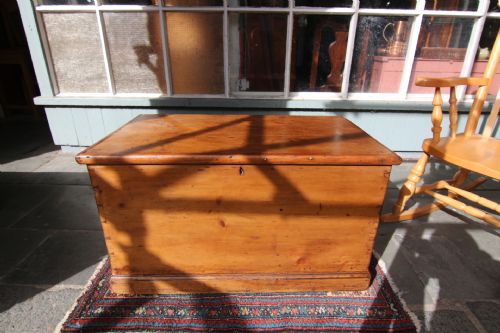
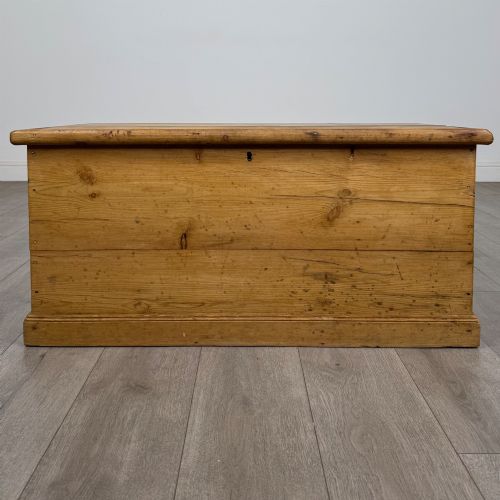
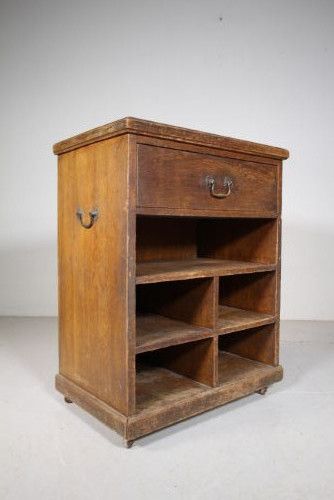
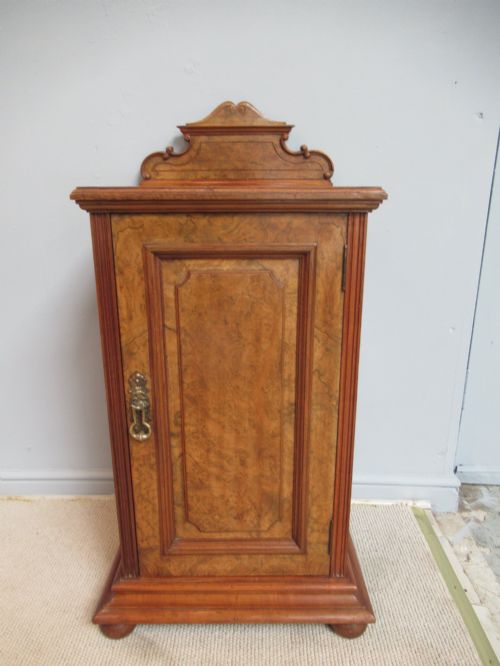
A 19th century wooden bed encompasses full bedsteads, daybeds, and marriage beds originating from British, French, Italian, Portuguese, and Chinese workshops. The selection here leans heavily towards French walnut and oak bedsteads alongside regional pine blanket boxes and bedside storage pieces.
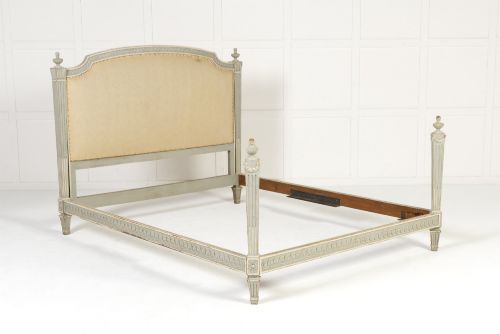
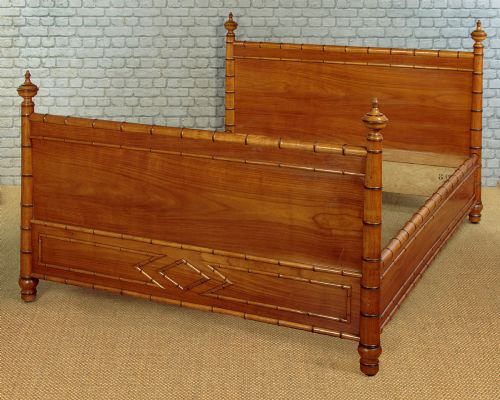
Buyers encounter everything from simple faux bamboo double frames to elaborately carved Louis XVI style golden walnut beds and architectural canopies. Proportions vary from standard doubles up to generous king and superking sizes adapted for modern mattresses.
Materials and Construction
Cabinetmakers utilised dense hardwoods such as walnut, mahogany, oak, satinwood, and elm, often pairing quarter-veneered panels with solid structural framing. Secondary timbers like pine appear on internal components and associated blanket chests.
Carving, turning, and applied faux bamboo mouldings define the surface ornamentation across these pieces. Joints rely on traditional pegged mortise and tenon construction, supplemented in later periods by early iron and brass bolt mechanisms.
One unexpected listing repurposes a hand-carved African ceremonial bed as a low coffee table.
Judging Quality
Depth of hand-carving and figure of the timber grain separate standard provincial pieces from high-status examples like Italian gilded frames or French quarter-veneered walnut bedsteads. Crispness in moulded details and symmetry in decorative panels indicate superior workshop output.
Structural integrity depends on the original timber surviving without severe warping or extensive timber worm damage, while alterations to lengthen beds for contemporary use impact historical authenticity.
The 19th Century Wooden Bed Glossary
- Bedstead
- The framework of a bed, consisting of headboard, footboard, and rails. It excludes the mattress and base.
- Quarter-veneered
- Wood veneer arranged in sets of four symmetrical pieces to create a mirrored grain pattern. This technique highlights the natural figure of walnut.
- Faux bamboo
- Wood turned and painted to imitate natural bamboo stalks. It represents a popular decorative style during the late nineteenth century.
- Daybed
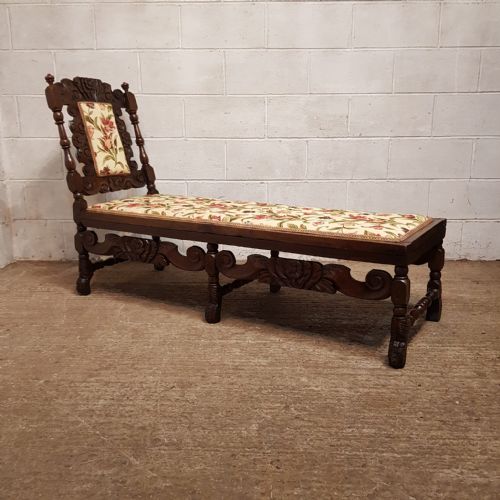
- A couch-like seating unit designed for reclining. Examples range from Regency sofa beds to Victorian carved oak variants.
19th Century Wooden Bed: Frequently Asked Questions
Will a 19th century wooden bed fit a modern mattress?
Many nineteenth-century frames measure to older sizing conventions and often require custom mattress dimensions. Wood rails and internal supports frequently need discreet adjustment to accommodate modern slatted bases safely.
Checking internal width and length measurements against standard sizes prevents installation difficulties upon delivery.
How do I identify French styles on these beds?
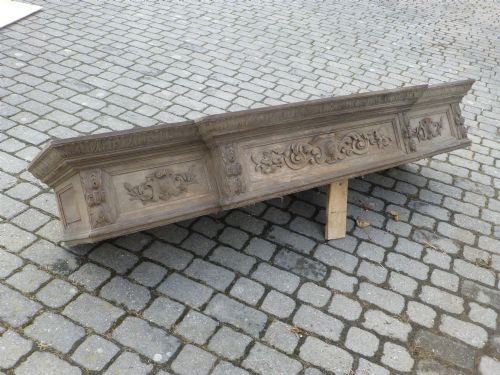
French beds from this era frequently exhibit stylistic markers such as Louis XVI neoclassical symmetry, Rococo curved cartouches, or architectural walnut pediments. Carved floral motifs and shaped headboards predominate in these regional designs.
Walnut and painted finishes remain characteristic of continental workshops compared to heavier British oak framing.
Are these beds stable for nightly use?
Solid hardwood construction provides inherent strength, though joints require periodic tightening after transport and assembly. Original bolt systems often benefit from professional alignment to ensure rigidity.
Most antique bedsteads handle standard domestic weight comfortably once correctly installed on level flooring.
What maintenance do antique wooden beds need?
Routine care involves dusting with a dry cloth and occasionally applying quality beeswax to nourish dry timber surfaces. Avoiding direct sunlight and stable room humidity prevents wood splitting and veneer lifting.
Hardware and side rail fixings should be inspected annually for secure seating.