





19th Century Watercolour Seascape
These pieces capture coastal drama and maritime life through delicate pigments on paper, offering buyers a direct window into Victorian marine artistry.
19th Century Watercolour Seascape
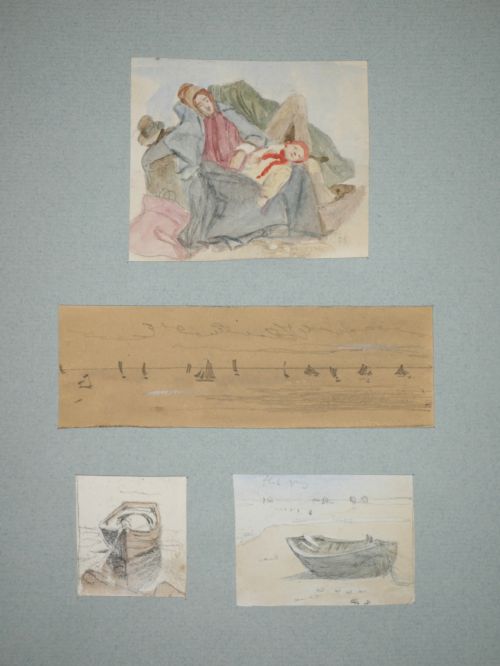
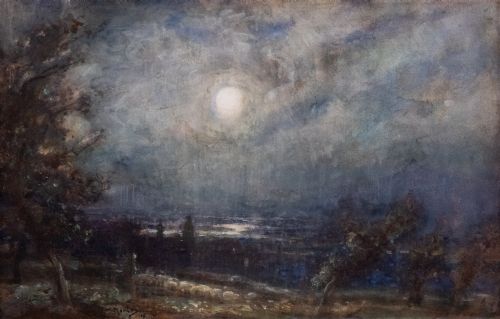
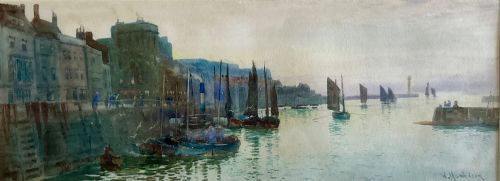
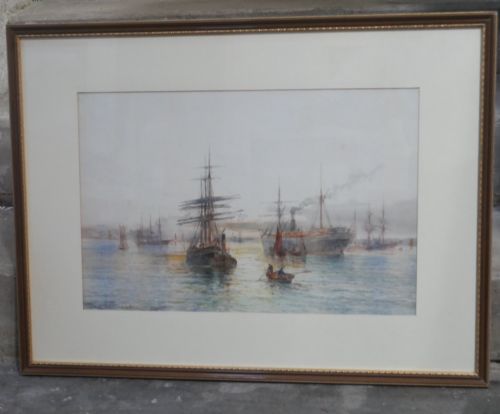
A 19th century watercolour seascape records maritime activity, coastal towns, and changing weather along British and European shores during the Victorian era and slightly beyond.
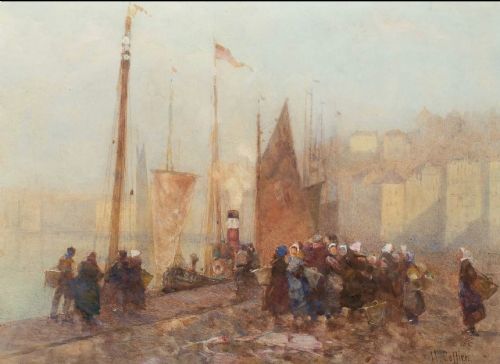
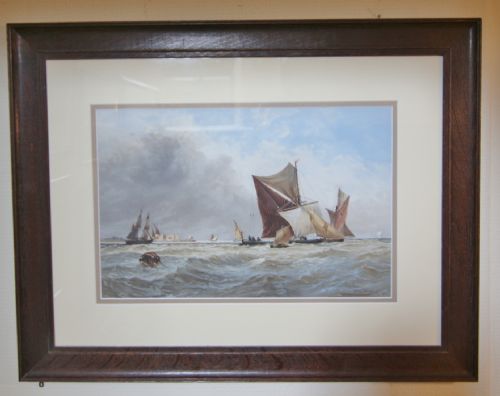
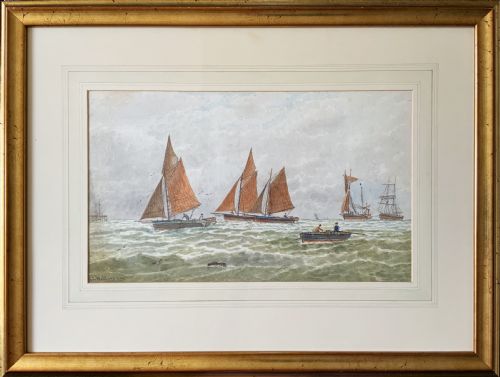
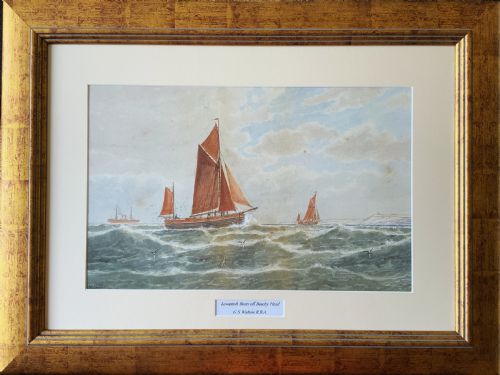
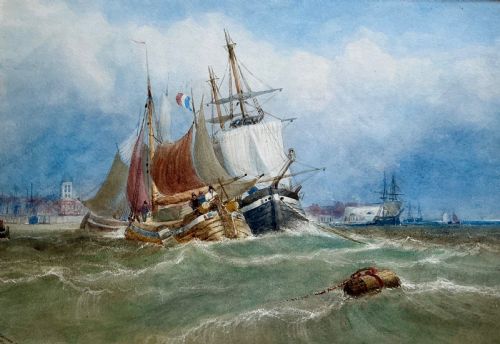
Collectors encounter framed works on paper depicting bustling harbours, fishing vessels negotiating rough waters, and quiet coastal landscapes from named artists and regional schools.
Most examples date from the middle decades through the turn of the twentieth century, reflecting a period of intense artistic focus on shipping, coastal communities, and marine topography.
Materials and execution
Artists painted primarily with watercolour pigment suspended in water, applied directly onto absorbent paper supports to achieve varying degrees of transparency and tone.
Many works incorporate ink for fine linear details and pencil underdrawing, while framing often relies on wood and glass to protect the delicate painted surface.
Listings feature works executed on paper using watercolour pigment and ink, spanning the Victorian period through the early twentieth century.
Distinctions in quality
Superior examples demonstrate confident brushwork, accurate rendering of maritime rigging and hull construction, and atmospheric control over light and moisture.
Secondary pieces often rely on formulaic compositions and weaker handling of perspective, lacking the direct observation seen in works by accomplished professional marine painters.
Thomas Bush Hardy·George Stanfield Walters·William Frederick Settle·Henry Barlow Carter·James Webb
The 19th Century Watercolour Seascape Glossary
- Watercolour pigment
- Finely ground colour particles mixed with a water-soluble binder. This medium allows artists to layer translucent washes to capture the changing effects of sea and sky.
- Works on paper
- A broad category encompassing drawings, sketches, and finished paintings executed on paper supports. These pieces require careful framing behind glass to prevent environmental degradation.
- Gilt wood
- Timber framing coated with a thin layer of gold leaf or gilt finish. This traditional framing style enhances the presentation of antique maritime paintings.
- Marine art
- Artistic representation of the sea, ships, and coastal views. This genre demands precise knowledge of nautical architecture and maritime conditions.
19th Century Watercolour Seascape: Frequently Asked Questions
How should I display my watercolour seascape?
Hang your painting away from direct sunlight to prevent the watercolour pigments from fading over time. Maintaining a stable indoor environment protects the paper support from humidity fluctuations.
Ensure the frame uses conservation-grade glass and backing materials to preserve the delicate medium safely on your wall.
How do I identify the date of a marine painting?
Examine the visible signatures, inscriptions, and artist dates often found in the lower corners of the sheet. Stylistic clues such as vessel rigging types and clothing styles of figures on the shore also help narrow the period.
Comparing the handling of light and paper to documented works by the same artist provides further chronological context.
What subjects appear most often in these works?
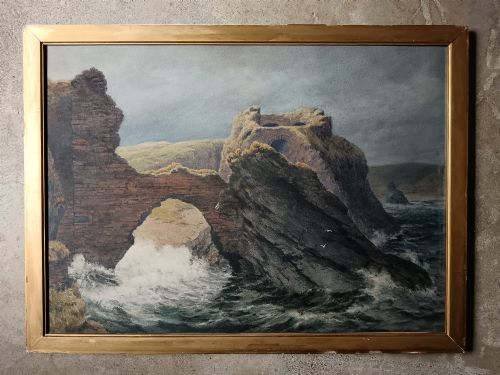
Harbour scenes, fishing boats returning with the catch, and coastal cliffs dominate the surviving output of this period. Artists frequently recorded specific regional ports, estuaries, and shipping lanes across Britain and Europe.
Stormy seas and calm coastal inlets offer contrasting views of maritime life during the nineteenth century.
Are these paintings usually signed by the artist?
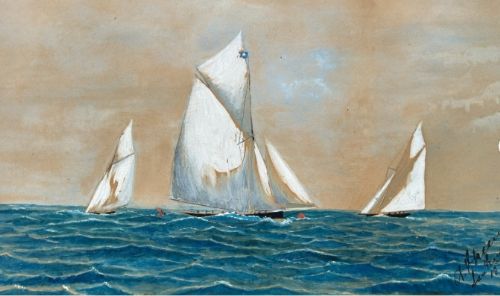
Many works bear the artist signature, monogram, or initials, while others remain attributed based on style, subject matter, and archival records. Unsigned pieces frequently emerge from regional British and continental schools.
Inscriptions on the reverse of the paper or frame often supply additional details regarding the depicted location.