



19th Century Wall Lights
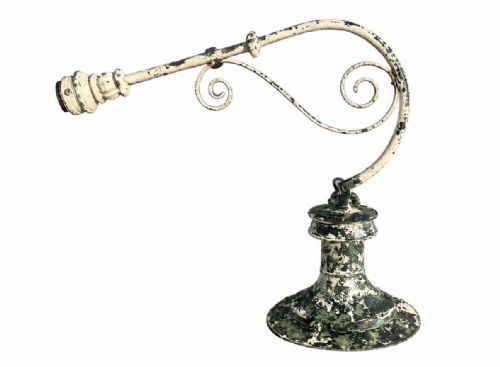
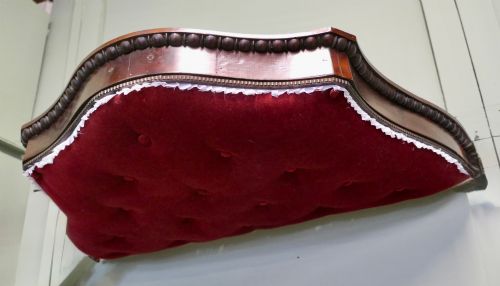
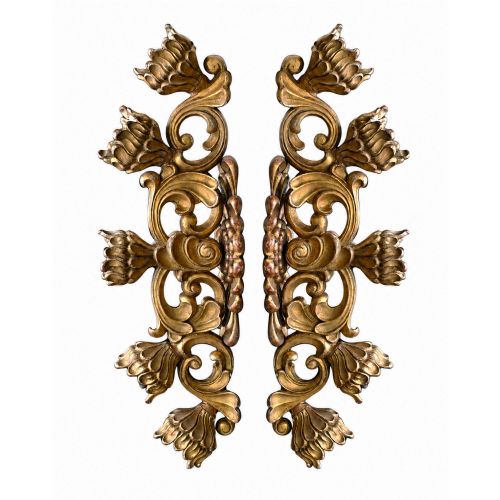
Selecting 19th century wall lights brings sculptural illumination into a room through cast metal, carved wood and reflective glass.
19th Century Wall Lights
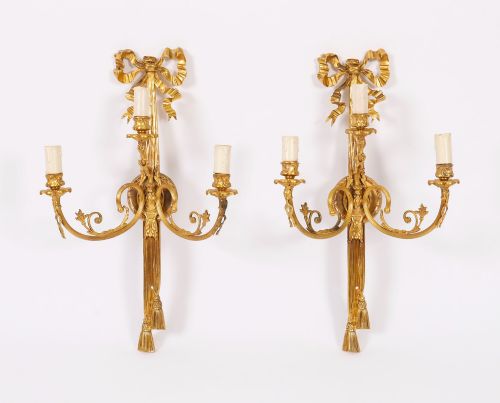
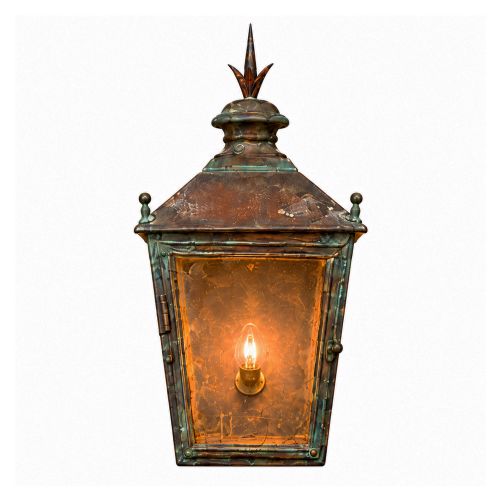
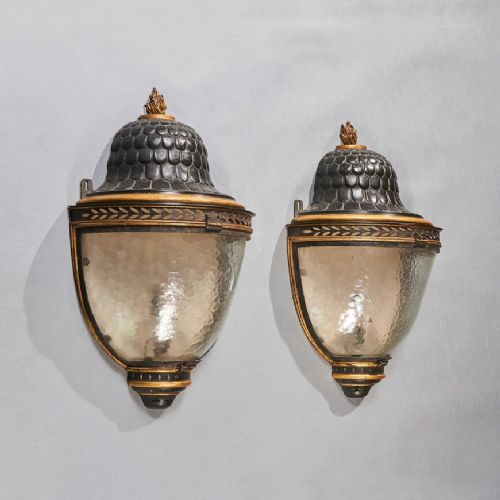
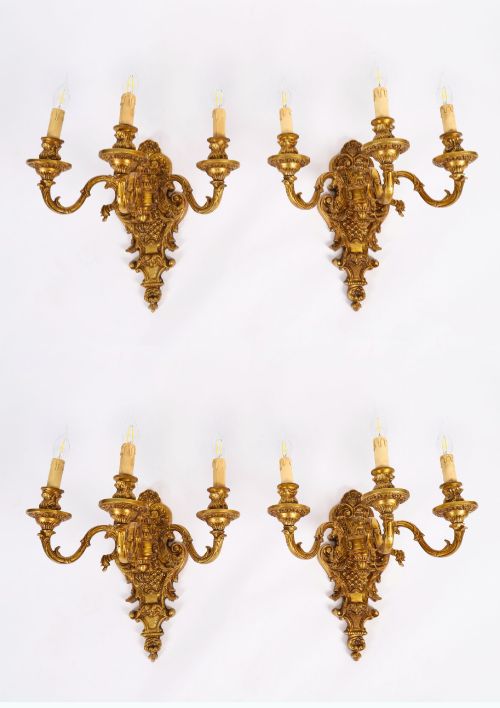
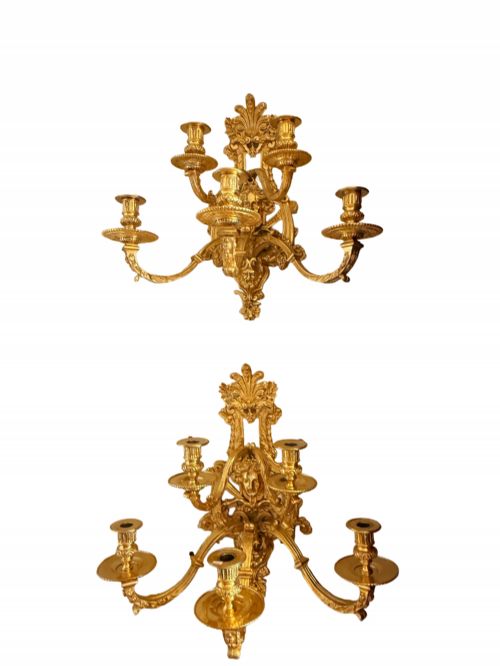
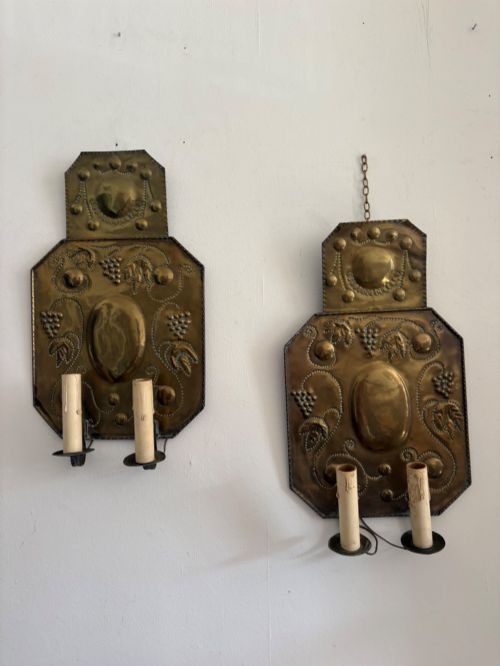
When searching for 19th century wall lights, buyers encounter a wide selection of dual-arm sconces, multi-branch girandoles with integrated mirrors, exterior carriage lanterns and church fittings. These fixtures originate primarily from French workshops influenced by Rococo and Louis XVI revivals, alongside English and Dutch domestic manufacturing.
The objects span the Victorian and Edwardian eras, with many pieces carrying dates or stylistic markers from the 1870s through to 1900. Pairs and larger sets predominate in domestic brass, bronze and ormolu.
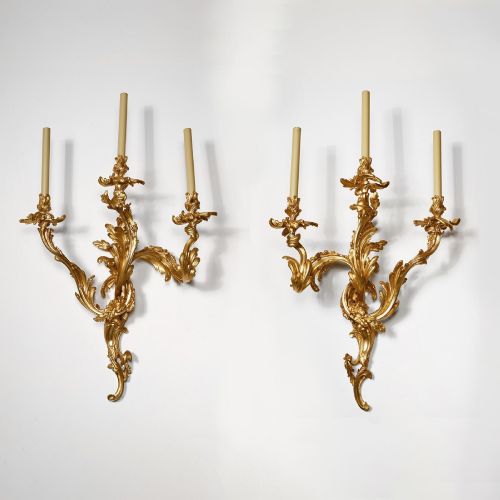
Makers and designers from the period utilised classical motifs such as putti, rams' heads, urns and acanthus foliage to ornament backplates and candle arms.
Materials and Construction
Foundry workers cast brass, bronze and ormolu into intricate figural and floral shapes, often applying mercury gilding to impart a rich golden sheen. Cabinetmakers carved gesso and giltwood to create ornate mirrored backplates designed to reflect candlelight.
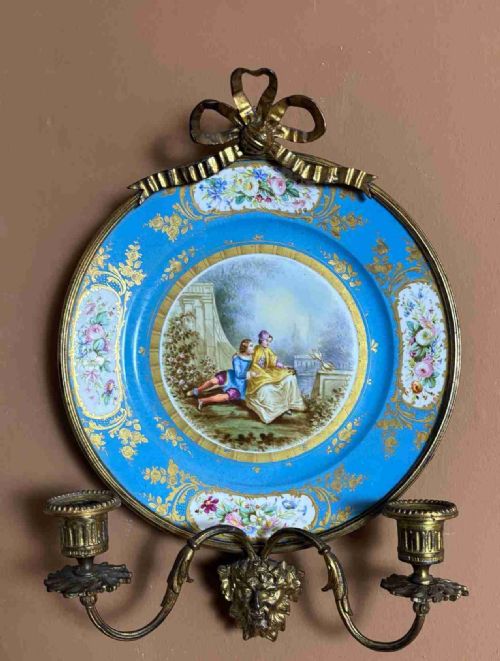
Assemblers combined cast metal arms with porcelain plaques, cut glass lustres and tole peinte metalwork using pinned or threaded joints.
19th Century Wall Lights Retail Price Guide 2026
Typical asking prices for 19th century wall lights among the pieces listed under this phrase on Sellingantiques today, from the lower quarter to the upper quarter. They describe what is for sale here now, not the wider market.
Listings feature brass, gilt bronze, ormolu, glass, wood, bronze, giltwood and gesso across the Victorian and Edwardian eras.
Craftsmanship and Detail
Lower tiers rely on simpler stamped brass or softer surface finishes with minimal hand-chasing after casting.
Bruce Talbert·Henri Vian·Henri Picard·Richard Evered·Villeroy and Boch
The 19th Century Wall Lights Glossary
- Ormolu
- Gilt-bronze achieved by applying a mercury and gold amalgam to a bronze base and firing it. This technique produced a durable metallic finish seen on French luxury goods.
- Girandole
- A branched candleholder that incorporates a mirror into the backplate. The reflective glass amplified the light cast by the candles.
- Repousse
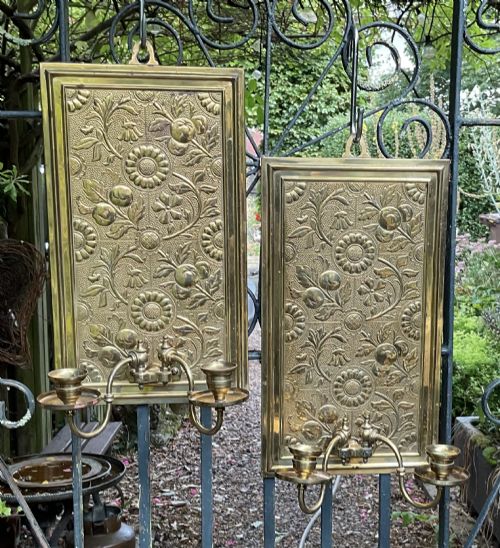
- A metalworking method where the artisan hammers the design from the reverse side to create a raised relief on the front. It is common on Dutch brass wall sconces.
- Sconce
- A wall-mounted lighting fixture designed to hold candles or gas jets. The form secures directly to vertical surfaces via a backplate.
- Tole Peinte
- Painted sheet metal used for decorative objects like lanterns and shades. It provides a colourful matte surface.
- Lustre
- A glass pendant or drop hung from a light fitting to refract illumination. These elements catch and multiply the candlelight.
19th Century Wall Lights: Frequently Asked Questions
How were these lights mounted?
Most fixtures attach to wall surfaces using a rear bracket, screw holes in the backplate, or a central mounting stem designed to hook onto a wall stud or anchor.
Heavier multi-branch ormolu and bronze examples required sturdy wooden backing blocks or masonry fixings to support their substantial weight safely.
Were these converted to electricity?
Many surviving examples have undergone professional rewiring to accommodate modern electric bulbs while retaining their original candle tubes and drip pans.
Unconverted pieces retain their original sockets for wax candles or gas fittings, which can be adapted or displayed in their historical state.
How do I identify French pieces?
French production typically displays characteristic Louis XVI or Rococo revival motifs, including cast putti, acanthus scrolls, urns and fire-gilt ormolu finishes.
Maker stamps or foundry marks on the reverse of the backplates frequently confirm Parisian origin.
How do I clean ormolu safely?
Maintenance requires only a gentle dusting with a soft dry brush to remove particulate matter from recessed chasing.
Harsh chemical polishes must be avoided because they strip away the historic mercury gilding and expose the base bronze metal underneath.