


19th Century Wall Decor
Navigating the realm of 19th century wall decor reveals a rich tapestry of oil paintings, carved mirrors, and eclectic artefacts that anchor a room with period character.
19th Century Wall Decor
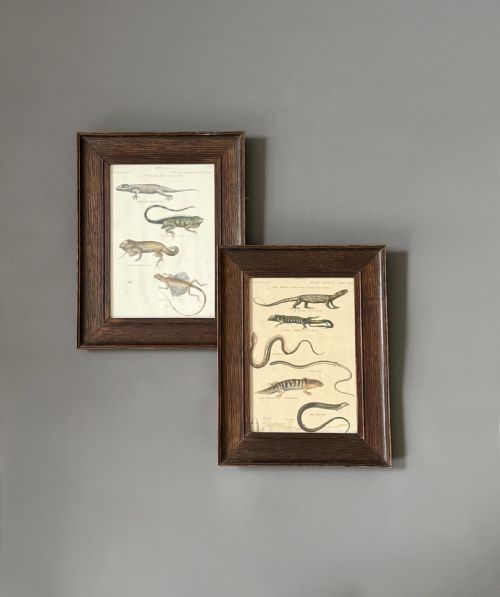
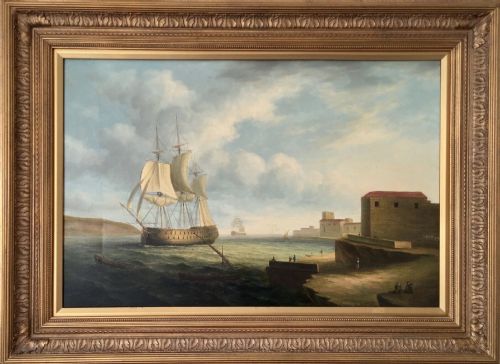
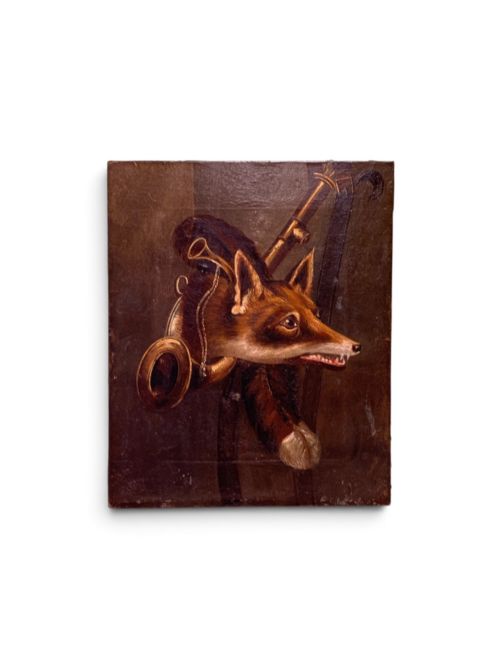
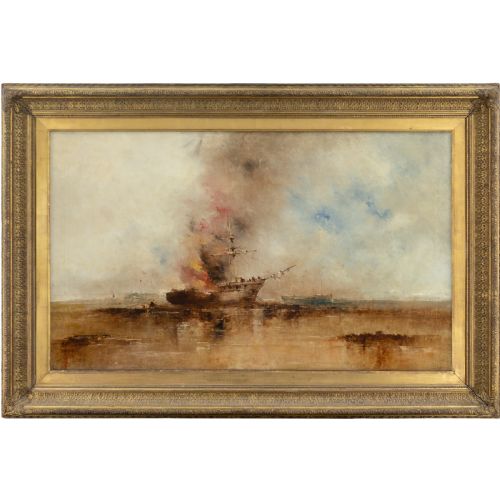
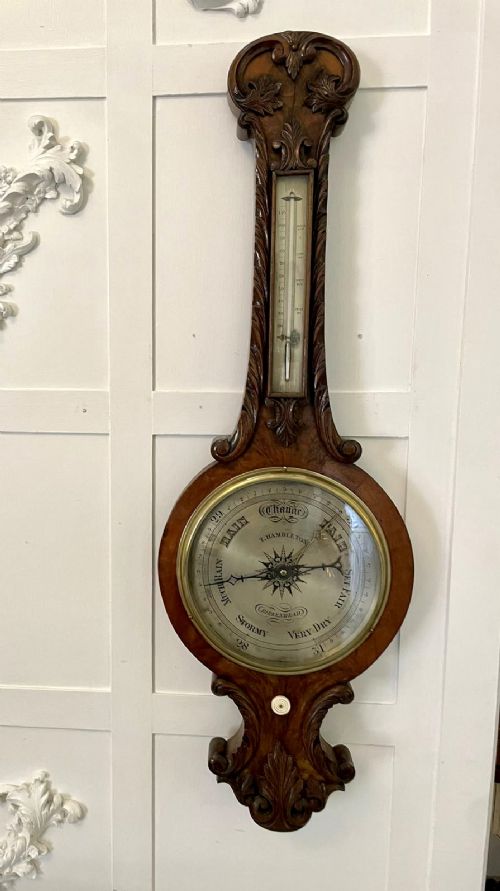
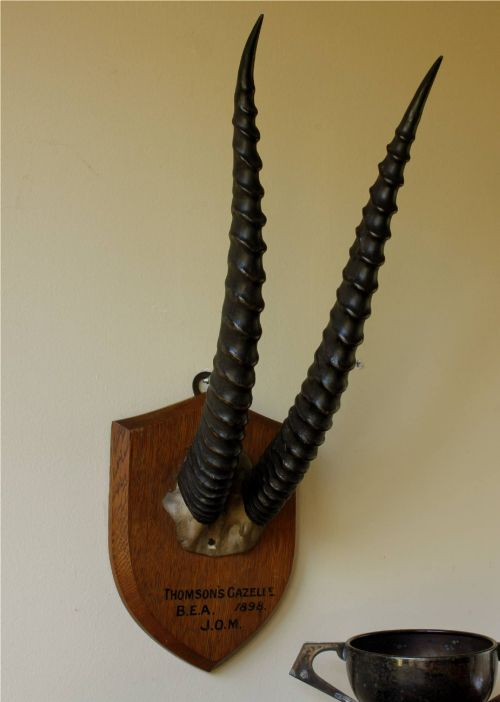
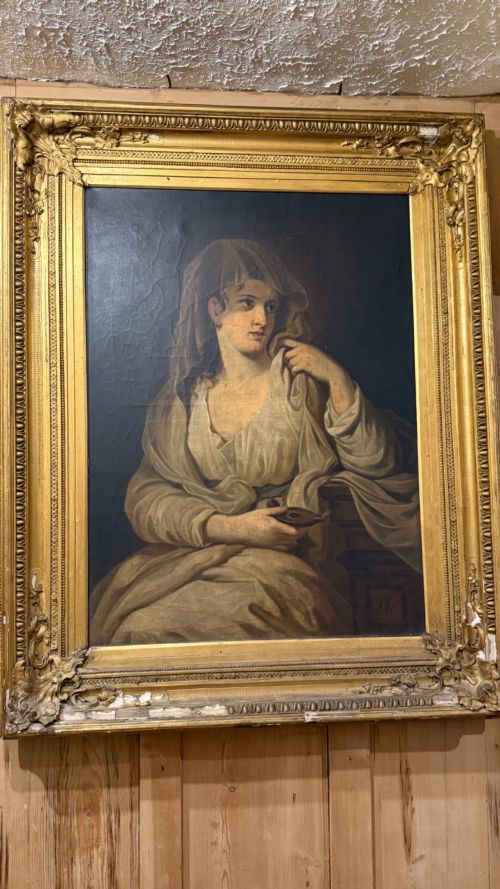
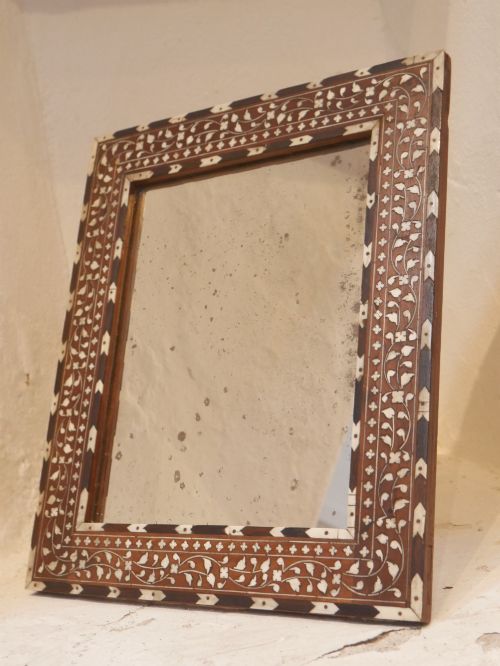
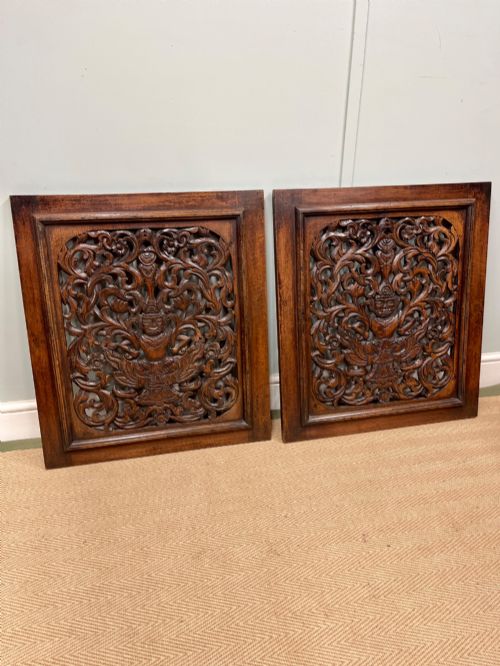
When sourcing 19th century wall decor, buyers encounter a diverse assortment ranging from oil paintings on canvas and panel to heavily ornamented giltwood and gesso mirrors. Many pieces reflect Victorian tastes, encompassing landscape art, sporting scenes, and marine subjects alongside decorative wooden plaques, barometers, and taxidermy mounts.
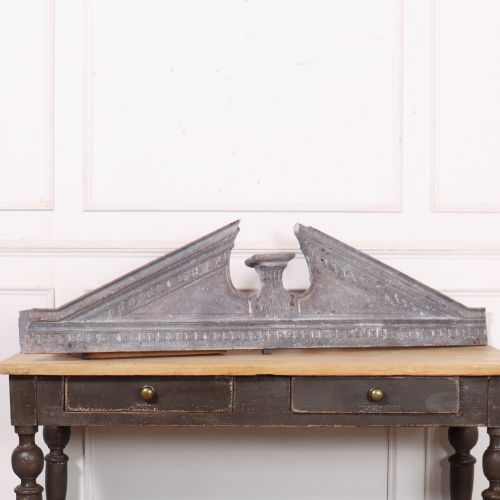
The selection frequently includes architectural elements such as overdoor pediments, corbels, and carved wall brackets designed to project outward from the surface. French Louis Philippe mirrors and Florentine frames provide the decorative gold and cream aesthetic typical of domestic interiors from the period.
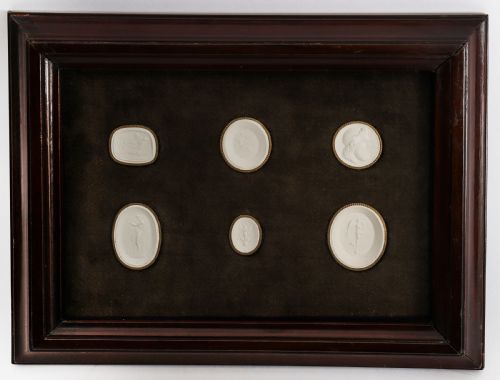
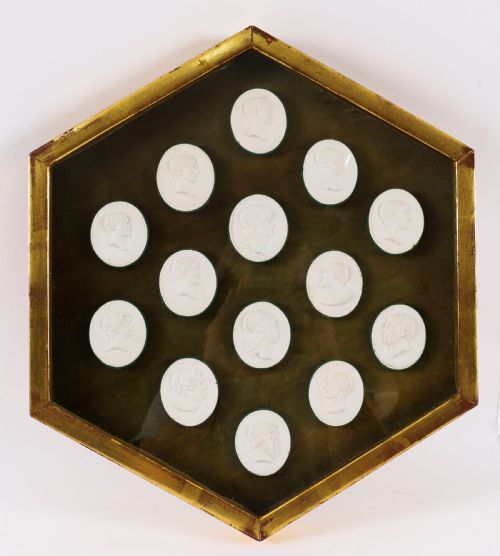
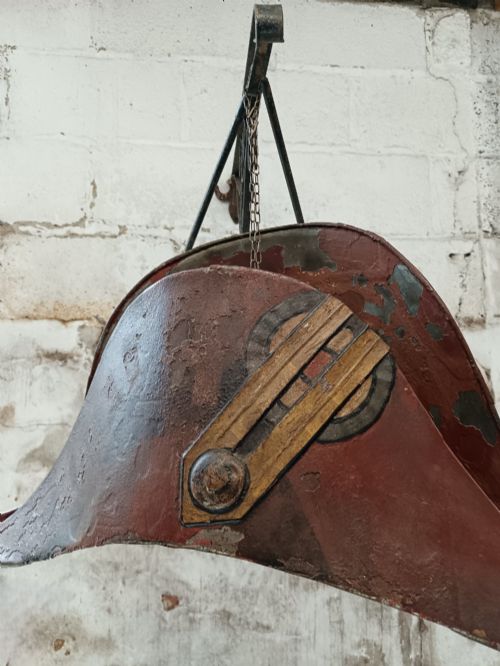
Beyond mirrors and paintings, the category embraces functional objects adapted for display, including trade signs, tolewared items, botanical specimens, and intaglios. These diverse forms share a common heritage of domestic or commercial ornamentation rooted in the eighteen hundreds.
Materials and Techniques
Oil on canvas and wood panel form the foundation of pictorial works, executed with traditional ground layers and pigments laid down by brush. Frames and architectural mirrors utilise carved wood, plaster, and gesso applied over a wooden base before receiving layers of gilding or painted finishes.
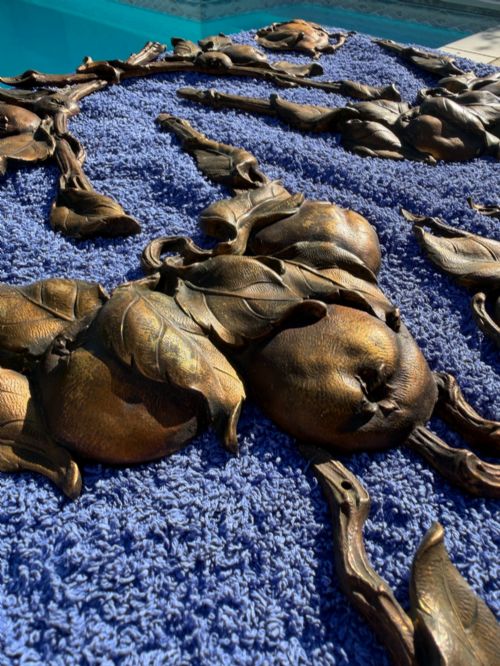
Paper works comprise watercolours, engravings, and printed sheets, often framed behind glass with simple wooden or gilt surrounds. Secondary materials such as papier-mâché, iron, bronze, and taxidermy elements demonstrate the broad industrial and artisan skill set utilised across the century.
Listings feature French, British, and Chinese items, spanning oil paintings, carved mirrors, barometers, and taxidermy from across the nineteenth century.
Factors of Quality
The standard of carving and moulding distinguishes superior decorative items, where hand-tooled gesso, crisp floral details, and deep relief work remain sharp and well-defined. In painted works, brushwork dexterity, anatomical accuracy in animal and human subjects, and the preservation of the original surface determine the overall merit.
Originality of finish plays a crucial role, with undisturbed gilding, authentic patination, and period glass plates holding greater weight than re-gilded surfaces or heavily restored panels. The structural integrity of wooden frames and the clarity of details in intaglios or cast metal appliques further separate standard decorative pieces from finer examples.
Albert Clark·John Frederick Herring Jnr·John Sargent Noble·Poix Blin
The 19th Century Wall Decor Glossary
- Giltwood
- Wood that has been coated with a thin layer of gold leaf or gold paint for decorative effect. This technique was widely utilised on ornate Victorian and French frames and overmantel mirrors.
- Gesso
- A plaster mixture consisting of a binder mixed with chalk, gypsum, or pigment, used to create sculptured mouldings on frames and mirrors. Artisans carved and gilded this surface to achieve high-relief decorative motifs.
- Intaglio
- A gem or stone carved so that the design sinks below the surface, popular in Grand Tour collections. These miniature carvings were often mounted in framed sets for display on walls.
- Toleware
- Enamelled or lacquered metalware, typically sheet steel, shaped into functional items or trade signs. Surviving pieces from the period often feature hand-painted decoration.
- Overmantel
- A large mirror or painting designed to be hung specifically on the wall above a fireplace mantelpiece. They frequently feature expansive gilt frames and architectural pediments.
19th Century Wall Decor: Frequently Asked Questions
How do I hang a heavy antique wall mirror?
Heavy pieces require fixing directly into wall studs or using heavy-duty masonry anchors suitable for the weight of timber and plaster frames. Professional mirror brackets or split battens distribute the load evenly across the wall structure.
Ensuring the hanging wire or chain is secured to original structural points on the frame prevents accidental strain on aged joints and mouldings.
Are these oil paintings on canvas or board?
The evidence shows works executed on both stretched canvas and wooden panels, with some canvas paintings later laid onto board for structural support. Each substrate reflects the standard practices of nineteenth-century artists and studios.
Examining the reverse of the work usually reveals the stretcher frame or panel construction used by the maker.
What is a Grand Tour intaglio collection?
Grand Tour intaglios are sets of classical carved stones or plaster impressions gathered by travellers touring European cultural sites during the nineteenth century. These collections were systematically mounted and framed to be displayed as scholarly decor.
They offer a direct link to the educational pursuits and aesthetic tastes of collectors from that era.
How should I clean a giltwood mirror frame?
Giltwood surfaces require gentle dusting with a soft, dry brush to remove particulate matter without disturbing fragile gold leaf or gesso. Water and chemical solvents should be avoided as they dissolve historical finishes.
Consulting a professional conservator is recommended for deeper cleaning or when addressing flaking material on antique frames.