



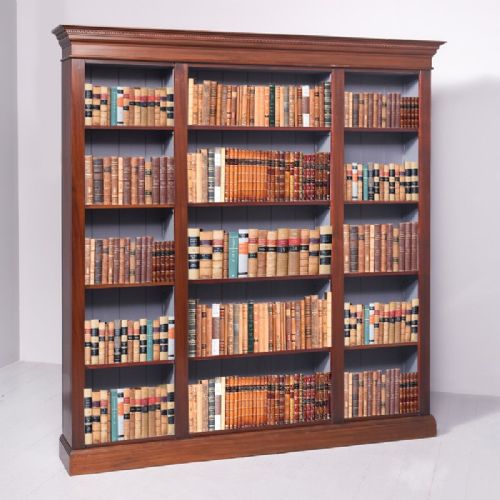


19th Century Wall Bookcase
A 19th century wall bookcase brings practicality and charm to a room, offering compact book storage or display space off the floor.
19th Century Wall Bookcase
A 19th century wall bookcase encompasses hanging shelves, wall-mounted display cabinets, and open shelving units designed to hold books and small objects at eye level. These pieces serve to maximise vertical space in smaller rooms while keeping volumes within easy reach of a desk or chair.
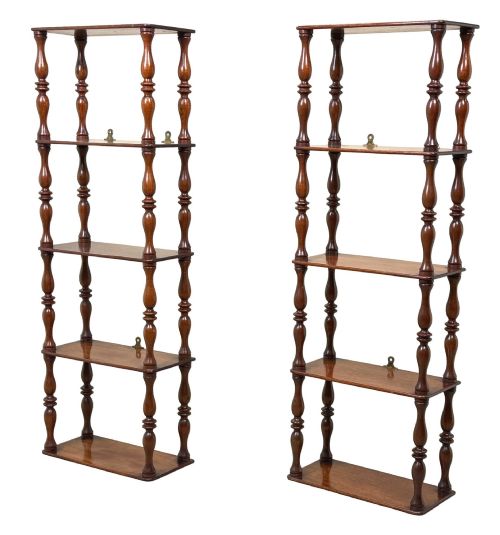
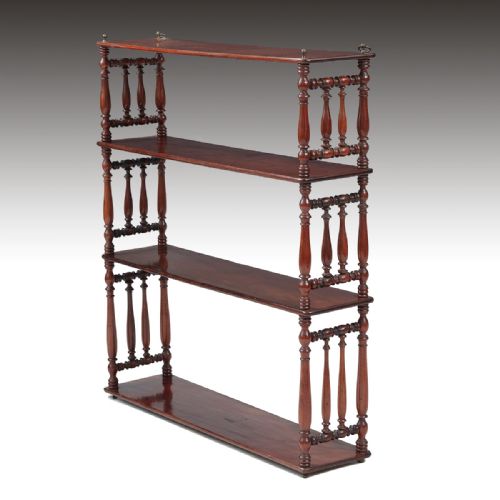
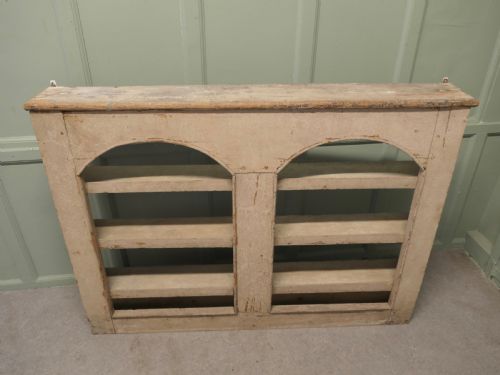
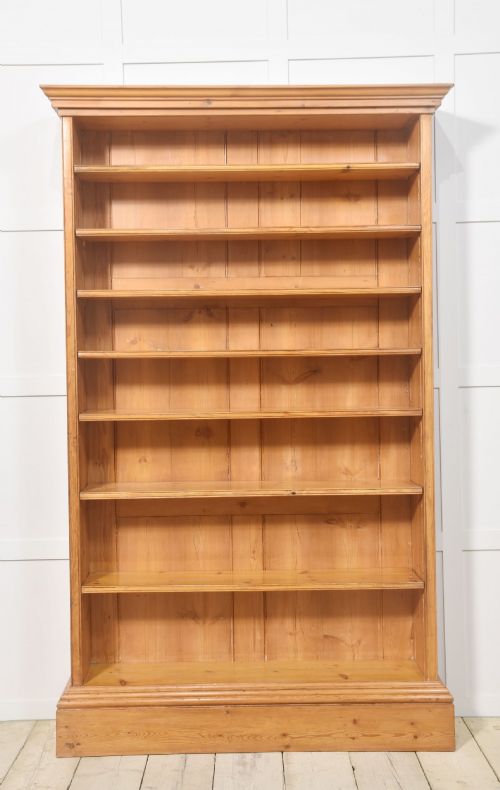
The pieces on this page appear in various regional interpretations and stylistic revivals, spanning simple pine alcove cupboards, mahogany desktop pigeon holes, and elaborate Gothic Revival or Regency wall units. Mahogany remains the most frequent wood encountered, often shaped into open tiers or glazed display cabinets.
Buyers also encounter painted wood finishes, satin birch, and occasional exotic hardwoods such as amboyna or carved hardwood from Anglo-Indian workshops. Formats range from portable bookshelves and waterfall shelves to tall open bookcases adapted for wall or floor placement.
What varies in quality
The calibre of timber selection and depth of cabinet-making skill distinguish standard utility shelves from finer decorative pieces. Superior examples exhibit carefully figured mahogany veneers, precise joinery, and well-executed decorative carving.
Proportion and decorative ambition set apart pieces intended for principal rooms from utilitarian desktop organisers or simple pine cupboards. Details such as turned barley twists, giltwood highlights, and integrated display glass elevate the visual weight of the furniture.
Some nineteenth-century readers preferred their volumes floating on the wall rather than crowding the floor.
The 19th Century Wall Bookcase Glossary
- Waterfall shelves
- Graduated open shelves that step back progressively from bottom to top. This form appears frequently in nineteenth-century wall-hanging formats.
- Gothic Revival
- An architectural and decorative style drawing inspiration from medieval design. Pieces often feature pointed arches, tracery, and dark woods.
- Etagere
- A piece of furniture consisting of a set of open shelves for displaying small objects. These tiers are typically light and decorative.
- Pigeon holes
- Small compartments arranged in a tier for sorting papers, letters, or small books. They often form part of a desktop unit or interior cabinet fitting.
19th Century Wall Bookcase: Frequently Asked Questions
How do I hang a wall bookcase safely?
Wall bookcases require secure fixings into wall studs or solid masonry using appropriate brackets. Distributing weight evenly across the shelves prevents structural strain.
Ensuring the wall fixings match the weight of the timber and books is essential for long-term stability.
Can these bookcases stand on the floor?
Certain nineteenth-century models function as both wall-hanging units and floor-standing shelves depending on their construction. Most dedicated wall bookcases rely on wall brackets for balance and support.
Checking the base and back panels reveals whether a piece is designed to bear weight independently on the floor.
What is the difference between a cabinet and open shelves?
Open shelves provide immediate visibility and quick access to books without doors blocking the view. Cabinets incorporate doors, sometimes glazed, to protect contents from dust and light.
Enclosed cupboards and display cabinets suit fragile volumes or decorative objects requiring greater security.
How do I identify a Regency wall bookcase?
Regency pieces often feature clean architectural lines, classical proportions, and rich mahogany grains. These designs reflect the early nineteenth-century interest in classical antiquity.
Subtle reeding or brass accents frequently distinguish Regency items from later Victorian revivals.