
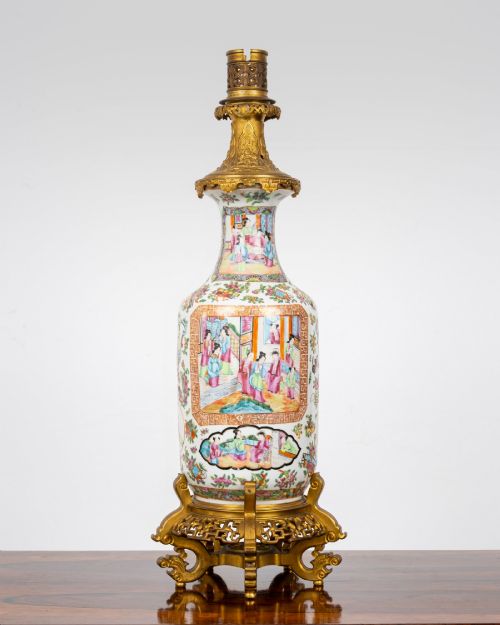


19th Century Vase Lamps
These 19th century vase lamps bring remarkable colour and texture into a room, combining antique ceramic vessels with period illumination.
What 19th century vase lamps are
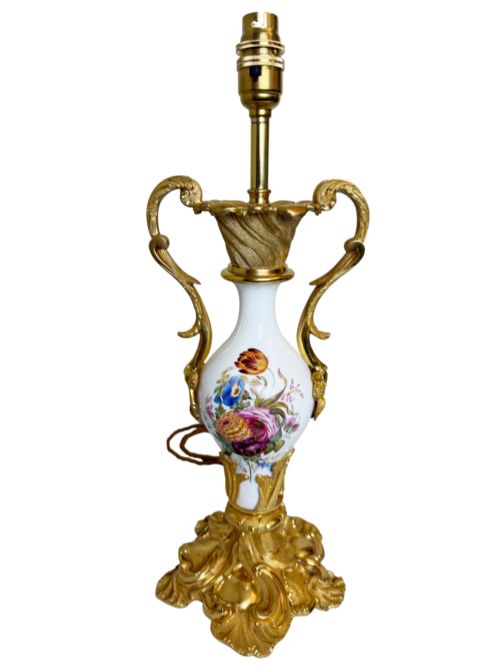
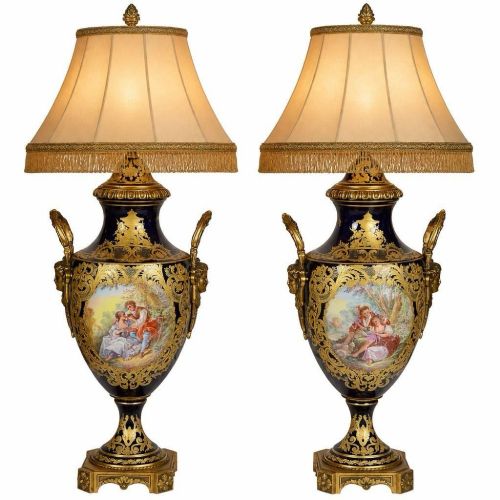
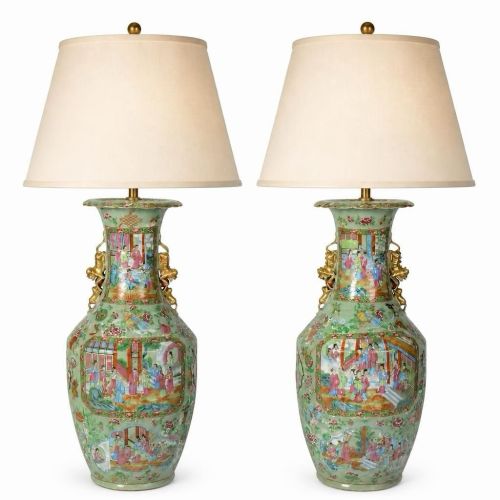
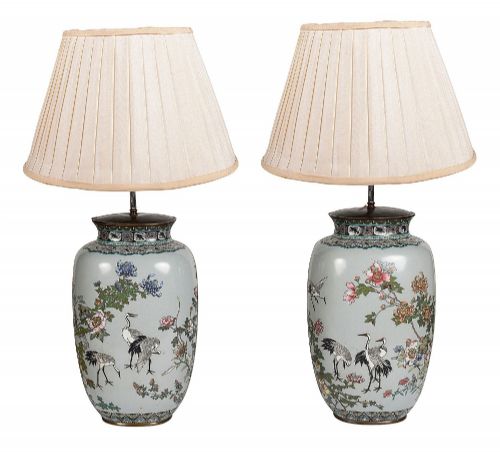
The forms span Cantonese porcelain, blue and white ceramics, Imari, Delft, Famille Verte, and Cloisonne enamel. Many retain their original proportions and sit as striking decorative objects on side tables or consoles.
Most examples date from the 19th century, with several pieces specifically recorded from the 1890s and earlier decades of the eighteen-hundreds. They combine centuries-old ceramic traditions with later electrical conversion.
How they were made
The foundation of these pieces relies on traditional ceramic and metalworking techniques, utilising porcelain, cloisonne enamel, and Delft earthenware. Artisans painted intricate motifs by hand or shaped detailed cloisonne cells before firing.
Metal mounts in brass, ormolu, and gilt bronze were frequently added to secure the base or neck, bridging the gap between the original vessel and the later lighting fittings.
Fabric shades, often in silk, complete the construction, casting a warm glow over the glazed surfaces and metal accents.
Retail Price Guide 2026
Typical UK retail prices for 19th century vase lamps, calculated from the Sellingantiques database of over a million retail prices indexed since 2003. This retail price guide relies exclusively on Sellingantiques data; no external sources or auction records are used, so the figures do not describe the wider market.
Several of these stately vessels began their domestic careers quietly holding flowers before finding a second life illuminating nineteenth-century drawing rooms.
What varies in quality
The distinction between tiers rests upon the crispness of the hand-painted or enamelled decoration and the weight of the metal mounts. Finer pieces display meticulous detail in the brushwork and substantial ormolu or brass casting.
Proportion and symmetry within pairs dictate visual success, as does the seamless integration of the electrical conversion with the antique vessel. Superior examples retain their original decorative harmony without awkward alterations.
The 19th Century Vase Lamps Glossary
- Ormolu
- Gilded bronze mounts applied to furniture, ceramics, and clocks. This technique was frequently used to frame the bases and necks of vase lamps.
- Cloisonne
- Enamelling technique where thin metal wires form compartments for coloured pastes. These are fired to create vibrant decorative patterns across the surface.
- Famille Verte
- A palette of Chinese ceramic glazes dominated by green enamels. The style originated in the Qing Dynasty and appears frequently on period pieces.
- Imari
- Japanese export porcelain decorated in underglaze blue, iron red, and gold. These colourful patterns were highly prized in nineteenth-century interiors.
- Delft
- Tin-glazed earthenware originating from the Netherlands. These pieces often feature blue and white maritime or floral scenes adapted into lamps.
Frequently Asked Questions
Are these lamps converted from old vases?
Yes, many examples started life as decorative vessels before being converted into functional table lamps.
This adaptation process typically took place in the nineteenth or twentieth century to suit modern domestic lighting needs.
How do I clean a porcelain vase lamp?
Dust the ceramic body and fabric shade gently with a dry, soft cloth.
Avoid using harsh chemical cleaners or submerging the mounted base in water, as this can damage the gilt metal and glazes.
Where should I place a pair of vase lamps?
These tall pieces suit sideboards, large console tables, or spacious mantelpieces where they command attention.
Their substantial height and decorative presence work best in rooms with balanced proportions.
How can I tell the period of the vase?
Dating relies on examining the ceramic body, glaze characteristics, and the style of hand-painted decoration.
Associated metal mounts and wiring styles also provide clues regarding when the vessel was adapted into a lamp.