
19th Century Vanity Desk
A 19th century vanity desk combines practical writing surfaces with personal grooming spaces, offering a refined focal point for a bedroom.
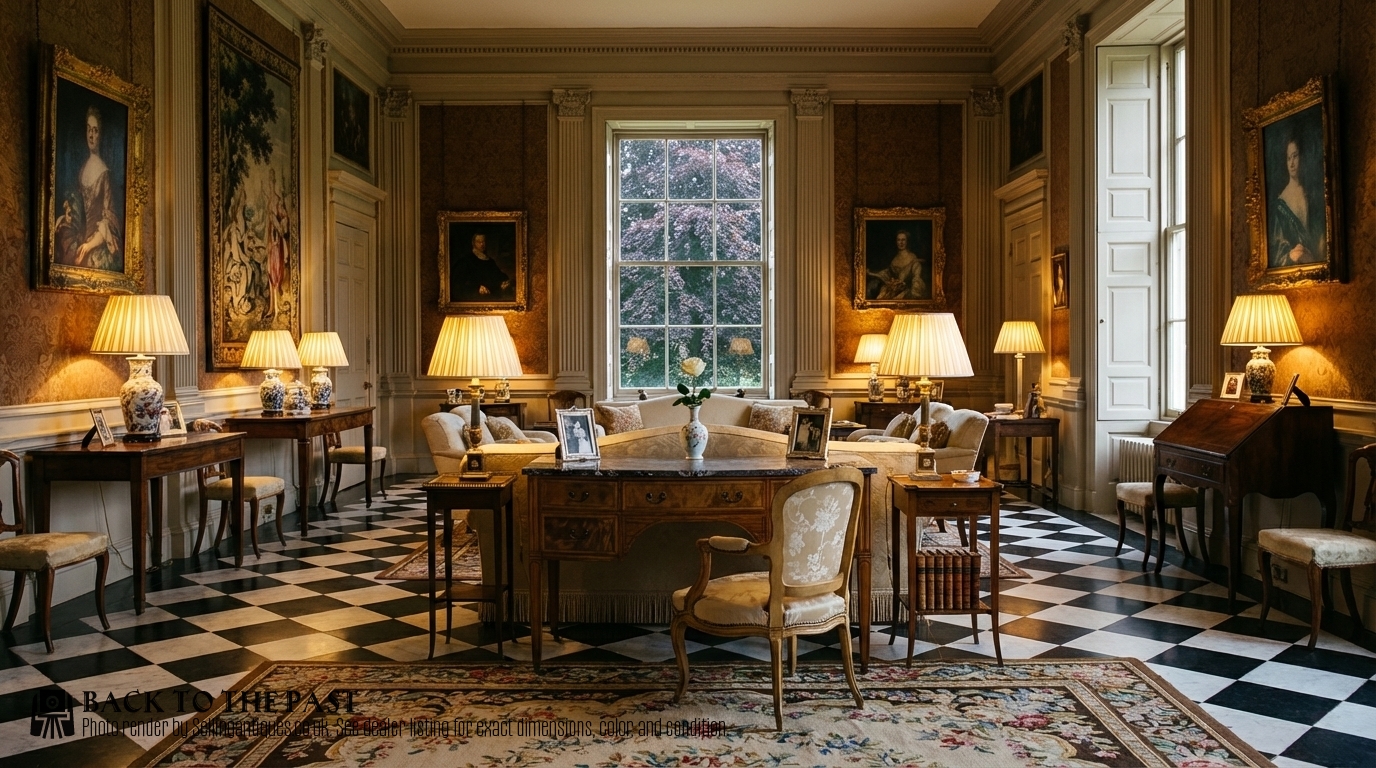
19th Century Vanity Desk
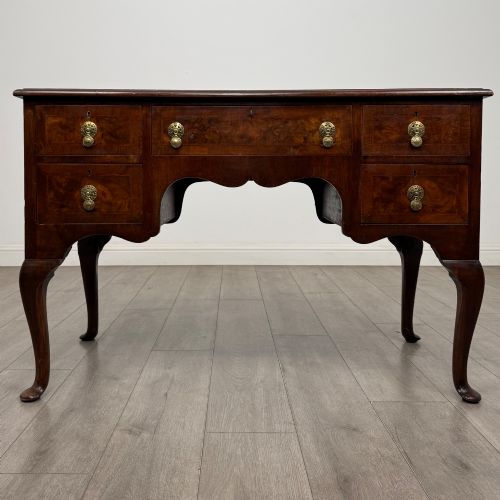
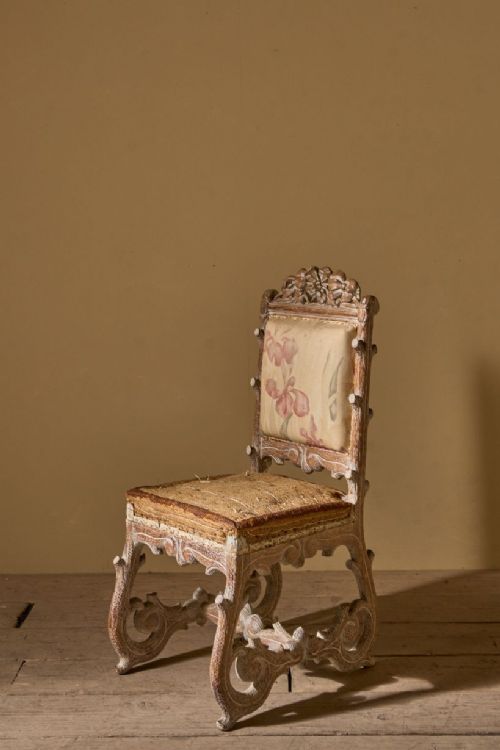
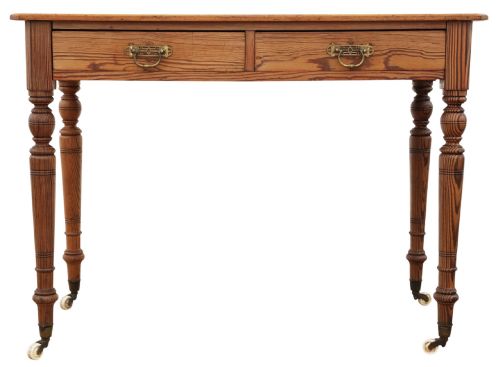
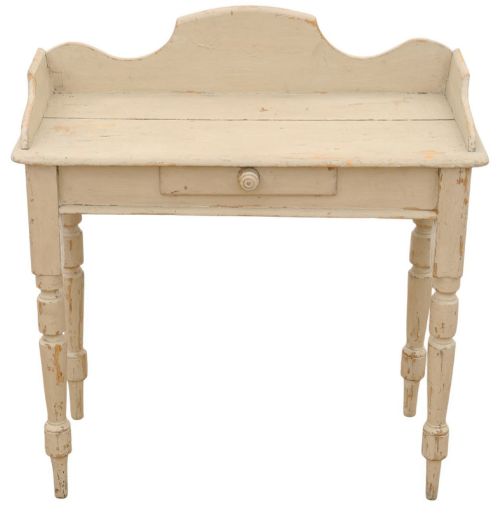
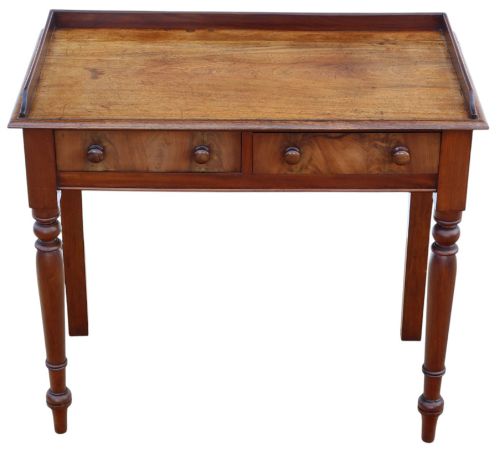
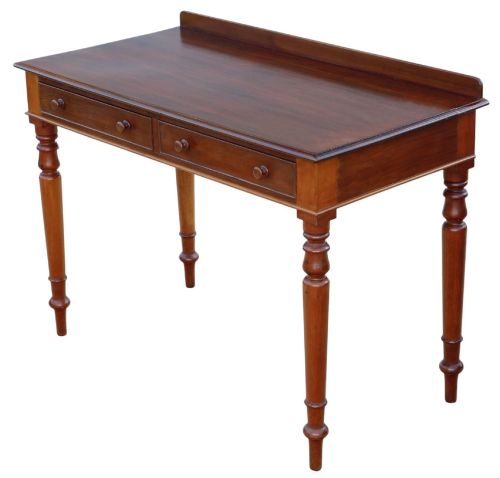
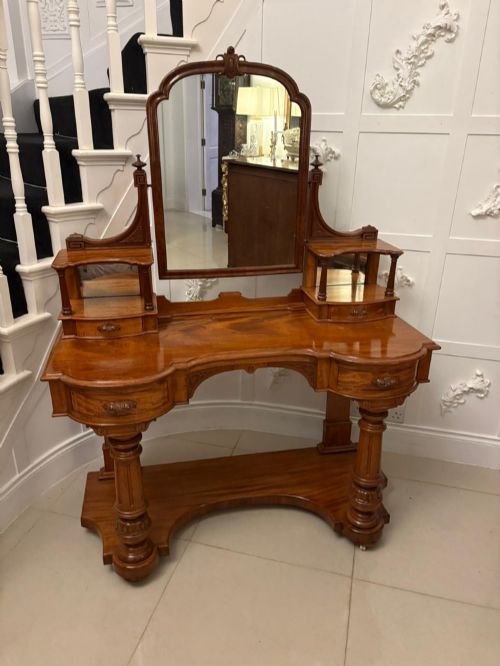
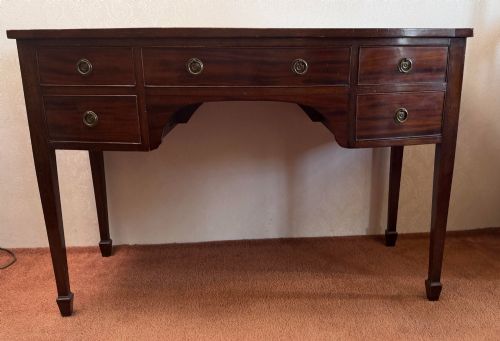
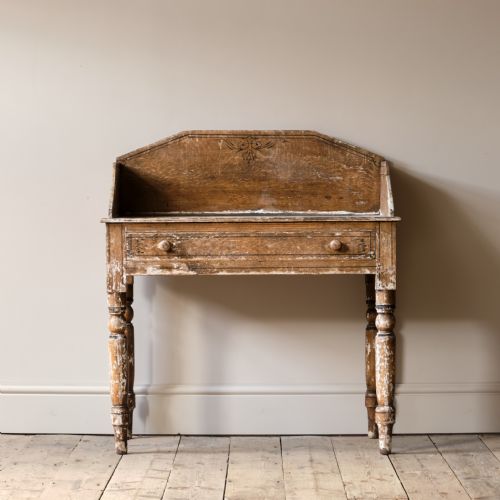
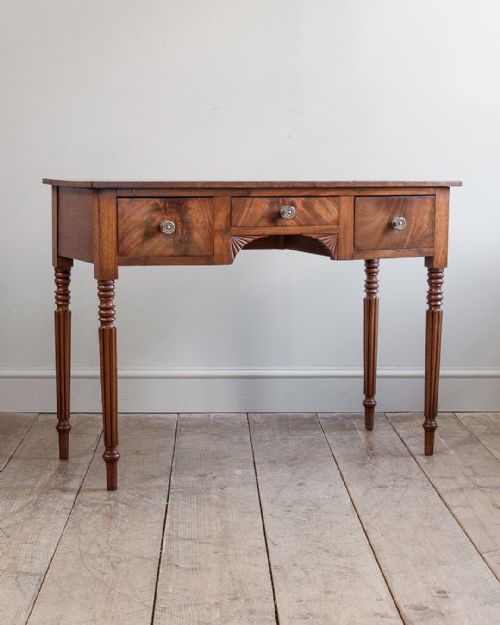
A 19th century vanity desk encompasses various forms designed for personal care and correspondence, appearing primarily as dressing tables, writing tables, and washstands. These pieces serve dual functions, uniting drawers for cosmetics and documents with integrated or adjustable mirrors.
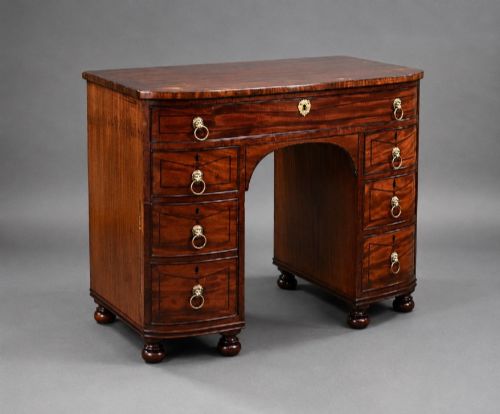
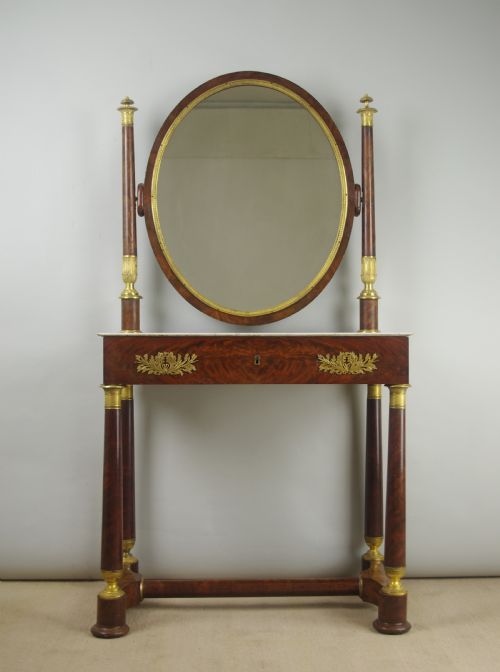
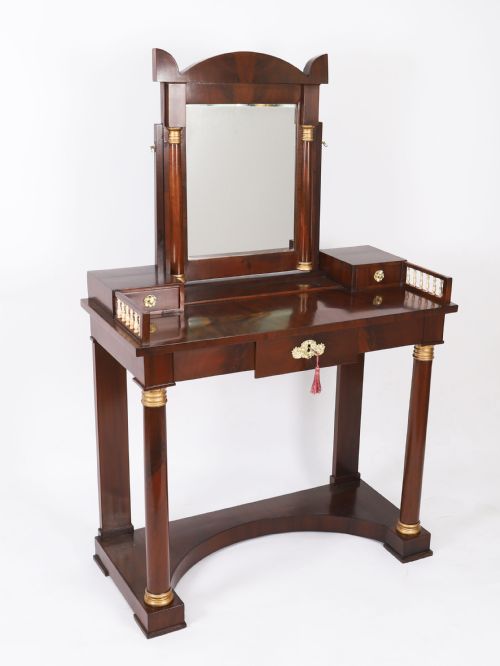
The selections span distinct historical periods, featuring Victorian burr walnut models, Regency mahogany pieces, and French Empire designs with ormolu mounts. Buyers frequently encounter combination writing and dressing tables alongside dedicated duchess dressing tables and smaller side tables.
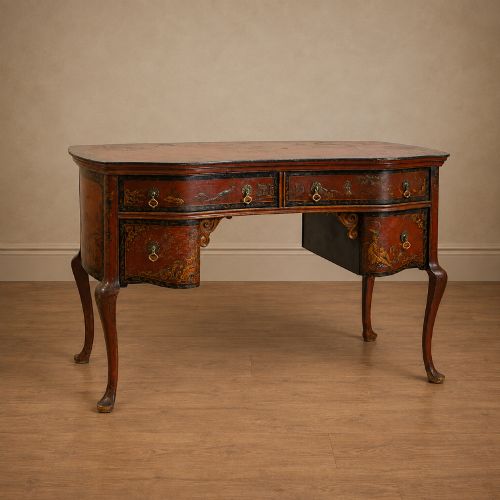
Origins vary across English workshops and continental makers, incorporating styles such as Sheraton Revival, Chinoiserie, and French Chateau. Each piece reflects the domestic habits of the period, balancing utility with decorative presence in a bedroom or study.
How they were made
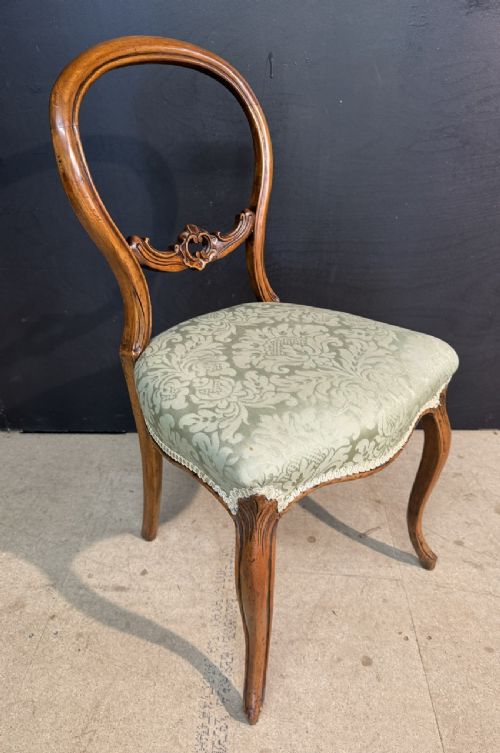
Cabinet makers utilised primary timbers such as mahogany, burr walnut, satin birch, and pine, often enhancing surfaces with figural veneers and inlay. Structural integrity relied on traditional joinery, complemented by turned legs, cabriole supports, and carved details.
Metal accents played a functional and decorative role, with brass mountings securing handles, hinges, and drawer fittings. Glass appeared in swing mirrors and table mirrors, while leather inserts provided durable writing surfaces for desks and tables.
Finishes ranged from painted surfaces and faux bois effects to giltwood and lacquer work, particularly in Chinoiserie and French Empire examples. Ormolu mounts and pewter elements added further ornamentation to continental dressing tables.
A glove box mounted in brass sits quietly among the dressing tables, waiting for someone to misplace their formal handwear.
What varies in quality
The selection of timber grain largely dictates the visual appeal of a piece, with figured burr walnut and rich mahogany commanding attention through striking natural patterns. Superior examples display careful timber matching across drawer fronts and table tops.
The sophistication of carving and metalwork separates standard items from exceptional ones, particularly where hand-carved mahogany foliage or finely cast ormolu mounts are present. Original hardware and intact mirror glass contribute substantially to the integrity of the piece.
Heal and Son·Louis Auguste Moreau
The 19th Century Vanity Desk Glossary
- Poudreuse
- A French vanity table featuring folding lids that conceal a mirror and compartments for cosmetics. These pieces were designed for discreet personal grooming in fashionable boudoirs.
- Duchess dressing table
- A large Victorian dressing table equipped with a central swing mirror and multiple small drawers flanked by pedestals. They represent a grand scale of bedroom furniture.
- Ormolu
- Gilded bronze used for decorative mounts on furniture, particularly prominent in French Empire pieces. The technique involves applying a mercury and gold amalgam to bronze.
- Lowboy
- A small table with drawers, typically raised on four tall legs, used during the 18th and 19th centuries as a dressing or writing table. Their compact proportions suited smaller chambers.
- Faux bois
- An artistic imitation of wood grain painted onto a non-wooden or lesser timber surface. This technique allowed makers to achieve decorative finishes affordably.
19th Century Vanity Desk: Frequently Asked Questions
What is the difference between a vanity desk and a dressing table?
A vanity desk typically incorporates writing surfaces alongside cosmetic storage, bridging the gap between a study desk and a dressing table. Many 19th century examples served both purposes interchangeably.
Pure dressing tables focused more heavily on mirrors and compartmented top drawers for personal grooming items. Both forms occupied private chambers and bedrooms during the period.
How do I identify a Victorian piece?
Victorian pieces often utilise dense timbers like burr walnut or mahogany, frequently displaying heavy carving, turned legs, and substantial proportions. Maker labels or stamps can occasionally confirm the era.
Stylistic cues such as duchess configurations or satin birch interiors also point directly to mid-to-late 19th century manufacture.
Were mirrors original to these desks?
Many dressing tables and vanity desks were manufactured with integrated swing mirrors or matching table mirrors fixed to the superstructure. Over time, mirrors were occasionally separated or replaced due to breakage.
Evidence of original bracket attachments or matching wood grain usually indicates that a mirror belongs to the piece.
How do I care for antique wood surfaces?
Antique mahogany and walnut benefit from regular dusting with a soft, dry cloth to prevent the accumulation of abrasive particles. Avoiding direct sunlight and sustained moisture preserves the original polish and timber grain.
Occasional application of appropriate wax feeds the wood and maintains a gentle protective sheen without building up heavy residue.