
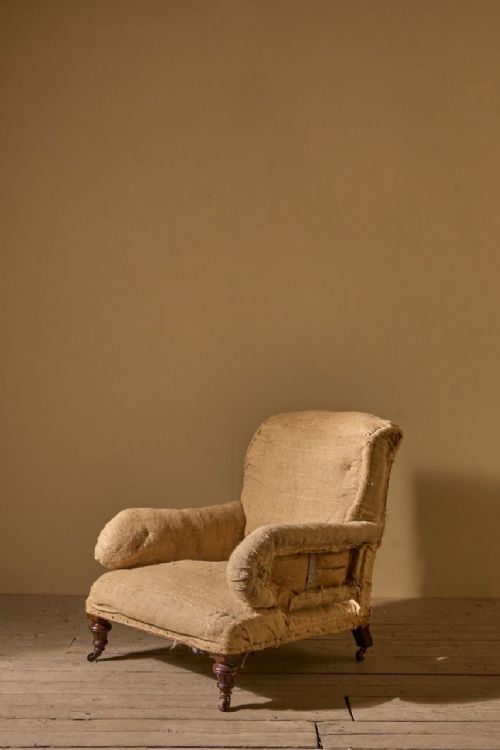
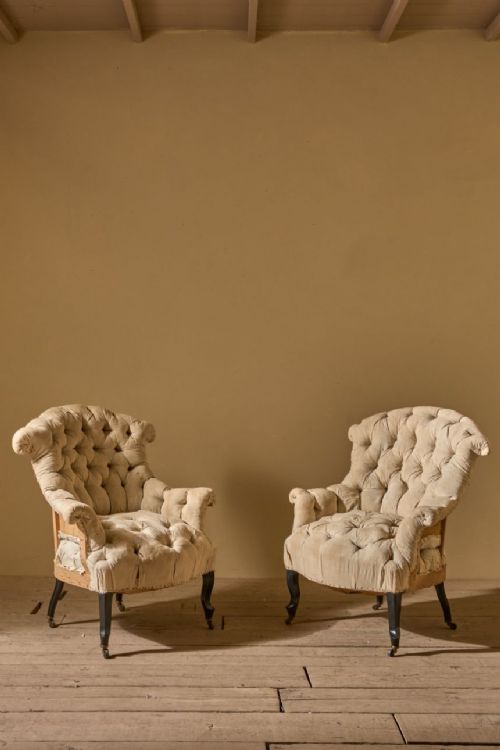
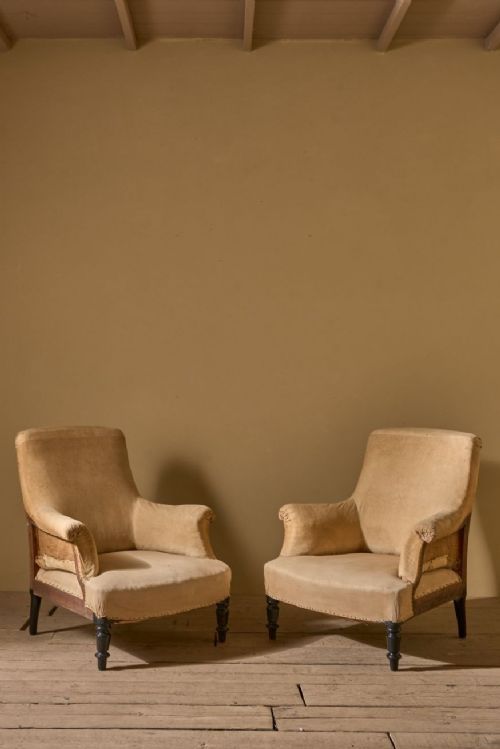
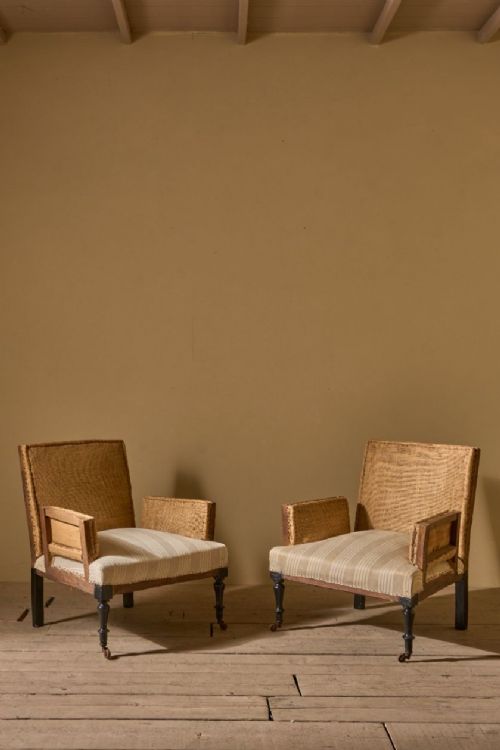


19th Century Upholstered Armchair
A 19th century upholstered armchair brings profound comfort and historic character to a room, offering deep seats and tailored upholstery shaped by decades of traditional craftsmanship.
19th Century Upholstered Armchair
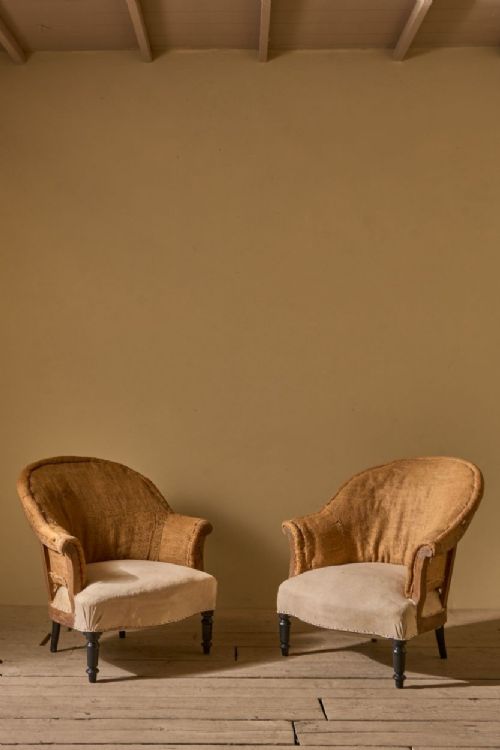
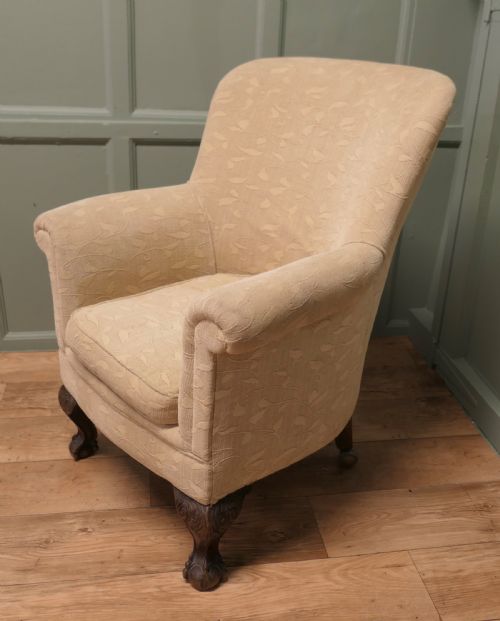
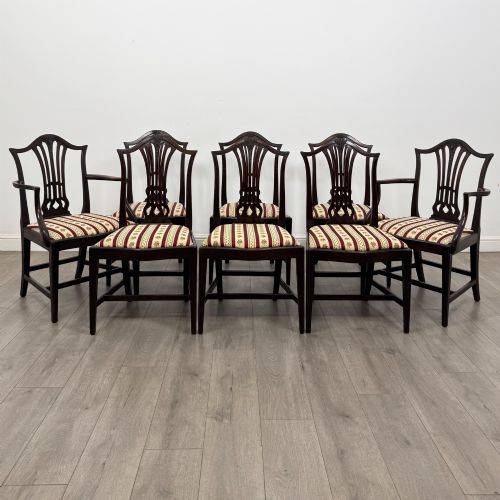
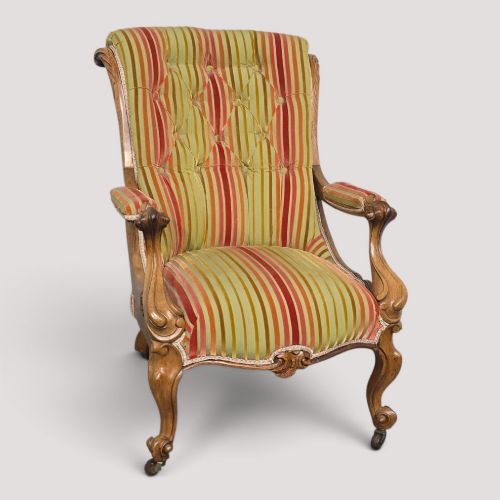
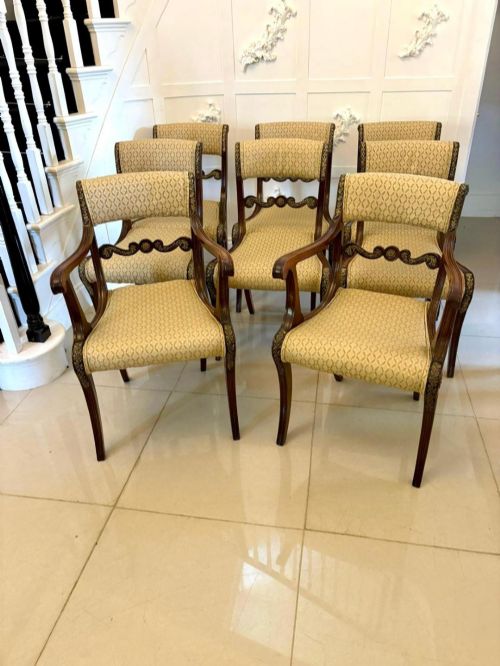
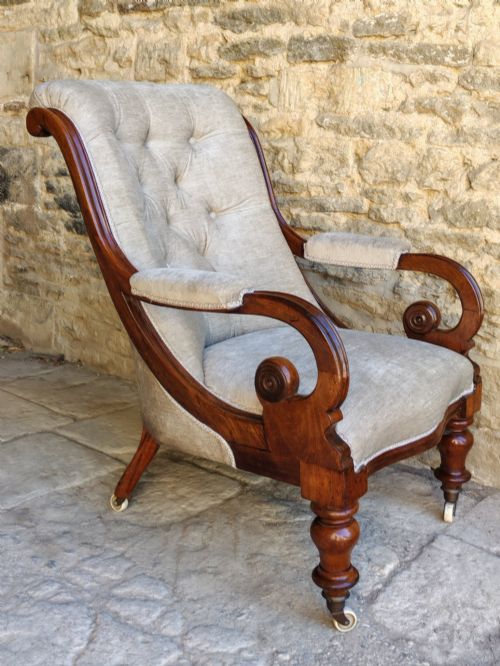
When searching for a 19th century upholstered armchair, buyers encounter a diverse array of seating forms ranging from low nursing chairs to deep library armchairs and wingbacks. The pieces on this page span several distinct periods, most notably the Victorian era, the Regency period, and the William IV years.
Library armchairs and tub chairs dominate the selection, often featuring low backs, sturdy mahogany or walnut frames, and leather upholstery suitable for a study or reading room. Country house open armchairs and button-back designs also appear frequently, reflecting the changing domestic comforts of the period.
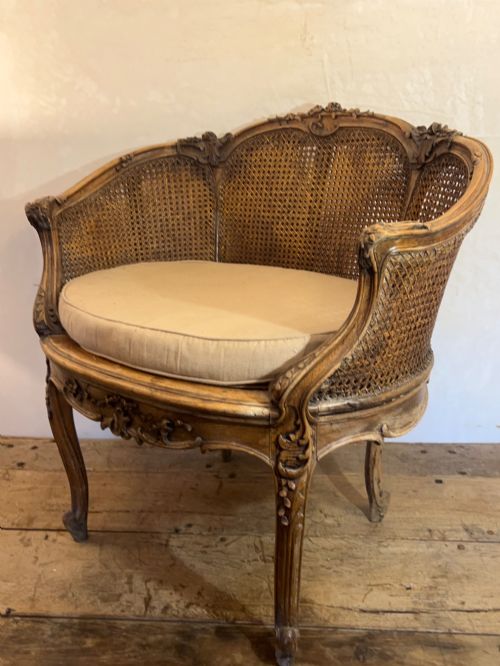
French influences emerge strongly through Napoleon III and Louis XV style seating, alongside occasional English pieces built in the manner of renowned makers like Howard and Sons. Buyers will find both intimate salon chairs and substantial library seating designed for sustained daily use.
Assessing Craftsmanship and Condition
The distinction between standard commercial seating and exceptional workshop production rests in the crispness of the frame carving, the selection of timber veneers, and the structural integrity of the joints. Master makers employed robust joinery that kept frames rigid after generations of heavy use.
Upholstery execution dictates much of the visual appeal, where hand-tied springs, neat buttoning, and precise piping indicate higher workshop standards. Original brass castors and untouched timber patination further elevate the desirability of a piece.
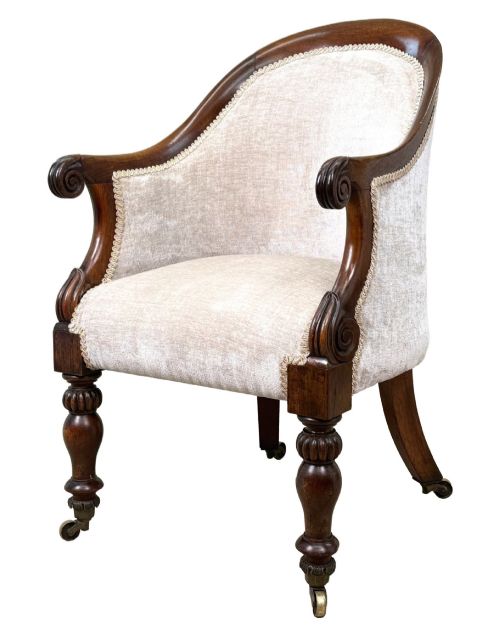
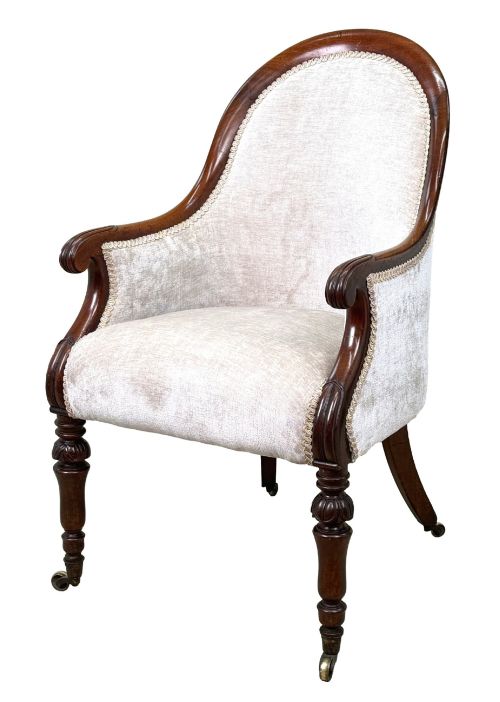
Several armchairs retain their original brass castors, built to help Victorian readers glide across heavy carpets without spilling their tea.
Howard and Sons·Gillows·Morris and Co·William Birch·Cope and Collinson
The 19th Century Upholstered Armchair Glossary
- Tub chair
- A comfortable seating form with a rounded, semicircular back that encloses the sitter. These chairs were widely used in libraries and studies.
- Wingback
- An armchair featuring protective side panels designed to shield the occupant from draughts. Early examples often stood beside fireplaces in grand country houses.
- Castor
- A small wheel fitted to the base of chair legs for easy manoeuvrability. Brass versions are common on mid-century library armchairs.
- Button back
- An upholstery technique where twine pulls the fabric deep into the stuffing to secure parallel indentations. This method provides both structural tension and decorative depth.
- Fauteuil
- An open-framed armchair of French origin with exposed wooden arms. These items typically feature carved walnut or gilt details.
19th Century Upholstered Armchair: Frequently Asked Questions
How do I identify a Regency armchair?
Regency armchairs typically exhibit classical restraint, clean linear forms, and dark woods such as mahogany or rosewood. They often draw inspiration from ancient Greek and Roman designs.
Look for sabre legs, reeded framing, and brass inlay or castors which help date pieces securely to the early decades of the century.
Where should I place a library armchair?
Library armchairs suit studies, home offices, and reading corners where their supportive high backs and deep seats can be fully utilised. Their leather or heavy textile upholstery provides robust durability for daily reading.
Paring them with a small reading table or positioning them near bookshelves creates a functional and traditional arrangement.
What is a nursing chair?
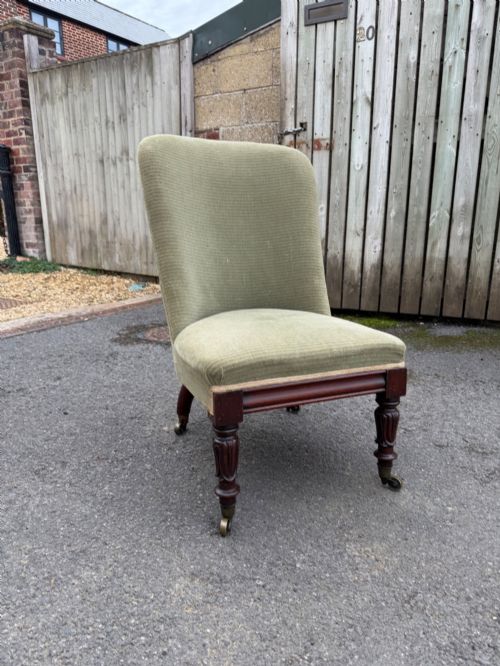
A nursing chair is a low-seated armchair designed in the Victorian period to allow women to feed and tend to infants with ease. Their modest height makes them distinct from standard parlour seating.
These pieces often feature spoon backs, turned wooden legs, and upholstered frames covered in velvet, tapestry, or patterned textiles.
Are French 19th century armchairs different?
French armchairs from this century tend to emphasise decorative woodwork, curvilinear silhouettes, and gilt finishes influenced by Louis XV and Napoleon III revivals. They frequently serve as salon or occasional pieces.
In contrast, English designs of the same era often prioritise heavier functional comfort, sturdy mahogany frameworks, and leather upholstery for country houses.