





19th Century Tribal Artefact
A 19th century tribal artefact carries the heavy presence of distant ceremonies, conflicts, and daily rituals shaped by indigenous hands.
19th Century Tribal Artefact
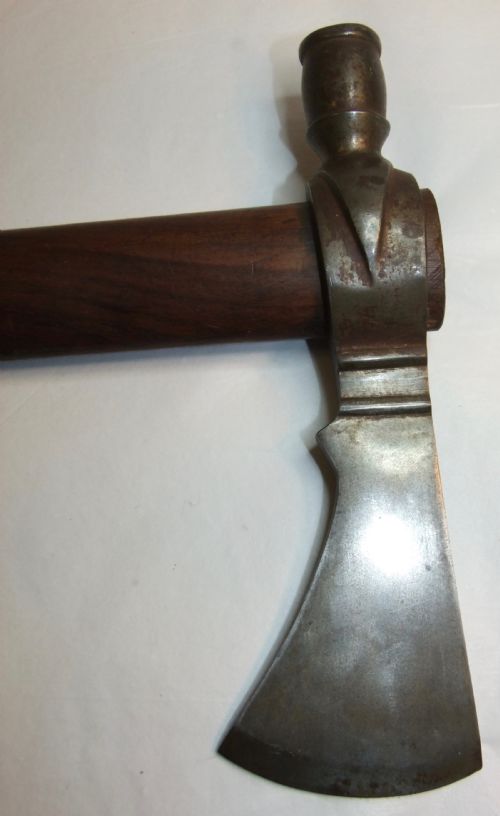
A 19th century tribal artefact comprises utilitarian implements, ritual objects, and carved sculptures originating from indigenous communities across Africa, Oceania, the Americas, and the Himalayas. Buyers seeking these pieces will encounter a diverse selection ranging from ceremonial axes and dance masks to throwing clubs and whalebone statues.
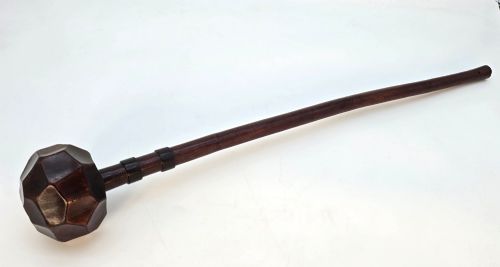
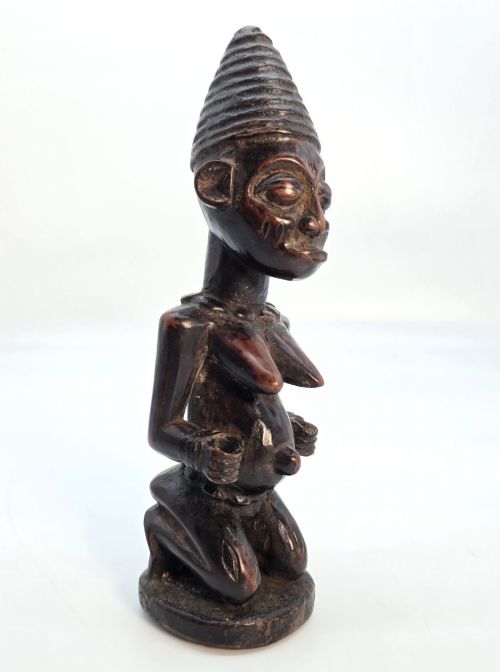
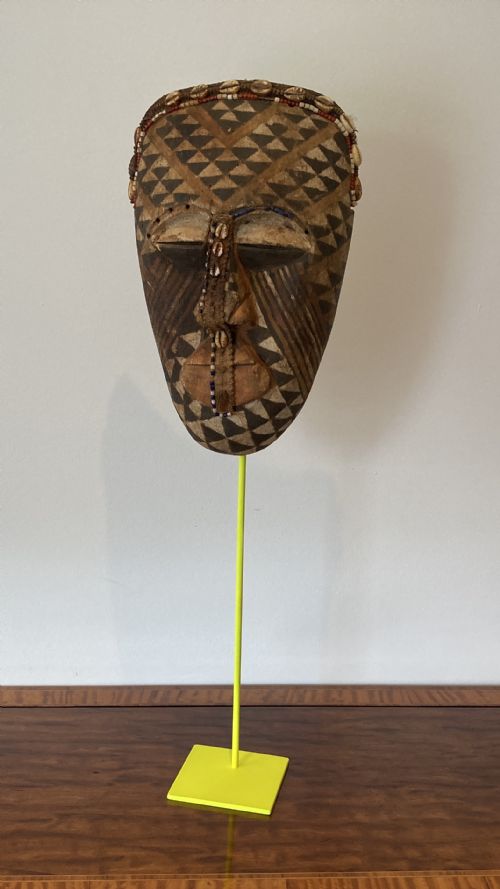
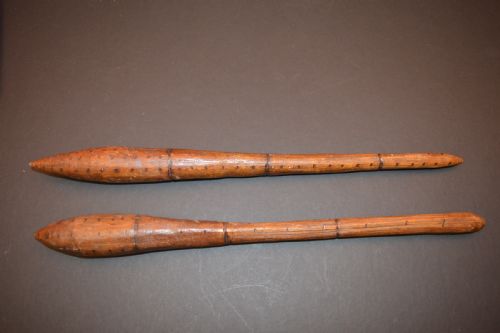
The objects stem predominantly from the 19th century, frequently bearing specific attributions to regions such as the Congo, Gabon, Papua New Guinea, and Zululand. Forms span practical weaponry like the nulla-nulla and knobkerrie alongside sacred items including demon masks and fertility figures.
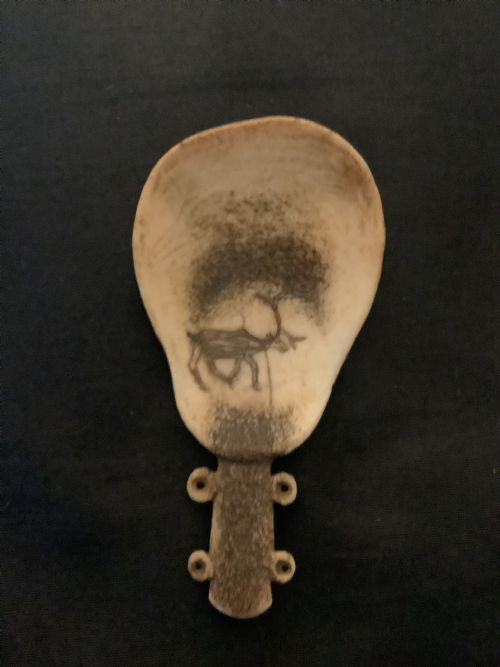
African tribal art and Oceanic pieces form a significant portion of the selection, reflecting the robust trading and collecting histories of those regions during the late nineteenth era. Collectors can also find Native American pipe tomahawks and Inuit carved bone works within the current offerings.
How they were made
Makers utilised indigenous hardwood and native timber, shaping heavy materials into clubs, paddles, and sculptures using traditional hand tools. Surfaces often display the distinct tool marks left by carving chisels and blades before receiving applications of natural pigment.
Carved whalebone spoons from the frozen north prove that even lunchtime required the steady hand of a master sculptor.
What varies in quality
Quality in these pieces rests upon the crispness of the carving and the integrity of the original tribal use rather than decorative embellishment. Superior examples display confident, purposeful shaping by master carvers who understood the structural balance of a fighting club or the expressive demands of a ritual mask.
The depth and uniformity of the surface patina indicate genuine handling and age, setting apart pieces that remained active within their culture from later commercial souvenirs. Tribal artefacts that retain their native pigment and original attachments, such as beadwork or metal inlays, demonstrate higher craftsmanship.
The 19th Century Tribal Artefact Glossary
- Knobkerrie
- A traditional southern African wooden club featuring a heavy spherical knob at the striking end. It served primarily as a weapon for hunting and warfare, as well as a status symbol.
- Woomera
- An Australian Aboriginal spear-thrower that acts as an extension of the arm to increase the velocity and force of a thrown spear. Many examples double as carrying vessels or tool-sharpening surfaces.
- Patina
- The lustrous surface sheen developed on wood, bone, and pigment through years of exposure to oils, smoke, and human touch. It serves as a primary indicator of age and handling.
- Récade
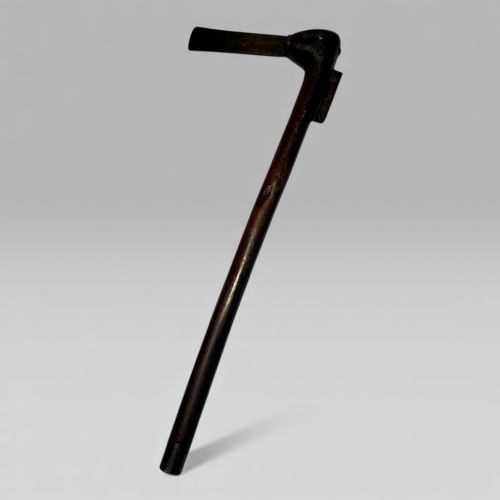
- A ceremonial axe associated with the royal court of Dahomey in West Africa. These objects functioned as symbols of royal authority and diplomatic credentials carried by messengers.
- Nulla-nulla
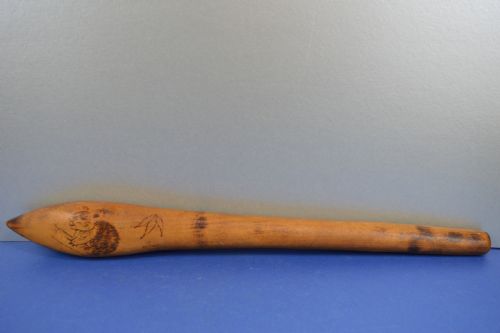
- A sturdy wooden throwing or striking club utilised by Australian Aboriginal peoples for hunting game and close-quarters combat.
19th Century Tribal Artefact: Frequently Asked Questions
How do I display these objects safely?
Heavy items such as clubs and stone-headed axes require custom metal mounts that support their weight securely without damaging the ancient wood. Keep them away from direct sunlight and sudden radiator heat to prevent the native hardwoods from splitting.
Lighter pieces like masks and spoons benefit from stable display cabinets where humidity remains consistent throughout the year. Avoid applying modern oils or waxes to the dry surfaces, as the original patina should be preserved in its natural state.
How do I identify regional styles?
Regional styles reveal themselves through distinct carving motifs, silhouette proportions, and the specific choice of native timbers or pigments. For instance, Oceanic clubs often feature intricate geometric surface carving, whereas African masks display specific facial stylisations unique to groups like the Punu or Kuba.
Comparing pieces against documented museum collections and historical expedition records helps narrow down the probable geographic origin. Pay close attention to the manner in which eyes, mouths, and handle grips are formed.
What materials were commonly used?
Makers relied heavily on dense indigenous hardwoods, whalebone, and antler harvested from their local environments. These tough materials were essential for items intended to withstand combat or rigorous daily tasks.
Secondary components included earth pigments, animal hide, metal wire, and trade glass beads introduced via colonial contact. Each material reflects the ecological resources available to the artisan at the time of creation.