


19th Century Textile Art
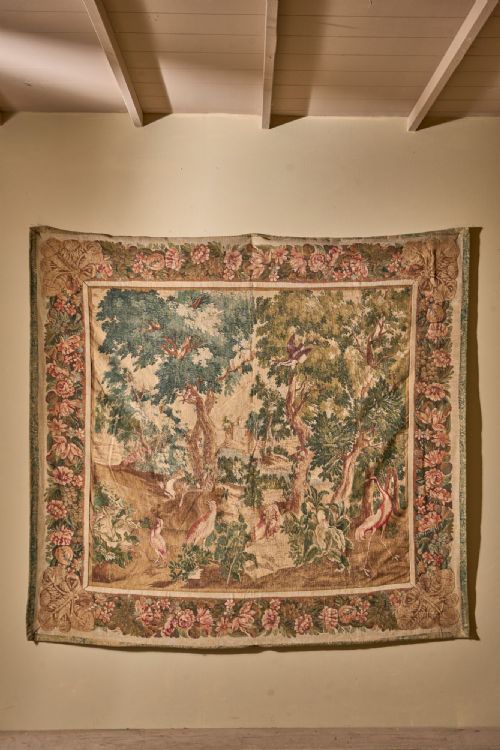
These pieces of 19th century textile art encompass framed samplers, woven tapestries, and embroidered panels that bring texture and history into a room.
19th Century Textile Art
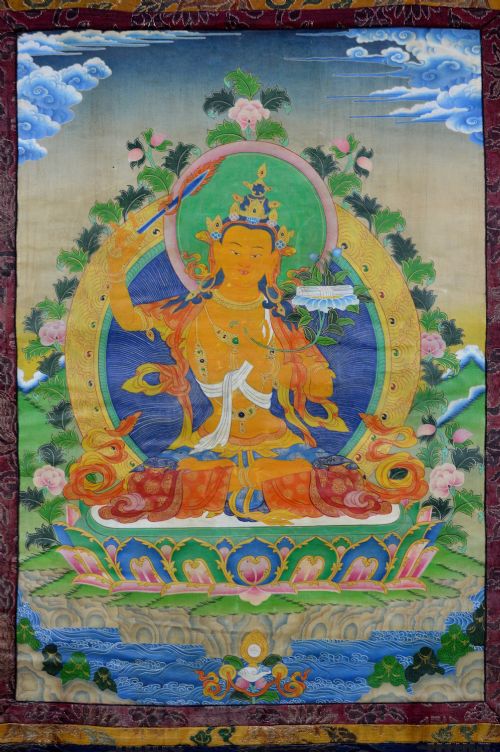
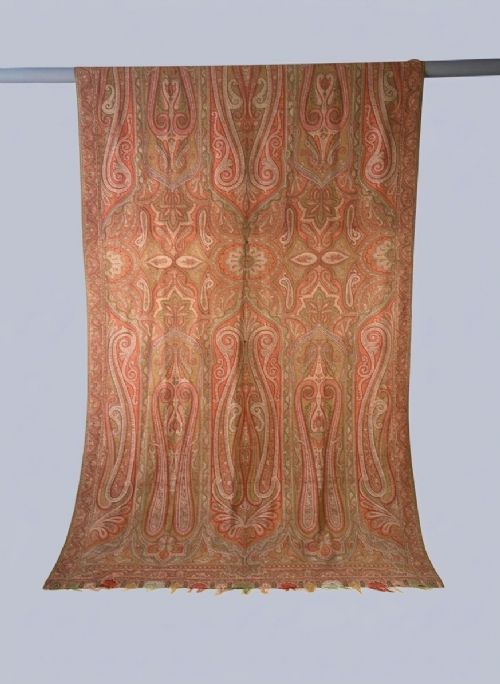
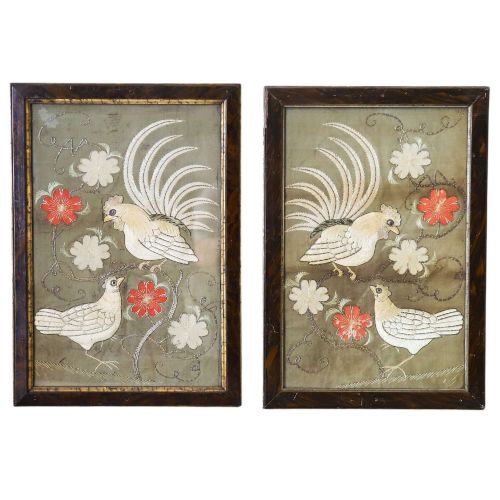
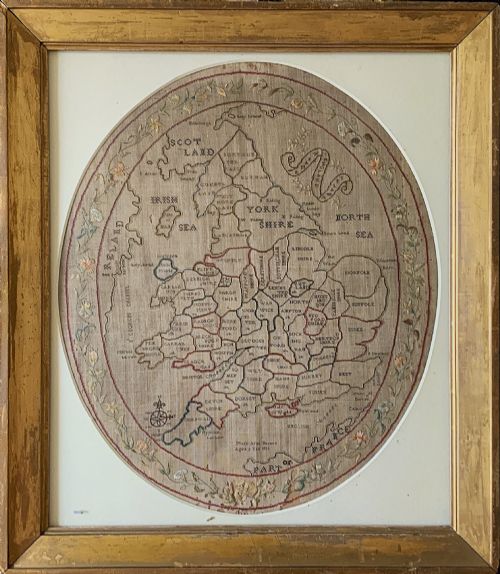
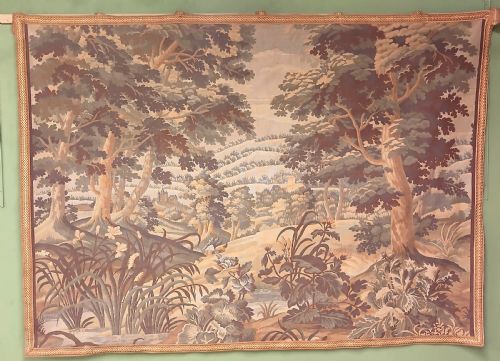
When searching for 19th century textile art, one encounters a broad range of domestic and decorative works produced across Britain, Europe, and Central Asia. The category spans framed needlework samplers, large wall tapestries, silk embroideries, and woven panels from periods such as the Georgian and Victorian eras.
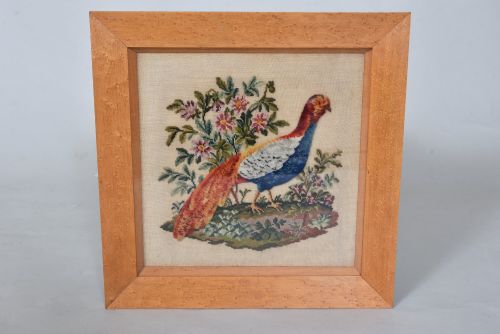
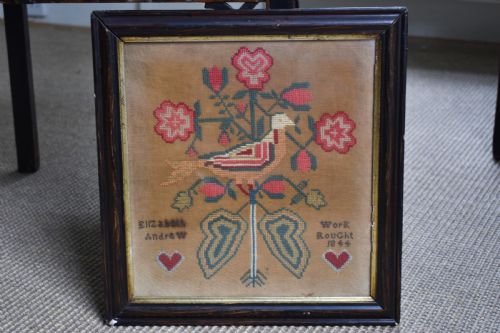
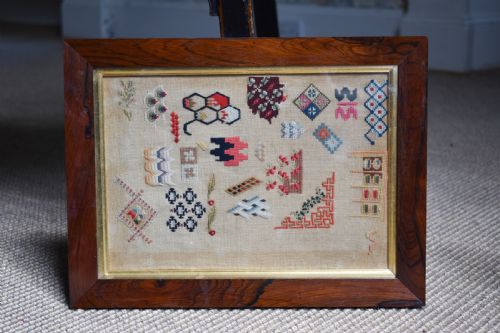
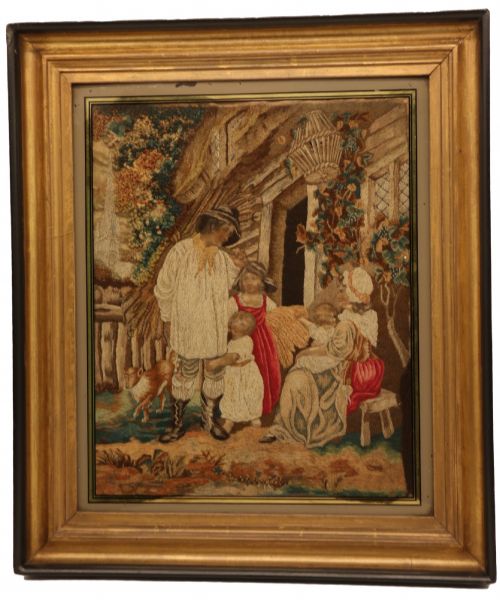
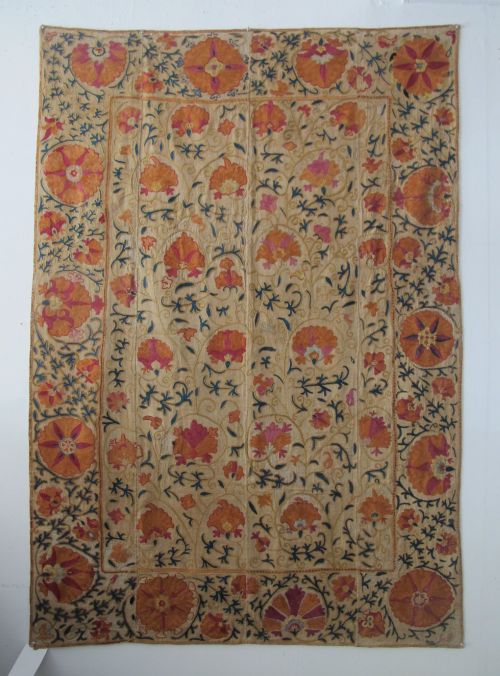
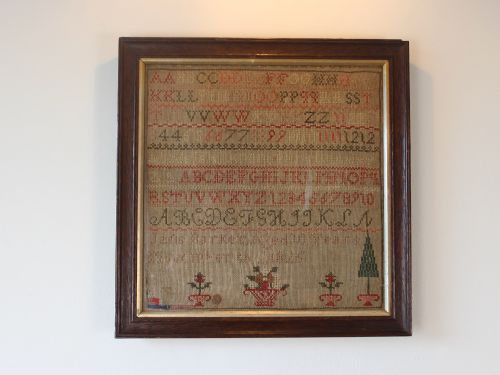
The most common forms on this page include wool and silk samplers stitched by young makers, framed needlework pictures depicting animals or figures, and substantial imported panels like Uzbek suzanis and ikats. These pieces capture both structured domestic education and skilled regional textile traditions.
How they were made
Makers utilised natural fibres including wool, silk, cotton, linen, and canvas as the foundation for their stitching and weaving. These textiles often incorporate hand-painted elements, metal threads, or glass beads to add detail and dimension.
Framing materials recorded in the evidence include burr maple, faux tortoiseshell, gilt frames, and Verre Églomisé glass panels. Many wall hangings and panels were constructed from multiple woven or embroidered sections joined together for domestic or ceremonial use.
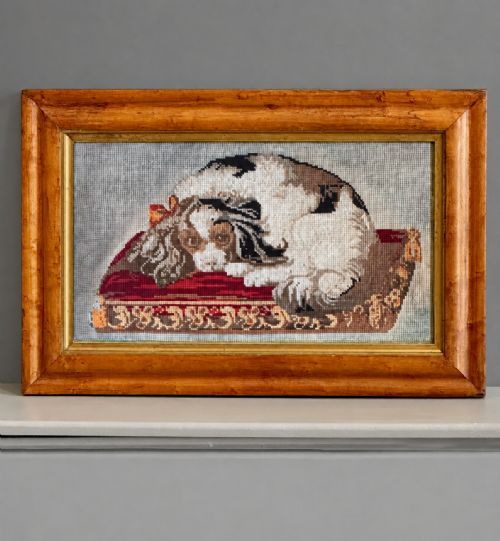
A King Charles Spaniel immortalised in Berlin work needle wool sits patiently inside an original burr maple frame.
What varies in quality
The distinction between standard and exceptional pieces rests upon the precision of the needlework and the complexity of the design. Finer works display tight, even stitches, sophisticated colour palettes, and well-executed pictorial compositions.
The choice of original framing and mounting significantly influences the character of the piece. Surviving period frames, such as burr maple or gilt wood, preserve the integrity of the textile within its historical context.
The 19th Century Textile Art Glossary
- Sampler
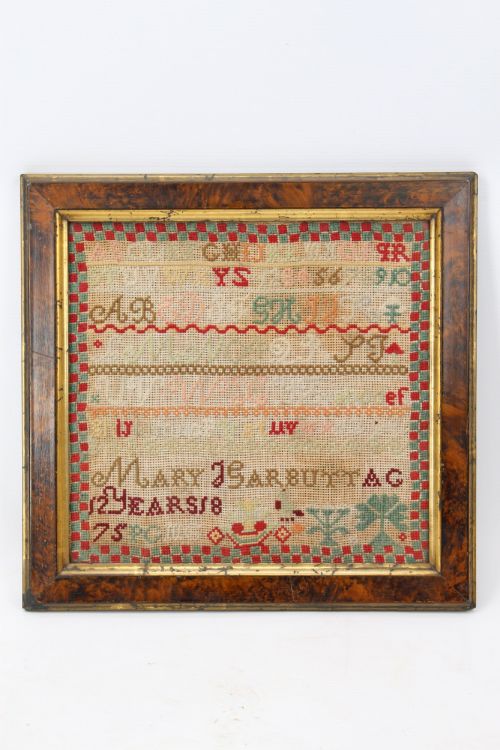
- A piece of needlework produced to demonstrate proficiency in various stitches and alphabets, often including dates and the maker's age.
- Suzani
- A type of embroidered and decorative tribal textile from Central Asia, traditionally made in Uzbekistan on cotton or silk foundation fabrics.
- Ikat
- A dyeing technique where the yarns are patterned before being woven into fabrics, creating characteristic hazy borders along the design motifs.
- Plushwork
- A raised embroidery technique using looped stitches that are cut to form a textured, velvet-like pile.
- Verre Églomisé
- A process of applying gold or silver leaf to glass combined with engraving and painting, frequently utilised for period picture frames.
19th Century Textile Art: Frequently Asked Questions
What is a needlework sampler?
A needlework sampler is a stitched cloth created to practise and display different embroidery stitches, alphabets, and numerals. Young makers often signed and dated these works alongside their age.
These pieces offer a direct record of domestic education and handcraft skills from the Georgian and Victorian periods.
How do I care for antique textiles?
Antique textiles require protection from direct sunlight to prevent fading of natural wool and silk threads. Displaying them away from excessive moisture and heat preserves the fibres.
Framed pieces should remain sealed in their original settings unless professional conservation is required.
How are periods identified?
Periods are identified through a combination of stitching styles, material types, framing methods, and documented dates on samplers. Georgian and Victorian works often reflect the prevailing domestic tastes and educational requirements of their time.
Regional textiles from Central Asia or Europe display characteristic patterns and dye methods tied to specific decades.