

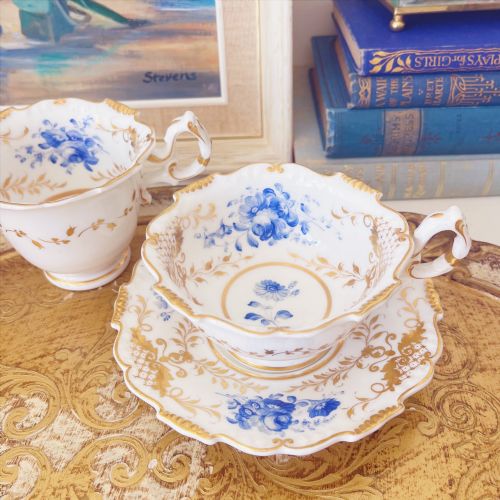
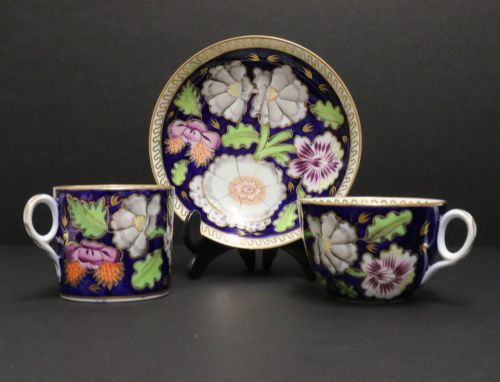
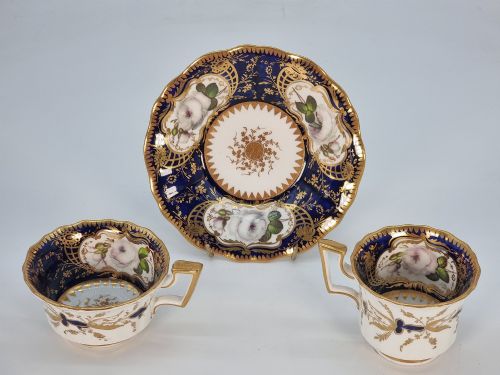
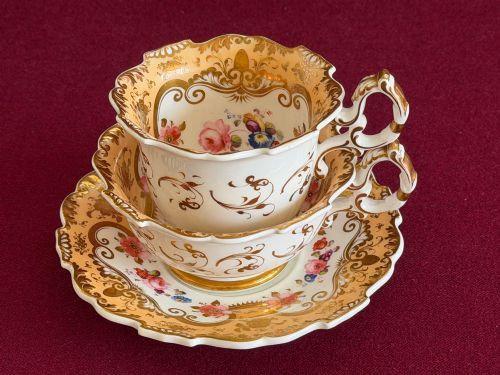
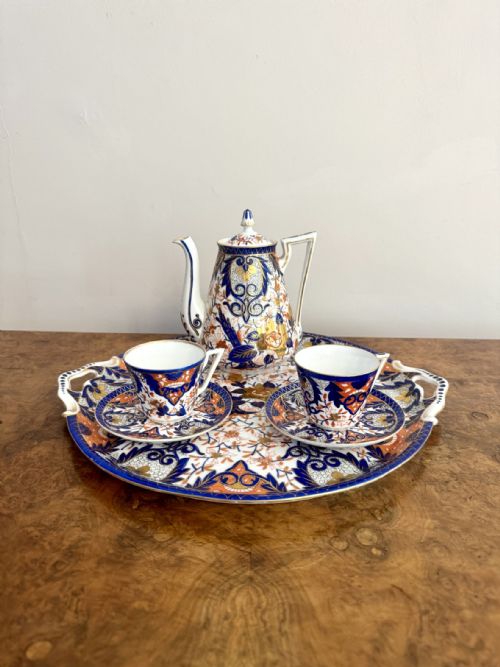
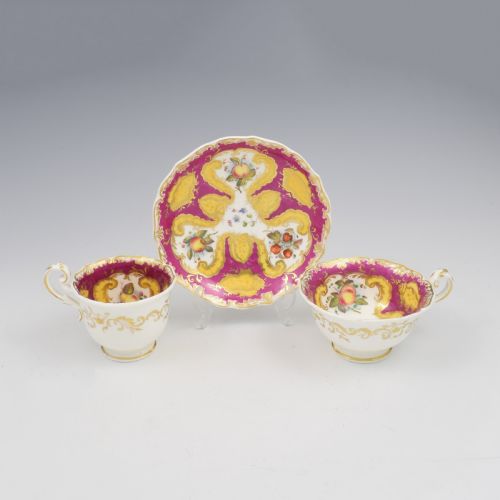
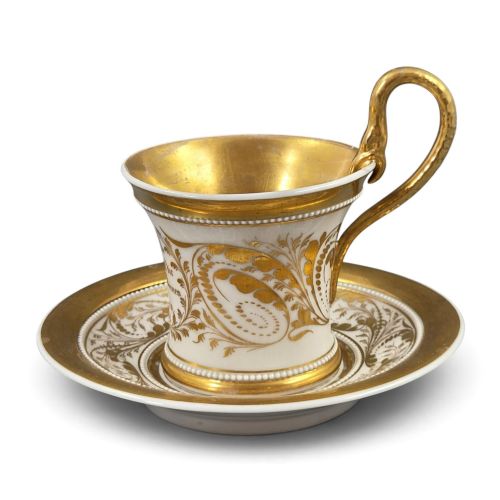
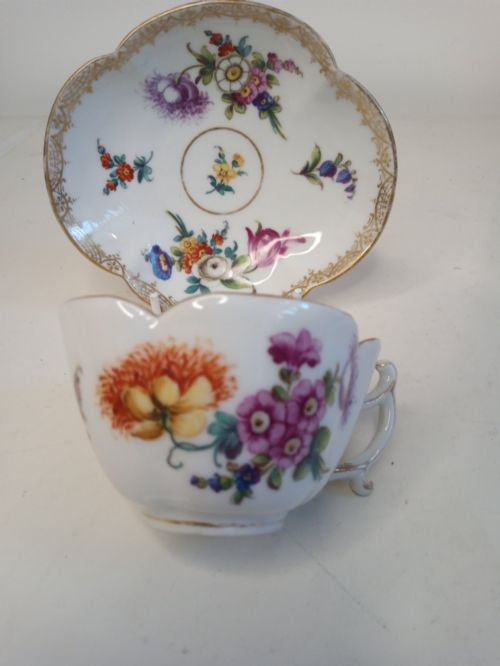
19th Century Tea Set
A 19th century tea set brings the refined social rituals of Georgian and Victorian drawing rooms directly to the modern table.
19th Century Tea Set
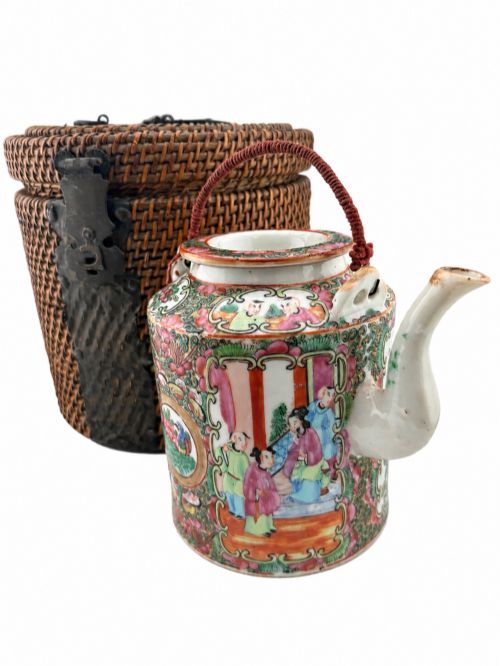
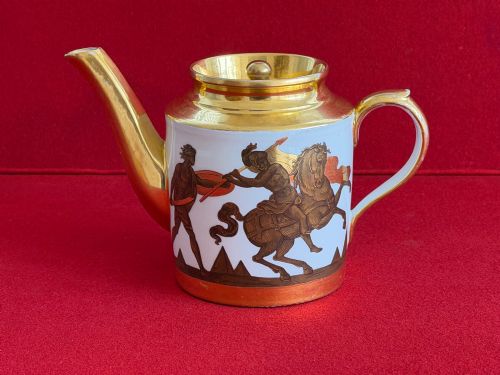
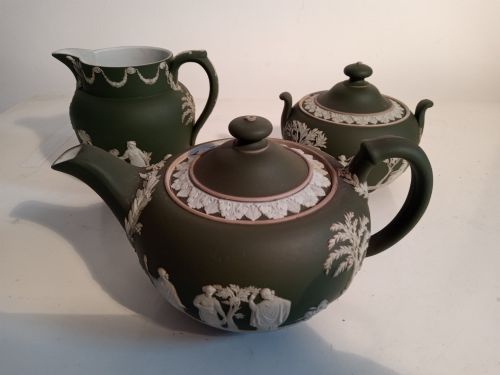
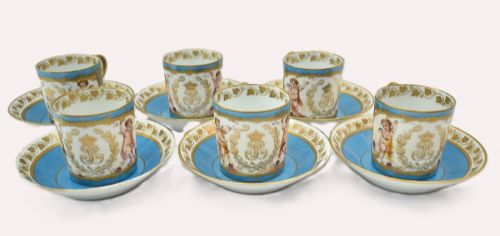
Buyers will encounter items spanning the Georgian, Regency, William IV, and Victorian periods, often reflecting stylistic influences from Chinese export porcelain, Biedermeier design, and neoclassical motifs. These groupings frequently survive as matched sets of multiple cups, saucers, teapots, and creamers used for formal entertaining.
How they were made
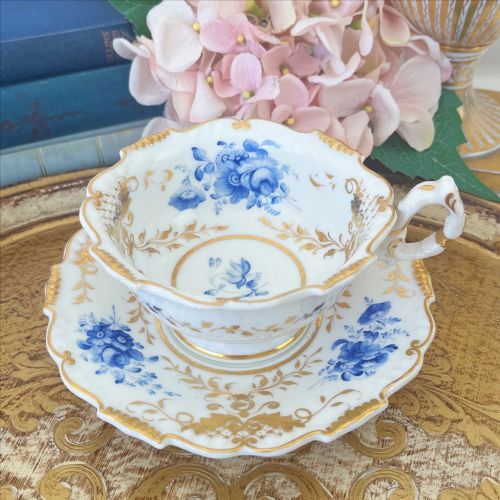
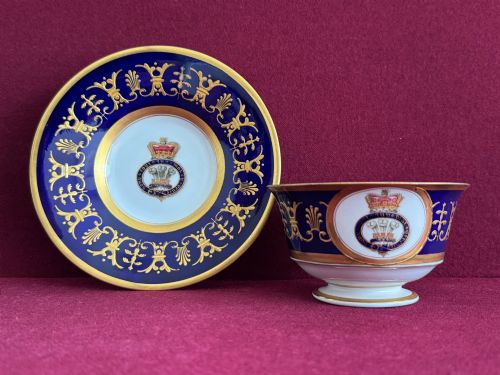
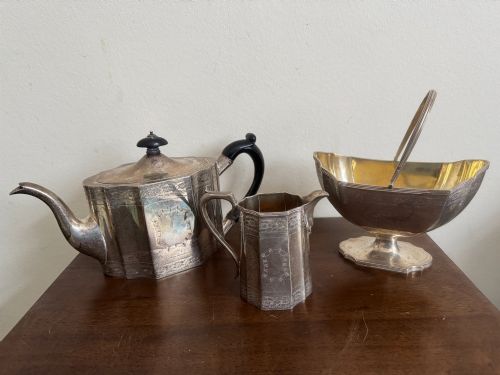
Makers utilised fine porcelain, bone china, earthenware, and ceramic as the primary substrates for these vessels, shaping them into distinctive forms such as the Shrewsbury shape or elaborate cabinet trios. Sterling silver sets were fashioned through traditional smithing techniques, often accompanied by matching silver utensils.
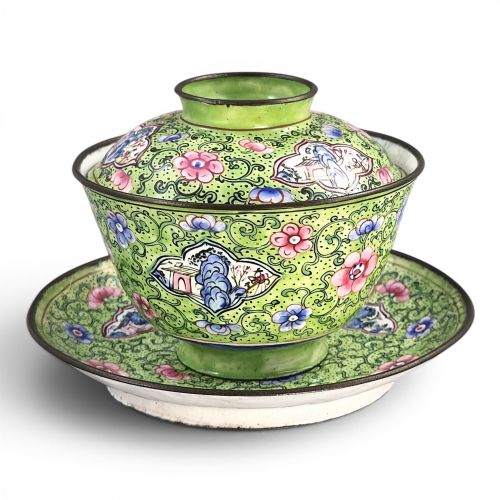
Decoration relied heavily on meticulous hand-painting, rich gilding with gold leaf, and vibrant enamelling. Techniques such as Chinese Canton enamelling, cloisonné work, and transfer printing like Flow blue added intricate visual depth to both European and export wares.
19th Century Tea Set Retail Price Guide 2026
Typical asking prices for 19th century tea set among the pieces listed under this phrase on Sellingantiques today, from the lower quarter to the upper quarter. They describe what is for sale here now, not the wider market.
What varies in quality
The standard of a 19th century tea set rests largely on the pedigree of the manufacturer and the precision of its artistic execution. Pieces originating from esteemed factories like Worcester, Coalport, or Meissen, or bearing the touchmarks of master silversmiths, demonstrate superior artistry in their hand-painted details and gilding.
The complexity of the ceramic body and the preservation of the enamel and gold leaf also dictate value. Finer sets exhibit crisper moulding, more sophisticated polychrome patterns, and complete, undamaged services that have maintained their original aesthetic integrity.
Barr & Barr·H & R Daniel·Newhall·Coalport John Rose·KPM Berlin·Wedgwood·Sevres·Royal Worcester·Flight Barr & Barr·Royal Davenport·Ahrenfeldt & Asalvary·Moser·Sewell·Paul Storr·Minton·W. Hackwood·Spode·Joseph Craddock·Benjamin Smith
The 19th Century Tea Set Glossary
- Trio
- A matched set consisting of a teacup, a coffee cup, and a saucer. This configuration was particularly popular during the Regency and early Victorian eras for versatile entertaining.
- Cabinet trio
- A decorative or high-status grouping intended for display in a cabinet rather than everyday use. These pieces often feature exceptional hand-painted scenes or heavy gilding.
- Gaiwan
- A traditional Chinese lidded bowl used for steeping and drinking tea. Examples from the Qing dynasty often feature vibrant Canton enamel decoration.
- Flow blue
- A transfer-printing technique where cobalt blue bled into the white glaze during firing, creating a soft, misty outline. It was widely used on mid-Victorian earthenware and children's services.
- Cloisonné
- An enamelwork technique where metal wires are soldered to a base to form compartments filled with paste and fired. This method appears on decorative silver accessories associated with tea wares.
19th Century Tea Set: Frequently Asked Questions
What is a tea trio?
A tea trio comprises a teacup, a coffee cup, and a matching saucer. This combination allowed Victorian and Regency hosts to serve different hot beverages using a unified decorative scheme.
These sets were frequently produced by leading English and European porcelain factories as part of larger service orders or as individual presentation pieces.
How do I date a silver tea set?
Silver tea sets from this era are usually dated by examining the hallmarks stamped into the metal. These assay marks reveal the year of manufacture, the city, and the silversmith.
Maker marks and stylistic cues such as Regency neoclassical lines or heavy Victorian ornamentation also help narrow down the production period.
Can I use antique porcelain daily?
Using 19th century porcelain requires caution due to the delicate nature of the ceramic body and fragile hand-gilding. Gentle hand washing is essential to preserve the original enamels and gold leaf.
Many collectors prefer to reserve these pieces for occasional display or careful use during special gatherings rather than routine daily service.
What is a bachelor tea set?
A bachelor tea set is a compact, integrated service designed for one person, typically combining a teapot, creamer, and cup in a space-saving stackable form. These sets were popular in late Victorian households for private morning or afternoon tea.
Their smaller scale makes them distinct from the larger family-sized services used in formal drawing rooms.