
19th Century Tall Mirror
A 19th century tall mirror reflects the ambition of period interior design, bringing height and daylight deep into a room.
19th Century Tall Mirror
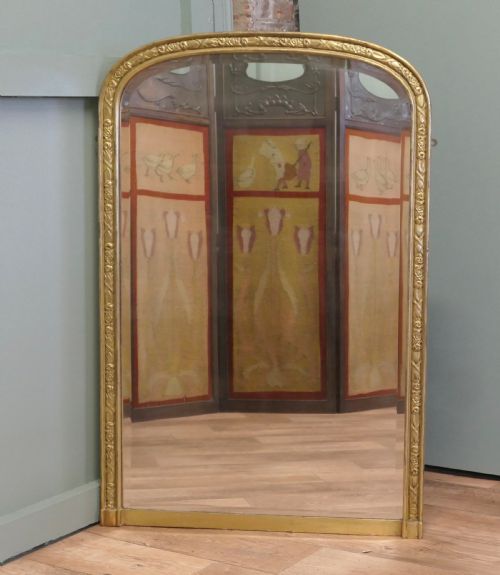
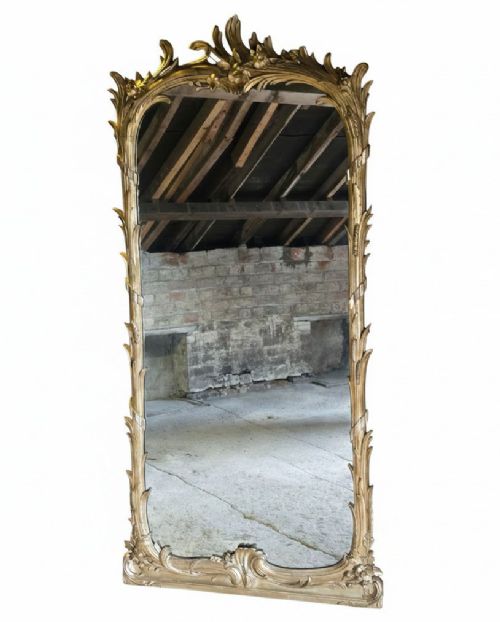
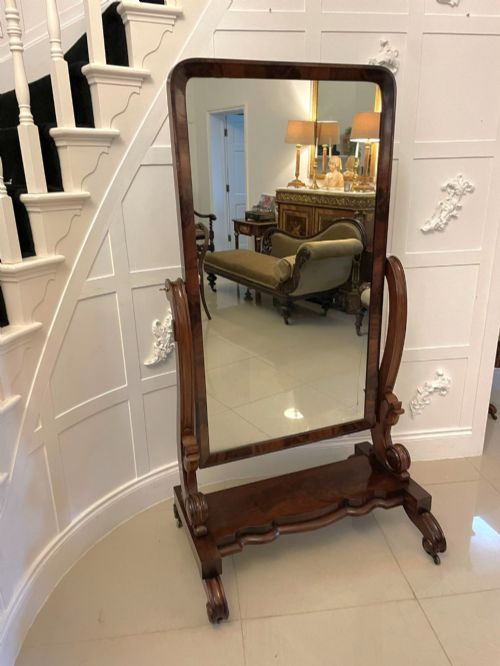
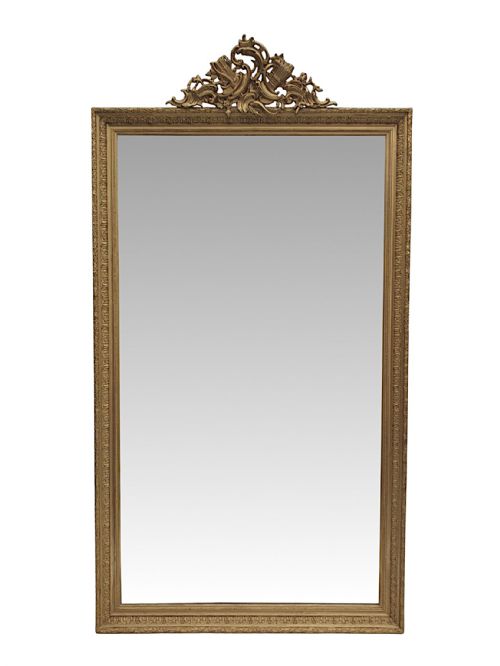
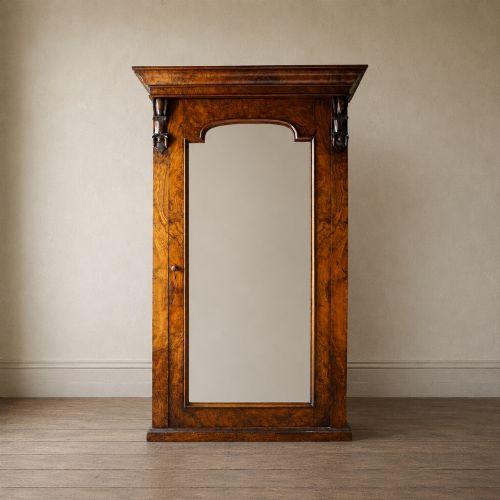
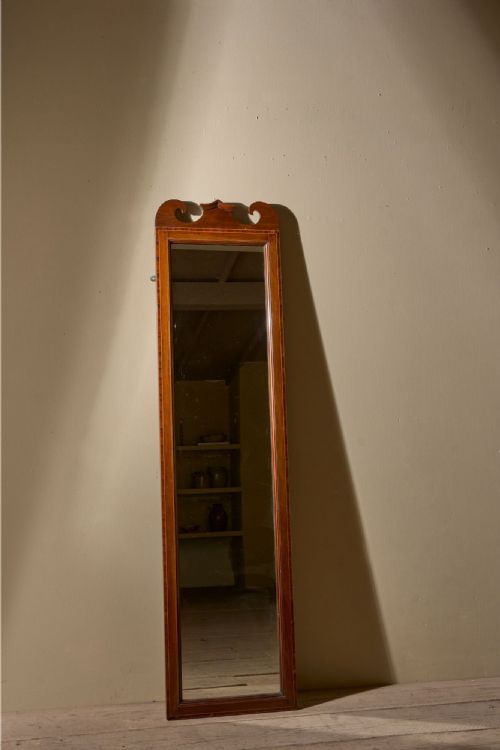
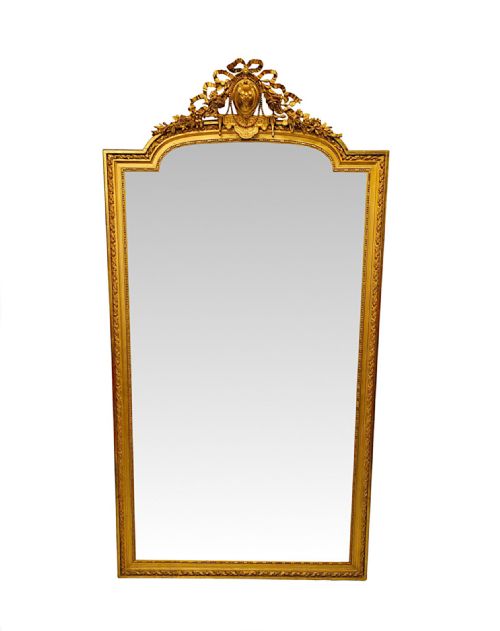
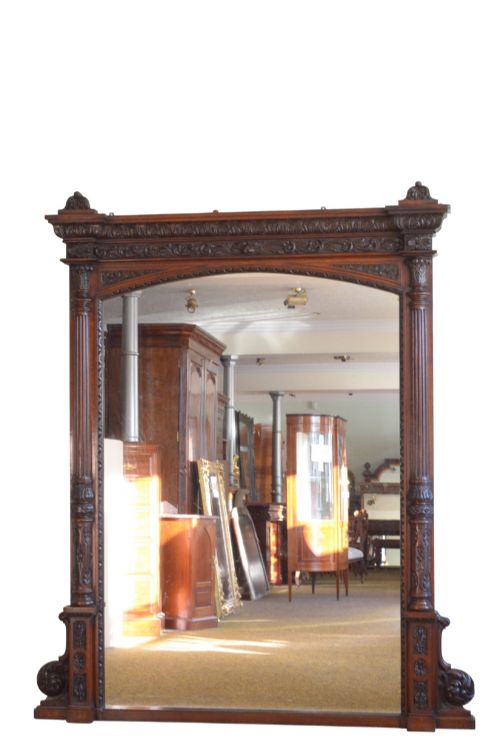
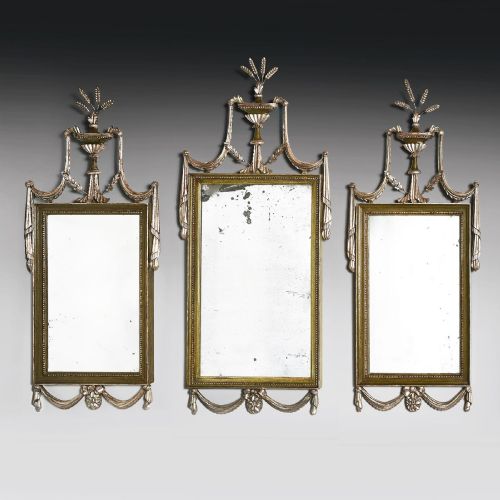
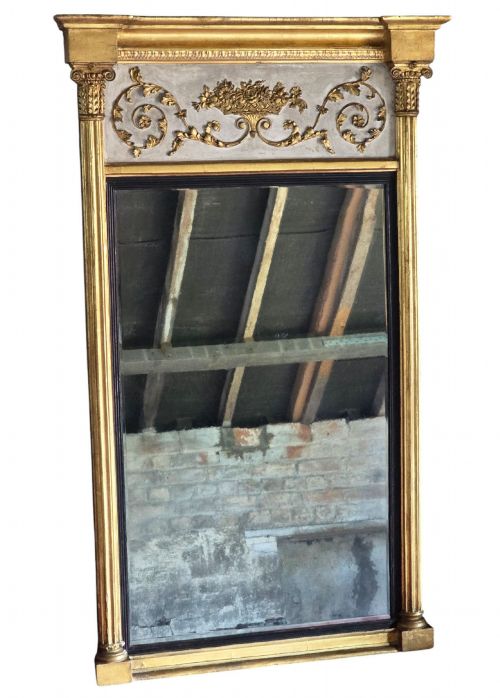
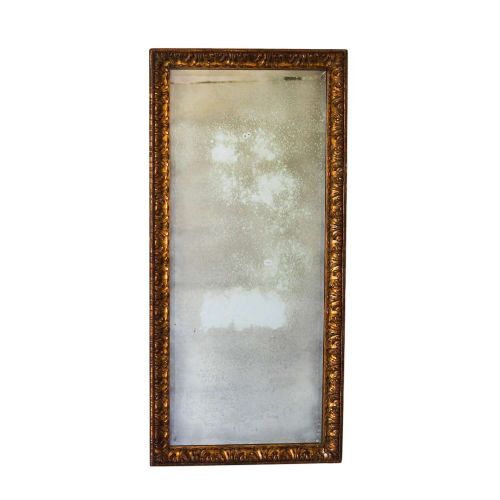
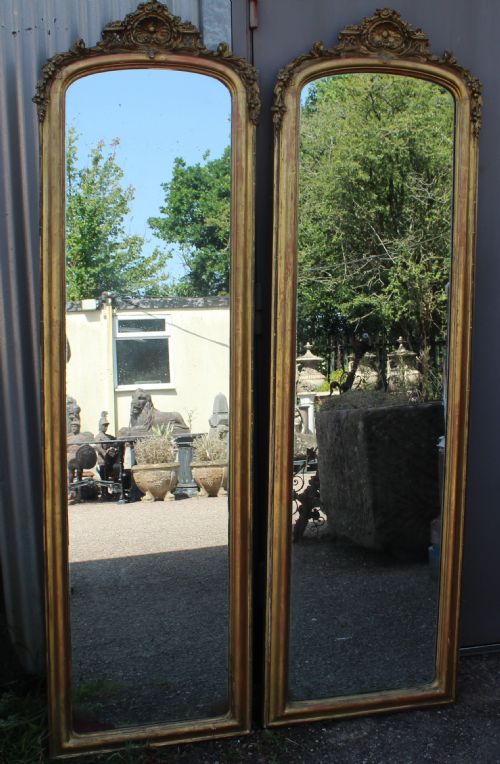
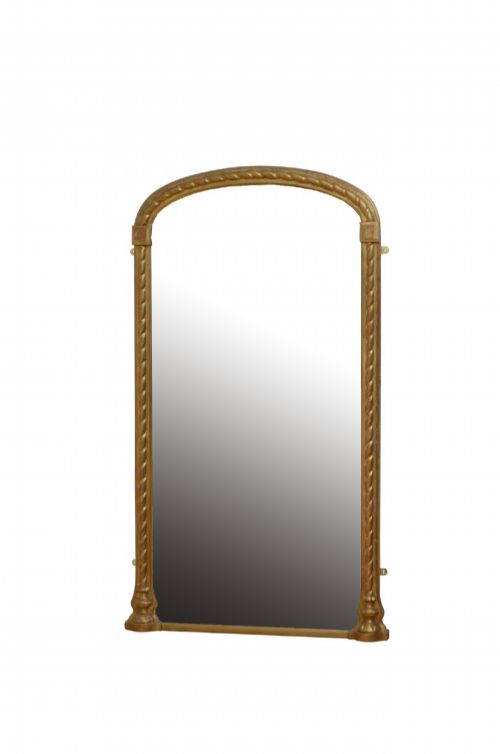
When searching for a 19th century tall mirror, buyers encounter a diverse selection of vertical glass forms designed for specific domestic spaces. The selection ranges from grand French Louis Philippe wall mirrors and architectural pier mirrors to freestanding cheval glasses and heavy overmantel panels.
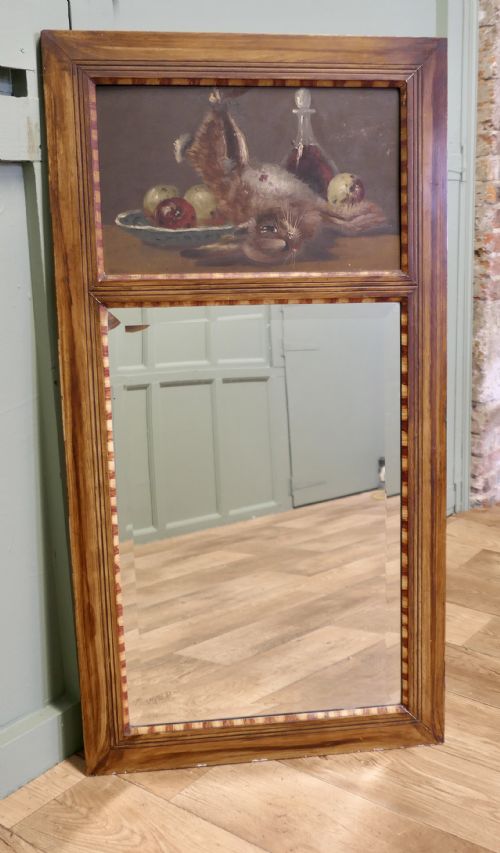
Many examples originate from French chateaux or English country houses, frequently taking the form of tall leaner mirrors or trumeau panels placed above mantelpieces or between windows. These vertical formats were engineered to maximise light reflection in high-ceilinged reception rooms and dressing chambers.
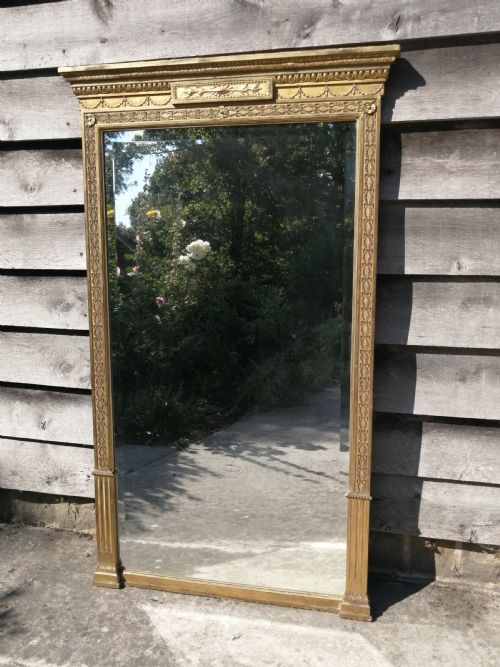
The evidence shows regular appearances of Victorian and Regency pieces alongside continental styles such as Rococo Revival and Neoclassical designs. Buyers frequently meet large giltwood frames and carved mahogany structures dating across the nineteenth century.
Materials and Construction
Makers constructed these substantial frames primarily from timbers such as mahogany, walnut, and oak, often applying layers of gesso to wooden carcases before gilding them with gold leaf or silver paint. Giltwood and carved wood provide the decorative structure for the most elaborate neoclassical and revival frames.
Mirror plates of the period were frequently silvered using mercury techniques or early chemical processes, housed within deep rebates and secured with original timber backboards. Structural joinery involved traditional tenon and mortise framing to support the considerable weight of tall vertical glass.
Several mirrors retain nineteenth-century fern motifs carved into their gilt frames, bringing botanical whimsy directly into the parlour.
Evaluating the Pieces
The distinction between standard examples and top-tier pieces rests upon the crispness of the hand-carved gesso ornament, the depth of the gilding, and the integrity of the original glass plate. Superior frames display sharp relief work without the softening of detail often found in secondary recasting or poor restoration.
Proportion and architectural balance dictate the visual success of a tall mirror, with finer pieces maintaining harmonious sightlines across imposing heights. The presence of untouched original backboards, period brass hardware, and authentic mercury glass plates further elevates a piece within the historical record.
Gillows Of Lancaster
The 19th Century Tall Mirror Glossary
- Pier mirror
- A tall vertical glass designed specifically to hang on the wall space between two windows. These pieces often sat above matching console tables to unify a room scheme.
- Cheval mirror
- A freestanding full-length dressing mirror mounted on a vertical frame with pivoting pivots. They allowed users to tilt the glass to various angles.
- Trumeau mirror
- An interior architectural panel containing a painted or carved scene above the glass plate. They originated in fashionable French townhouses and country residences.
- Overmantel mirror
- A wide or tall glass specifically proportioned to sit directly on the mantelpiece above a fireplace. They frequently dominated the principal reception rooms.
- Gesso
- A plaster mixture applied to wood frames to create a smooth surface for gilding. Skilled carvers incised or moulded intricate decorative motifs directly into this layer.
19th Century Tall Mirror: Frequently Asked Questions
Where should a tall mirror be placed?
These vertical pieces suit high-walled reception rooms, hallways, and bedrooms where their height can elongate the visual space. Placing them opposite a window maximises the natural daylight entering the interior.
Historically, pier mirrors were positioned between windows to reflect light back into the centre of darker period rooms.
How do I identify a Louis Philippe mirror?
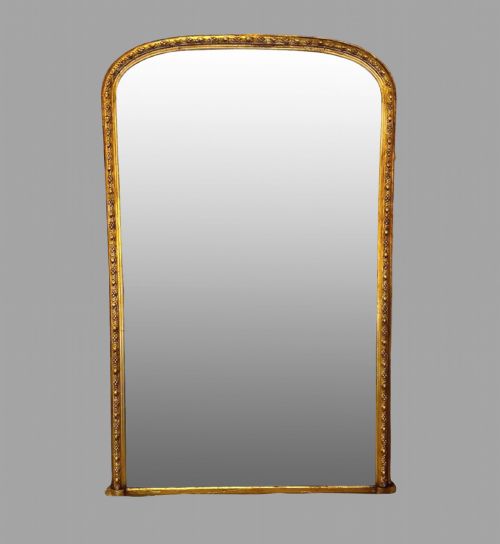
Louis Philippe mirrors typically feature softly rounded upper corners combined with a clean rectangular lower frame. Their decoration is often restrained, utilising subtle beaded mouldings or simple crestings.
French examples from this mid-century period frequently retain original mercury glass plates with characteristic soft speckling.
Can heavy tall mirrors be wall-mounted safely?
Many nineteenth-century tall mirrors were designed as leaner mirrors that rest securely against the floor and wall. Wall hanging requires professional assessment of the frame weight and appropriate heavy-duty fixings into solid masonry.
Checking the stability of the original wood backing and frame joints is essential prior to any installation.
What is an outfitter mirror?
Outfitters mirrors were large commercial or domestic dressing mirrors used in nineteenth-century tailors, shops, and grand dressing rooms. They provide an unhindered full-length reflection housed in robust timber frames.
These utilitarian pieces often feature simple mahogany or oak surrounds built for daily commercial use.