


19th Century Table Base
A 19th century table base anchors dining, breakfast and centre tables, offering sturdy support and sculptural presence to interiors.
19th Century Table Base
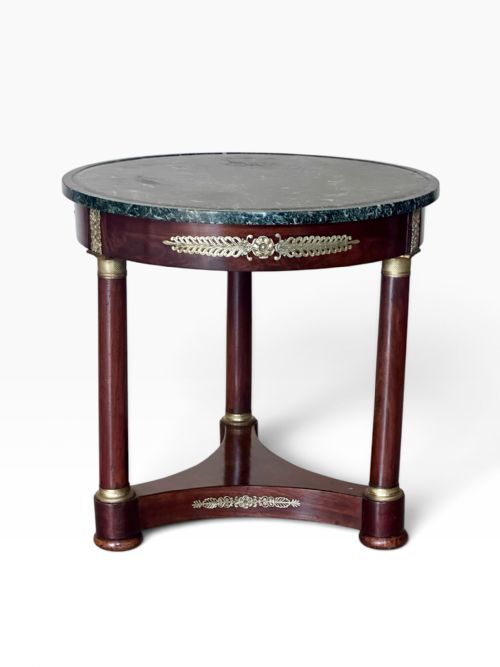
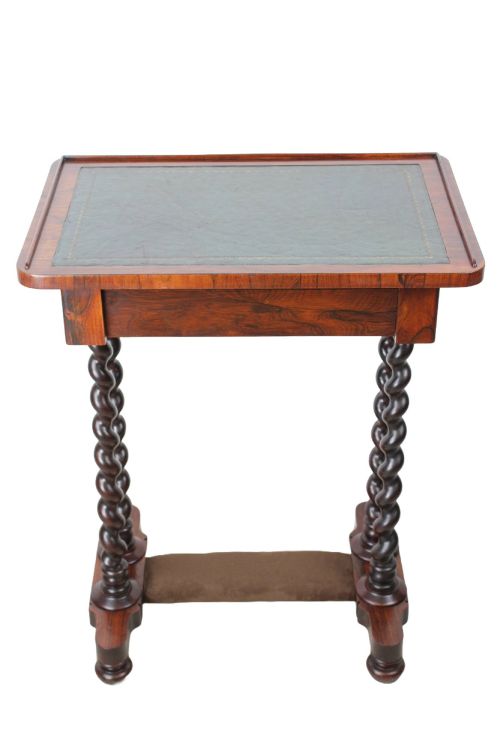
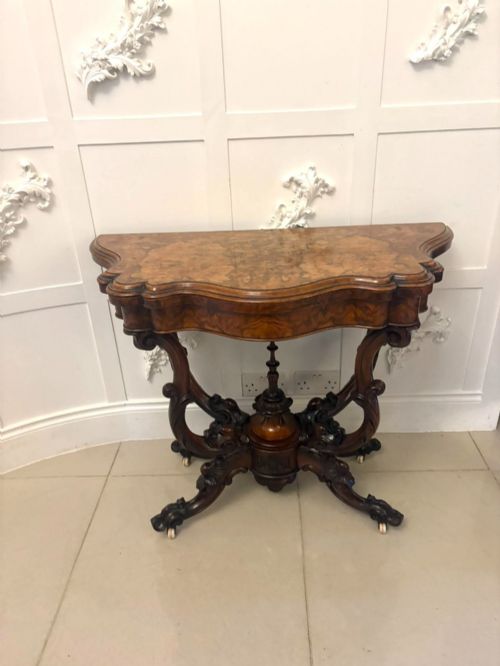
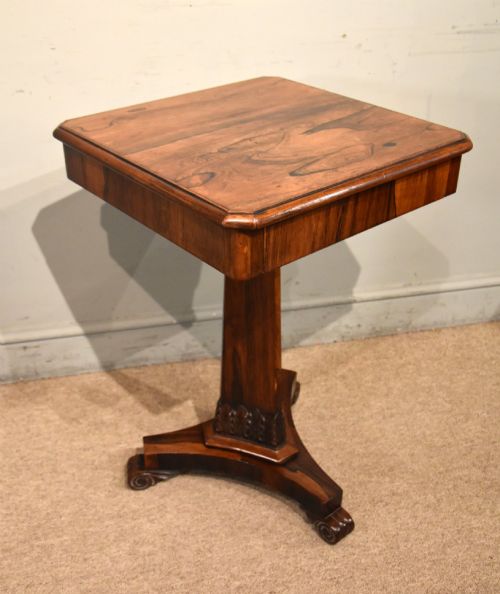
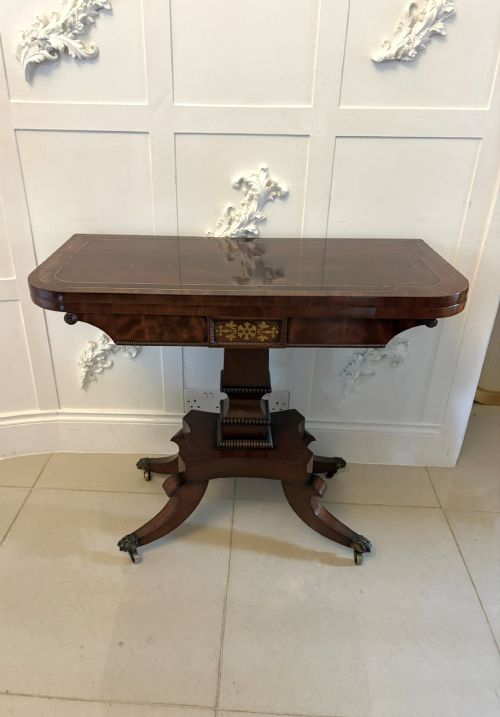
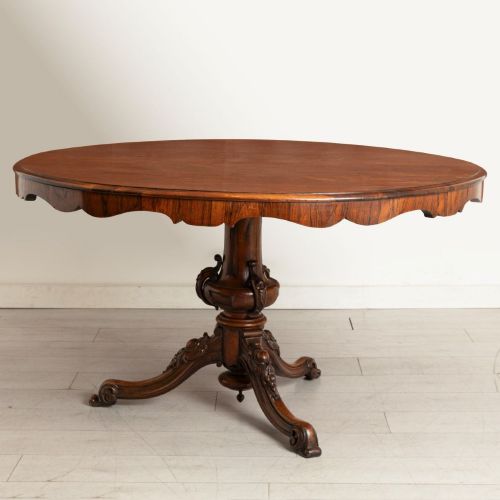
A 19th century table base provides structural support for diverse forms, appearing on breakfast tables, centre tables, card tables and occasional tables. These supports range from single central pedestals to tripod legs, triform structures and heavy carved columns.
Victorian, Regency and William IV examples dominate the selection, often rendered in rich timbers like rosewood and mahogany. Many pieces combine a functional platform with elaborate carving, turned details and castors for mobility.
Some configurations detach the support from the top, allowing the base to function independently or accommodate replacement surfaces such as marble or timber. Buyers encounter various pedestal styles, including tripod, quadrapod and pillar designs.
Materials and Construction Techniques
Cabinet makers utilised dense hardwoods such as mahogany, rosewood, walnut and oak to construct durable supports capable of bearing heavy tabletops. Brass mounts, castors and inlay work frequently accent these timber structures.
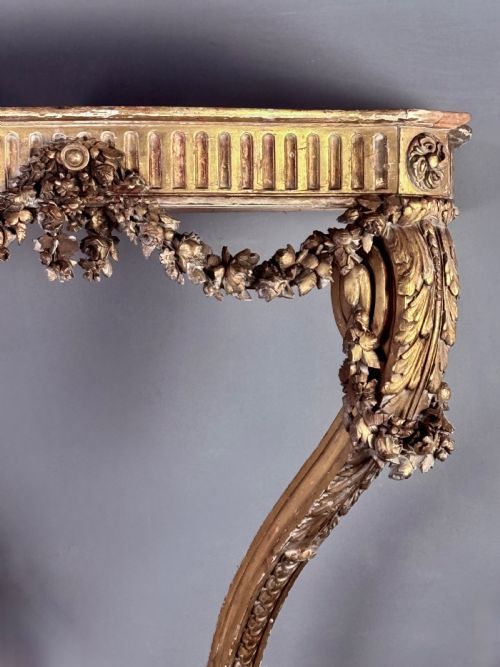
Carving techniques required skilled handwork, visible in the acanthus leaves, claw feet and turned columns typical of the period. Secondary elements occasionally incorporated wrought iron, bronze or marble plinths for added stability and visual contrast.
Listings feature woods such as mahogany, rosewood, walnut and oak across the 19th century.
Distinguishing Quality and Craftsmanship
Quality rests in the crispness of the hand carving and the selection of figured timber veneers, such as flame mahogany or burr walnut. Superior examples demonstrate tight joinery and substantial weight, ensuring the support remains stable under heavy use.
The sophistication of the turning and the presence of original brass castors or mountings elevate an example. Lesser pieces display softer detailing in the carved motifs and simpler, unfigured secondary woods.
Mappin and Webb·Felix Alfred Ternisien
The 19th Century Table Base Glossary
- Pedestal
- A single central support beneath a table top. It often terminates in carved legs or a platform base.
- Triform
- A three-sided base structure. This shape provides steady floor contact for circular breakfast tables.
- Quadrapod
- A four-legged support system radiating from a central column. It distributes weight evenly for larger oval or circular tables.
- Tilt-top
- A mechanism allowing the table top to pivot vertically. This design enabled tables to be stored flat against walls when not in use.
- Gueridon
- A small French occasional table supported by a single pillar or legs. These often feature circular marble or mahogany tops.
19th Century Table Base: Frequently Asked Questions
How do I choose the right size base?
Measure the intended top and floor space to ensure the footprint provides adequate stability without obstructing chairs.
Larger quadrapod and triform supports require more clearance than slender tripod designs.
Can I attach a new top to an antique base?
Many historical supports survived independently from their original tops due to wear or damage.
Ensure the weight and dimensions of the replacement top match the structural capacity of the support.
How do I care for rosewood and mahogany?
Dust regularly with a soft, dry cloth and avoid placing wooden furniture near direct heat sources or strong sunlight.
Occasional application of appropriate wax helps maintain the lustre of the timber finish.
What is the difference between Regency and Victorian styles?
Regency supports tend to feature clean classical lines, brass inlay and restrained classical motifs inspired by antiquity.
Victorian examples generally showcase heavier proportions, elaborate floral carvings and darker burr walnut or rosewood veneers.