

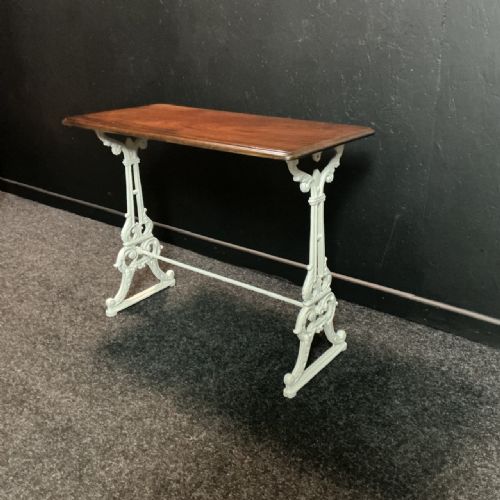


Cast Iron Pub Table Base
A cast iron pub table base offers sturdy utility and industrial character, forming the dependable foundation for traditional tavern seating.
Cast Iron Pub Table Base
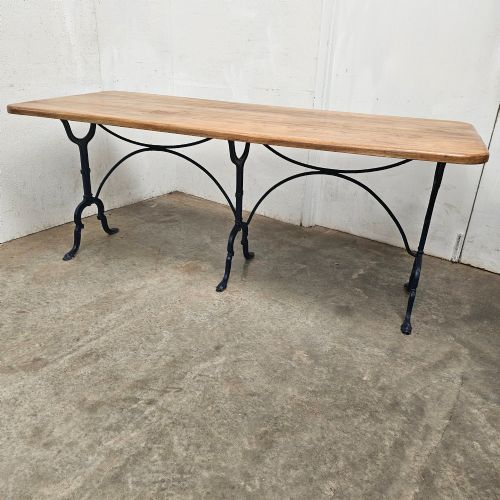
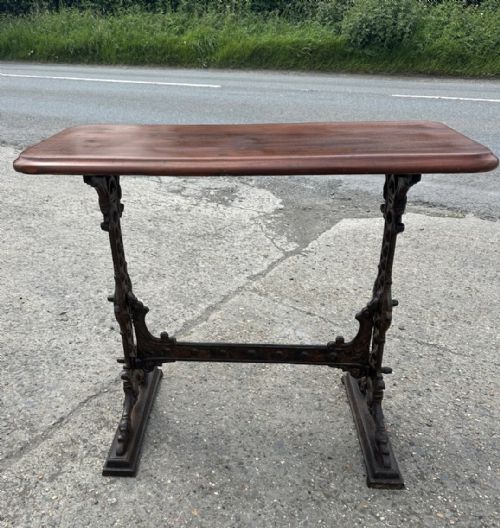
A cast iron pub table base provides the structural support for various hospitality and domestic settings, appearing frequently as standalone pedestals or fitted with timber tops. These examples span the nineteenth century and the Victorian era, alongside early twentieth century iterations.
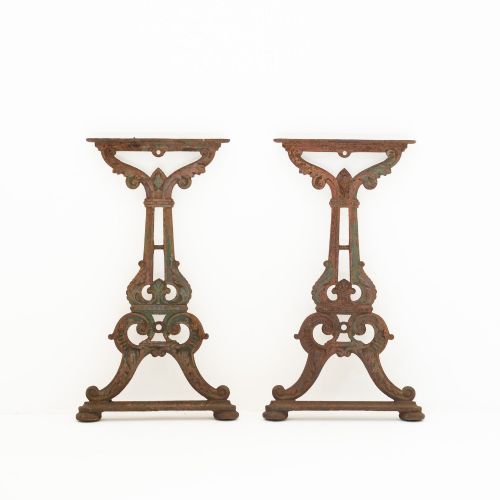
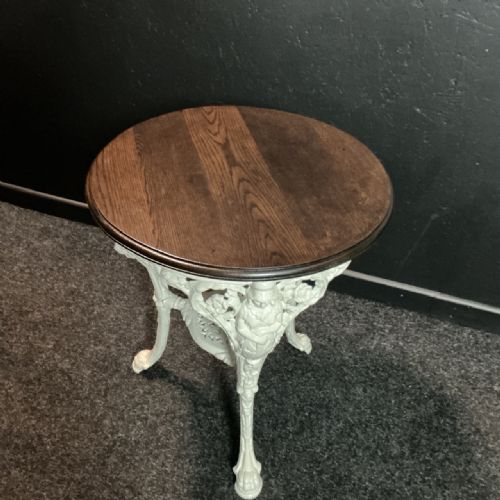
Forms include dedicated pub tables, tavern pieces, and bistro formats, often featuring scrolled work, Britannia designs, or lion motifs. Buyers encounter both complete tables retaining original timber or marble tops and isolated bases ready for alternative tops.
Origins stretch from English workshops to French provincial and industrial settings, with oak, mahogany, elm, and pine appearing alongside marble surfaces. The selection ranges from compact occasional pieces to long configurations designed for communal spaces.
Materials and construction methods
Cast iron forms the primary structural component, poured into moulds to create intricate scrollwork, heavy pedestals, and robust feet. This technique allows for complex decorative relief work that remains rigid and durable under heavy daily use.
Wood elements such as oak, mahogany, elm, and pine are integrated as table tops, secured directly to the iron framework. Marble tops also feature in garden, conservatory, and café contexts, providing a cool, smooth surface atop the metal base.
Cast Iron Pub Table Base Retail Price Guide 2026
Typical asking prices for cast iron pub table base among the pieces listed under this phrase on Sellingantiques today, from the lower quarter to the upper quarter. They describe what is for sale here now, not the wider market.
Some nineteenth-century tavern patrons inadvertently carved their initials into the timber tops resting on these indestructible iron frames.
Quality variations in bases
Superior examples display crisp definition in the cast iron ornament, where mould details remain sharp and well-defined without surface pitting or crude finishing lines. Heavier castings offer greater stability and structural integrity compared to lighter, more utilitarian counterparts.
The relationship between the base and its top dictates overall coherence, with original timber or marble surfaces maintaining historical proportion and correct mounting. Finer pieces preserve original surface patination across both the ironwork and the accompanying wood.
The Cast Iron Pub Table Base Glossary
- Cast iron
- A hard, relatively brittle alloy of iron and carbon that can be readily cast in a mould. It provides exceptional weight and strength for table supports.
- Britannia
- A specific style of heavy cast iron pub table base featuring a moulded figure or classical motif. This design gained popularity during the Victorian period for commercial tavern interiors.
- Scrollwork
- Ornamental work consisting of spiralling scroll designs cast into the metal frame. It adds decorative relief to otherwise utilitarian pedestals.
- Patina
- The surface sheen and colour developed through age, wear, and use. It reveals the history of the material on both iron and wood components.
Cast Iron Pub Table Base: Frequently Asked Questions
What is a Britannia pub table base?
A Britannia base is a heavy cast iron support featuring a classical figural or ornamental design. These pieces were standard in nineteenth-century taverns and public houses for their exceptional stability.
They provide a distinctive silhouette that distinguishes standard industrial pedestals from more decorative commercial furnishings.
Can I use an antique base outdoors?
While cast iron withstands outdoor conditions well, historical pieces require attention to prevent rust accumulation. Many examples originate from garden and conservatory contexts where they handled moisture.
Protecting the iron and any attached wooden or marble tops ensures the longevity of the piece in exterior settings.
How do I match a top to a base?
Selecting a top involves considering the weight and footprint of the iron support to ensure balance. Timber such as oak, mahogany, or elm, as well as marble, mirrors the historical combinations found on these pieces.
Proportion remains key so that the surface overhang aligns correctly with the perimeter of the cast iron feet.
Are these bases heavy?
Cast iron is dense and intentionally heavy to keep tavern tables anchored securely during use. This substantial weight prevents tipping in busy hospitality environments.
Consequently, moving these pieces requires care, particularly when dealing with long configurations or integrated stone tops.