

19th Century Style Art
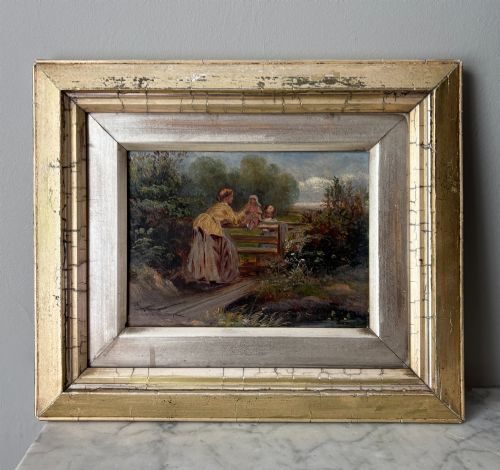
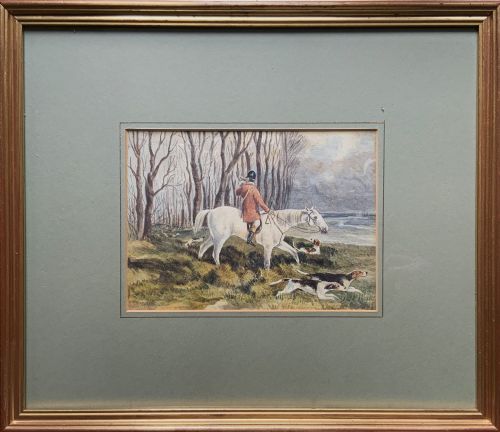
These pieces under 19th century style art span oil paintings, watercolours, framed prints, carved panels, and decorative objects created during periods ranging from the Regency era through to Victorian and later revival movements.
19th Century Style Art
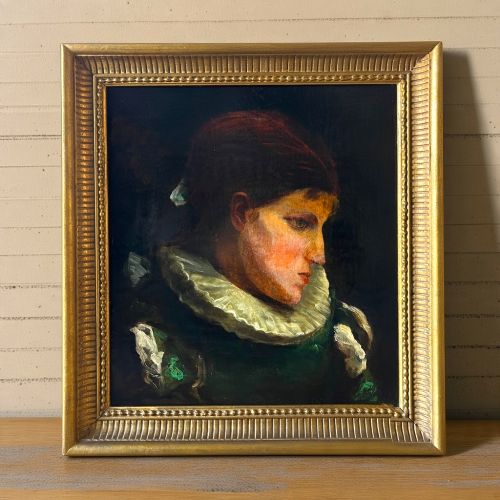
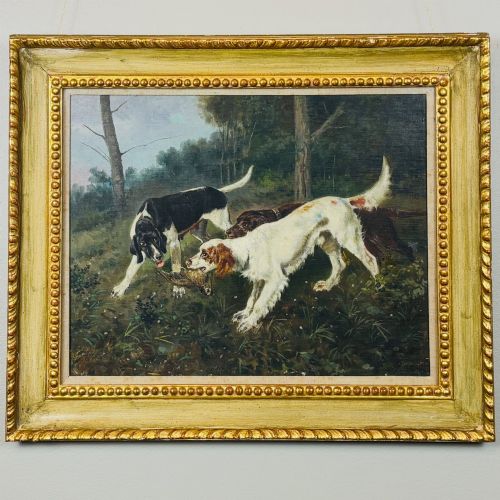
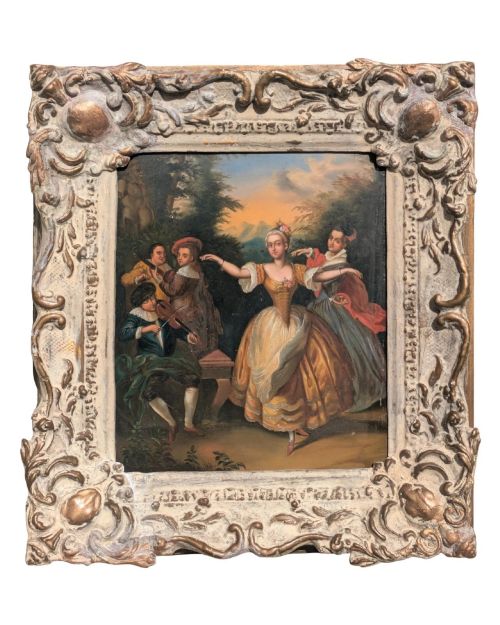
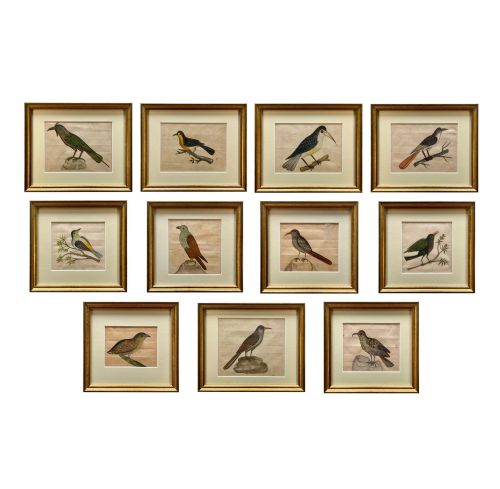
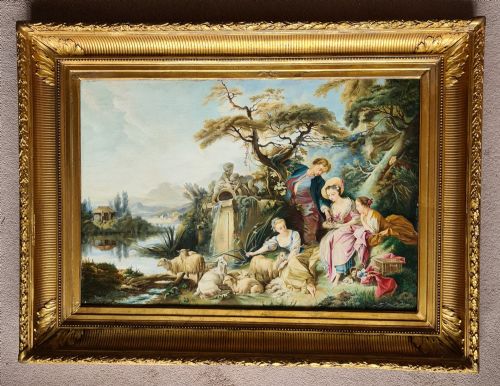
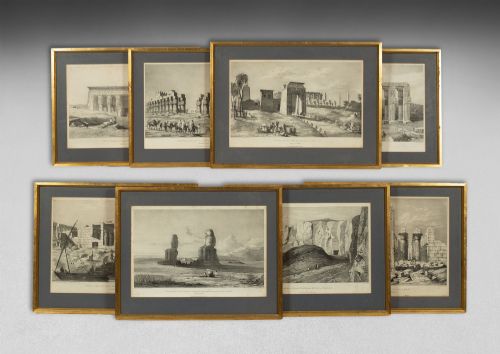
Buyers searching for 19th century style art encounter a diverse array of visual media, predominantly oil paintings on canvas or wood panels, alongside watercolours, pastels, drawings on paper, and framed prints. Many works reflect historical manners and revival movements, including Renaissance, Gothic, and Rococo influences, often echoing earlier masterworks.
Originating largely from the nineteenth century itself, these pieces also include later interpretations and works produced in specific historical manners. The common thread is a distinct adherence to period aesthetic principles, whether executed by established circles, followers of known painters, or anonymous hands working within recognised historical traditions.
Materials and construction methods
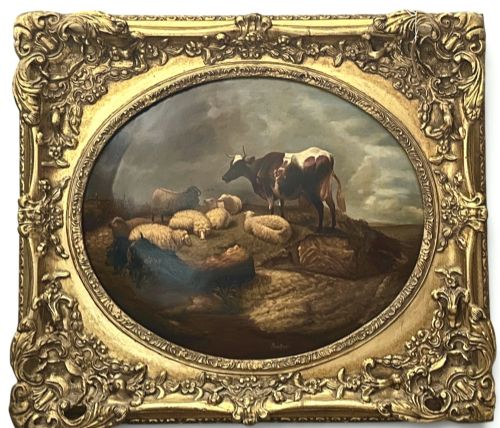
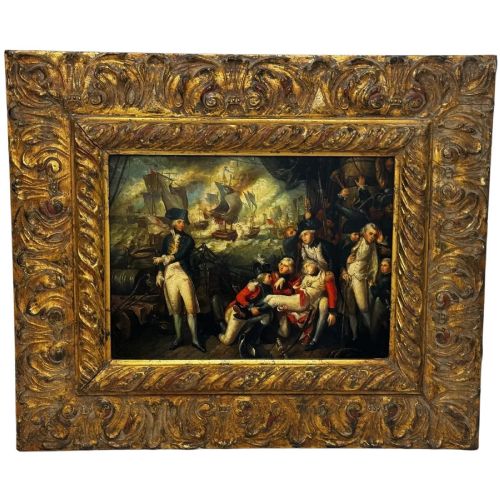
The physical basis of these works relies heavily on oil paint applied to canvas, wood panels, or paper supports, frequently paired with preparatory sketches in charcoal, pastel, or watercolour. Giltwood and gesso feature prominently in the construction of deep picture frames, where layered materials create ornate fluted and hollow profiles.
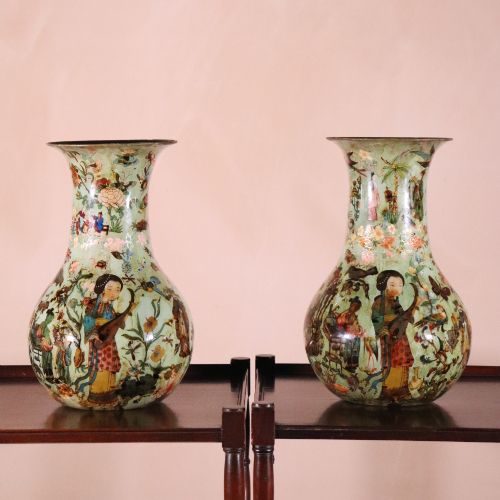
Structural elements in associated items utilise various woods, such as walnut for carved furniture like artists' easels, and solid timbers for framed panels. Decorative surface finishes incorporate gold leaf gilding, tempera, and ceramic glazes found on pottery bowls and porcelain dishes.
19th Century Style Art Retail Price Guide 2026
Typical asking prices for 19th century style art among the pieces listed under this phrase on Sellingantiques today, from the lower quarter to the upper quarter. They describe what is for sale here now, not the wider market.
Kittens at play and young chess players share wall space with stern portrait subjects and solemn religious icons.
Factors separating quality grades
Execution and handling of the medium dictate the upper tier of these works, where brushwork demonstrates confidence, anatomical precision, and subtle tonal modulation in portraits and landscapes. Lesser examples display rigid lines, flat colour application, or derivative compositions that lack the depth of original studies.
Material integrity and framing contribute significantly to the overall standard. Original deep giltwood frames with hand-applied gesso ornamentation and stable wood panels command greater regard than later replacement mounts or compromised supports showing extensive structural repair.
Sir Thomas Lawrence·Maurice Quentin de la Tour·Albert Bierstadt·Alfred Arthur Brunel de Neuville
The 19th Century Style Art Glossary
- Gesso
- A plaster-like mixture applied to wood or canvas as a base for painting or gilding. It is built up in layers and carved or moulded on frames.
- Manner of
- A term used when an artwork is executed in the general style of a particular artist without necessarily being a direct copy. It reflects familiarity with a master's techniques and subjects.
- Giltwood
- Timber that has been coated with gold leaf or gold paint for decorative effect. This finish appears frequently on elaborate picture frames.
- Tempera
- A permanent, fast-drying painting medium consisting of coloured pigment mixed with a water-soluble binder such as egg yolk. It often appears on early religious icons.
- Chevalet
- A traditional French artists' easel designed to hold a canvas at a convenient working height. These pieces often feature adjustable walnut frames.
19th Century Style Art: Frequently Asked Questions
How do I identify period oil paintings?
Examine the support material, stretcher frames, and canvas preparation for signs of age such as oxidised oil paint and craquelure. Pigment analysis and stretcher construction often reveal the historical period of execution.
Compare the handling of light and subject matter against documented examples from specific nineteenth-century European schools and regional traditions.
What does after an artist mean?
This designation indicates that the work is a painted or drawn copy of a known composition by a master painter. Such pieces were frequently produced as study exercises or to satisfy demand for popular imagery.
Many of these secondary interpretations possess high artistic merit in their own right, demonstrating considerable technical skill by competent painters.
How should I care for antique paintings?
Keep works away from direct sunlight, high humidity, and rapid temperature fluctuations to prevent canvas slackening and paint cracking. Maintain stable environmental conditions in the room where they hang.
Dust surfaces gently with a soft, dry brush, avoiding liquid cleaners or chemical solvents entirely. Professional conservation should be sought for any structural repairs.
Are framed prints considered original art?
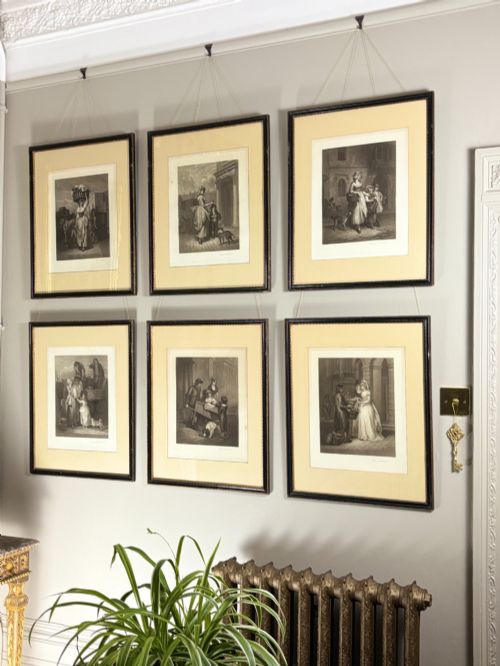
Framed prints represent reproductive printmaking techniques rather than unique hand-painted brushwork. They offer historical insight into popular visual culture and interior decoration of the period.
Many period prints feature quality framing in giltwood or maple, which adds distinct decorative value alongside the printed sheet itself.