
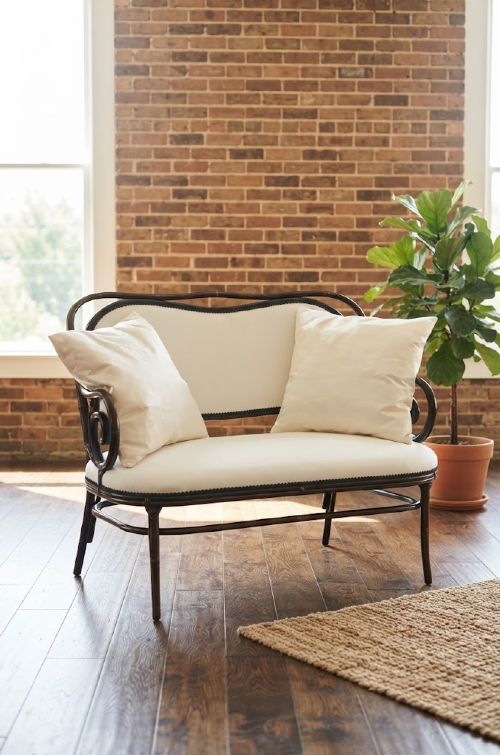
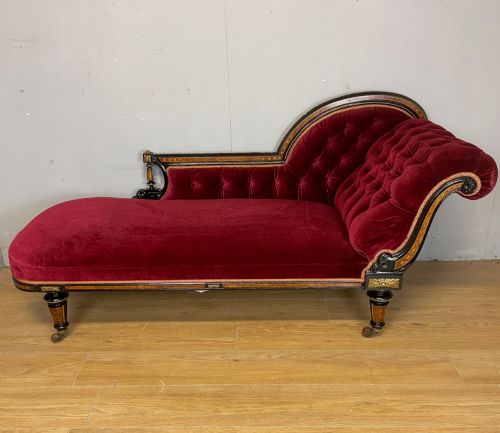
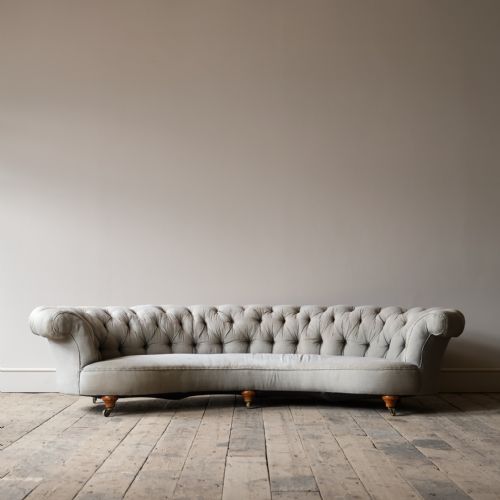
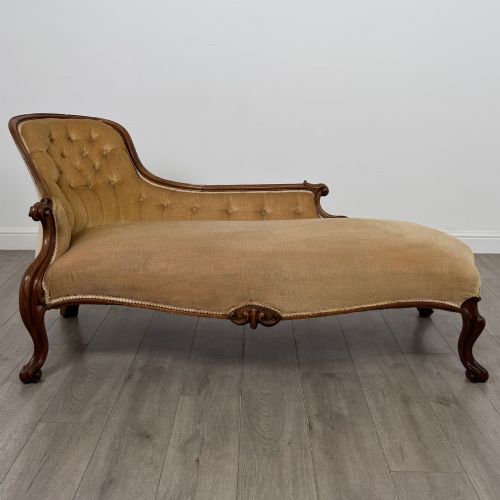
19th Century Sofa Couch
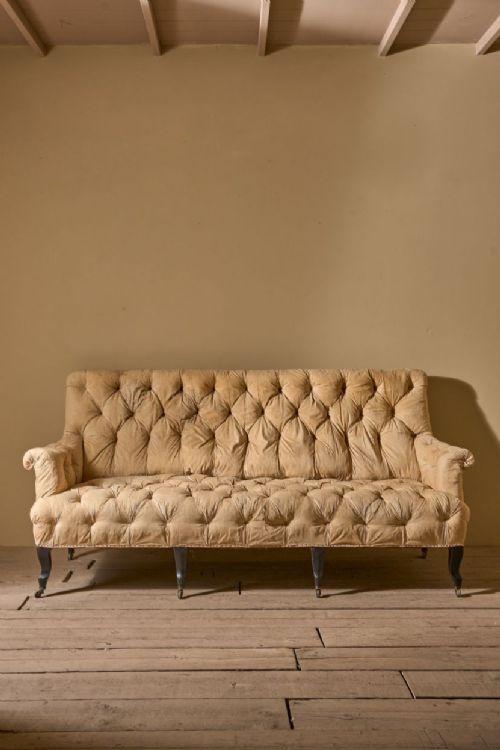
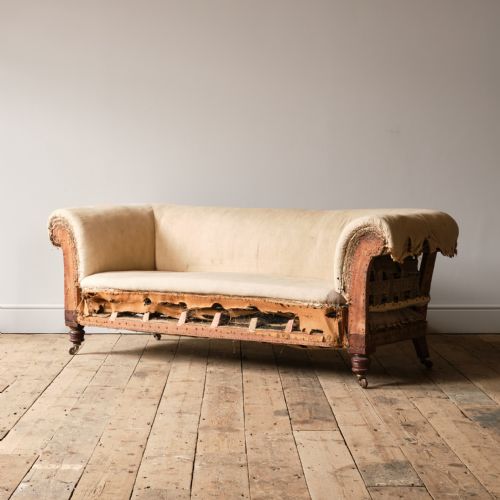
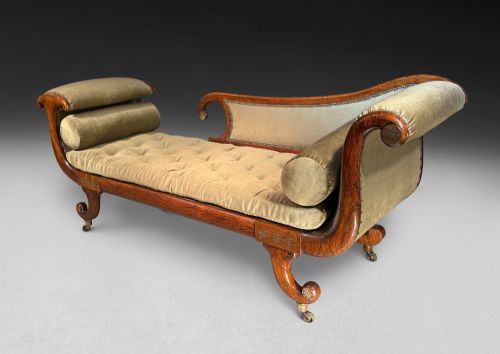
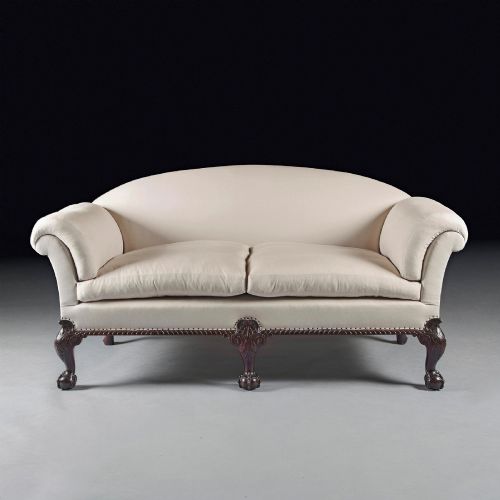
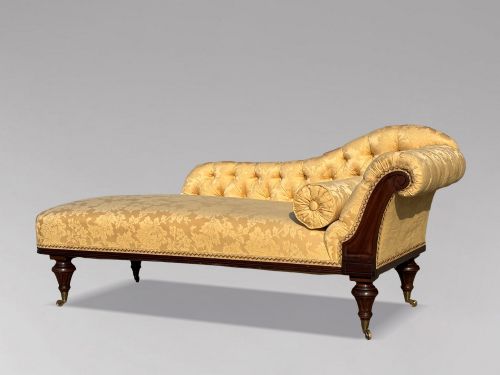
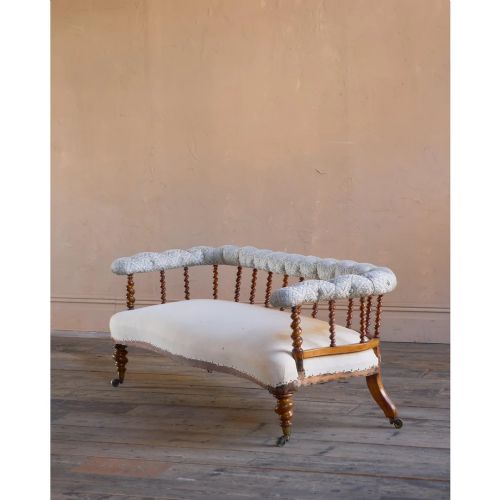
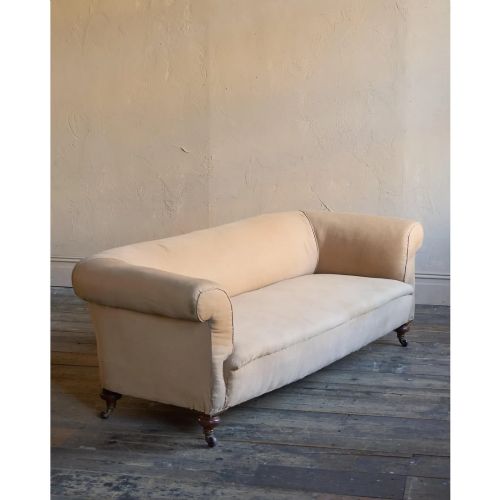
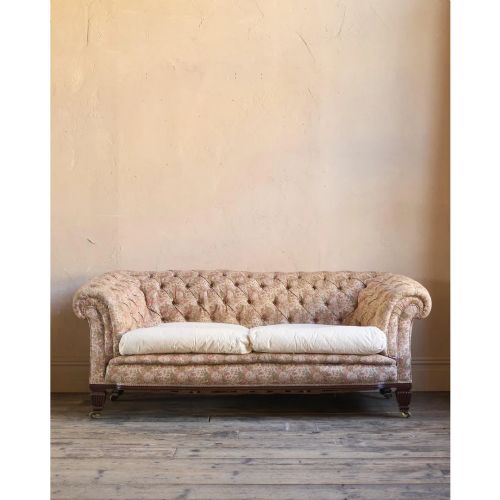
A 19th century sofa couch brings substantial timber frames, scroll ends and deep upholstery into a room.
19th Century Sofa Couch
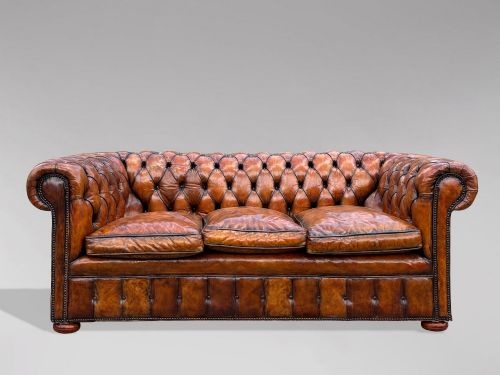
When someone searches for a 19th century sofa couch, they encounter a broad category spanning several decades, including Victorian, Regency, and William IV periods. These pieces range from substantial Chesterfields and salon sofas to daybeds and chaise longues.
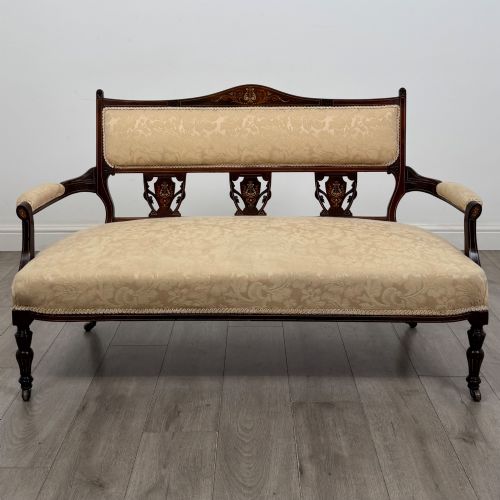
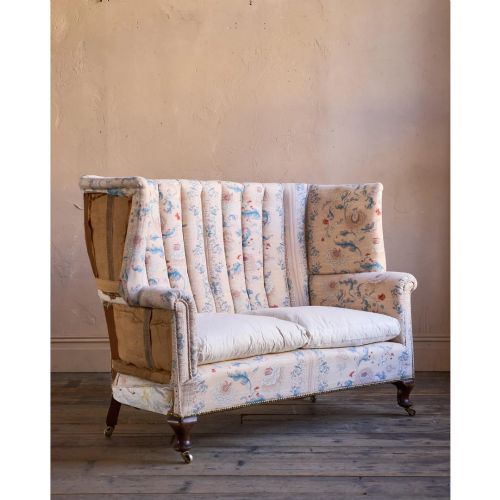
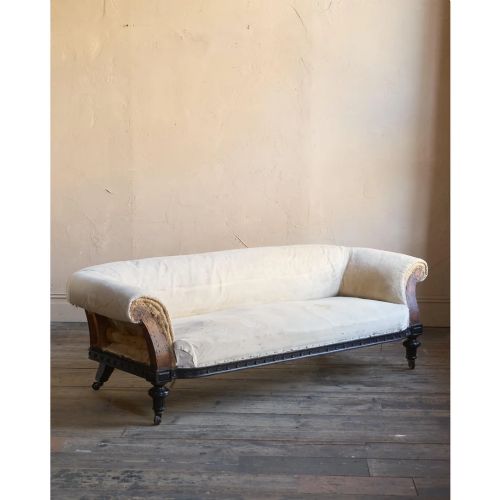
The versions met most frequently on this page combine timber frames in mahogany, rosewood, or walnut with varied upholstery. Formats vary from serpentine camel backs and drop-arm designs to scroll-end couches and chaise longues.
Origins and influences stretch across domestic workshops and international styles, encompassing Anglo-Indian pieces and Aesthetic Movement designs. Each type reflects the domestic comfort and reception room requirements of its respective decade.
Materials and Construction
Frames rely predominantly on hardwoods such as mahogany, rosewood, and walnut, often shaped with carved scroll ends, fluted details, or ebonised finishes. Brass inlays, ormolu decoration, and inlaid panels appear on select framework.
Upholstery techniques utilise materials like calico, hessian, leather, velvet, and fabric to pad and cover the seating areas. Interior padding supports deep buttoning on Chesterfalls and structured cushioning on salon sofas.
Listings feature mahogany, rosewood, and walnut frames alongside brass and ormolu details.
Assessing Quality and Execution
The standard of a 19th century sofa couch rests upon the crispness of timber carving, the execution of inlay work, and the structural integrity of the frame. Superior examples demonstrate refined proportions and meticulous joinery.
Material selection marks the distinction between standard production and high-end workshops, visible in dense rosewood grains, substantial mahogany timbers, and quality metal mounts such as brass and ormolu.
Thonet Bentwood·Howard and Sons·C. Hindley and Sons·Hampton and Sons
The 19th Century Sofa Couch Glossary
- Chesterfield
- A deep-buttoned upholstered sofa typically finished in leather or fabric. It is known for rolled arms of the same height as the back.
- William IV
- A design period spanning the 1830s characterised by heavy, robust proportions and bold carved mahogany or rosewood frames. Details often include scroll arms and robust feet.
- Regency
- A style period associated with the early 19th century, drawing inspiration from classical antiquity. Pieces often display brass inlay, simulated rosewood, and clean architectural lines.
- Aesthetic Movement
- A late 19th-century design approach emphasising artistic value over moral or narrative purpose. Pieces often feature ebonised wood and distinct decorative elements.
19th Century Sofa Couch: Frequently Asked Questions
What is a 19th century sofa couch?
A 19th century sofa couch is a seating item produced between 1800 and 1899, encompassing forms like Chesterfields, chaise longues, and settees.
These pieces utilise timber frames such as mahogany and rosewood alongside traditional upholstery materials like leather, velvet, and calico.
How do I identify a Regency sofa?
Regency sofas date from the early 19th century and often feature classical motifs, brass inlay, and simulated rosewood.
They frequently display scroll ends and draw inspiration from antique Greek and Roman furniture forms.
What materials were used for these sofas?
Frames are constructed from solid hardwoods including mahogany, rosewood, walnut, and ebonised wood.
Upholstery relies on traditional textiles such as hessian, calico, velvet, fabric, and brown leather.
How do I care for antique upholstery?
Caring for antique upholstery involves gentle cleaning appropriate to the specific textile, whether that is leather, velvet, or calico.
Protecting the fabric from direct sunlight prevents fading and preserves the structural integrity of the interior padding.