


19th Century Silver Gilt
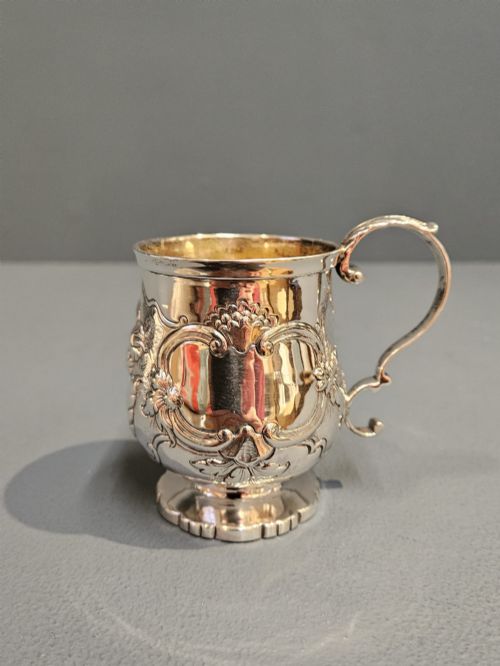
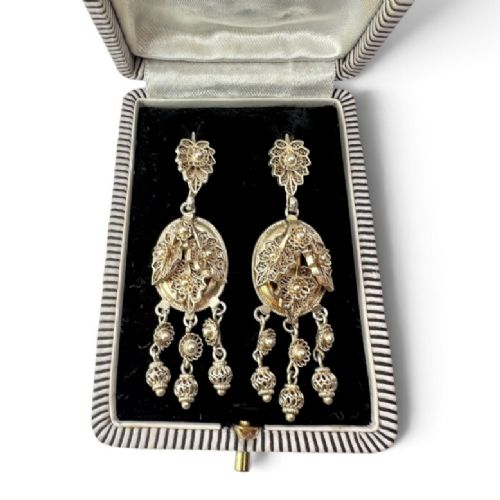
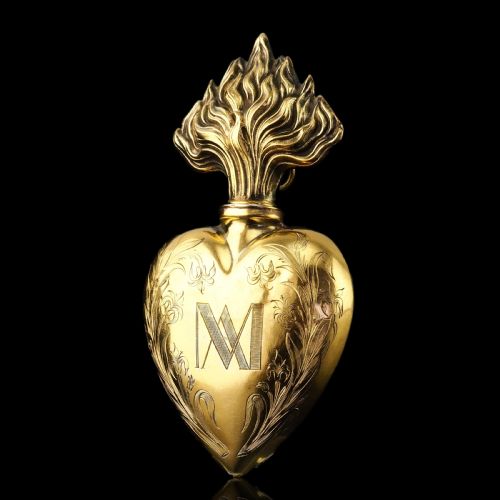
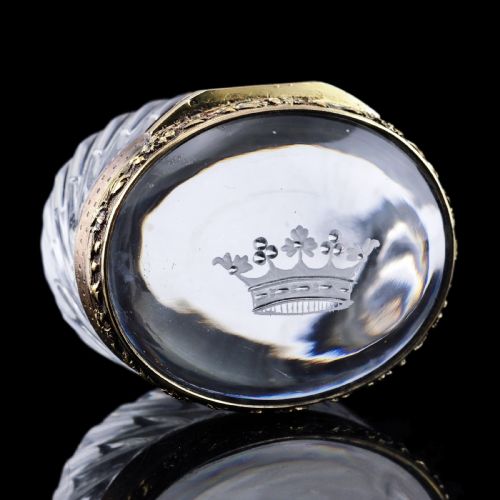
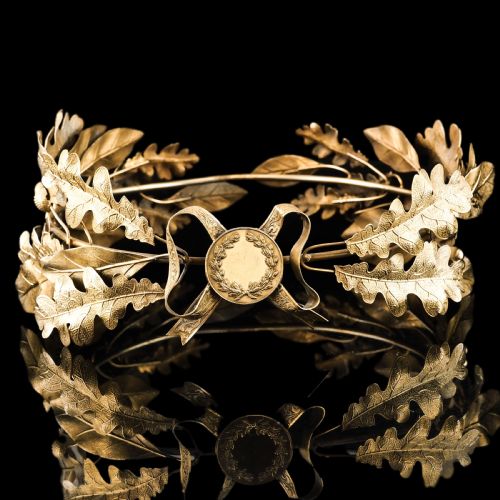
These 19th century silver gilt pieces bring the warmth of gold over silver to small personal items and large decorative furnishings alike.
19th Century Silver Gilt
When you search for 19th century silver gilt, you encounter objects ranging from small personal accessories to substantial furnishings produced during the Victorian period, the Georgian era, and across continental Europe.
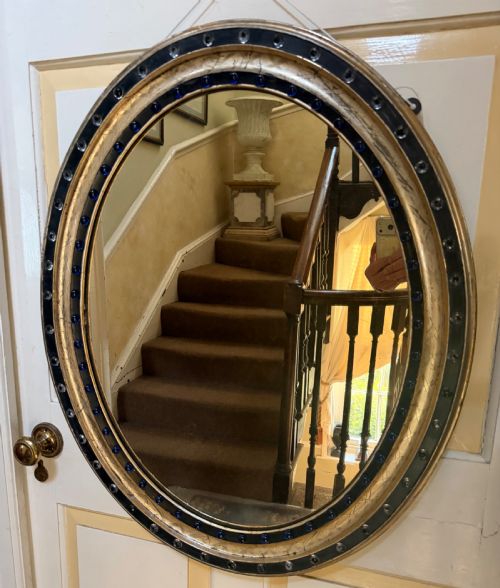
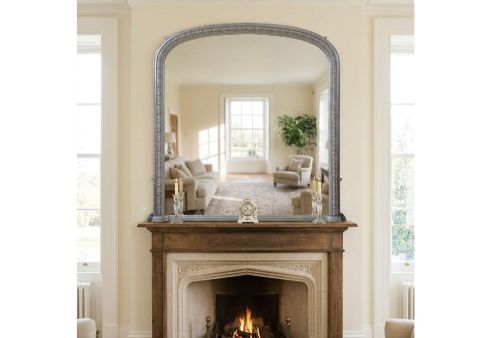
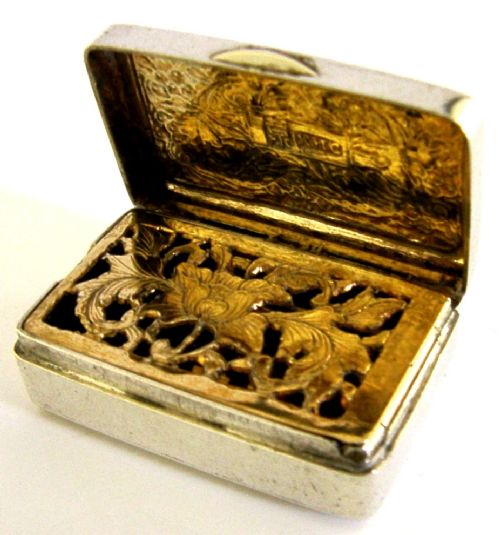
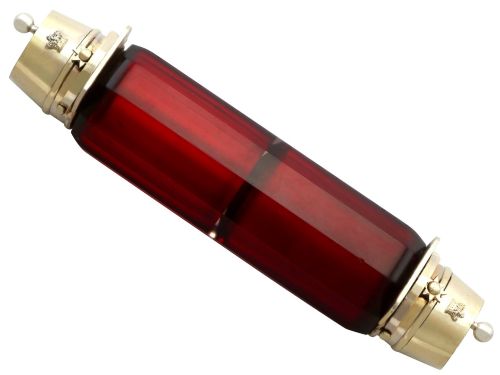
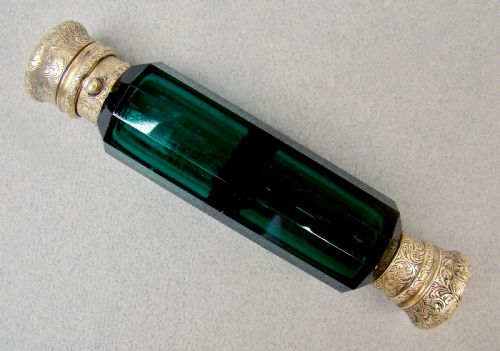
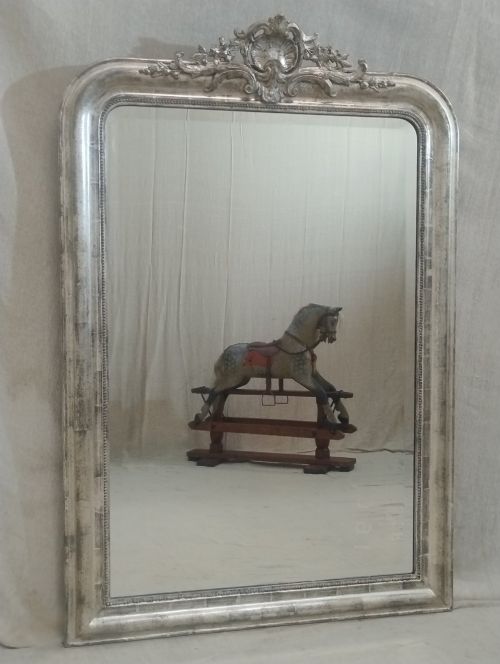
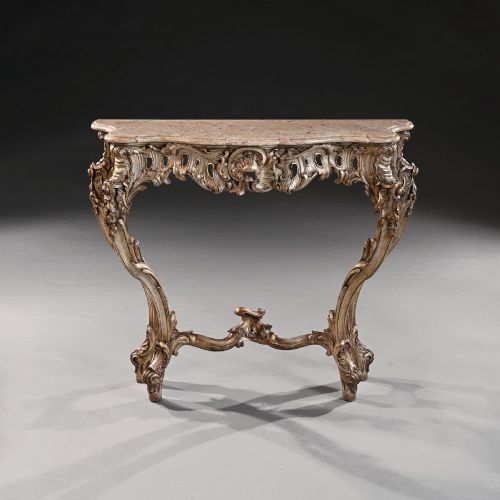
The selections span portable items such as snuff boxes, vinaigrettes, double-ended scent bottles, and sewing compendiums alongside larger decorative works like wall mirrors, console tables, and wine coolers.
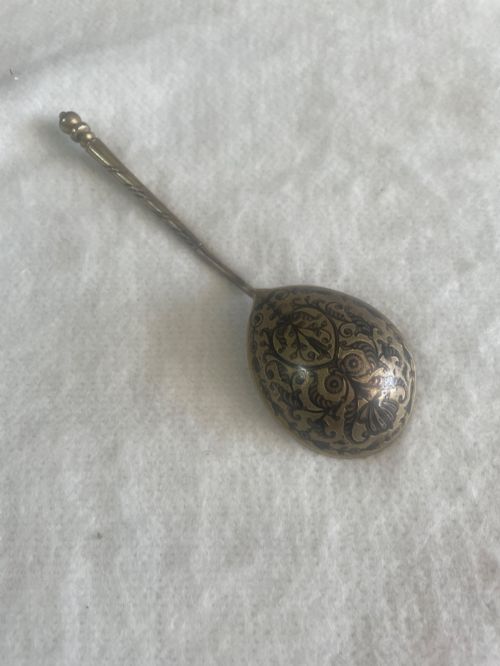
Many of these pieces bear hallmarks from British silversmiths or originate from French, Russian, and Italian workshops spanning the 1800s to the turn of the twentieth century.
How they were made
Maker's workshops applied thin layers of gold to sterling silver, silver plate, or copper bases using methods including mercury gilding and electrochemical processes.
Objects frequently combine silver gilt with contrasting materials such as Bristol green and ruby glass, shaped marble tops, crystal, enamel, and semi-precious stones.
19th Century Silver Gilt Retail Price Guide 2026
Typical asking prices for 19th century silver gilt among the pieces listed under this phrase on Sellingantiques today, from the lower quarter to the upper quarter. They describe what is for sale here now, not the wider market.
Some nineteenth century ladies carried silver gilt chatelaines equipped with miniature sewing tools, thimbles, and perfume flasks dangling from their waists.
What varies in quality
The standard of an item rests upon the crispness of chased and repoussé ornamentation, the preservation of the gold layer over the underlying silver, and the structural integrity of glass inserts or mirrored plates.
Pieces bearing clear maker marks and town hallmarks from prominent silversmiths demonstrate superior execution compared to unmarked or heavily worn examples.
Nathaniel Mills·Sampson Mordan·Robert Thornton·Edward Smith·Paul Storr
The 19th Century Silver Gilt Glossary
- Silver gilt
- Silver that has been coated with a thin layer of gold. This technique provides the rich appearance of solid gold while utilising silver as a base metal.
- Vinaigrette
- A small ornamental box featuring an internal pierced grille, designed to hold a sponge soaked in aromatic vinegar. These portable containers were popular personal accessories in the nineteenth century.
- Snuff box
- A small hinged box used for holding powdered tobacco. Makers frequently decorated the lids of these containers with detailed engraving and chased motifs.
- Parcel gilt
- An object where only specific portions are gilded while other areas show plain silver. This selective application creates visual contrast across the design.
19th Century Silver Gilt: Frequently Asked Questions
What is silver gilt?
Silver gilt is sterling silver or another silver base that has been coated with a layer of gold. This process combines the durability of silver with the rich colour of gold.
Silversmiths utilised this method across the nineteenth century for both decorative objects and functional tableware.
How were scent bottles used?
Nineteenth century scent bottles held liquid perfumes or smelling salts for personal refreshment. Double-ended versions often accommodated two different liquids.
Craftsmen housed these glass vessels within intricate silver gilt mounts, cages, or chatelaine cases.
How do I care for silver gilt?
Silver gilt requires gentle maintenance to protect the delicate gold layer from abrasive cleaning. Polishing cloths should be non-abrasive and free from harsh chemical dips.
Store pieces away from direct moisture and handle them carefully to preserve the surface finish.
How do I identify the period?
Periods are determined through a combination of assay office hallmarks, maker marks, regional styles, and structural materials. British pieces often feature specific date letters stamped directly into the metal.
Stylistic cues, such as Renaissance Revival motifs or French Louis Philippe forms, also indicate the era of manufacture.