
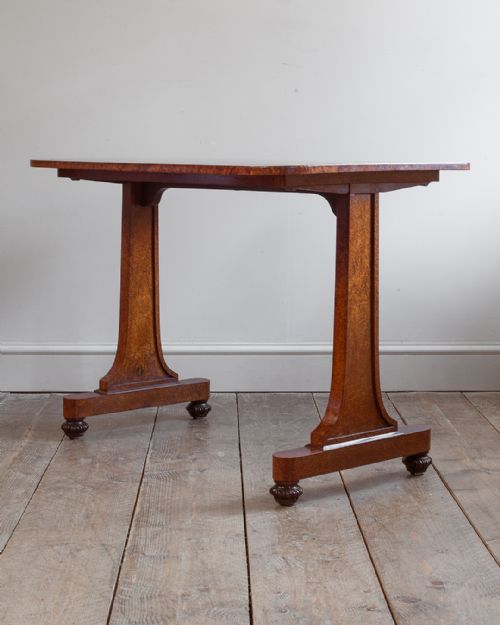
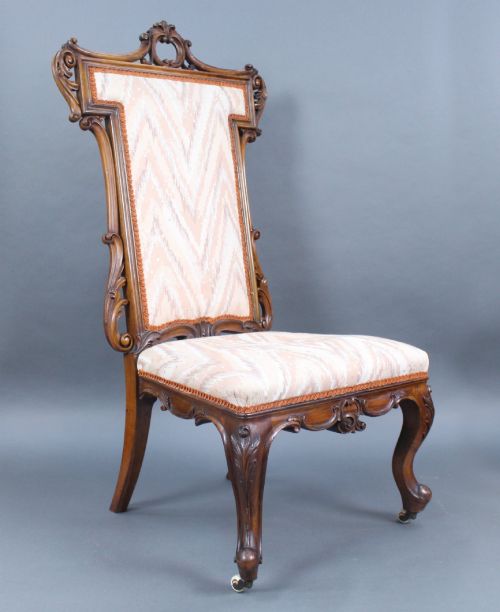
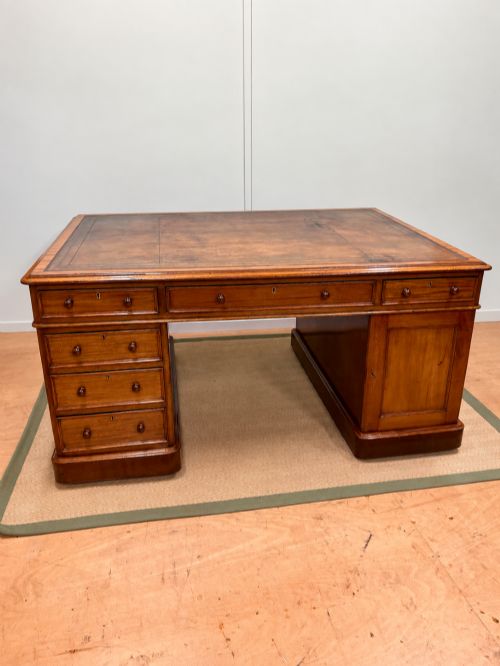
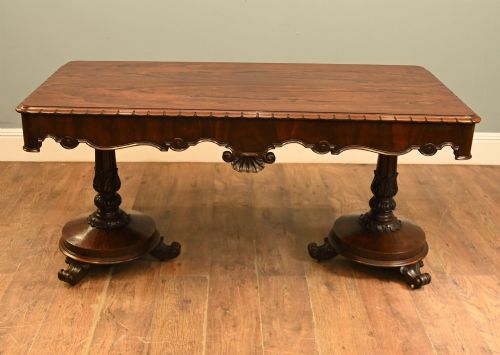
19th Century Side Desk
A 19th century side desk offers a practical writing surface and compact footprint suited to studies, bedrooms and living spaces.
19th Century Side Desk
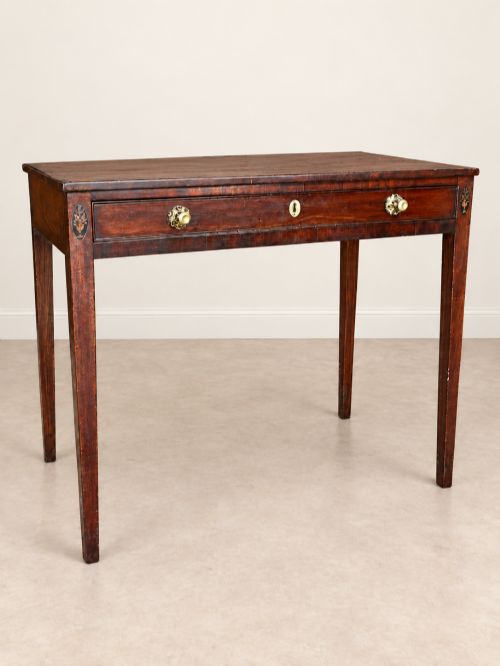
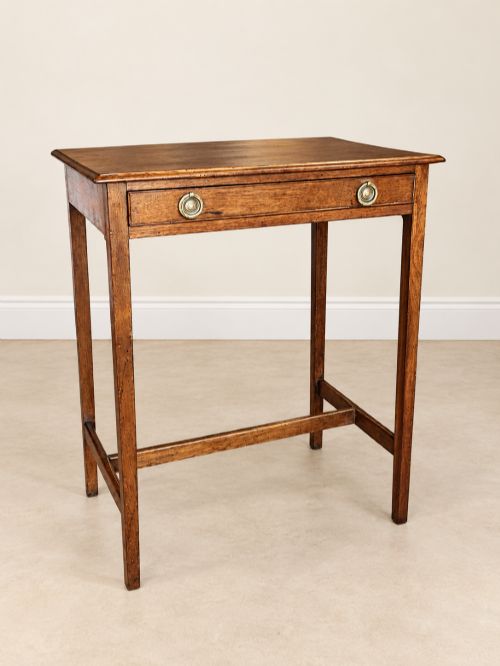
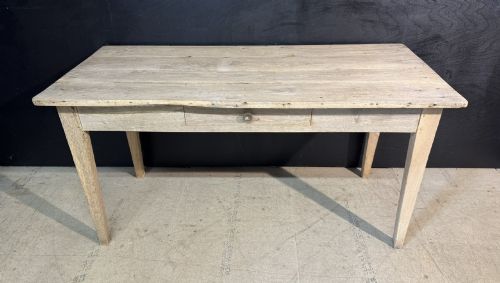
A 19th century side desk combines the compact proportions of a side table with the utility of a writing surface. These pieces appear across various periods including Victorian, Regency and William IV.
The form encompasses writing tables, Davenport desks, library tables and sofa tables designed for domestic use. Mahogany, walnut and rosewood form the primary timbers utilised across these functional pieces.
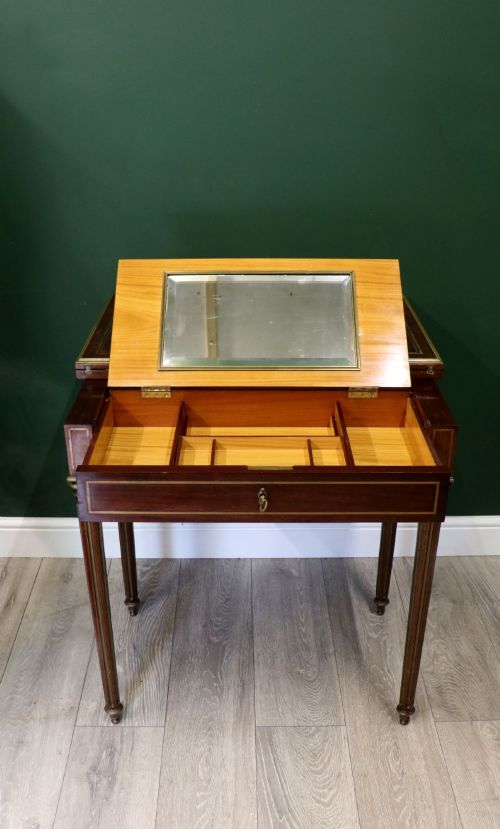
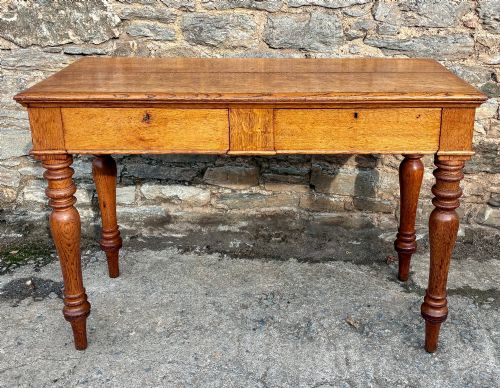
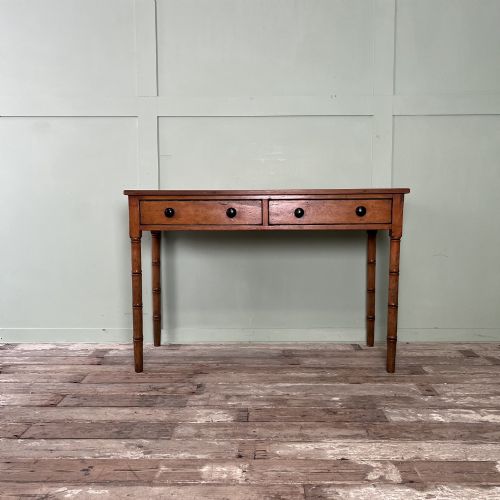
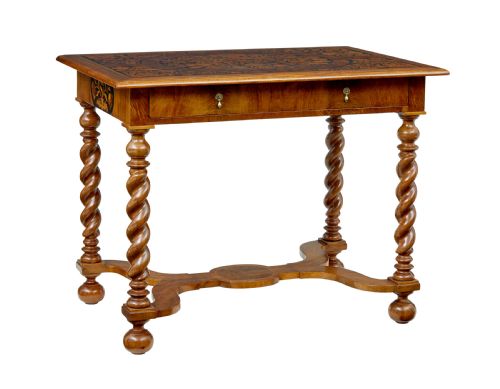
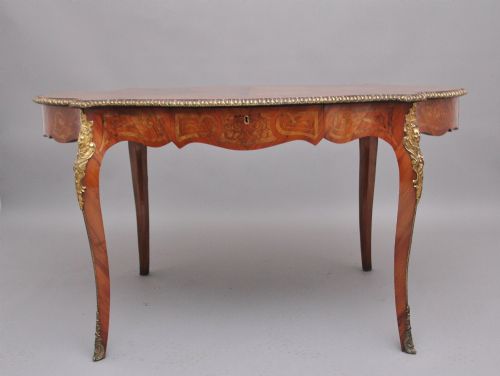
Buyers will encounter variations ranging from simple single drawer side tables to elaborate inlaid bureau plats and Davenport desks with fitted interiors.
Materials and construction
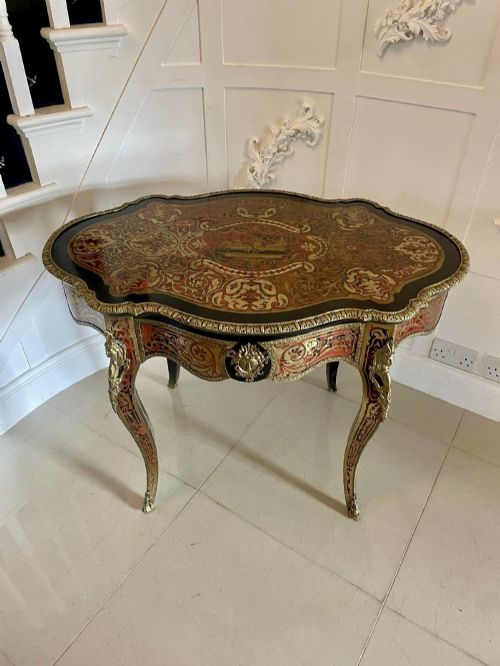
Cabinet makers relied heavily on dense hardwoods such as mahogany, rosewood and walnut, often finished with polished surfaces or leather writing inserts. Marquetry inlay, brass detailing and ormolu mounts frequently decorate the finer examples.
Joinery techniques combined sturdy framing with dovetailed drawer construction to ensure durability. Secondary timbers like oak and pine appear in internal components and drawer linings.
Assessing construction and finish
Quality rests upon the selection of timber veneers, the precision of marquetry inlay and the retention of original brass or leather elements. Finer examples display crisp hand carving and balanced proportions.
Makers such as Gillows or Edwards and Roberts demonstrate superior cabinet work through refined drawer construction and thoughtful detailing that elevate standard domestic pieces into exceptional items.
Gillows·Mappin And Webb·Waugh And Son
The 19th Century Side Desk Glossary
- Davenport
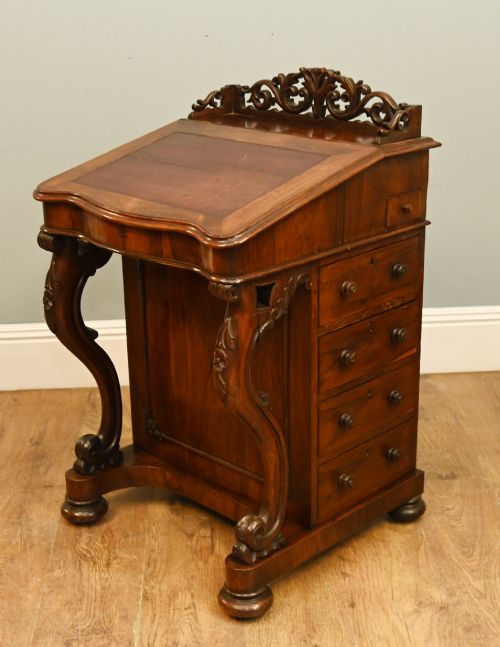
- A compact pedestal desk featuring a sloping writing surface above a set of side drawers. This form became popular during the Victorian period.
- Bureau Plat
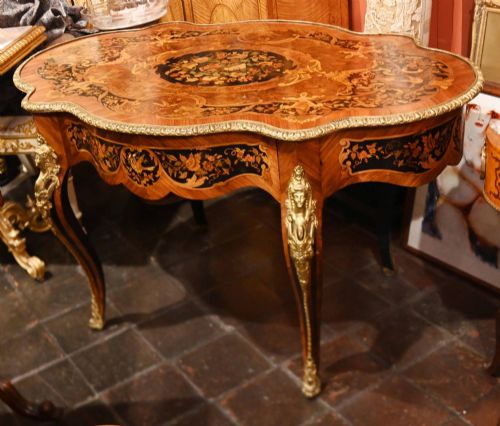
- A French freestanding writing table typically fitted with drawers and mounted on cabriole or tapered legs. These pieces often feature intricate marquetry or ormolu mounts.
- Sofa Table
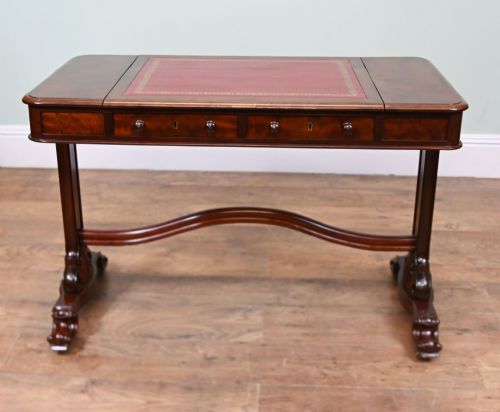
- A rectangular occasional table with drop leaves at either end, originally designed to sit in front of a sofa. They frequently incorporate two small drawers.
- Marquetry
- Decorative patterns formed by fitting contrasting veneer pieces onto a solid wood carcase. Cabinet makers utilised diverse timbers to create floral or geometric designs.
- Ormolu
- Gilded bronze used for decorative mounts and accents on furniture. This technique is particularly common on French 19th century pieces.
19th Century Side Desk: Frequently Asked Questions
How do I use a side desk?
A side desk serves effectively as a compact writing station or a laptop table in smaller home offices and bedrooms.
Their modest dimensions allow them to function as console surfaces or decorative side tables when not in active use for writing.
What is a Davenport desk?
A Davenport is a small pedestal desk featuring a sloped, hinged writing lid that typically lifts to reveal a set of pigeonholes.
Drawers usually open to one side while the opposite side is fitted with dummy drawer fronts for symmetry.
How do I identify a Victorian desk?
Victorian desks frequently utilise dense timbers like mahogany and walnut, often featuring robust turnings, carved details or inset leather writing surfaces.
Cabinet work from this era spans simple pine constructions up to heavily figured rosewood and marquetry inlaid writing tables.
Where should I place a sofa table?
Sofa tables work well positioned behind a sofa or freestanding against a living room wall due to their finished backs and drop leaves.
They also function effectively as narrow hallway console tables or dressing tables in bedrooms.