

19th Century Shield
When you encounter a 19th century shield in trade, you are looking at diverse forms ranging from armorial panels to seating with distinctive back profiles.
19th Century Shield
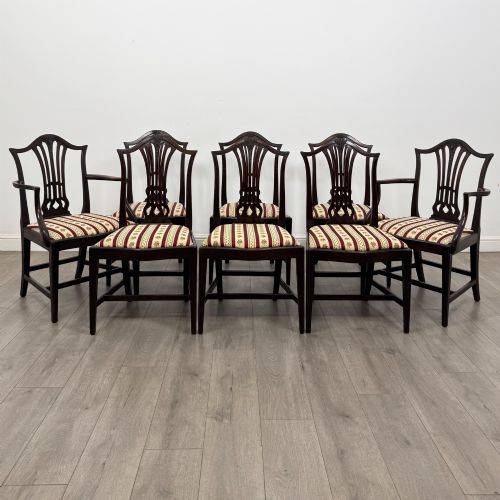
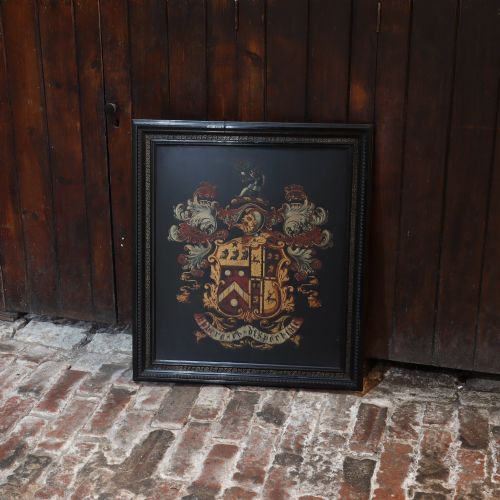
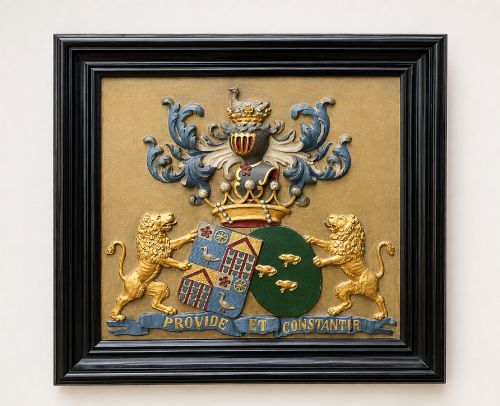
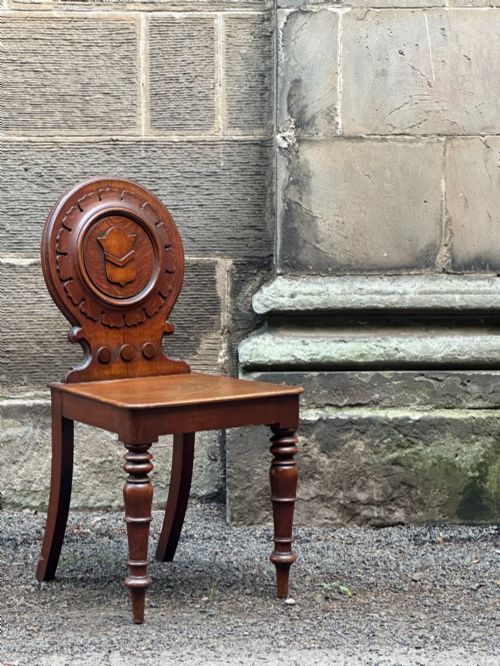
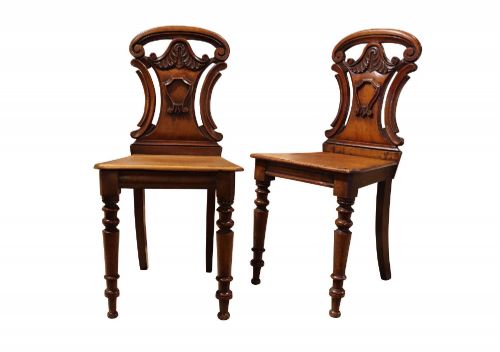
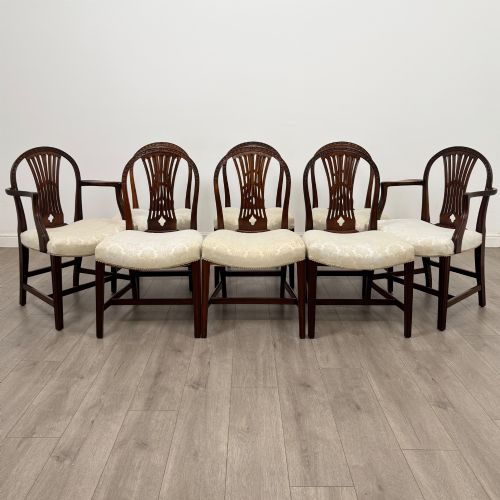
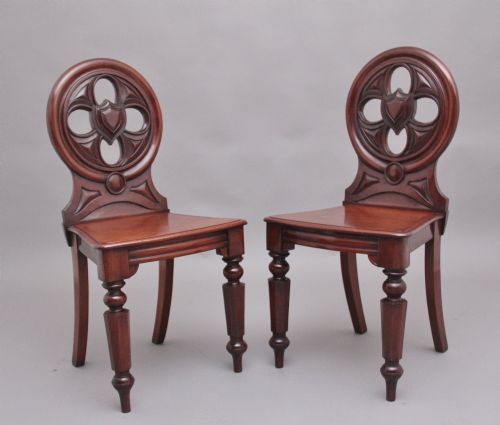
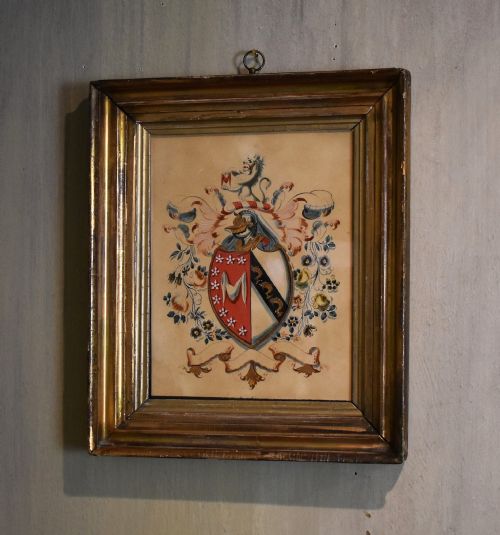
A 19th century shield encompasses several distinct categories, most prominently dining and hall chairs featuring a shield-shaped wooden backrest, alongside decorative wall plaques, heraldic panels, and actual defensive metal and brass pieces.
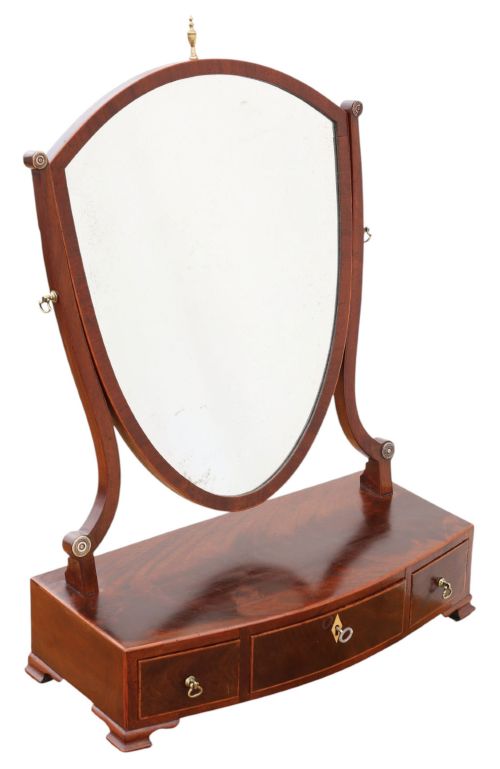
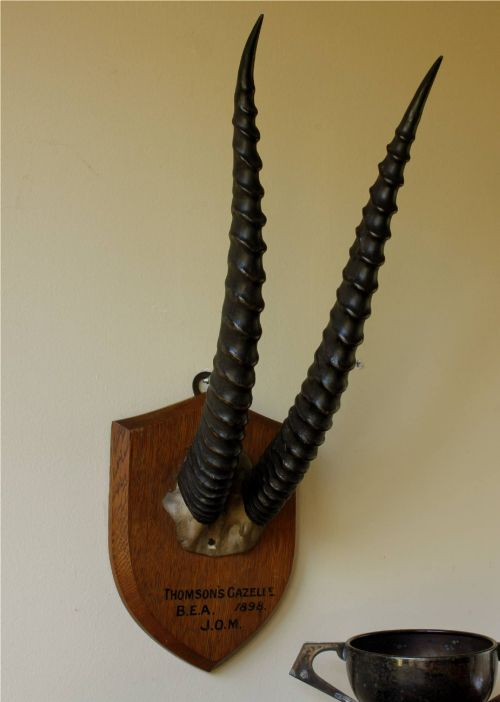
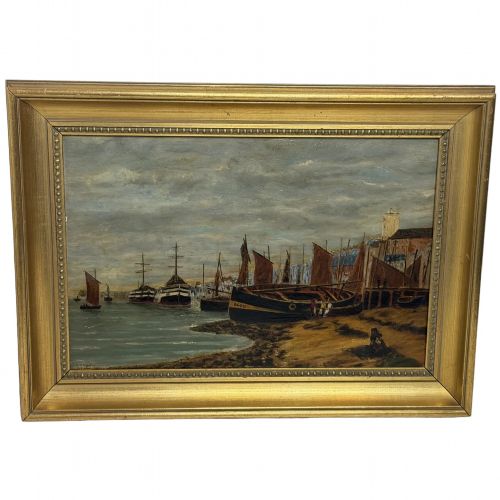
The material record also includes dressing table swing mirrors shaped with curved crests, taxidermy mounts displayed on wooden shields, and oil paintings depicting coats of arms or maritime scenes.
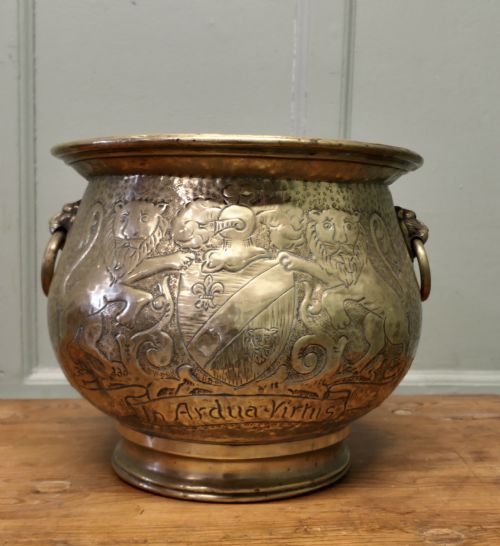
Buyers meet variations spanning from Regency and Victorian mahogany seating to Gothic brass jardiniere vessels and Indian steel items within the present selection.
Materials and construction
Makers utilised dense timbers such as mahogany, oak, and birchwood for furniture frames, turning and carving the timber to achieve the characteristic curved outlines of chair backs and mirror surrounds.
Metalwork pieces demonstrate repousse techniques, engraving, and brass casting, often incorporating applied armorial crests or foliate decoration into the finished surface.
Taxidermy mounts integrate natural animal horns and skulls fastened onto carved wooden backing plaques, while paintings and textiles employ glass, giltwood, fabric, and oil pigments.
Listings show furniture forms spanning from Regency mahogany hall chairs to Victorian dining sets and Gothic brass jardiniere vessels.
Judging the standard
The caliber of a piece rests upon the crispness of the carving, particularly where chair backs, heraldic panels, and crest mounts display intricate detail without softening.
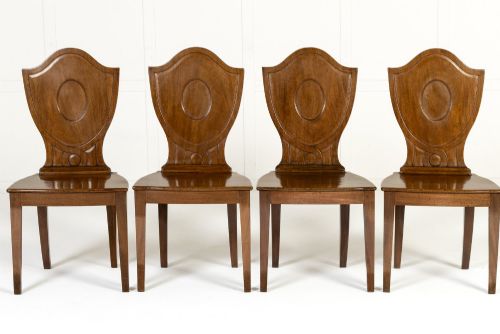
Proportion and timber selection dictate the success of mahogany dining chairs and dressing table mirrors, where straight-grained wood and balanced joinery elevate the object.
Condition of surface finishes, whether original gilding on Venetian mirrors or well-preserved engravings on brass shields, separates standard examples from superior survivals.
Hugh Shields·Hugh Shields Jnr·Hugh Shields Snr·John Bryson·Louis Francois Fremiet
The 19th Century Shield Glossary
- Shield-back
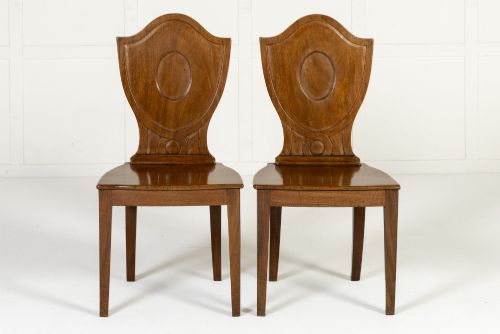
- A chair design featuring a backrest shaped like a heraldic shield, popular in dining and hall seating during the Georgian and Victorian periods.
- Heraldic panel
- A decorative flat work displaying coats of arms, family crests, or armorial bearings, typically rendered in paint, carved wood, or metal.
- Dhal
- A traditional Indian round shield constructed from steel or brass, frequently ornamented with engraved foliate patterns or koftgari inlay.
- Repousse
- A metalworking technique where the artisan hammers the material from the reverse side to form a raised design on the front.
- Pole screen
- A standing fireplace screen with an adjustable panel mounted on a vertical pole to shield occupants from radiant heat.
19th Century Shield: Frequently Asked Questions
What is a shield back chair?
A shield back chair is a seating form where the wooden backrest curves into the distinct silhouette of a heraldic shield. These pieces are typically constructed from mahogany or oak and appear in dining sets or as single hall chairs.
Craftsmen shaped the timber to provide both structural support and a decorative focal point for period interiors. They represent a significant portion of furniture design from the Georgian through the Victorian eras.
How were decorative heraldic panels used?
Decorative heraldic panels functioned as interior wall art or architectural inserts, displaying family crests and coats of arms to denote lineage and heritage. They were carved from wood, painted on canvas, or beaten in metal.
These pieces served as prominent displays of status within grand rooms and halls. Today, collectors mount them as wall plaques or incorporate them into period wood panelling.
Are brass and steel shields defensive?
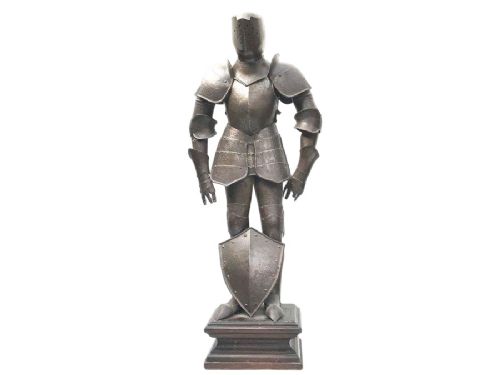
While forms like the Indian dhal or European armours derive from historical defensive equipment, many 19th century items were manufactured purely for decorative display. They utilise brass, copper, and engraved steel with intricate foliate motifs rather than battle utility.
These decorative works reflect a Victorian fascination with historical revivalism and exotic craftsmanship. They are collected for their decorative metalwork and surface engraving rather than martial history.
How do I care for wooden and mirrored pieces?
Wooden frames and shield mirrors require stable indoor humidity and protection from direct sunlight to prevent timber splitting and silver degradation on the glass. Regular dusting with a dry, soft cloth maintains the polished surface without abrasive cleaners.
For taxidermy mounts set on wooden shields, gentle brushing keeps the hair and horns free of dust. Avoiding moisture preserves both the natural specimens and the antique polished wood.