

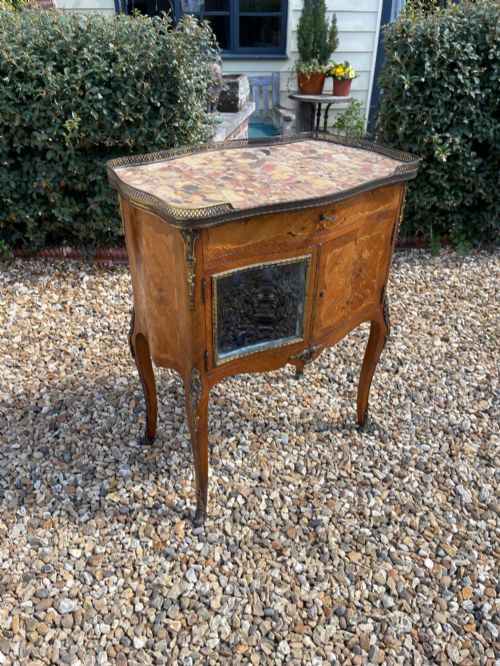


19th Century Satinwood Furniture
Nineteenth century satinwood furniture brings luminous, golden grain and refined classical marquetry into domestic rooms.
19th Century Satinwood Furniture
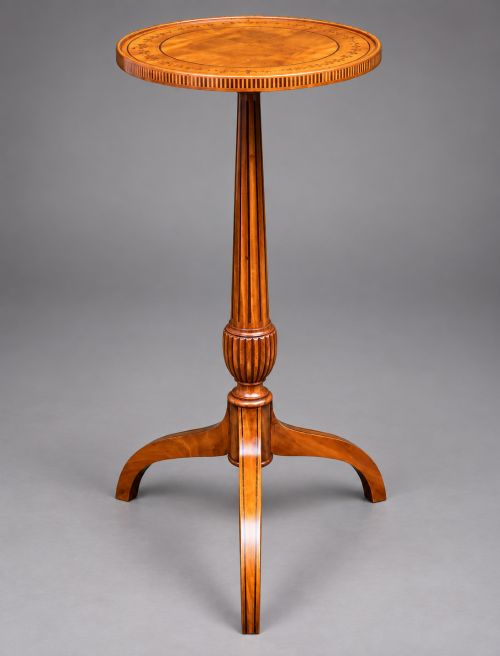
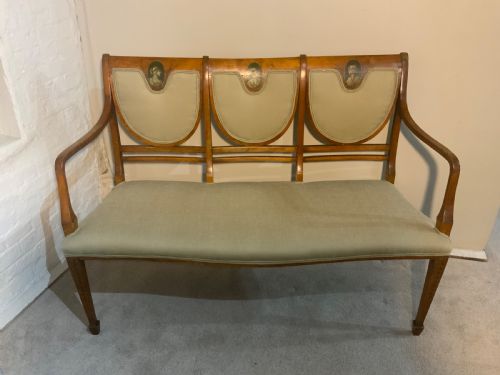
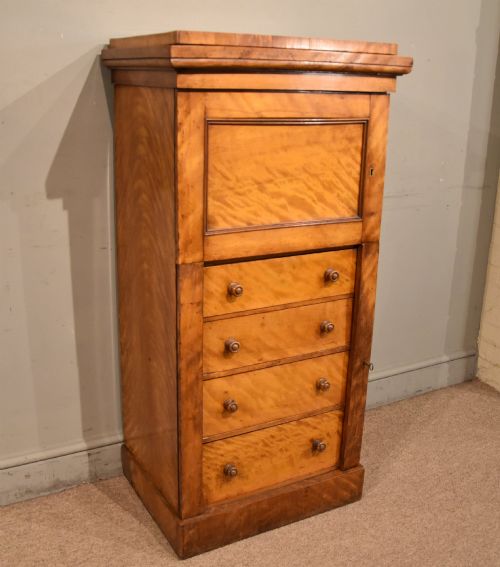
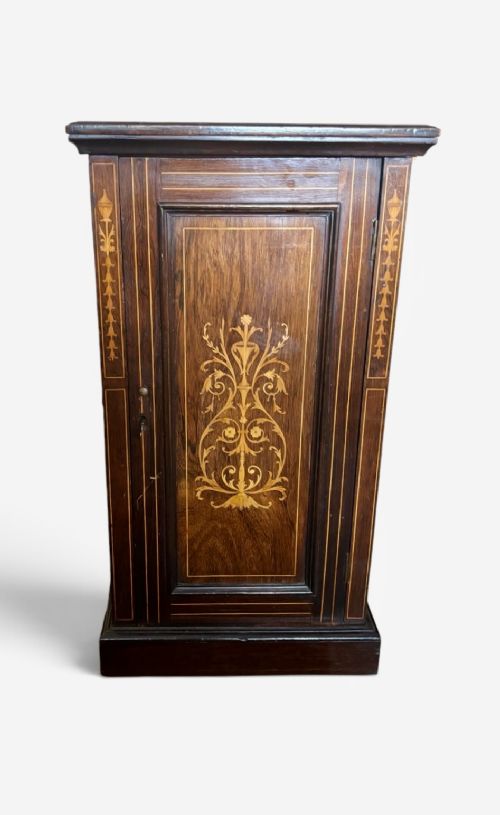
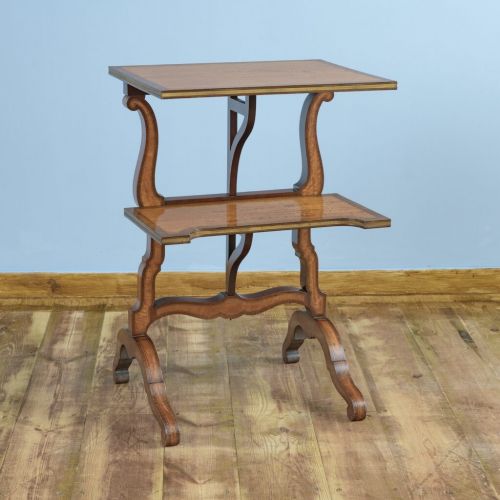
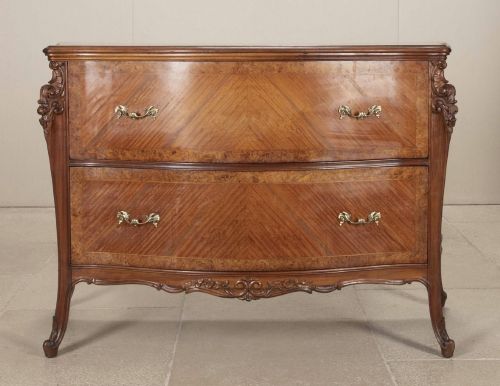
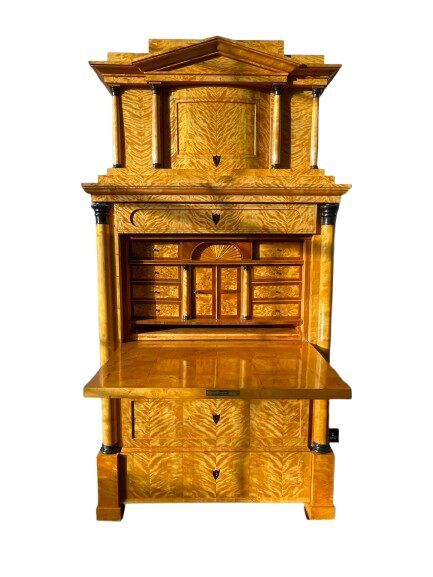
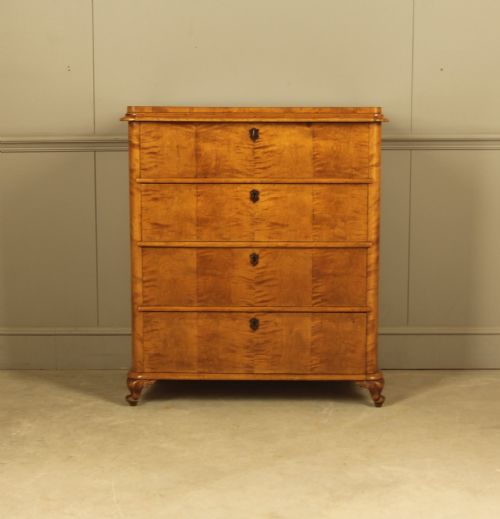
Nineteenth century satinwood furniture encompasses a diverse selection of decorative items fashioned from exotic timbers, often displaying a distinctive shimmering quality. When searching for 19th century satinwood furniture, buyers encounter a wide array of functional forms ranging from side tables and writing desks to chests of drawers and cabinets.
The pieces on this page span several distinct stylistic revivals and regional interpretations, notably Victorian creations, Sheraton Revival pieces, and Anglo-Indian designs. Side cabinets, occasional tables, and writing desks dominate the selection, reflecting the period's demand for elegant domestic utility and display.
Origins vary considerably across the inventory, including English workshops, continental European makers, and Ceylonese productions. This geographical spread introduces contrasting construction methods and secondary timbers, such as mahogany, rosewood, and birch, working alongside primary satinwood surfaces.
Materials and technique
Cabinet makers utilised satinwood veneers alongside solid timbers, applying careful matching of the grain to create striking optical effects across table tops and cabinet doors. Secondary woods like mahogany and rosewood provided structural stability for carcases and framing.
Surface enrichment frequently involved detailed hand painting, intricate marquetry inlay, and contrasting stringing in dark timbers to define panels and borders. Ormolu mounts, glass panels, and porcelain plaques also appear on finer cabinet work, integrating metal and ceramic elements into the woodwork.
A solid satinwood trunk from the turn of the century offers a remarkably heavy hiding place for household linens.
Distinctions in quality
Quality in these pieces rests primarily on the selection and figuration of the timber, where intensely rippled or feathered grain denotes superior material choice. The precision of the inlay work and the delicacy of any hand painted decoration further separate standard workshop output from exceptional examples.
Construction details such as the integration of matching secondary woods, the execution of dovetailed drawer linings, and the presence of original mounts or hardware indicate the level of craftsmanship invested in the object.
Peters of Genoa·Maison Giroux
The 19th Century Satinwood Furniture Glossary
- Satinwood
- A dense tropical timber known for its yellowish colour and lustrous, reflective grain. It was frequently used as a veneer or solid medium for high-status cabinet work throughout the nineteenth century.
- Marquetry
- The art of applying decorative veneer pieces to a structural surface to form geometric or pictorial patterns. Makers used contrasting woods to achieve tonal depth.
- Ormolu
- Gilded bronze mounts applied to furniture for decorative effect, often cast in scrollwork or classical motifs. It appears frequently on French and continental pieces.
- Bijouterie
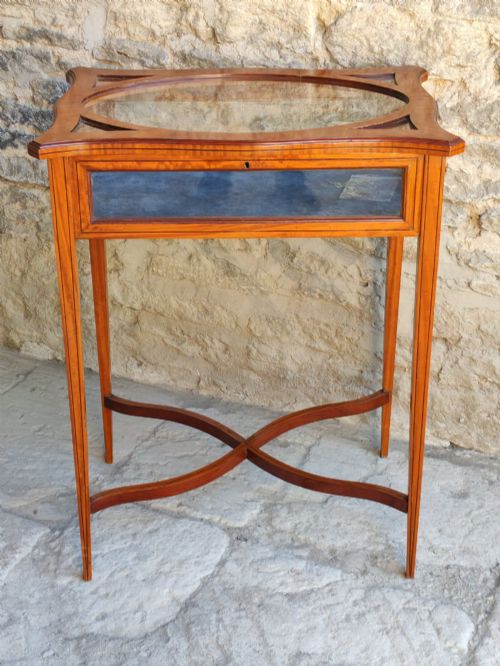
- A small display table or cabinet designed with glass panels to showcase small valuable items, jewellery, or curiosities. These typically date from the later Victorian period.
- Credenza
- A low dining room or parlour cabinet used for storage and display, often featuring central doors flanked by curved glass or open shelving.
19th Century Satinwood Furniture: Frequently Asked Questions
How do I care for satinwood surfaces?
Keep these pieces away from direct sunlight and steady heat sources to prevent the timber from fading and the polish from drying out. Dust regularly with a soft, dry cloth and avoid commercial silicone sprays.
Apply a microcrystalline wax occasionally to feed the wood and maintain the natural sheen without building up a heavy, cloudy layer over the grain.
What is a Carlton House desk?
A Carlton House desk is a distinctive writing table featuring a curved superstructure fitted with small drawers and pigeonholes around the perimeter of the writing surface. This form emerged in the late eighteenth century and continued through nineteenth-century revival periods.
Satinwood versions often display elaborate inlay and fine tapering legs, combining functional compartmentalised storage with a compact footprint for the parlour or study.
How do I identify Sheraton Revival pieces?
Sheraton Revival furniture draws inspiration from the neoclassical designs of the late eighteenth century, translated through later nineteenth-century manufacturing techniques. Look for symmetrical proportions, painted floral swags, satinwood veneers, and tapered spade feet.
These items often present lighter constructions and cleaner geometric lines than heavy high Victorian styles, reflecting a deliberate turn towards eighteenth-century elegance.
Where were Ceylonese satinwood pieces made?
Ceylonese furniture was produced in British colonial Ceylon, modern-day Sri Lanka, using native timbers such as solid satinwood and ebony. Local workshops adapted European furniture forms to suit indigenous hardwoods.
These items frequently exhibit robust construction using dense local timbers, sometimes combining Anglo-Indian forms with traditional British cabinet layouts.